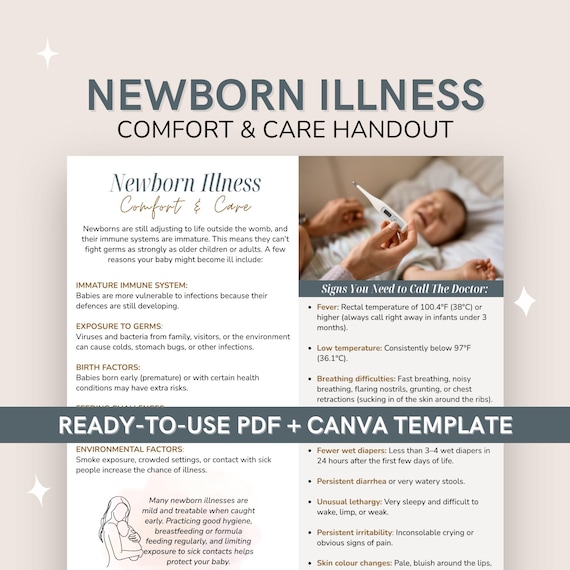
Newborn feeding behavior changes often reflect growth, alertness, comfort, or feeding needs rather than a serious problem.
Newborn feeding behavior changes can feel sudden and confusing. One day, your baby feeds calmly every three hours. The next day, your baby wants to eat often, falls asleep at the breast, or takes less at each bottle. These shifts are common, but they also deserve careful attention. This guide explains what normal changes look like, what may cause them, and when to call a health care professional.
What are newborn feeding behavior changes?
Newborn feeding behavior changes are shifts in how, when, or how much a baby eats. They may affect breastfeeding, bottle-feeding, or both. A baby may change feeding times, sucking strength, alertness, body movements, or interest in milk.
Newborns do not follow a perfect clock. Their needs can vary from feed to feed. Feeding patterns also change as babies grow, become more alert, and learn to coordinate sucking, swallowing, and breathing.
Common newborn feeding behavior changes include:
• Feeding more often for a few days
• Taking shorter or longer feeds
• Waking more often at night to eat
• Becoming sleepy during feeds
• Pausing often to burp or rest
• Showing stronger hunger cues
• Turning away after a small amount
• Wanting to feed for comfort as well as hunger
• Spitting up more often
• Feeding well at one time of day but poorly at another
A single unusual feed is rarely a concern. The larger pattern matters more. Your baby’s wet diapers, stool pattern, weight gain, energy, and feeding cues give a better picture than one meal.
Normal newborn feeding behavior changes by age
Feeding behavior often changes during the first weeks of life. The changes can seem dramatic because newborns develop quickly.
The first 24 hours
Many healthy newborns are sleepy during the first day. Some feed well right away, while others need gentle support to wake and latch. Skin-to-skin contact can help a baby become more alert and interested in feeding.
Colostrum, the first breast milk, comes in small amounts. This is normal because a newborn’s stomach is very small. Breastfed babies may feed at least 8 to 12 times in 24 hours, though some feed more often.
Formula-fed babies may take small amounts at regular intervals. Your care team can guide you on safe amounts based on your baby’s age, weight, and medical needs.
Days two through five
Many babies become more alert and hungry during this stage. Breastfed babies may cluster feed, which means they feed several times close together. Cluster feeding can last for a few hours and may happen in the evening.
Cluster feeding does not always mean that your milk supply is low. It can be part of normal newborn feeding behavior changes. Still, a painful latch, very few wet diapers, or poor weight gain should be checked.
The second week
By about two weeks, many babies begin to show a more predictable rhythm. This does not mean they will follow a strict schedule. They may still feed at different times each day.
Some babies become more efficient and finish feeds faster. Others remain slow eaters. A shorter feed is not automatically a problem if your baby seems satisfied, has enough wet diapers, and gains weight as expected.
Weeks three through eight
Growth spurts can lead to more frequent feeding. Babies may seem extra hungry, fussy, or hard to settle. These periods often last a few days.
Newborn feeding behavior changes may also include longer awake periods. Your baby may look around, stop to listen, or become distracted by light and sound. A calm, dim room may help your baby focus.

Why do newborn feeding behavior changes happen?
Several normal and medical factors can affect feeding. Understanding the cause can make the change easier to manage.
Growth spurts
During a growth spurt, a baby may ask to feed more often. Breastfeeding babies may nurse repeatedly to help signal the body to make more milk. Formula-fed babies may also show increased hunger, but caregivers should not increase formula amounts without guidance.
Growth spurts often occur around:
• The first week
• Two to three weeks
• Six weeks
• Three months
These time frames are not exact. Every baby develops at a different pace.
Sleepiness
Newborns sleep often. Mild sleepiness can make a baby pause, suck slowly, or fall asleep during a feed. Skin-to-skin contact, a diaper change, or removing one layer of clothing may help wake the baby.
Extreme sleepiness is different. A baby who is difficult to wake, too weak to suck, or suddenly feeds much less needs prompt medical advice.
Gas and reflux
Gas can make a baby pull away, arch the back, cry, or refuse to continue. Burping during and after feeds may help. Keeping the baby upright for a short time after feeding can also reduce discomfort.
Small spit-ups are common because the muscle between the stomach and esophagus is still developing. Forceful vomiting, green vomit, blood, breathing trouble, or poor weight gain is not typical and needs medical attention.
Fast milk flow
Some breastfeeding parents have a strong let-down. A baby may cough, gulp, pull away, or become fussy at the start of a feed. Feeding in a more upright position or expressing a small amount first may help.
It is best to discuss ongoing problems with a lactation professional. Changing feeding positions can help, but each parent and baby pair is different.
Bottle flow and feeding technique
A nipple with a flow that is too fast may cause coughing, gulping, leaking milk, or distress. A flow that is too slow may lead to frustration and tiredness.
Responsive bottle-feeding techniques can help. Hold the bottle at an angle, allow pauses, and watch the baby’s cues. Do not force the baby to finish the bottle.

How to tell if your newborn is getting enough milk
Parents often worry about intake when feeding behavior changes. Diapers and growth provide useful clues.
During the first several days, wet diaper counts may rise as milk intake increases. By about day five, many breastfed newborns have at least six wet diapers in 24 hours. Formula-fed babies often have a similar pattern, but individual needs vary.
Other signs of adequate intake may include:
• Regular swallowing during feeds
• A relaxed body and hands after feeding
• Periods of quiet alertness
• Soft, yellow stools after the early newborn period
• Breasts that feel softer after breastfeeding
• Steady weight gain after initial weight loss
• A baby who wakes for feeds and responds normally
Weight checks are especially important. Most newborns lose some weight after birth. Health professionals watch for recovery and ongoing growth. A pediatrician may recommend extra checks if a baby was premature, jaundiced, ill, or had trouble feeding.
No single sign proves that a baby is getting enough milk. For example, breast fullness can change, and some babies remain fussy after eating for reasons unrelated to hunger. Look at the full picture.

Breastfeeding and bottle-feeding behavior changes
Newborn feeding behavior changes can look different depending on how your baby receives milk.
Breastfeeding behavior changes
A breastfed baby may:
• Feed on one breast or both breasts
• Switch from long feeds to short, efficient feeds
• Nurse frequently during the evening
• Pause often during a let-down
• Seem fussy before milk begins to flow
• Use the breast for comfort after a full feed
A deep latch should feel like a strong pull, not sharp or pinching pain. Clicking sounds, damaged nipples, or repeated slipping from the breast may suggest a latch problem.
Bottle-feeding behavior changes
A bottle-fed baby may:
• Take different amounts at different feeds
• Need pauses during the bottle
• Turn the head away when full
• Push the nipple out with the tongue
• Stop sucking to breathe or rest
• Finish more slowly during a growth spurt or illness
Follow the prepared formula label and your health professional’s advice. Never dilute formula or add extra powder. Incorrect mixing can lead to serious health problems.
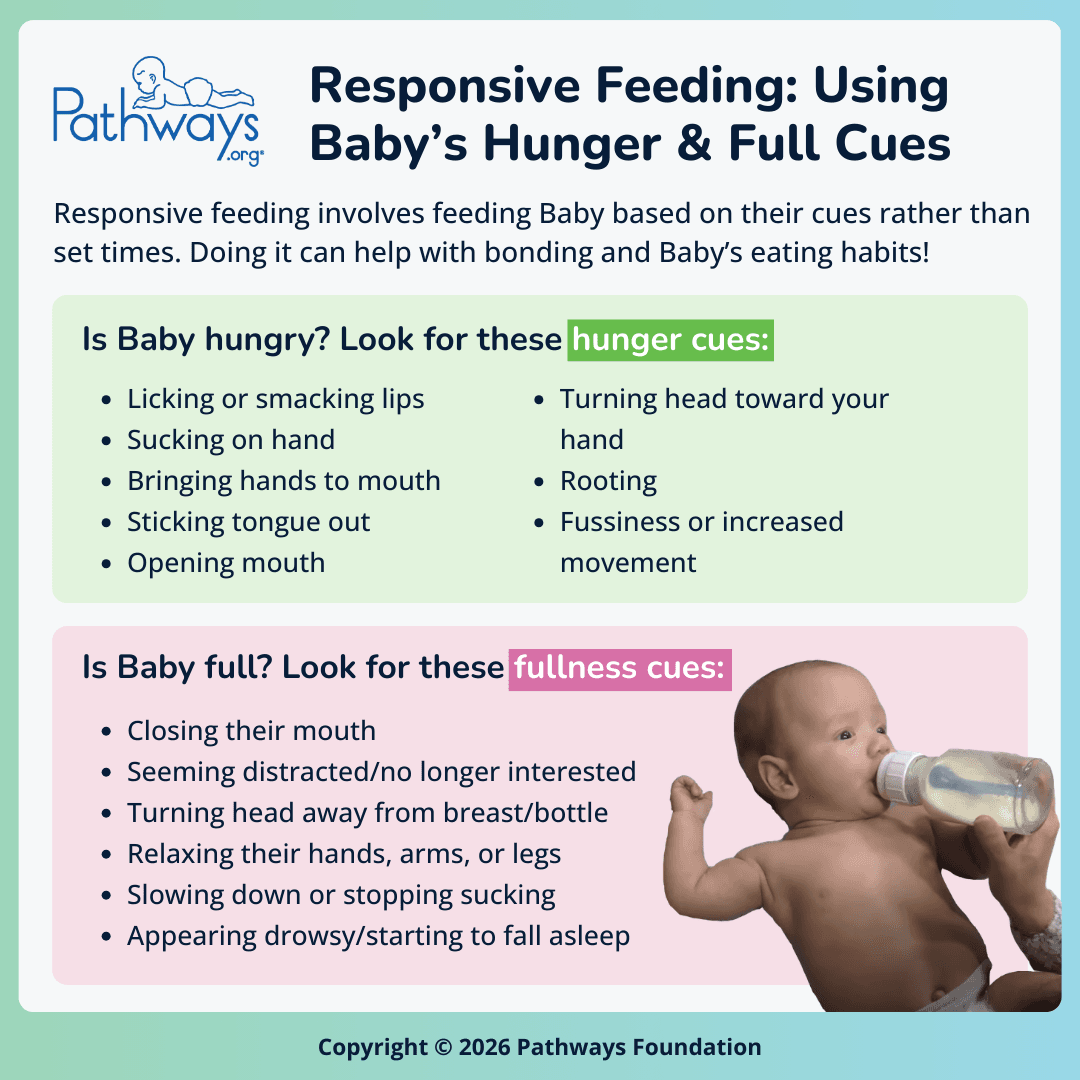
Whether your baby breastfeeds or bottle-feeds, responsive feeding is helpful. Offer milk when your baby shows hunger cues, and stop when your baby shows fullness cues.

Hunger and fullness cues to watch
Learning your baby’s cues can make newborn feeding behavior changes less stressful. Crying is a late hunger cue, so try to respond earlier when possible.
Early hunger cues
• Stirring or waking
• Moving the head from side to side
• Opening the mouth
• Bringing hands to the mouth
• Licking or smacking the lips
• Making soft sounds
Late hunger cues
• Crying
• Redness around the face
• Fast body movements
• Difficulty settling
A crying baby may need calming before feeding. Hold the baby close, speak softly, and try again once the baby is more settled.
Fullness cues
• Slowing or stopping sucking
• Relaxing the hands
• Turning away
• Closing the mouth
• Falling asleep in a relaxed way
• Releasing the breast or nipple
Do not pressure a baby to finish. Forced feeding can make it harder for a baby to notice natural hunger and fullness signals.
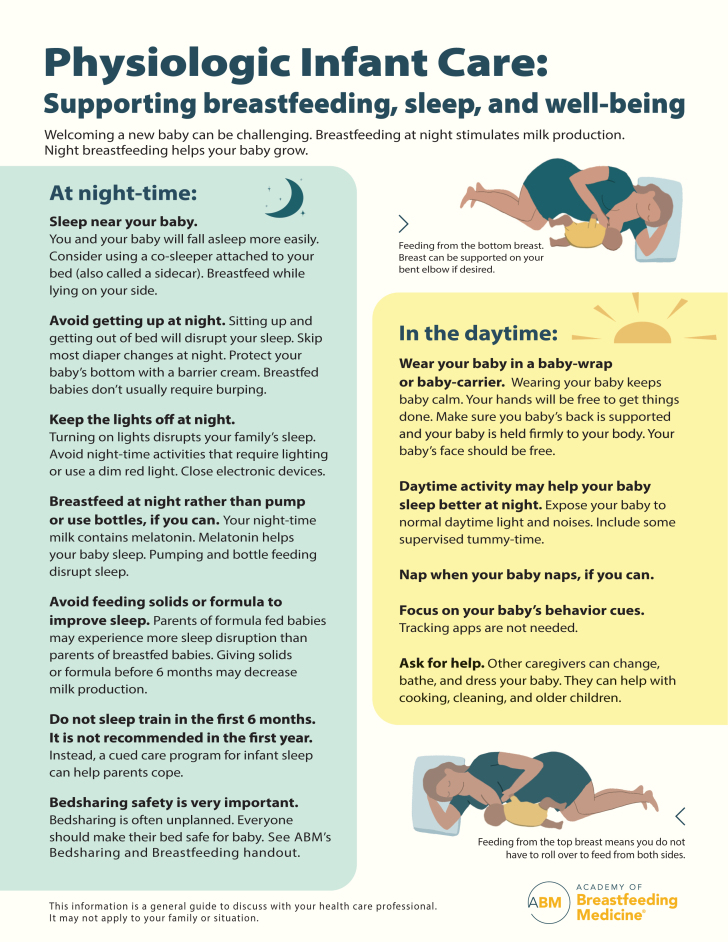
What to do when feeding behavior suddenly changes
A calm plan can help you decide what to do next.
-
Check the basics. Look for a wet diaper, a comfortable temperature, a clear nose, and a calm feeding space.
-
Watch the baby, not only the clock. Offer milk when you see hunger cues. Newborns may not eat at exactly the same times each day.
-
Improve positioning. Keep the baby’s head and body aligned. During bottle-feeding, use a supported, semi-upright position.
-
Take breaks. Pause for burping or breathing. Babies do not need to rush through a feed.
-
Record useful details. Note feeding times, wet diapers, vomiting, temperature, and unusual behavior. A short log can help your pediatrician see a pattern.
-
Arrange help early. A lactation consultant, pediatrician, nurse, or feeding therapist can assess latch, milk transfer, oral movement, and feeding safety.
One lesson parents often learn is that a feeding log is most helpful when it is simple. Tracking every second can increase stress. Record the facts that matter, such as the number of feeds, wet diapers, and major changes.
When newborn feeding behavior changes may signal a problem
Call your baby’s health care professional if feeding changes last, worsen, or occur with other symptoms.
Seek prompt advice if your newborn:
• Feeds much less than usual
• Refuses several feeds in a row
• Has fewer wet diapers than expected
• Is hard to wake for feeds
• Has a weak suck
• Coughs, chokes, or turns blue during feeds
• Vomits forcefully or repeatedly
• Has a fever
• Appears limp, pale, or unusually quiet
• Has worsening yellow skin or eyes
• Shows signs of dehydration, such as a dry mouth or very low urine output
• Is not gaining weight as expected
For babies younger than three months, a rectal temperature of 100.4°F (38°C) or higher requires immediate medical guidance. Follow local medical advice and do not give fever medicine unless a clinician recommends it.
Trust your concern. Parents often notice a change before they can explain it. It is safer to ask than to wait when a newborn seems unwell.
Mistakes to avoid during feeding changes
Even well-meaning actions can create problems.
• Do not force a baby to finish a breast or bottle.
• Do not add cereal, water, juice, or other foods to a newborn’s diet.
• Do not dilute formula or mix it with extra powder.
• Do not prop a bottle or leave a baby alone with one.
• Do not rely only on crying to decide when to feed.
• Do not assume every feeding problem is caused by low milk supply.
• Do not ignore pain, choking, or poor weight gain.
• Do not compare your baby’s pattern with another baby’s pattern.
Babies have different temperaments and feeding speeds. Cultural routines can also shape feeding practices, especially when family members offer advice. Well-meaning relatives may suggest water, herbal drinks, or a strict schedule, but newborns need breast milk or properly prepared infant formula unless a medical professional says otherwise.
Expert guidance and research-based safety points
The American Academy of Pediatrics, the Centers for Disease Control and Prevention, and the World Health Organization support responsive feeding and close monitoring of newborn growth. Their guidance also emphasizes safe sleep, safe formula preparation, breastfeeding support, and timely medical review when feeding is poor.
Research shows that feeding is more than calorie intake. It includes coordination, bonding, comfort, and learning. A newborn must manage sucking, swallowing, and breathing at the same time. Prematurity, tongue movement limits, birth complications, infection, and breathing problems can affect that skill.
No online guide can diagnose a feeding disorder. Newborn feeding behavior changes may be normal, but a professional must assess persistent problems. This is especially true for premature babies and babies with medical conditions.
Frequently Asked Questions About Newborn Feeding Behavior Changes
How often should a newborn eat?
Many newborns feed 8 to 12 times in 24 hours when breastfeeding. Formula-fed babies often eat every two to four hours, but your baby’s care team should guide amounts and timing.
Is cluster feeding a sign that my baby is not getting enough milk?
Not always. Cluster feeding is common during growth spurts and can be normal newborn feeding behavior changes. Check wet diapers, swallowing, comfort after feeds, and weight gain rather than judging intake by feeding frequency alone.
Why does my newborn fall asleep while feeding?
Newborns can become sleepy because feeding is tiring, especially during the first weeks. Try skin-to-skin contact or a gentle diaper change, but contact a health professional if your baby is difficult to wake or feeds weakly.
Should I wake my newborn to feed?
Many newborns need waking if they sleep beyond the feeding schedule advised by their clinician, especially before they regain birth weight. Ask your pediatrician or midwife for advice based on your baby’s weight, age, and health.
How can I tell if my newborn is full?
A full baby may slow down, relax the hands, turn away, close the mouth, or release the breast or bottle. Stop when your baby shows these cues instead of encouraging a certain amount.
When should I call a doctor about feeding changes?
Call promptly if your baby refuses feeds, has very few wet diapers, is hard to wake, vomits forcefully, chokes, has breathing trouble, or does not gain weight. A fever of 100.4°F (38°C) or higher in a baby under three months needs immediate medical guidance.
Conclusion
Newborn feeding behavior changes are often part of normal growth, learning, and development. Babies may cluster feed, sleep through a feed, take different amounts, or show new hunger and fullness cues. The most useful clues are the overall pattern, wet diapers, alertness, feeding quality, and weight gain.
Respond with calm support, offer feeds based on cues, use safe feeding methods, and seek help when changes are sudden, severe, or linked with illness. If you are unsure, contact your baby’s pediatrician or a qualified lactation professional. Share your questions with your care team and explore trusted newborn feeding resources for continued support.