Introducing baby foods works best when you wait for readiness, start single-ingredient purees, and advance slowly.
A smart baby food introduction guide can take the stress out of those first bites and help you build safe, healthy eating habits from the start. I’ve seen how much easier mealtimes become when parents follow a simple, step-by-step plan instead of guessing their way through solids. In this guide, you’ll learn when to begin, what foods to offer, how to watch for allergies, and how to move from smooth purees to family foods with confidence.

When to Start Baby Food Introduction
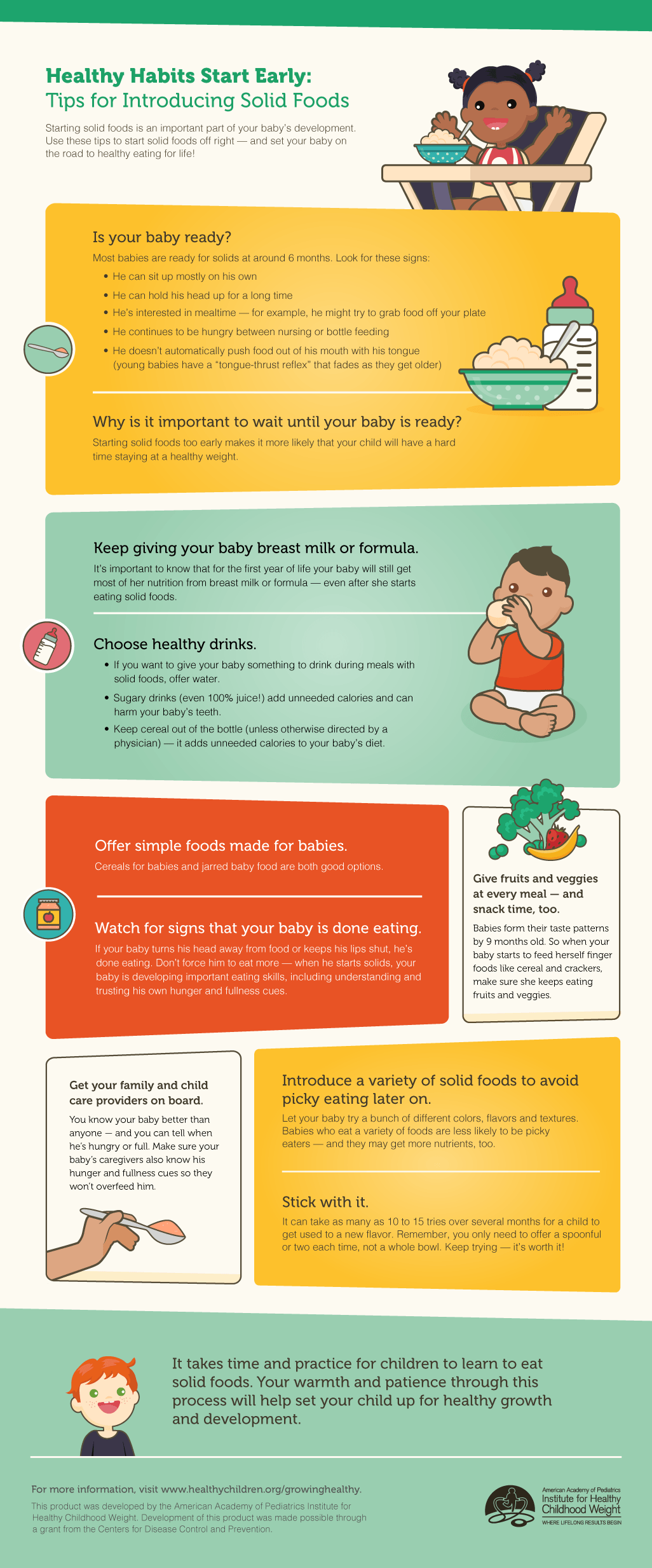
The best time to begin a baby food introduction guide is usually around 6 months, when most babies are developmentally ready for solids. Age matters, but readiness matters more. A baby who can sit with support, hold their head steady, and show interest in food is usually giving you the green light.
Common readiness signs include:
- Sitting up with little support
- Good head and neck control
- Opening the mouth when food comes near
- Losing the tongue-thrust reflex, which pushes food out automatically
- Showing curiosity at mealtimes
From experience, I’ve found that many parents worry they are “late” or “early.” The truth is, babies develop on their own schedule. If your baby is not ready yet, waiting a little longer is better than pushing too soon.
Breast milk or infant formula should still remain the main source of nutrition in the first year. Solids are a learning step at first, not a race to replace milk feeds.
What a Baby Food Introduction Guide Should Include
A complete baby food introduction guide should cover safety, texture, timing, and variety. It should also help you stay calm when meals are messy or your baby refuses a food on the first try. That happens a lot, and it is normal.
A practical guide should include:
- Signs of readiness
- First foods to try
- Safe textures for each stage
- How to introduce allergens
- Foods to avoid
- Portion sizes and feeding frequency
- How to watch for reactions
One thing I tell parents is this: think of baby food introduction like learning to swim. You start in the shallow end, keep things simple, and build confidence step by step. Babies need time to explore smell, texture, and taste before they eat larger amounts.
Best First Foods for Babies
The best first foods are soft, easy to swallow, and rich in iron and nutrients. Iron is especially important because a baby’s natural stores begin to drop around 6 months. This is one reason many pediatric experts recommend iron-rich foods early.
Good first foods include:
- Iron-fortified infant cereal
- Pureed meat like chicken or turkey
- Pureed beans or lentils
- Pureed sweet potato
- Mashed avocado
- Pureed pear or apple
- Soft cooked carrot or squash
- Full-fat plain yogurt, if dairy is already appropriate and tolerated
I have seen many babies do well when parents start with simple foods and do not overthink the menu. A first spoonful does not need to be perfect. It just needs to be safe, soft, and familiar enough for the baby to practice.
Try one new food at a time, then wait a few days before adding another. That makes it easier to spot allergies or tummy trouble.
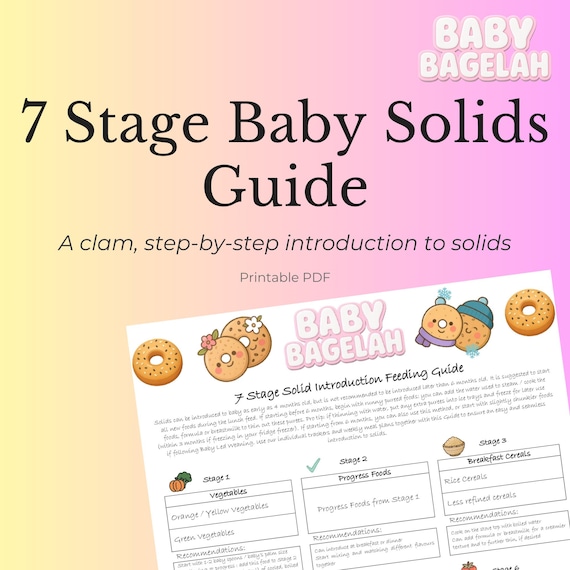
How to Introduce Baby Food Step by Step
A good baby food introduction guide should make the process feel easy, not overwhelming. Start slowly and let your baby lead the pace whenever possible.
Here is a simple step-by-step approach:
-
Start with one meal a day
- Many families begin with breakfast or lunch so they can watch for reactions during the day.
-
Offer a small amount
- One to two teaspoons is enough at first.
-
Use a smooth texture
- Thin purees or mashed foods are easiest in the early stage.
-
Watch your baby’s cues
- Leaning forward, opening the mouth, and reaching for food are good signs.
- Turning away or sealing the mouth usually means “I’m done.”
-
Repeat foods often
- A baby may need many tries before accepting a food.
-
Increase slowly
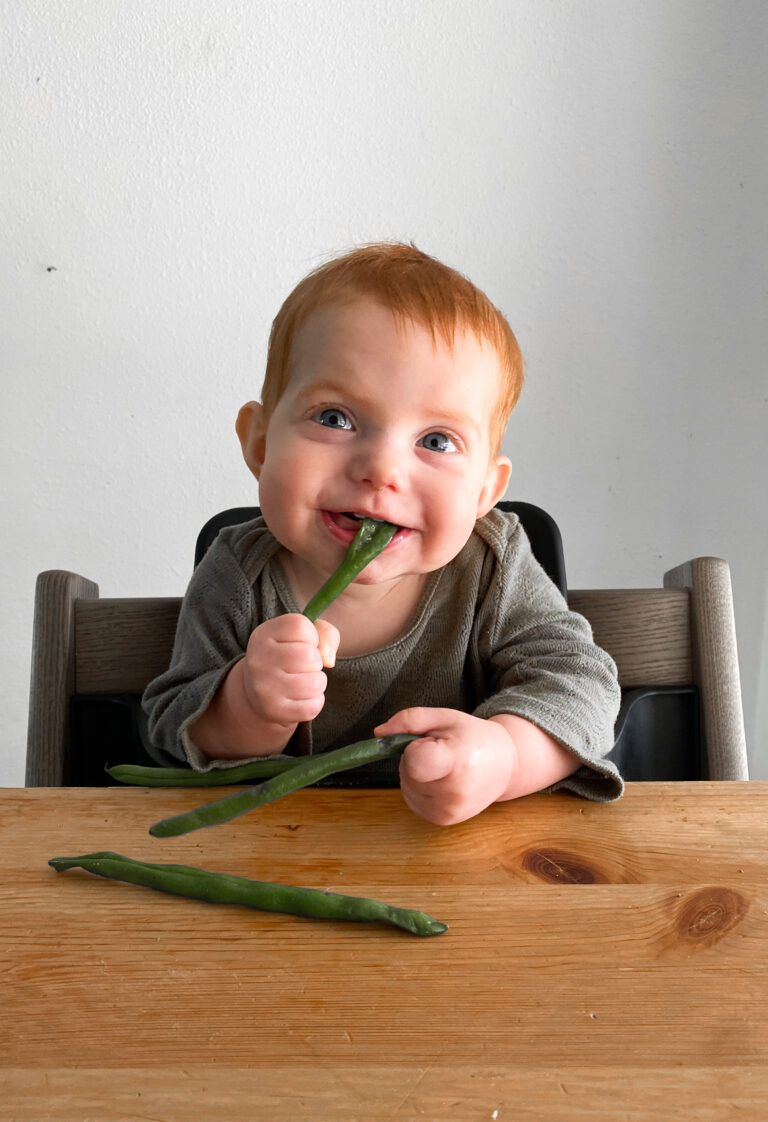
- As skills improve, move from purees to thicker textures and soft finger foods.
A small but important lesson: do not measure success by how much gets swallowed. Early meals are mostly about learning. Babies learn by touching, tasting, smearing, and spitting too.
Allergen Introduction and Food Safety
Allergen introduction is one of the most important parts of a baby food introduction guide. Current expert guidance often supports introducing common allergens early, once your baby is ready for solids, because delaying may not lower allergy risk. That said, it should be done carefully and in age-appropriate form.
Common allergens include:
- Peanut
- Egg
- Milk
- Wheat
- Soy
- Sesame
- Fish
- Shellfish
- Tree nuts
Safe ways to introduce allergens:
- Offer a tiny amount first
- Mix it into a familiar food
- Choose smooth forms, such as thinned peanut butter or well-cooked scrambled egg
- Introduce during the day when you can observe your baby
- Wait a few days before trying another new allergen
Food safety matters just as much as nutrition. Avoid choking risks by keeping foods soft, smooth, and appropriately cut. Whole nuts, popcorn, grapes, raw apple chunks, and hot dog rounds are unsafe for young babies.
If your baby has severe eczema or a known food allergy, it is smart to talk with your pediatrician before introducing high-risk allergens. That extra caution can make a real difference.
Texture Progression by Age and Skill
Texture is where many parents get stuck, but it does not need to be confusing. A solid baby food introduction guide should explain how to move from smooth foods to lumpier and then more varied textures.
Typical texture progression looks like this:
- Around 6 months: smooth purees and mashed foods
- Around 7 to 8 months: thicker purees and soft lumps
- Around 9 months: soft finger foods and chopped soft foods
- Around 10 to 12 months: more family foods with safe modifications
Examples of texture changes:
- Start with smooth sweet potato puree
- Move to mashed sweet potato with tiny soft lumps
- Then offer small soft cubes of cooked sweet potato
This progression helps build oral motor skills. It also reduces the chance that a baby becomes stuck only wanting smooth foods. In my experience, babies who are gently exposed to texture early often adjust more easily later.
Foods to Avoid in the First Year
A strong baby food introduction guide should be clear about unsafe foods. Some foods are hard to chew, may cause choking, or can be harmful for infants.
Avoid the following in the first year:
- Honey, due to botulism risk
- Cow’s milk as a main drink before age 1
- Whole nuts and large nut pieces
- Popcorn
- Hard raw vegetables
- Grapes, cherry tomatoes, and similar round foods unless cut safely
- Sticky spoonfuls of nut butter
- Unpasteurized foods
- Added salt and added sugar in excess
It is also wise to limit highly processed snacks. Babies do not need salty crackers or sweet desserts to learn to eat. Their taste buds are still forming, and simple foods help them learn what real food tastes like.
How Much to Feed at First
At the beginning, the amount of food matters less than the experience. Your baby may eat only a few bites, or none at all, and that can still be a successful meal.
A simple starting pattern:
- 1 meal a day at first
- 1 to 2 teaspoons of food
- Slowly work up to 2 to 3 meals a day
- Let appetite guide the amount
A helpful rule is to let babies decide how much to eat, while adults decide what food is offered and when. This supports healthy eating habits and reduces pressure at the table.
Do not worry if milk feeds seem to change a bit. Some babies will drink slightly less as solids increase, but breast milk or formula still matters a lot during the first year.
Common Mistakes to Avoid
Even a good baby food introduction guide should talk about the missteps people make. These are very common, and they are easy to fix.
Mistakes I see often:
- Starting solids too early
- Offering too much food too soon
- Adding salt, sugar, or seasonings meant for adults
- Ignoring signs of fullness
- Forcing bites when the baby is done
- Introducing many new foods at once
- Relying only on fruit purees and skipping iron-rich foods
One mistake I made early in my own experience was assuming babies would love sweet foods more than savory ones. Some do, but many accept mild vegetables, lentils, and meats just fine when they are offered calmly and often. Repetition helps more than fancy recipes.
Sample Baby Food Introduction Schedule
A simple schedule can make the whole process feel less chaotic. You do not need a rigid plan, but having a rough rhythm helps.
Here is an example:
-
Week 1
- Offer one smooth food once a day
- Try iron-fortified cereal, sweet potato, or pear
-
Week 2
- Add a second meal if your baby seems interested
- Include another single-ingredient food
- Begin introducing one common allergen in a safe form
-
Weeks 3 to 4
- Add thicker textures
- Mix foods already tolerated
- Include soft finger foods if your baby is ready
-
Month 2 and beyond
- Offer more variety
- Increase meal frequency
- Move toward family-style foods with safe texture changes
Flexibility is key. Some babies need more time with purees, while others move quickly to finger foods. The best baby food introduction guide is the one that fits your baby, not someone else’s timeline.
Signs Your Baby Is Eating Well
A baby does not need to empty the bowl to be doing well. Progress often looks small at first.
Positive signs include:
- Curious interest in food
- Tolerating new textures
- Opening the mouth for the spoon
- Improved hand-to-mouth coordination
- Regular wet diapers and steady growth
- Accepting a wider range of foods over time
It is normal for some days to go better than others. Babies, like adults, have moods. Teething, tiredness, or a growth spurt can all affect appetite.
When to Talk to a Pediatrician
A baby food introduction guide should also tell you when to get help. Most babies do well with a gradual approach, but some need extra guidance.
Call your pediatrician if your baby:
- Chokes often or has trouble swallowing
- Has vomiting, hives, swelling, wheezing, or rash after eating
- Refuses almost all solids for a long time
- Has poor weight gain
- Has severe eczema or a known allergy risk
- Seems very uncomfortable during meals
Trust your instincts. If something feels off, it is better to ask than to wait. Pediatricians can help you tell the difference between normal adjustment and a real problem.
Frequently Asked Questions
What is the best first food for a baby?
Iron-rich foods are often the best place to begin, such as iron-fortified cereal, pureed meat, or mashed beans. Many babies also do well with soft fruits and vegetables, but iron should stay high on the list.
How many times a day should I feed my baby solids?
Most babies start with one solid meal a day and then slowly move to two or three as they get older. Milk still provides most nutrition in the first year, so solids begin as practice and exploration.
Can I introduce allergens before one year?
Yes, many experts support introducing common allergens once your baby is ready for solids. It should be done in a safe form and with attention to any reaction, especially if your baby has eczema or allergy risk.
Should I start with puree or baby-led weaning?
Either can work, and many families use a mix of both. The most important thing is that the food is safe, age-appropriate, and matches your baby’s motor skills.
What if my baby refuses a new food?
That is very normal. Babies often need many tries before they accept a flavor or texture, so keep offering the food calmly without pressure.
Conclusion
A thoughtful baby food introduction guide gives you a clear path from those first tiny bites to a wider, healthier diet. Start when your baby shows readiness, choose simple and safe foods, introduce allergens carefully, and move through textures at a steady pace. Most of all, remember that learning to eat is a process, not a performance.
If you stay patient and flexible, mealtimes will become easier and more rewarding for both of you. Keep learning, keep observing your baby’s cues, and trust the process one spoonful at a time. If this guide helped you, explore more feeding tips and share your own experience in the comments.