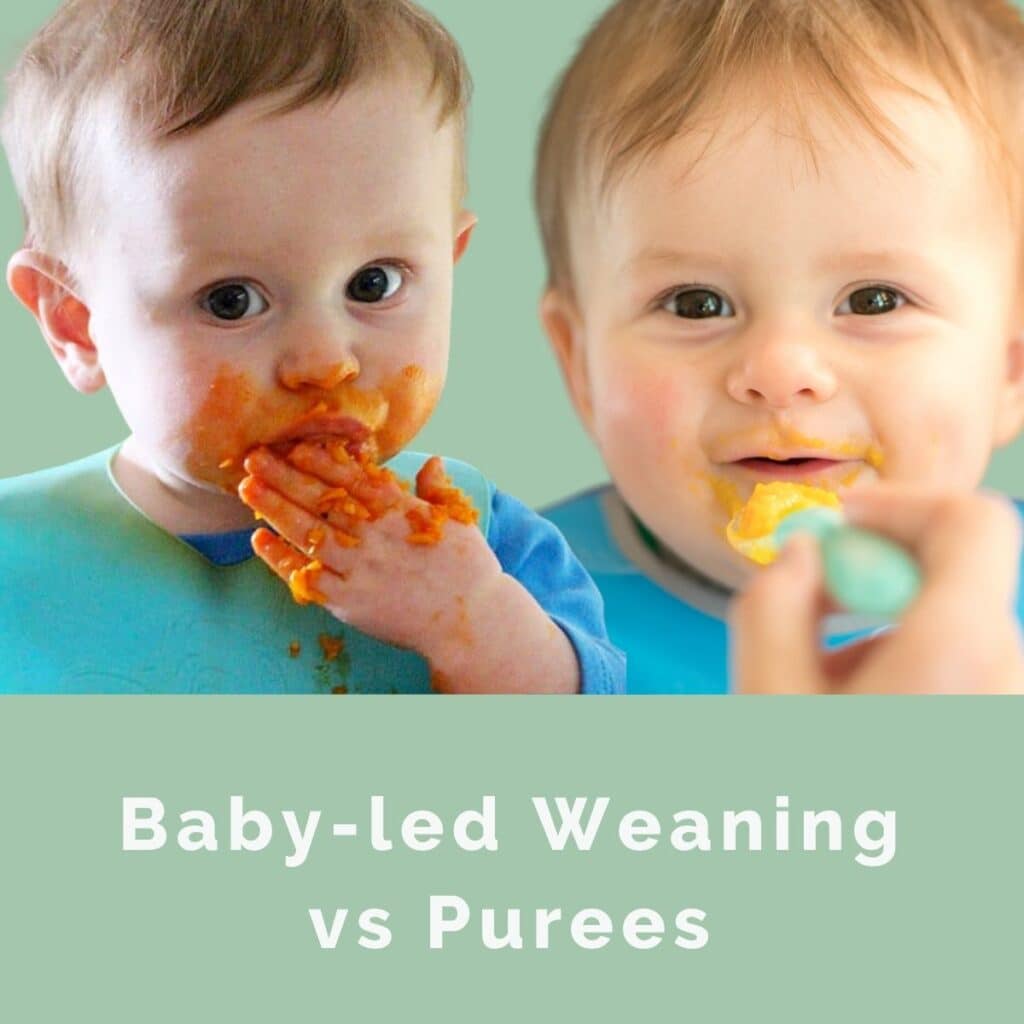
Baby-led weaning emphasizes self-feeding while spoon feeding relies on caregiver-led purees and spoon work.
I have worked with parents, pediatricians, and nutrition programs to guide families through the real differences between baby led weaning vs spoon feeding. This article breaks down each method, compares benefits and risks, and gives clear, practical steps so you can pick—or combine—the approach that fits your baby and family. Read on for evidence, safety tips, sample meals, and honest real-life advice from someone who has tested both methods with infants.

Understanding baby led weaning vs spoon feeding
Baby led weaning vs spoon feeding are two ways to introduce solids. Baby led weaning (BLW) lets babies self-feed finger foods from the start. Spoon feeding uses purees and spoon support. Both aim to help babies eat varied foods, learn textures, and meet nutrition needs.
Key differences at a glance
- Baby led weaning lets babies control what and how much they eat.
- Spoon feeding gives caregivers more control over texture, portion, and timing.
- BLW emphasizes whole foods and family meals. Spoon feeding often starts with smooth purees then moves to lumpy textures.
Why the difference matters
- Feeding method affects motor skills, self-regulation, and exposure to textures.
- The right choice depends on your baby’s development, family rhythm, and nutrition needs.
Benefits of baby led weaning
Baby led weaning offers several strengths for babies and families.
- Supports motor skills and coordination as babies pick up and bite food.
- Encourages self-regulation of appetite, which may help with healthy eating habits.
- Makes family meals inclusive, so babies copy adults’ eating behaviors.
- Introduces a range of textures early, which can reduce picky eating later.
Practical wins
- No daily pureeing work for caregivers.
- Easy to offer safe pieces of what the family is eating.
- Good for babies who prefer chewing and exploring.
Benefits of spoon feeding
Spoon feeding also has important advantages, especially early on.
- Allows precise control of iron-rich purees and fortified cereals.
- Easier to ensure babies get needed calories and nutrients at the start.
- Helps infants who need a gentler texture or who are slow to progress to solids.
- Good for parents who like routine and measurable portions.
Practical wins
- Works well for small or late-eating babies.
- Safer if you are worried about choking and prefer to introduce textures slowly.
- Lets caregivers introduce hypoallergenic foods carefully.

Risks, safety, and nutrition concerns
When comparing baby led weaning vs spoon feeding, safety and nutrition matter most.
Choking versus gagging
- Gagging is normal and protects the airway. Gagging often decreases with practice.
- Choking is rare but real. Learning how to respond to choking is essential for parents using either method.
Iron and key nutrients - Babies need iron-rich foods at the start. Spoon feeding makes it easy to offer iron-fortified cereals or pureed meats.
- BLW can provide iron too, but caregivers must plan for foods like soft-cooked meat, lentils, and iron-fortified options.
Allergies and food introduction - Early introduction of allergenic foods is recommended for many babies. Both methods can introduce allergens safely if done under recommended protocols.
Safety tips for either method - Always supervise meals.
- Offer age-appropriate textures and sizes.
- Learn infant CPR and choking response.

How to start: step-by-step for each method
Starting safely helps both methods succeed.
Starting baby led weaning
- Confirm developmental signs: sits well, good head control, shows interest in food.
- Offer soft, graspable pieces: steamed carrot sticks, banana halves, strips of avocado.
- Let baby explore, touch, and bite. Expect a lot of mess and slow progress.
- Prioritize iron-rich finger foods: soft meats, mashed beans, tofu pieces.
Starting spoon feeding
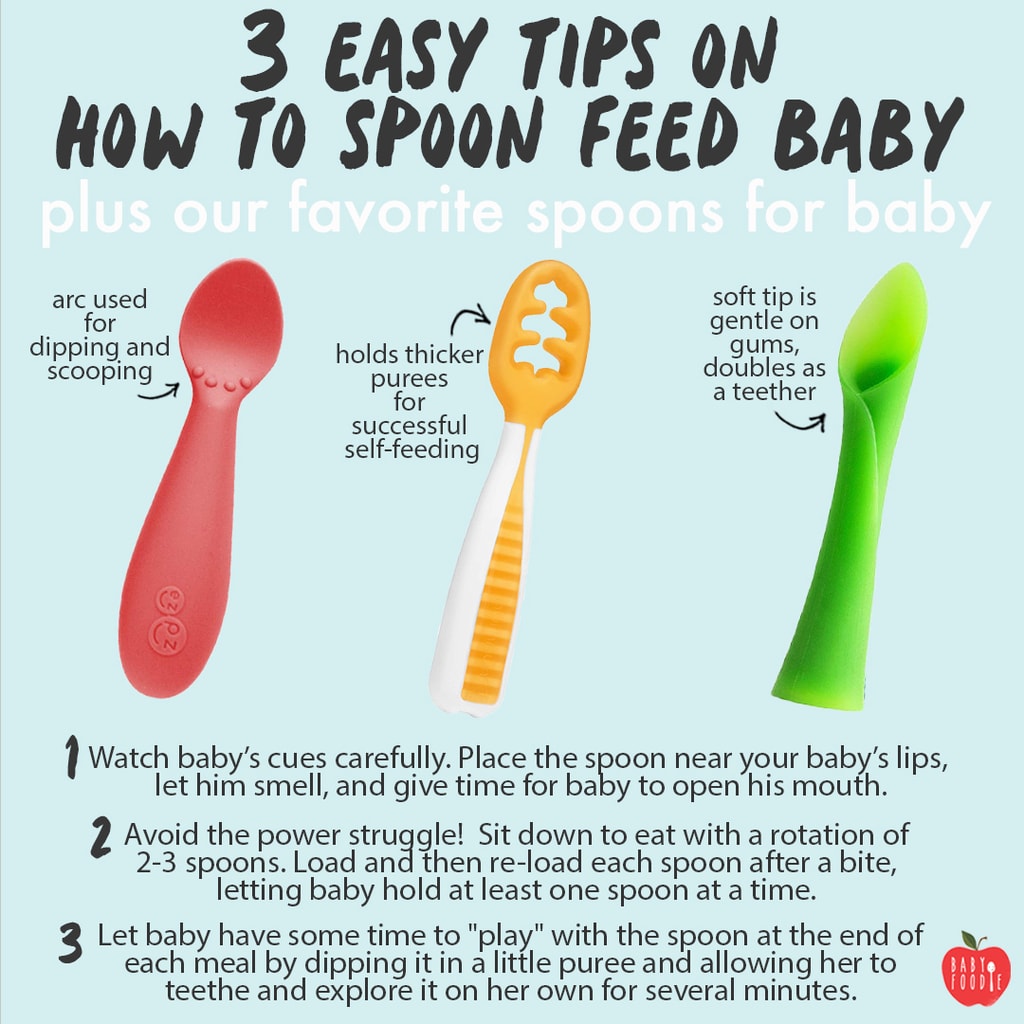
- Begin with iron-rich purees or fortified cereal mixed to a thin, runny texture.
- Use a small spoon and offer small tastes three times a day.
- Gradually thicken texture and introduce lumpier purees.
- Move to mashed and soft fork-mashed family foods as skills develop.
Transition tips
- Combine both methods: offer a spoonful of puree plus finger foods at the same meal.
- Watch your baby’s cues: turning head away means enough. Open mouth means offer more.
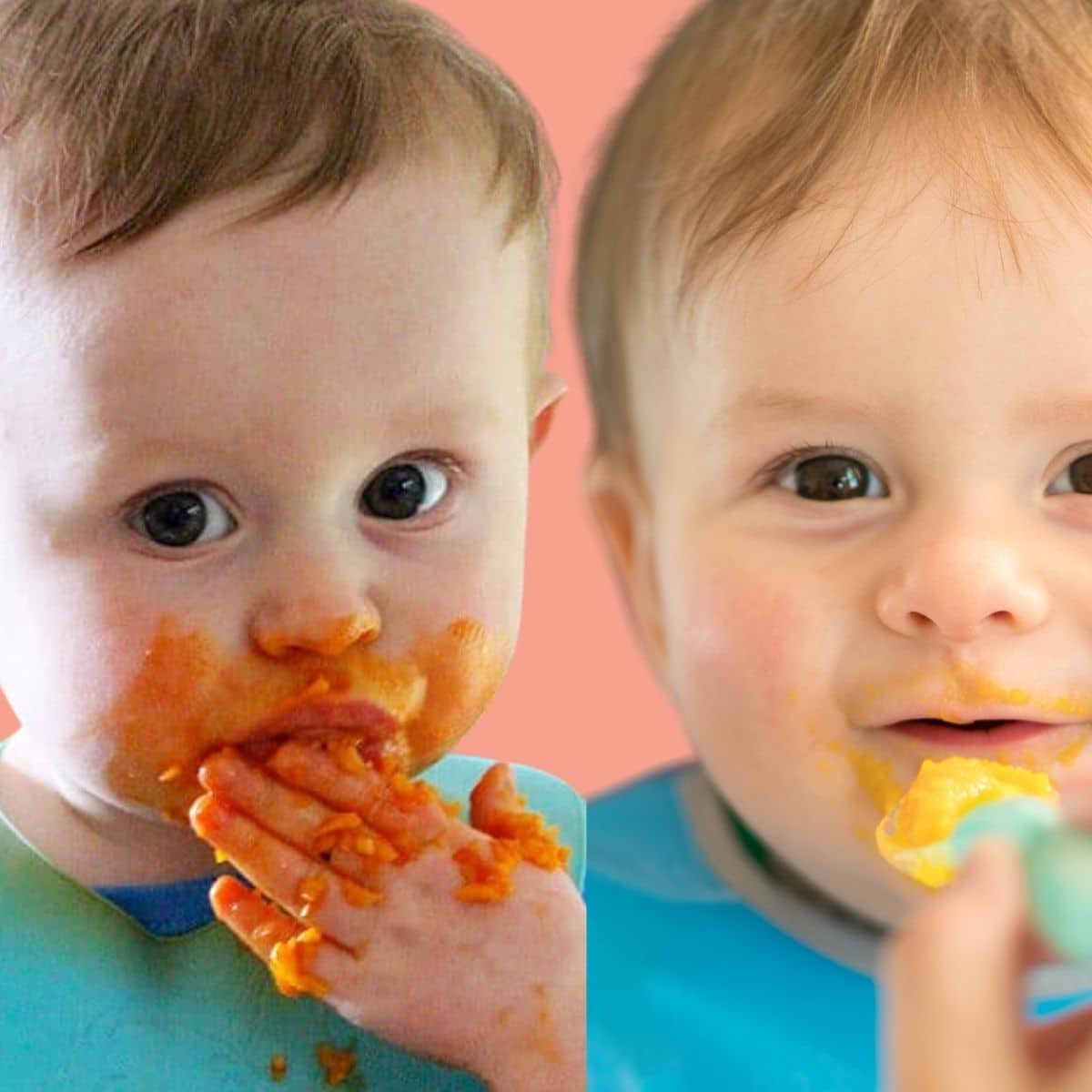
Combining baby led weaning vs spoon feeding: flexible approaches
You do not have to pick only one method. Many families blend both.
Ways to combine
- Offer a spoonful of iron-rich puree along with soft finger foods.
- Use spoon feeding for new or high-risk foods, then let baby self-feed once they adapt.
- Start with spoon feeding for a few weeks, then add BLW-style finger foods.
Benefits of a hybrid approach - Covers nutrient gaps while teaching self-feeding skills.
- Reduces stress for caregivers who worry about choking or mess.
- Fits varied schedules and cultural meal patterns.

Personal experience and practical tips
I guided several families through baby led weaning vs spoon feeding. Here are lessons I learned.
What worked
- Offering one iron-rich puree daily with family finger foods boosted nutrient intake and curiosity.
- Making meals a calm, social time helped babies copy chewing and swallowing.
Common mistakes - Expecting fast progress. Babies need weeks to learn textures.
- Skipping iron-rich options when using BLW. That led to poor energy and slower growth in one case I saw.
Quick tips - Keep meal times short and positive.
- Use soft silhouettes of foods—long strips and wedges are easier for grasping.
- Keep a towel handy. Mess is part of learning.

Evidence, studies, and expert opinion
Research on baby led weaning vs spoon feeding shows mixed but useful findings.
What studies indicate
- BLW can improve fine motor control and may reduce picky eating in some kids.
- Spoon feeding can ensure better early iron intake and predictable caloric intake.
What experts say - Pediatric guidelines stress safety, iron, and readiness signs over strict method rules.
- Many experts recommend a flexible approach tailored to the infant’s needs.
Limitations in the evidence - Long-term differences are small and influenced by family diet and feeding style.
- Studies vary in quality and may not reflect all cultural contexts.

Sample first-week meal plans and simple recipes
Here are easy examples to try. Rotate foods and watch for cues.
Baby led weaning first week (sample)
- Day 1: Soft-cooked carrot stick and a slice of ripe banana.
- Day 3: Avocado wedge and small strips of soft-cooked sweet potato.
- Day 5: Soft-cooked salmon flakes and pea mash.
Spoon feeding first week (sample) - Day 1: Iron-fortified cereal mixed with breastmilk or formula, thin consistency.
- Day 3: Pureed pear and mashed banana spoon-fed.
- Day 5: Pureed lentils or smooth pureed chicken mixed with veg.
Simple recipe ideas - Soft veggie stick: Steam carrot or zucchini until soft, cool, and serve whole.
- Iron-rich puree: Blend cooked lentils with a little oil and mild spices.
- Mixed texture mash: Mash cooked potato with cooked peas—serve with finger pieces.
People also ask
What age is best to start baby led weaning vs spoon feeding?
- Most babies show readiness around 6 months. Look for good head control and interest in food.
Is baby led weaning riskier for choking?
- Gagging is common in BLW but choking is rare. Proper food prep and supervision reduce risk.
Can I switch from spoon feeding to baby led weaning later?
- Yes. You can introduce finger foods at any time once the baby is developmentally ready.
Frequently Asked Questions of baby led weaning vs spoon feeding
What if my baby gags during baby led weaning?
Gagging is a normal reflex that helps protect the airway. Stay calm, sit upright, and allow the baby to manage small coughs while you supervise closely.
When should I introduce allergenic foods using either method?
Introduce allergenic foods around 6 months, but follow pediatric guidance for babies with high allergy risk. Offer small amounts and watch for reactions.
How do I ensure my baby gets enough iron with baby led weaning?
Include soft-cooked meats, lentils, beans, tofu, and iron-fortified cereals regularly. Offer vitamin C–rich foods alongside to help iron absorption.
Is weight gain different between baby led weaning vs spoon feeding?
Weight gain usually depends more on overall diet and calories than method. Monitor growth with your pediatrician for personalized advice.
Can twins or preemies do baby led weaning?
They can, but readiness varies. Preemies may reach milestones later. Always follow developmental signs and consult your pediatrician.
Conclusion
Choosing between baby led weaning vs spoon feeding is less about right or wrong and more about fit. Both paths can lead to healthy, adventurous eaters when you plan for iron, safety, and steady exposure to textures. Try a flexible approach: offer iron-rich spoon-fed options and safe finger foods during family meals. Start slow, stay calm, and trust your baby’s cues. If you found this helpful, subscribe for meal ideas, share your experiences below, or leave a question so we can help you plan the next step.