Most babies start teething around 6 months, but it can begin anywhere from 3 to 12 months.
If you are asking when do babies start teething, you are probably seeing drool, fussiness, or tiny gum bumps and wondering what is normal. In my experience, this stage can feel confusing at first, but once you know the usual timeline and signs, it gets much easier to handle with calm and confidence.
When Do Babies Start Teething?
Most babies start teething around 6 months old, though some begin earlier and others later. That wide range is completely normal. Teething is not a race, and a baby who starts at 4 months is not more “advanced” than one who starts at 10 months.
The first teeth to come in are usually the lower front teeth, called the lower central incisors. After that, the upper front teeth often appear next. In many families I have worked with, the first clue was not the tooth itself but the change in behavior: more chewing, more drooling, and a baby who suddenly wanted every toy in sight in their mouth.
Teething is part of a child’s natural development, but it is not always the same for every baby. Genetics, growth pace, and even family patterns can all play a role in when do babies start teething.
What Teething Usually Looks Like
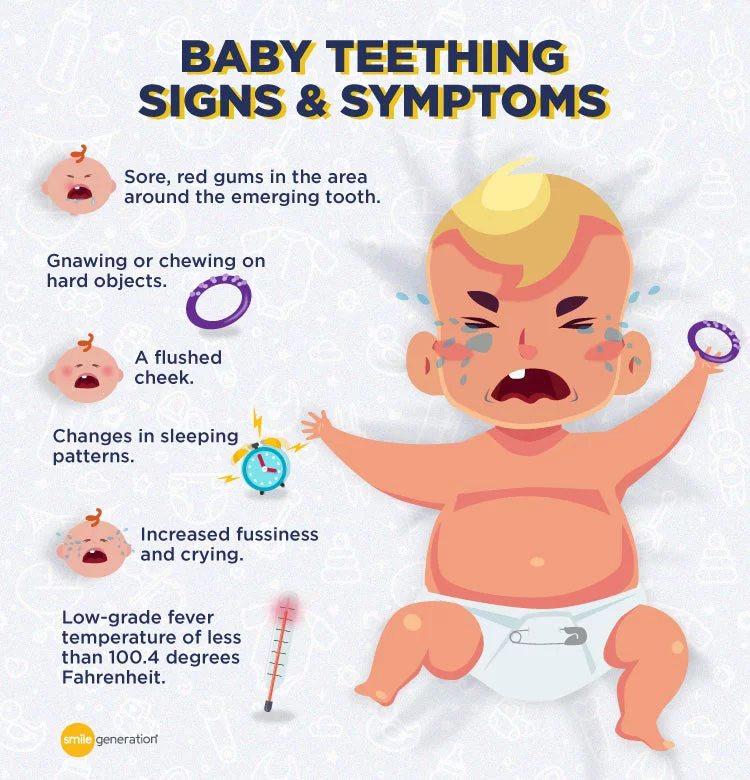
Teething can show up in small ways before you see an actual tooth. Some babies seem only mildly bothered, while others act like their whole day is off. The signs can come and go, which can make parents second-guess what is going on.
Common teething signs include:
- More drooling than usual
- Chewing on fingers, toys, or blankets
- Fussiness or short bursts of crying
- Swollen or tender gums
- Trouble sleeping
- A mild change in eating habits
- Rubbing the face or ears
A lot of parents assume teething must cause major distress. In reality, it often causes mild discomfort, not severe illness. If your baby seems very sick, has a high fever, or is not feeding well, teething may not be the real cause.
The Usual Teething Timeline
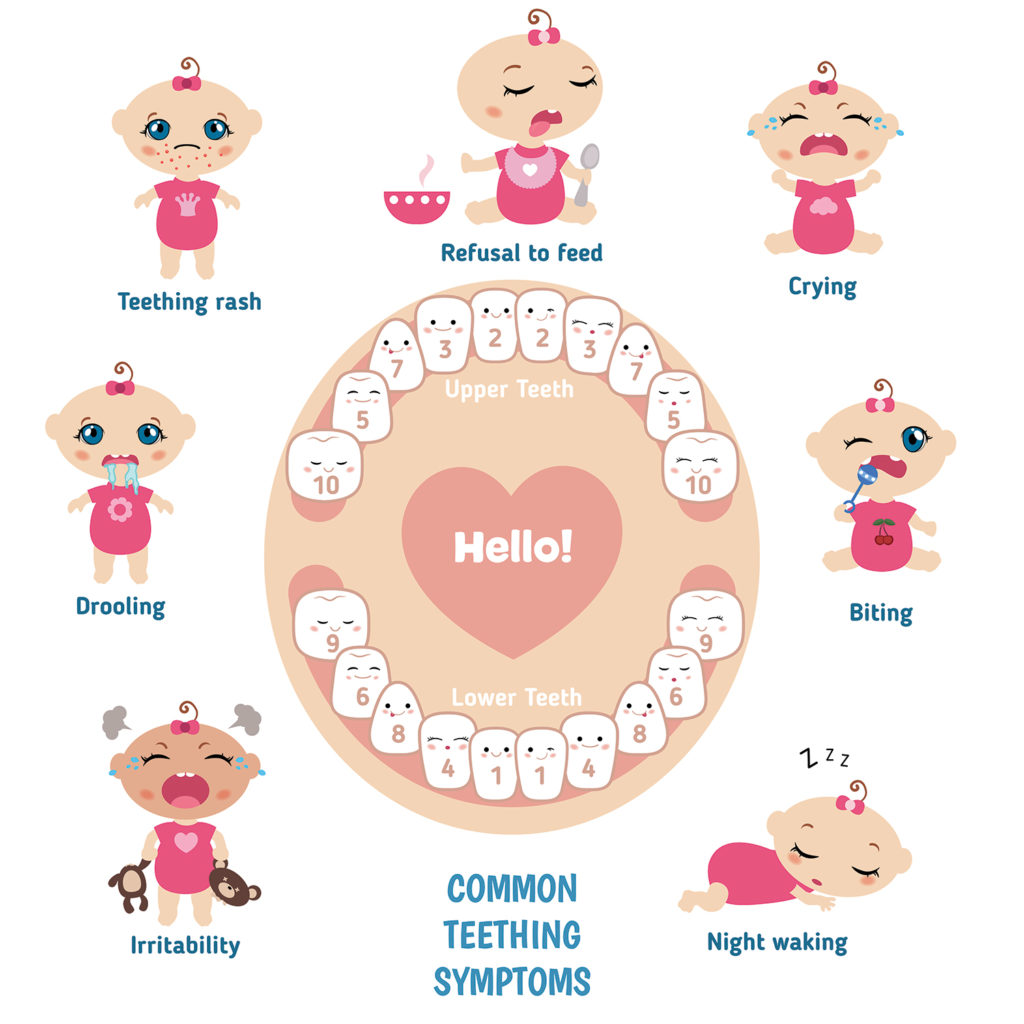
Understanding the order of baby teeth can help you know what to expect. Most children get 20 primary teeth in total, and they usually arrive in a pattern.
A common timeline looks like this:
- 6 to 10 months: lower central incisors
- 8 to 12 months: upper central incisors
- 9 to 16 months: upper and lower lateral incisors
- 13 to 19 months: first molars
- 16 to 23 months: canines
- 23 to 33 months: second molars
This timeline is only a guide. I have seen babies get several teeth close together, while others had long breaks between new teeth. Both patterns can still be normal.
Why Some Babies Start Teething Earlier or Later
There is no single reason for timing differences. In most cases, the answer is simply that babies develop at different speeds. That said, a few things can affect when do babies start teething.
Possible factors include:
- Family history
- General growth patterns
- Premature birth
- Individual developmental timing
- Normal variation in infant growth
If one parent teethed early, the baby may too. But even in the same family, siblings can have very different timelines. That is one reason experts avoid giving a strict date for when do babies start teething.
Signs It Is Teething and Not Something Else
Teething and illness can look similar at first glance, which is why many parents feel unsure. Drooling and chewing are classic teething signs, but fever, diarrhea, and poor feeding need closer attention. Teething may explain some irritability, but it should not be used to dismiss every symptom.
Teething is more likely when:
- Your baby is drooling and chewing a lot
- The gums look puffy or red
- Symptoms come and go
- Your baby otherwise seems well
Call your pediatrician if your baby has:
- A fever over 100.4°F in an infant under 3 months
- A high fever at any age
- Vomiting or diarrhea
- Trouble breathing
- Refusal to drink
- Signs of dehydration
- Extreme sleepiness or weakness
A simple rule I have learned over time is this: mild discomfort can fit teething, but major illness usually does not.
Safe Ways to Comfort a Teething Baby
Comfort matters most during teething. Babies do best with simple, safe support. You do not need fancy products to help.
Helpful ways to soothe a teething baby include:
- Offer a clean, cold teething ring
- Give a cold, damp washcloth to chew
- Gently rub the gums with a clean finger
- Use a chilled spoon for short periods
- Offer extra cuddles and calm routines
- Keep feeds steady if your baby wants to nurse or take a bottle more often
One mistake I often see is parents reaching for numbing gels too quickly. Many of those products are not recommended for babies, especially without a doctor’s advice. Safer methods are usually enough for most teething discomfort.
What to Avoid During Teething
Not every popular teething fix is a good idea. Some products and habits can be risky, even if they are marketed as baby-friendly.
Avoid:
- Teething necklaces or amber beads
- Frozen teething toys that are rock hard
- Numbing gels unless a doctor tells you to use them
- Putting sugar or honey on gums
- Giving pain medicine without checking the right dose
- Leaving a baby alone with any teething object
Choking and strangulation risks are real with jewelry-style teething products. Safety should come first, even when you are tired and just want relief for your baby.
When to Call the Doctor
Most teething is manageable at home. Still, there are times when medical advice is the smart move. Trust your instincts if something feels off.
Reach out to a doctor if:
- Your baby is under 3 months and seems unwell
- Your baby has a fever that does not fit mild teething
- Gums are very swollen, bleeding, or infected
- Your baby will not eat or drink
- Symptoms are severe or last too long
- You notice delayed tooth eruption along with other concerns
I always tell parents that it is better to ask a simple question than to worry for days. Pediatricians deal with this kind of concern all the time, and reassurance can be just as valuable as treatment.
How Teething Affects Sleep and Feeding
Teething can interrupt sleep for a few nights, especially when a tooth is close to breaking through. Babies may wake more often, want extra comfort, or seem harder to settle. This does not mean anything is wrong.
Feeding can also change a little. Some babies want to nurse more for comfort, while others are briefly less interested because sucking feels sore. Keeping a calm routine and offering smaller, more frequent feeds can help.
If sleep problems become constant or feeding drops sharply, teething may not be the only issue. That is when it helps to look at the bigger picture.
Personal Take: What I Have Learned From Real-Life Teething Moments
From the families I have supported, the hardest part is usually not the tooth itself. It is the uncertainty. Parents want to know whether the crying, drool, or sleep changes are normal, and that question can make even a calm person nervous.
One thing I learned early is that teething looks dramatic but is often short-lived. A baby may seem miserable for a day or two, then act completely fine. That pattern taught me to focus on comfort, not panic.
Another lesson is to keep things simple. Cold washcloths, gentle gum massage, and routine usually work better than complicated products. When do babies start teething is important, but knowing how to respond calmly matters just as much.
How to Prepare for Teething Before It Starts
You cannot stop teething, but you can get ready for it. A little preparation can make those first days easier for everyone in the house.
A simple prep list:
- Buy a few safe teething toys
- Keep clean washcloths ready in the fridge
- Learn the signs of normal teething
- Save your pediatrician’s contact info
- Ask about safe pain relief before you need it
Prepared parents tend to feel less overwhelmed. I have seen that small bit of planning turn a stressful week into a manageable one.
Frequently Asked Questions
When do babies start teething most often?
Most babies start teething around 6 months old. Some begin as early as 3 months, while others do not get their first tooth until after their first birthday.
Can teething start at 2 months?
It is less common, but some babies show early teething signs around 2 months. If your baby seems very uncomfortable or has other symptoms, it is a good idea to check with a pediatrician.
How long does teething last?
Teething can come and go from the first tooth until the last baby tooth appears, usually by age 2 or 3. The discomfort from each tooth often lasts only a few days at a time.
Does teething cause fever?
Teething may cause a slight rise in temperature, but it should not cause a high fever. If your baby has a real fever, especially with other symptoms, contact a doctor.
What is the first tooth to come in?
The lower front teeth are usually the first to appear. These are called the lower central incisors, and they often show up between 6 and 10 months.
Should I brush my baby’s teeth during teething?
Yes, once teeth appear, you should start cleaning them gently. Use a soft baby toothbrush and a tiny smear of fluoride toothpaste if your pediatrician recommends it.
Conclusion
When do babies start teething? For most, it begins around 6 months, but normal variation is wide and healthy. The biggest clues are drooling, chewing, gum swelling, and mild fussiness, not dramatic illness.
The good news is that teething is usually temporary and manageable with safe, simple comfort measures. Keep an eye on the timeline, trust your instincts, and call your pediatrician if symptoms seem too strong or do not fit the usual pattern. If this guide helped, explore more baby care tips, share it with another parent, or leave a comment with your teething questions.