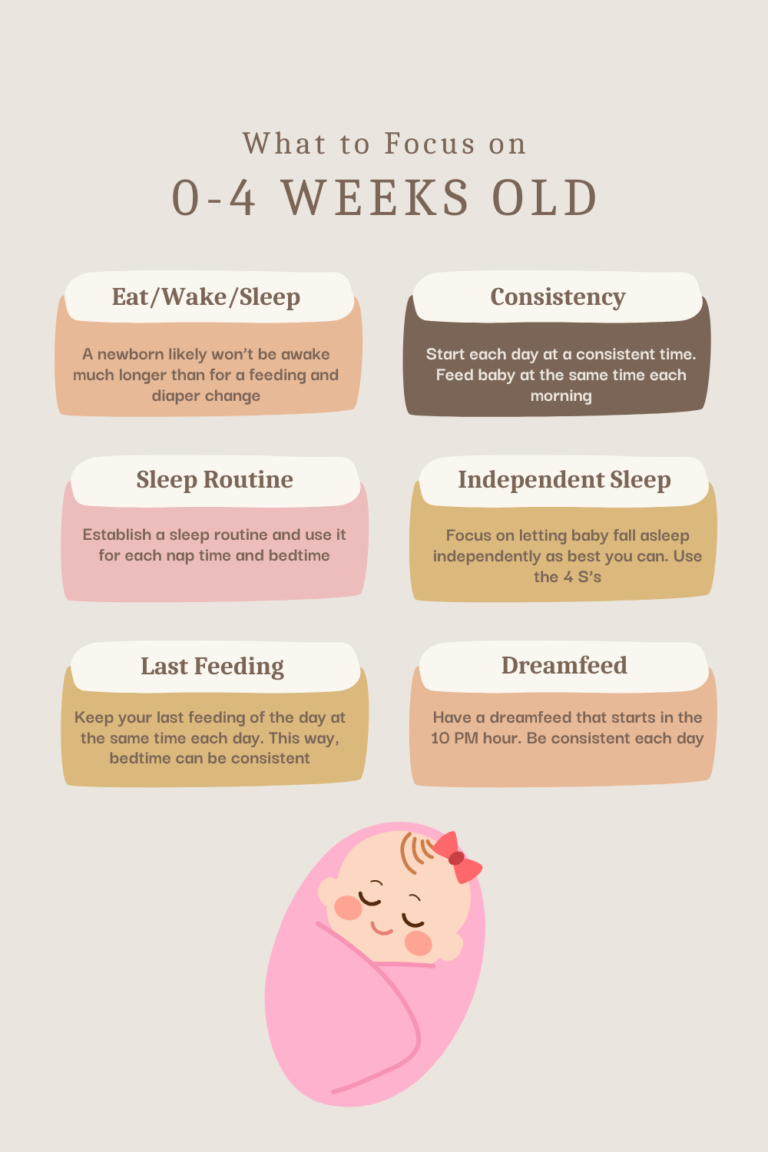
Baby sleep changes after routine disruption are common and usually improve when calm, familiar sleep cues return.
Baby sleep changes after routine disruption can feel sudden and exhausting. A late trip, illness, holiday, daylight saving shift, or new child-care schedule may turn smooth nights into frequent wakes. With a clear plan, most babies can ease back into sleep without harsh methods or perfect timing.
Why routine disruption affects baby sleep
Babies thrive on patterns. A routine helps their body learn when to feel alert and when to slow down. It works like a gentle song played each night: the same notes tell the brain that sleep is near.
When the pattern changes, several things may happen:
• Bedtime moves later than usual.
• Naps become shorter or occur at odd times.
• Feeding times shift.
• The baby sleeps in a new place.
• The baby gets more light, noise, or activity.
• A caregiver uses different soothing methods.
• Travel, sickness, or stress increases night waking.
These changes can cause baby sleep changes after routine disruption, even when the baby was sleeping well before. The issue is not always hunger or a new sleep problem. Often, the baby’s internal clock needs time to reset.
A young baby may also be going through normal development. Growth spurts, teething, learning to crawl, separation anxiety, and new sounds can affect sleep at the same time as a disrupted routine. This overlap can make the cause hard to identify.
Age matters, too. Newborns do not follow a firm schedule yet. Older babies may have stronger sleep habits and may protest when familiar steps disappear. Toddlers can remember the old routine and resist the new one.

Common signs of baby sleep changes after routine disruption
The signs may appear at bedtime, during naps, or overnight. Some babies show only one change, while others show several at once.
Common signs include:
• Taking longer to fall asleep
• Waking more often at night
• Waking very early in the morning
• Refusing a usual nap
• Taking short, restless naps
• Needing more rocking, feeding, or holding
• Crying when placed in the crib
• Becoming cheerful or playful at bedtime
• Becoming overtired by the end of the day
An overtired baby may look energetic rather than sleepy. Some babies laugh, wiggle, or fight sleep when they need rest. Their bodies may release stress hormones that make settling harder.
Baby sleep changes after routine disruption may also affect mood during the day. Your baby may seem clingy, fussy, or less able to handle normal noise. This does not mean you caused a lasting problem. It often means the baby needs extra support while the rhythm returns.
Watch the whole day rather than one difficult night. A single poor night is normal. A pattern that lasts for several days gives more useful information.
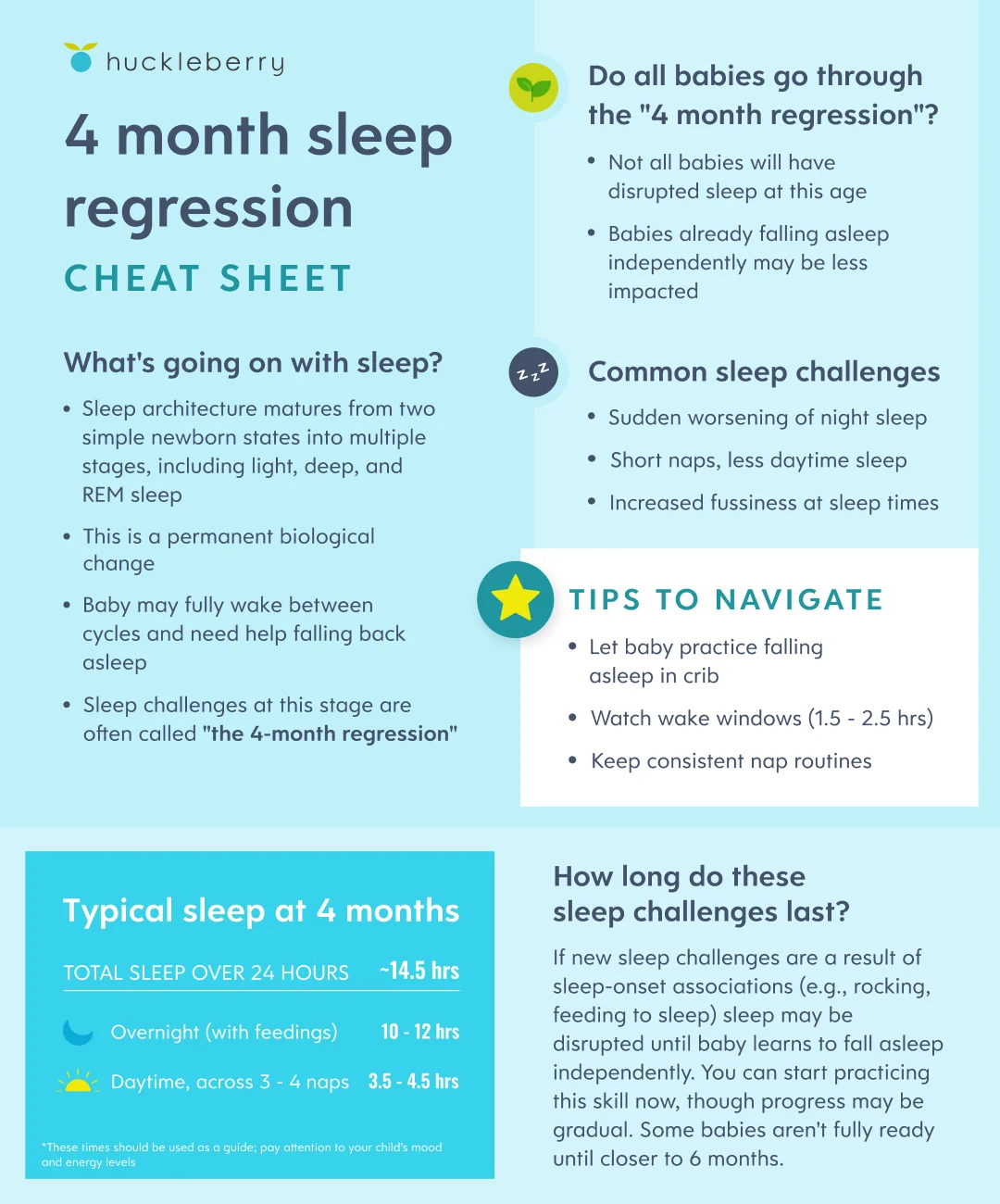
The most common causes
Routine disruption can come from simple daily events. It does not require a major life change.
Travel and sleeping away from home
A new room has different light, sounds, smells, and sleep surfaces. Even a familiar travel crib may feel unusual at first. Time-zone changes can also confuse the body clock.
Illness and recovery
A cold, fever, cough, or ear pain can interrupt sleep. Babies may need more comfort while they recover. Sleep may remain unsettled for a few days after the main symptoms improve.
Daylight saving time
A one-hour clock shift can change naps and bedtime. Most babies adjust gradually. Morning light and a steady wake time can help the body clock adapt.
Holidays and family events
Busy gatherings often lead to missed naps and late bedtimes. The extra stimulation can make it hard for a baby to calm down. Even happy events can create tiredness.
Child-care changes
A new caregiver or room may alter nap length and timing. Ask what happened during the day, but avoid blaming the caregiver. Babies often need a short adjustment period.
Developmental changes
Rolling, sitting, crawling, standing, and new language can make sleep less steady. A baby may practice a new skill in the crib instead of settling.
Changes at home
Moving, a new sibling, parental work shifts, or a change in feeding can affect sleep. Babies notice changes in sound, smell, attention, and household pace.
These causes may overlap. For example, a family trip may bring a new sleep space, late naps, bright evenings, and missed feeds. This can produce stronger baby sleep changes after routine disruption than one small change alone.

How to restore sleep after a disrupted routine
A gentle reset works best when it is simple. You do not need to rebuild every part of the day at once.
1. Return to a steady morning
Choose a regular morning wake time that fits your baby’s age and needs. Open the curtains and offer natural light soon after waking. Morning light helps the body clock understand when the day begins.
Do not force a strict time if your baby is sick or very young. Use a general window instead of an exact minute.
2. Rebuild the bedtime routine
Use the same short steps each night. For example:
- Dim the lights.
- Change the diaper.
- Put on pajamas.
- Feed the baby if needed.
- Read a short book or sing.
- Use a sleep phrase.
- Place the baby in a safe sleep space.
The routine does not need to last long. Ten to 20 calm minutes may be enough. Repetition matters more than length.
3. Protect naps without chasing perfection
Offer naps at times that match your baby’s usual sleep signals. Look for yawning, staring, slower movement, rubbing the eyes, or fussing. Try not to wait until your baby is deeply overtired.
If a nap is short, keep the next part of the day calm. You may offer an earlier bedtime rather than adding many extra soothing steps.
4. Use familiar sleep cues
A sleep sack, quiet song, soft phrase, or dark room can remind your baby that sleep is coming. Use only safe items. Keep loose blankets, pillows, stuffed toys, and bumper pads out of the sleep space.
White noise may help mask household sounds. Keep it at a low level and place the device far from the crib.
5. Adjust bedtime in small steps
If bedtime moved much later, shift it earlier by about 10 to 15 minutes every day or two. A sudden change may lead to more crying or a long period of wakefulness.
Some babies adjust quickly. Others need one to two weeks, especially after travel or illness. Baby sleep changes after routine disruption do not follow one fixed timeline.
6. Respond with calm consistency
Comfort your baby in a way that fits your family. You may pat, rock, feed, hold, or sit nearby. Try to respond in a similar way each night so the baby receives a clear message.
Consistency does not mean ignoring your baby. It means using a steady plan while checking for hunger, pain, illness, or fear.
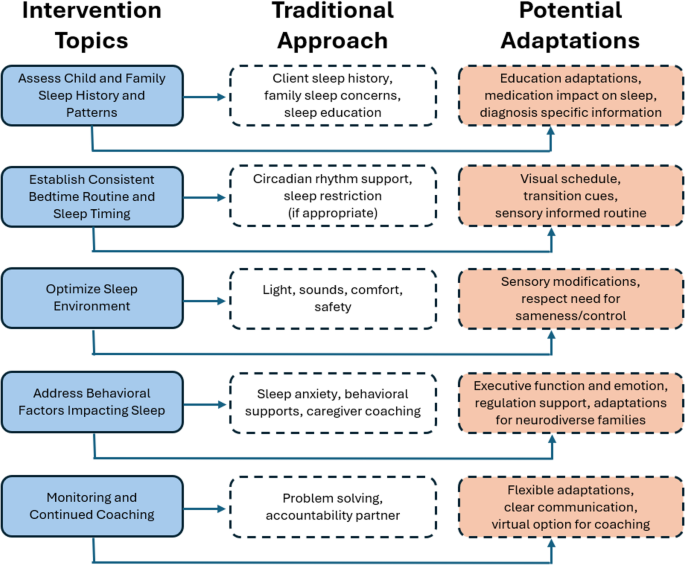
Safe sleep during a routine reset
A disrupted schedule should never lead to unsafe sleep practices. The safest sleep space is a firm, flat surface made for infant sleep, with the baby placed on their back for every sleep.
Keep these points in mind:
• Use a crib, bassinet, or portable play yard that meets current safety standards.
• Keep the sleep surface free of pillows, loose blankets, toys, and positioners.
• Share a room, but not a bed, when possible.
• Avoid couches, recliners, and adult beds for infant sleep.
• Stop swaddling when the baby shows signs of rolling.
• Use a wearable blanket instead of loose bedding.
• Avoid overheating and smoking exposure.
• Do not rely on weighted sleep products.
A car seat is for travel, not routine sleep outside the car. If your baby falls asleep during a trip, move them to a firm, flat sleep surface when you arrive.
These safety steps remain important during travel, holidays, and stressful nights. Tired caregivers may make quick choices, so prepare the sleep area before bedtime.

What to avoid after sleep disruption
Parents often try to fix everything in one night. That can create more confusion for both parent and baby.
Avoid these common mistakes:
• Changing bedtime, nap times, feeding, and soothing methods all at once
• Keeping a baby awake to “wear them out”
• Adding screens before bed
• Using unsafe sleep products
• Comparing your baby with another child
• Treating every wake as a behavior problem
• Starting a new method before giving the current plan time
• Ignoring signs of illness or pain
Keeping a baby awake usually does not create better sleep. It can lead to overtiredness, which often makes settling harder.
It also helps to separate a temporary setback from a sleep association. A baby may need extra help after travel or illness. That does not mean the support must continue forever. Once the routine is stable, you can slowly reduce extra help if you want to.
In my work with families, one pattern appears often: parents add many new steps after one bad night. The baby then becomes more alert at bedtime because the routine lasts longer and feels less predictable. A short, repeated routine is usually easier to maintain.

A practical three-day reset plan
This plan can help after a mild disruption. Change it to fit your baby’s age, health, and normal sleep needs.
Day one
Return to a familiar wake time. Offer normal feeds and naps as closely as possible. Use the usual bedtime routine, even if naps were not ideal.
Give extra comfort if needed. The goal is not perfect sleep. The goal is to restore familiar signals.
Day two
Keep morning light, meal times, naps, and bedtime fairly steady. Watch for early tired signs. If the baby had a very poor nap, consider an earlier bedtime.
Limit exciting play during the final hour before bed. Use quiet connection instead, such as reading, singing, or cuddling.
Day three
Review what improved. Perhaps the baby fell asleep faster but still woke early. Keep the parts that helped. Change only one factor at a time.
If sleep is still very difficult, look for another cause. Consider illness, hunger, pain, a room that is too warm, or a schedule that does not match your baby’s age.
Baby sleep changes after routine disruption often improve in stages. A better bedtime may come before longer naps. Fewer night wakes may come before a normal morning wake time.
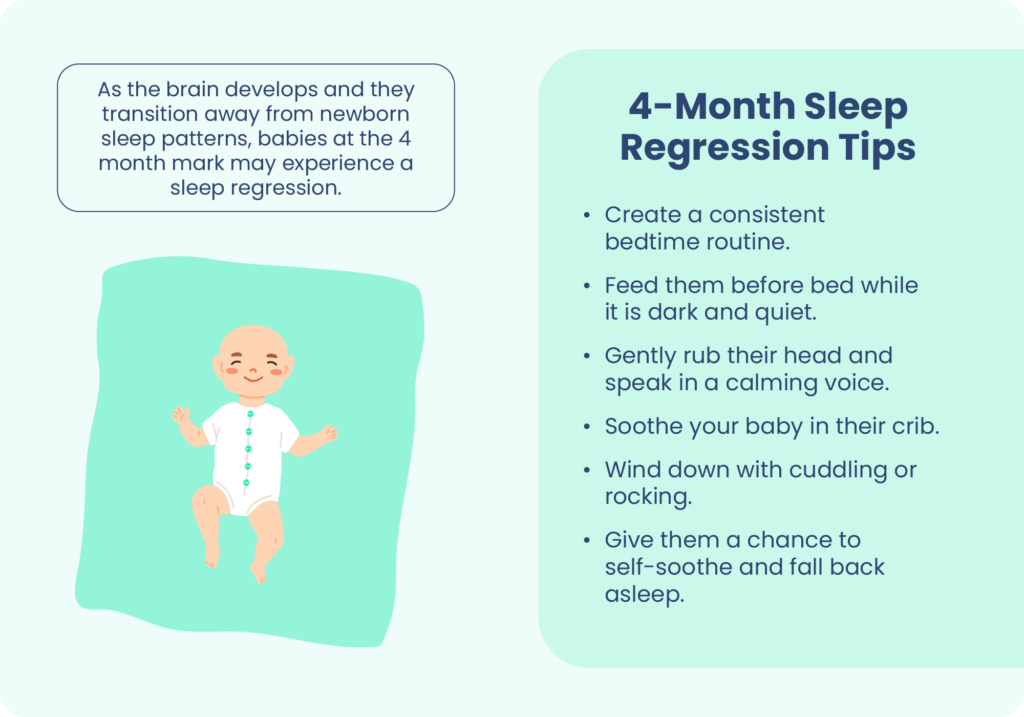
When to call a pediatrician
Sleep disruption is common, but some signs need medical attention. Contact your child’s health care professional if your baby has trouble breathing, turns blue or gray, is unusually hard to wake, has signs of dehydration, or has a fever that concerns you.
Also seek advice if your baby seems to be in pain, has persistent vomiting, feeds poorly, or has a major change in behavior. Trust your instincts. You know your baby’s normal patterns best.
Ask for guidance when sleep problems continue despite a steady routine, especially if feeding, growth, or daytime alertness is affected. A pediatrician can check for issues such as reflux, eczema, breathing problems, or an ear infection.
No sleep article can diagnose a baby. Age, medical history, feeding method, and development all matter. Professional advice is especially important for newborns and babies with health conditions.
How long do baby sleep changes after routine disruption last?
Many babies improve within a few nights after a small change. Travel, illness, and major family events may take one to two weeks or longer to settle.
The length depends on the baby’s age, temperament, health, and the type of disruption. A baby who slept well before may return to the old pattern quickly, while another may need more gradual support.
Try to measure progress in small steps. Falling asleep 15 minutes sooner, taking one longer nap, or needing less help can all signal recovery.
Baby sleep changes after routine disruption become more concerning when they continue for many weeks, grow worse, or occur with health symptoms. In that case, speak with a pediatrician rather than relying only on routine changes.
Frequently asked questions about baby sleep changes after routine disruption
Why is my baby waking more at night after travel?
Travel can change light exposure, nap timing, feeding, and the sleep environment. Return to a familiar routine, use morning light, and allow several days for adjustment.
Can a late bedtime cause several nights of poor sleep?
Yes, a late bedtime may lead to overtiredness and more difficulty settling. Move bedtime earlier in small steps and protect the next day’s naps.
Should I let my baby sleep longer after a bad night?
A little extra sleep may help, but very long naps or a much later morning can shift the body clock further. Follow your baby’s age-based sleep needs and ask a pediatrician for individual advice.
How can I reset baby sleep after illness?
First, make sure your baby is comfortable and recovering. Keep the room calm, restore familiar sleep cues, and expect extra support for a few nights.
Is it normal for naps to change after a routine disruption?
Yes. Missed naps, short naps, and unusual nap times are common after travel, illness, or a schedule change. Most babies improve as wake times and bedtime become steady again.
Should I use sleep training after a disrupted routine?
Wait until your baby is well and the daily rhythm is more stable. If you choose a sleep approach, use one that fits your family, your baby’s age, and safe sleep guidance.
Conclusion
Baby sleep changes after routine disruption are usually a temporary response to a changed rhythm, not a sign that sleep is permanently broken. A steady morning, familiar bedtime cues, safe sleep habits, and calm responses can help your baby return to a more settled pattern.
Start with one small change tonight. Keep it simple, give it time, and seek medical advice when sleep trouble comes with illness, pain, feeding changes, or breathing concerns. For more practical guidance, explore trusted pediatric sleep resources and share what has helped your family.