Travel can disrupt a baby’s sleep through time changes, new places, missed naps, noise, and altered daily routines.
Baby sleep changes during travel are common, even for babies who usually sleep well at home. A new time zone can confuse the body clock, while flights, car rides, bright rooms, and unfamiliar sounds may make rest harder. This guide explains why these changes happen and how to help your baby sleep more calmly before, during, and after a trip.
Why Baby Sleep Changes During Travel
Babies rely on steady cues to know when to sleep. These cues include light, meals, movement, familiar sounds, and bedtime routines. Travel can change many of them at once.
Baby sleep changes during travel may appear as:
• Shorter naps
• More night waking
• Earlier morning waking
• Trouble falling asleep
• Crying at bedtime
• Longer awake periods at night
• Sleeping more during the day
• Refusing sleep in a stroller, car seat, or travel crib
A baby’s circadian rhythm, or body clock, develops over time. Young babies may not have a strong day-night rhythm yet. Older babies and toddlers often notice time-zone changes more clearly because their sleep schedule is more set.
Travel can also create “sleep debt.” This happens when a baby sleeps less than usual for several days. A tired baby may seem sleepy, but overtiredness can make settling down harder. It is a bit like missing a meal and then feeling too upset to eat well.

Common Causes of Sleep Disruption on Trips
Time-zone changes
Crossing time zones shifts the clock, but your baby’s body does not adjust at once. After flying east, your baby may feel ready to sleep before bedtime. After flying west, your baby may wake very early or stay awake late.
Most babies need several days to adjust. The exact time depends on the number of time zones crossed, the child’s age, and the quality of sleep during the trip.
Missed or delayed naps
Travel days often include long lines, busy terminals, traffic, and changes in feeding times. A baby may nap in short bursts rather than completing a full sleep cycle.
This can lead to baby sleep changes during travel that continue into the night. One missed nap may not matter much, but repeated missed naps can build tiredness.
Unfamiliar sleep spaces
A hotel room, rental home, or relative’s house may have different light, smells, sounds, and room temperatures. Babies may also notice a new crib or travel bassinet.
Some babies sleep better because travel creates motion and contact. Others need more time to feel safe in a strange place. Both reactions are normal.
Too much stimulation
Airports, family visits, restaurants, and sightseeing can be exciting. They can also overwhelm a baby’s senses.
A baby may rub their eyes but still resist sleep. This does not always mean they are not tired. It may mean they need a quiet reset before they can settle.
Changes in feeding
Breastfeeding, bottle feeding, solid meals, and snacks may happen at new times. Babies who eat less during a busy day may wake more at night. A baby may also wake from thirst, hunger, heat, or mild digestive discomfort.
Illness, teething, constipation, and ear pressure after flying can also affect sleep. If sleep changes seem severe or last well beyond the trip, consider speaking with your child’s health care professional.

How to Prepare Before You Leave
Good preparation cannot prevent every sleep problem. It can, however, give your baby familiar signals during an unfamiliar trip.
Keep the home routine steady
For several days before departure, keep wake-up time, naps, meals, and bedtime as regular as possible. You do not need a perfect schedule. A steady pattern is enough.
Pack the items that help your baby recognize sleep time:
• A familiar sleep sack
• A favorite small comfort item, if age appropriate
• White noise
• A clean fitted sheet for the travel crib
• A dim night-light
• Usual bottles, formula, or feeding supplies
• A familiar bedtime book or song
Do not place loose pillows, blankets, stuffed toys, or other soft items in an infant’s sleep space. The American Academy of Pediatrics recommends a firm, flat sleep surface with no loose bedding for babies.
Practice with the travel crib
If you plan to use a portable crib, set it up at home before the trip. Let your baby see it during play. Then try one or two naps in it.
This can make the travel crib feel less strange. Check that it is approved for sleep and used according to the manufacturer’s instructions.
Choose a travel schedule with sleep in mind
When possible, choose flights or drives that match your baby’s best sleep period. A night flight may help some babies, but it can be difficult if your baby does not sleep well in an airplane.
Think about your baby, not only the ticket price or adult schedule. A slightly more convenient sleep window may make the whole trip easier.
Plan for delays
Bring more diapers, food, clothing, and sleep supplies than you expect to need. Delays are common, and stress can make baby sleep changes during travel more intense.
A small backup plan helps. It might include a quiet corner at the airport, a carrier for contact naps, and extra time between connections.
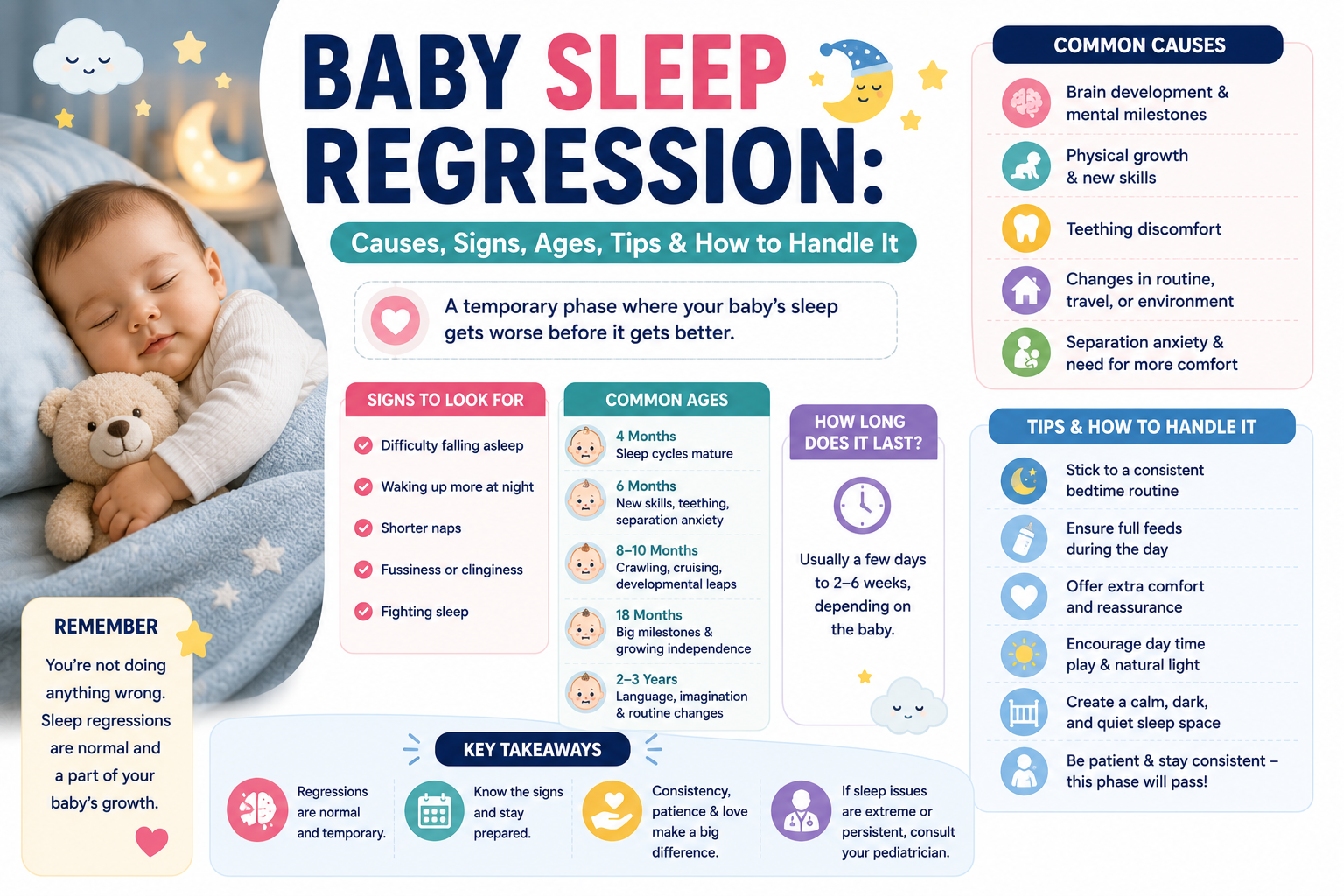
Helping Your Baby Sleep During a Flight or Drive
Travel sleep does not need to look like home sleep. The goal is to offer safe rest whenever you can.
Use simple sleep cues
Repeat the same short routine before a nap or bedtime. For example:
- Change the diaper.
- Feed your baby if needed.
- Dim the light.
- Use the same sleep phrase or song.
- Offer the usual sleep space or sleep sack.
These steps act like a small bridge between home and travel. Even when the room changes, the order stays familiar.
Protect naps without chasing perfection
Try to offer naps at your baby’s usual awake times. If a nap happens in a carrier, stroller, or car, that is still rest. You can return to normal sleep arrangements at the next safe opportunity.
Avoid turning the whole trip into a search for perfect naps. Babies can sleep in imperfect ways for a short time. Pressure can make adults and babies more tense.
Know the safety limits of car seats
Car seats are designed for travel, not routine sleep outside the vehicle. Follow the car seat maker’s instructions, keep your baby properly buckled, and move the baby to a firm, flat sleep surface when you arrive.
Never place a car seat on a couch, bed, or other raised surface. Do not cover the seat with a blanket in a way that blocks air flow or hides your baby from view.
Manage airplane sleep with care
Feed your baby during takeoff and landing if it fits your normal feeding plan. Sucking may help with ear pressure, though it does not guarantee comfort.
Keep your baby’s sleep position safe. Avoid loose blankets, pillows, or makeshift sleep areas. If you feel unsure about airline rules or your baby’s health, ask the airline and your pediatric professional before flying.

Adjusting to a New Time Zone
A time-zone shift is one of the biggest reasons for baby sleep changes during travel. You can help by using light, meals, and naps as gentle signals.
For trips across a few time zones
If the trip is short, you may not need a full schedule change. Some families keep the home schedule, especially when returning soon. Others shift bedtime toward local time on the first night.
Choose the plan that fits your trip length and your baby’s needs. There is no single best method for every family.
For longer trips
On a longer trip, move toward local time:
• Use daylight during the local morning and day.
• Keep lights low near local bedtime.
• Offer meals on the local schedule.
• Keep naps short enough to support nighttime sleep.
• Use the same bedtime steps each night.
Do not force a baby to stay awake for many extra hours. A gradual change is often kinder than a sudden one.
Eastward travel
Traveling east usually means bedtime comes earlier than your baby expects. Start moving bedtime earlier by about 15 to 30 minutes before the trip if your baby can manage it.
After arrival, seek natural morning light and keep evenings calm. Most babies need patience while their body clock catches up.
Westward travel
Traveling west often makes bedtime later. Your baby may wake early according to the old time.
Keep the morning dim and quiet if it is still very early locally. Gradually shift naps and bedtime later, while watching for signs of overtiredness.
Light is a strong body-clock signal, but avoid direct, intense sunlight for babies. Use normal daylight and follow safe sun protection practices.

A Practical First-Night Plan
The first night can feel stressful, especially when your baby wakes at an unusual hour. A simple plan can reduce guesswork.
Before bedtime
Set up the sleep space as early as possible. Check the room temperature, reduce noise, and make sure the crib or bassinet is safe.
Offer a normal feed and a calm routine. Try not to add many new sleep methods at once.
During night waking
Pause briefly if your baby is safe and only fussing. Then respond in the usual way. Keep lights low, voices soft, and activity boring.
If your baby is hungry, feed them. If they need a diaper change, change them. The aim is to meet the need without turning the night into daytime.
The next morning
Start the day at a reasonable local time. Open the curtains, use natural daylight, and offer food or milk according to your normal plan.
Do not punish yourself if the first night goes badly. Baby sleep changes during travel often improve after a few consistent days.
When a nap goes wrong
If your baby skips a nap, offer the next sleep a little earlier. Avoid keeping the baby awake much longer to “make them tired.” That approach often backfires.
A calm rescue nap can help. Contact, rocking, or a stroller nap may be useful for a short period, as long as the sleep setting remains safe.

Safe Sleep During Travel
Safe sleep rules still apply away from home. Travel does not make soft bedding or unsafe surfaces safer.
The safest sleep setup for an infant includes:
• A firm, flat, level mattress
• A fitted sheet made for that sleep surface
• Baby placed on their back for every sleep
• No pillows, quilts, bumpers, stuffed toys, or loose blankets
• A smoke-free environment
• Room sharing without bed sharing when possible
The Centers for Disease Control and Prevention and the American Academy of Pediatrics support these basic safe-sleep practices.
Room temperature matters, but do not rely on a fan, white noise machine, or monitor as a substitute for safe sleep. Check your baby’s chest or back for signs of overheating. Sweating, flushed skin, or a hot chest may mean your baby has too many layers.
If your baby falls asleep in a car seat, swing, stroller, or carrier, follow product guidance and move the baby to a safe, flat sleep surface as soon as practical. Never use sleep positioners or inclined products unless a medical professional specifically directs you to do so.

Mistakes Parents Often Make
Travel can bring pressure to solve sleep quickly. A few common mistakes can make baby sleep changes during travel last longer.
Changing too many things at once
Parents may introduce a new schedule, new sleep training method, new food, and new sleep space on the same day. This makes it hard to know what helps.
Keep the plan simple. Preserve familiar cues first.
Skipping naps to improve nighttime sleep
This is tempting but often leads to overtiredness. A baby who is too tired may cry more, wake more, and struggle to settle.
Protect age-appropriate naps, even if they happen in a less-than-perfect place.
Treating every wake-up as jet lag
Hunger, illness, teething, temperature, and discomfort can look like jet lag. Check your baby’s basic needs before assuming the clock is the only problem.
Expecting instant adjustment
Adults may adjust to a time zone in a day or two, but babies vary. Some adapt quickly. Others need a week or more, especially after a major time change.
Using unsafe sleep shortcuts
A couch, adult bed, padded lounger, or car seat may seem convenient during a hard night. These settings can increase sleep-related risks. Prepare a safe sleep space before your baby becomes very tired.

How Long Will Sleep Changes Last?
Many babies improve within several days after a short trip. A larger time-zone change, a long travel day, illness, or repeated missed naps may extend the adjustment period.
Age also matters. Newborns may have irregular sleep at baseline. Older babies may resist changes because they have stronger routines. Toddlers may also protest new places more openly.
Track simple details for three days:
• Wake-up time
• Nap times and length
• Bedtime
• Night waking
• Feeding
• Mood and energy
A short record can reveal a pattern. It can also help your pediatric professional understand the problem if sleep does not improve.
Call a health care professional if your baby has breathing trouble, unusual sleepiness, poor feeding, signs of dehydration, a high fever, severe pain, or symptoms that worry you. Seek urgent care for serious breathing problems, bluish skin, or a baby who is difficult to wake.

A Gentle Recovery Plan After Returning Home
Coming home can cause another round of baby sleep changes during travel. Your baby may still be on the destination schedule, or they may be tired from several disrupted nights.
Return to familiar routines as soon as practical:
- Use the home wake-up time.
- Offer naps at normal intervals.
- Keep meals and feeds predictable.
- Use morning light and a calm evening.
- Bring back the usual bedtime routine.
- Give the plan several days before making major changes.
If your baby wakes early, keep the room dark and boring until the chosen morning start time. If your baby is falling asleep too early, add gentle daytime activity and shift bedtime in small steps.
Do not aim for a perfect recovery night. Aim for steady signals. Sleep often returns like a radio finding its station: slowly, with a little static at first.
Real-Life Lessons for Traveling Families
One common family pattern is a baby who sleeps well at home but wakes every two hours in a hotel. The parents may assume the baby has “forgotten” how to sleep. Often, the real causes are a late nap, a bright room, unfamiliar sounds, and a bedtime that came too late.
A better plan is to lower the lights, use familiar white noise, offer an earlier bedtime, and repeat the home routine. The baby may not sleep perfectly, but the new space begins to feel predictable.
Another lesson is to plan less during the first 24 hours. Families often book sightseeing, meals, and visits right after arrival. A quiet first day gives the baby time to recover and gives parents a chance to learn the new room.
The most useful travel tool is not a perfect schedule. It is flexibility within safe limits. Keep the sleep space safe, respond to real needs, and use familiar cues whenever you can.
Frequently Asked Questions About Baby Sleep Changes During Travel
Why does my baby sleep worse while traveling?
Travel changes your baby’s sleep cues, routine, environment, and body clock. Missed naps, time-zone changes, noise, hunger, and unfamiliar sleep spaces can all lead to more waking.
How long does it take a baby to adjust to a new time zone?
Many babies need several days, but adjustment time varies. The number of time zones, travel direction, age, naps, and health can all affect the process.
Should I keep my baby on the home schedule during a short trip?
For a short trip, keeping the home schedule may work well, especially if you return soon. If the trip lasts longer, gradually shifting toward local time may be easier for the whole family.
Can my baby nap in a stroller or car during travel?
A stroller or car nap may happen during a travel day, but car seats are not routine sleep spaces. Move your baby to a firm, flat, approved sleep surface as soon as practical after arriving.
How can I help my baby sleep in a hotel room?
Bring familiar sleep items, darken the room safely, reduce noise, and repeat the usual bedtime routine. Set up the safe sleep space before your baby becomes overtired.
Should I wake my baby from a long travel nap?
It depends on the time of day and your baby’s age. A very long late nap may delay bedtime, but waking a tired baby too soon can also cause overtiredness; adjust gently and follow your usual sleep pattern.
When should I call a doctor about travel-related sleep changes?
Call a health care professional if sleep problems come with poor feeding, dehydration, breathing trouble, fever, severe pain, unusual sleepiness, or other concerning symptoms. Trust your judgment if your baby seems unwell.
Conclusion
Baby sleep changes during travel are normal and usually improve with time, familiar cues, and a flexible plan. Time zones, missed naps, new sleep spaces, stimulation, and feeding changes can all affect rest.
Focus on safe sleep first. Then use daylight, calm routines, regular feeds, and age-appropriate naps to guide your baby’s body clock. Be patient with yourself, too; travel does not need to be perfect to be successful.
Try one small step on your next trip, such as packing a familiar sleep sack or protecting the first nap after arrival. For more practical family travel and baby sleep guidance, explore trusted pediatric resources and share your own travel lessons in the comments.