Most babies start talking in simple words between about 9 and 18 months of age.
As a parent and educator, I’ll guide you through exactly when do babies start talking, why timing varies, and how to support speech at home. This article blends research, real-life examples, and clear steps you can use today to help your child find their voice.

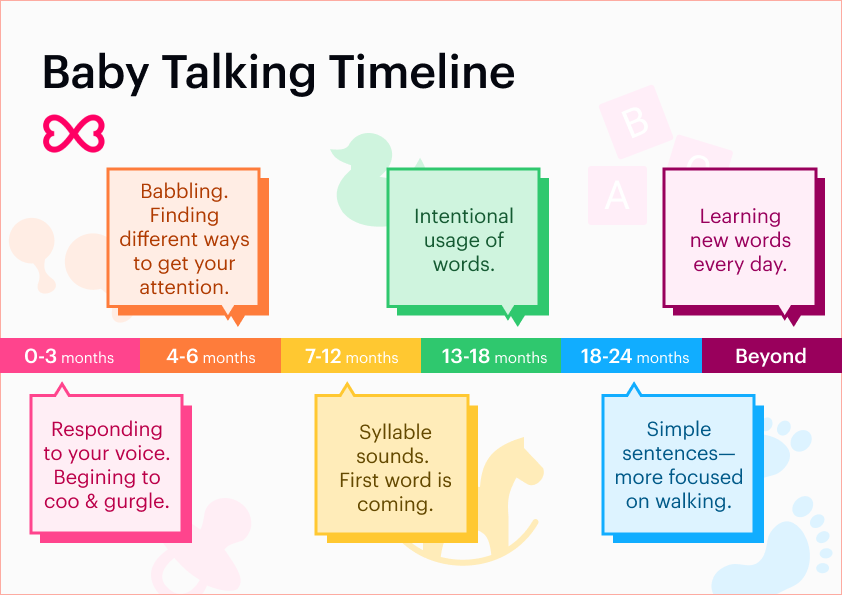
Typical timeline for when do babies start talking
Language grows in stages. Babies move from sounds to words to short sentences over the first few years. Expectable milestones are helpful, but every child follows their own pace.
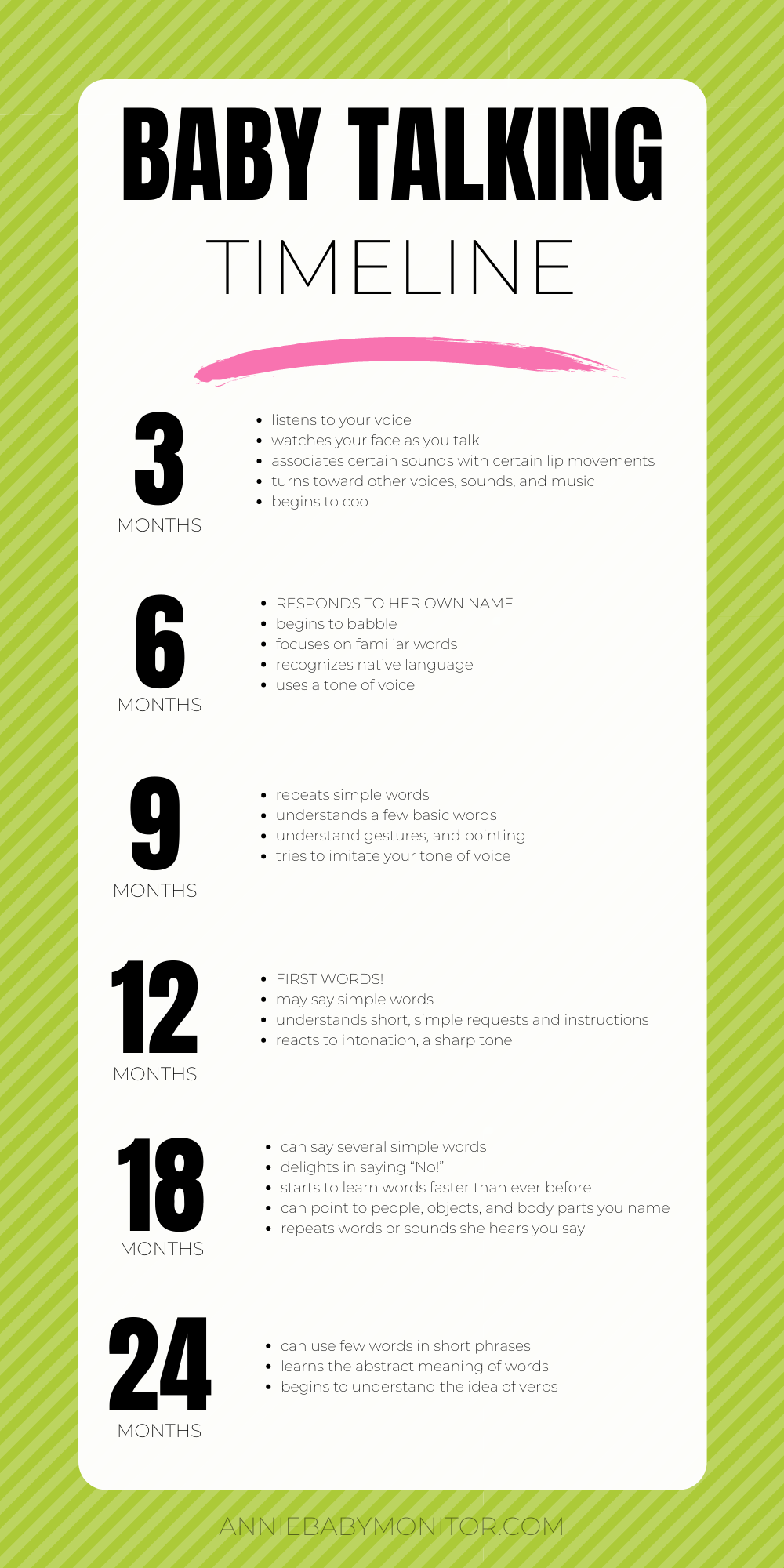
- Newborn to 3 months: Babies coo and make vowel sounds. They react to voices and enjoy listening.
- 4 to 6 months: Babbling with consonant sounds begins. Babies play with the tone and rhythm of speech.
- 7 to 12 months: Babbling becomes more speech-like. Many infants say first clear words around 9 to 12 months.
- 12 to 18 months: Vocabulary grows to a few to dozens of words. Parents notice more intentional attempts to name things.
- 18 to 24 months: Two-word combinations appear. Word bursts are common, with rapid expansion of vocabulary.
- 2 to 3 years: Short sentences and clearer pronunciation develop. Grammar basics begin to form.
These ranges answer the core question of when do babies start talking while showing normal variation. Remember, some children start earlier and others later without cause for alarm.

How language develops: receptive vs expressive
Language has two main parts. Receptive language means understanding words. Expressive language means using words.
Babies usually understand more than they say. For example, a 9-month-old may follow simple requests before saying a clear word. Repetition, routines, and responsive talk help build both understanding and speech. In practice, naming actions and objects each day strengthens connections that lead to talking.
Quick PAA-style questions
How early do babies understand words?
Many infants understand common words by 6 to 9 months. Understanding usually comes before clear speech.
Is babbling important for talking?
Yes. Babbling is practice for speech. It helps babies learn sounds and rhythms of language.
Does pointing matter for talking?
Pointing shows interest and helps link words to objects. It often predicts faster vocabulary growth.
Factors that influence when do babies start talking
Several things shape when babies start talking. Some are biological; others are environmental. Knowing these helps you support progress.
- Hearing health. Good hearing is essential. Even mild hearing loss can delay speech.
- Family speech patterns. Children mirror how adults talk, including words, tone, and turn-taking.
- Amount of talk and reading. More daily language exposure speeds learning.
- Bilingual homes. Learning two languages may show temporary mixing, but it does not cause long-term delay.
- Temperament and health. Shy children or those with frequent illness may speak later.
From personal experience, I’ve seen a wide gap between siblings. One child spoke early with short words at 9 months. Another didn’t speak clearly until nearly 16 months but then caught up quickly once they felt confident. Patience and consistent talking helped both children thrive.
Practical ways to encourage speech
Small habits make a big difference. Try these easy steps at home. They fit into daily life and help answer when do babies start talking with action.
- Talk often. Describe what you do and what your baby sees. Short, simple phrases work best.
- Read daily. Picture books build vocabulary and attention. Point and name objects as you read.
- Use pauses. After speaking, wait for your baby to respond. This creates a turn-taking rhythm.
- Imitate sounds. Copy your baby’s noises and then expand them into words. This supports confidence.
- Sing and rhyme. Songs add rhythm and memory, which make words stick.
- Give choices. "Do you want milk or water?" encourages attempts to answer.
- Limit screens. Live interaction beats passive listening for language learning.
- Expand utterances. If your toddler says "ball," respond with "Yes, big red ball!" to model more language.
A practical tip I learned the hard way: narrate routines like diaper changes and meals. It felt awkward at first, but within weeks I noticed a steady rise in my child’s vocabulary. Consistency matters more than perfection.
When to seek help about when do babies start talking
Most babies follow the timeline above. Still, some signs mean you should get advice sooner rather than later.
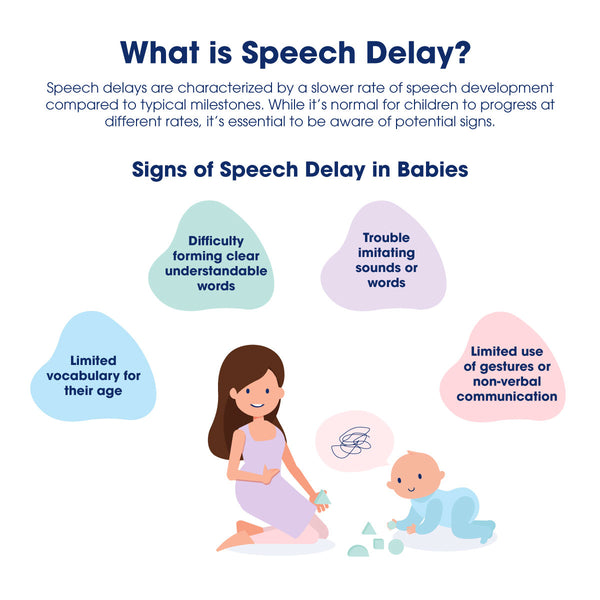
- No babbling or vowel sounds by 9 months.
- No single words by 15 to 18 months.
- No two-word phrases by 24 months.
- No response to name or loud sounds, which may indicate hearing issues.
- Sudden loss of speech skills or social interest.
If you see these signs, speak with your pediatrician. They may recommend a hearing test or early speech evaluation. Early support improves outcomes and reduces stress for families.

Common myths and truths about when do babies start talking
Myth: Let babies learn on their own and they’ll talk when ready.
Truth: Babies learn faster with active, responsive input. Conversation matters.
Myth: Bilingual homes confuse children and delay speech.
Truth: Bilingual children may mix languages early, but they generally reach milestones on a similar timeline.
Myth: TV and videos teach speech.
Truth: Passive screen time is a poor substitute for live interaction and often slows language growth.
Myth: Boys always start talking later than girls.
Truth: On average boys may start a bit later, but individual variation is large. Many boys speak early.
Being aware of myths helps parents focus on useful actions. Speak, read, and respond—these habits reliably help children move from sounds to words.

Frequently Asked Questions of when do babies start talking
How early do babies usually say their first word?
Many babies say their first recognizable word between 9 and 12 months. A few say words earlier, and some start a bit later without lasting concerns.
Does bilingualism delay speech?
Bilingualism might cause temporary mixing of words, but it does not cause long-term delays. Children can learn two languages and still meet key milestones.
What if my baby hears but doesn't speak?
Some babies understand language well before they speak. If expressive speech is delayed, check hearing and talk to your pediatrician about a speech evaluation.
Can too much screen time affect talking?
Yes. Excessive screen time reduces live interaction, which slows language learning. Active talking, reading, and play are far more effective.
When should I worry about autism or other disorders?
Look for combined signs like less eye contact, poor response to name, limited gestures, and delayed speech. If you notice several concerns, consult a pediatrician for early evaluation.
Conclusion
Understanding when do babies start talking helps you set realistic expectations and take clear steps to support your child. Talk often, read together, and respond to every attempt at speech. If you see persistent delays, seek early evaluation to get help sooner. Try one new talking habit this week, and share your progress or questions below — your voice matters for your child’s voice.