Newborn caregiving rhythm development grows through steady, flexible care, not strict schedules or perfect routines.
Newborn caregiving rhythm development helps parents notice patterns in feeding, sleep, crying, diapering, and soothing. In the early weeks, a baby’s body clock is still forming, so care works best as a gentle flow rather than a fixed timetable. This guide explains what to expect, how to build a calm rhythm, and when to seek help.
What Is Newborn Caregiving Rhythm Development?
Newborn caregiving rhythm development is the gradual process of creating a predictable flow of care around a baby’s natural needs. It includes feeding, sleep, diaper changes, awake time, soothing, and skin-to-skin contact.
A rhythm is not the same as a strict schedule. A schedule says, “Feed at 2 p.m.” A rhythm says, “Watch for hunger cues, feed the baby, burp them, change the diaper, and offer calm rest.”
Newborns do not follow the same pattern each day. Growth spurts, illness, gas, visitors, and developmental changes can shift their needs. Flexible care protects the baby’s well-being while helping caregivers feel more confident.
Newborn caregiving rhythm development often begins with simple repetition:
• The baby wakes and shows hunger cues.
• The caregiver offers breast milk or formula.
• The baby is burped and changed.
• The caregiver provides a short period of calm interaction.
• The baby returns to sleep when tired signs appear.
This cycle may happen many times in one day. Over time, the baby begins to experience care as a familiar pattern, even when the clock times change.

Why Rhythm Matters in the First Months
A steady caregiving rhythm helps a newborn feel safe. Babies cannot understand words such as “You are okay,” but they learn through repeated actions, sounds, smells, and touch.
When a caregiver responds in a calm and consistent way, the baby starts to expect that needs will be met. This does not mean the baby will stop crying. It means the baby has repeated experiences of comfort after distress.
Newborn caregiving rhythm development may support several areas of early growth:
• Emotional security: The baby learns that a trusted adult responds to signals.
• Feeding success: Regular attention to hunger cues can support timely feeds.
• Sleep awareness: Repeated day and night cues help the body clock mature.
• Caregiver confidence: Parents learn to read patterns instead of guessing at every moment.
• Family balance: A loose rhythm can make daily care easier to share.
Research on infant development supports responsive caregiving. The American Academy of Pediatrics encourages caregivers to respond to hunger and fullness cues, practice safe sleep, and support early bonding. The World Health Organization also emphasizes responsive care, feeding support, and nurturing interaction during infancy.
A rhythm does not guarantee longer sleep or less crying. Newborns still wake often because their stomachs are small and their nervous systems are immature. The goal is not to control the baby. The goal is to make care more predictable and responsive.

How Newborn Rhythms Develop
Newborn caregiving rhythm development usually happens in stages. Each baby moves at a different pace, so these stages are guides rather than rules.
The first two weeks
during the first days, many newborns sleep, wake briefly, feed, and sleep again. Some babies feed often in the evening. Others have long sleepy periods and need help waking for feeds.
At this stage, focus on basic care:
• Offer feeds based on hunger cues and medical guidance.
• Track wet and dirty diapers if advised by the baby’s clinician.
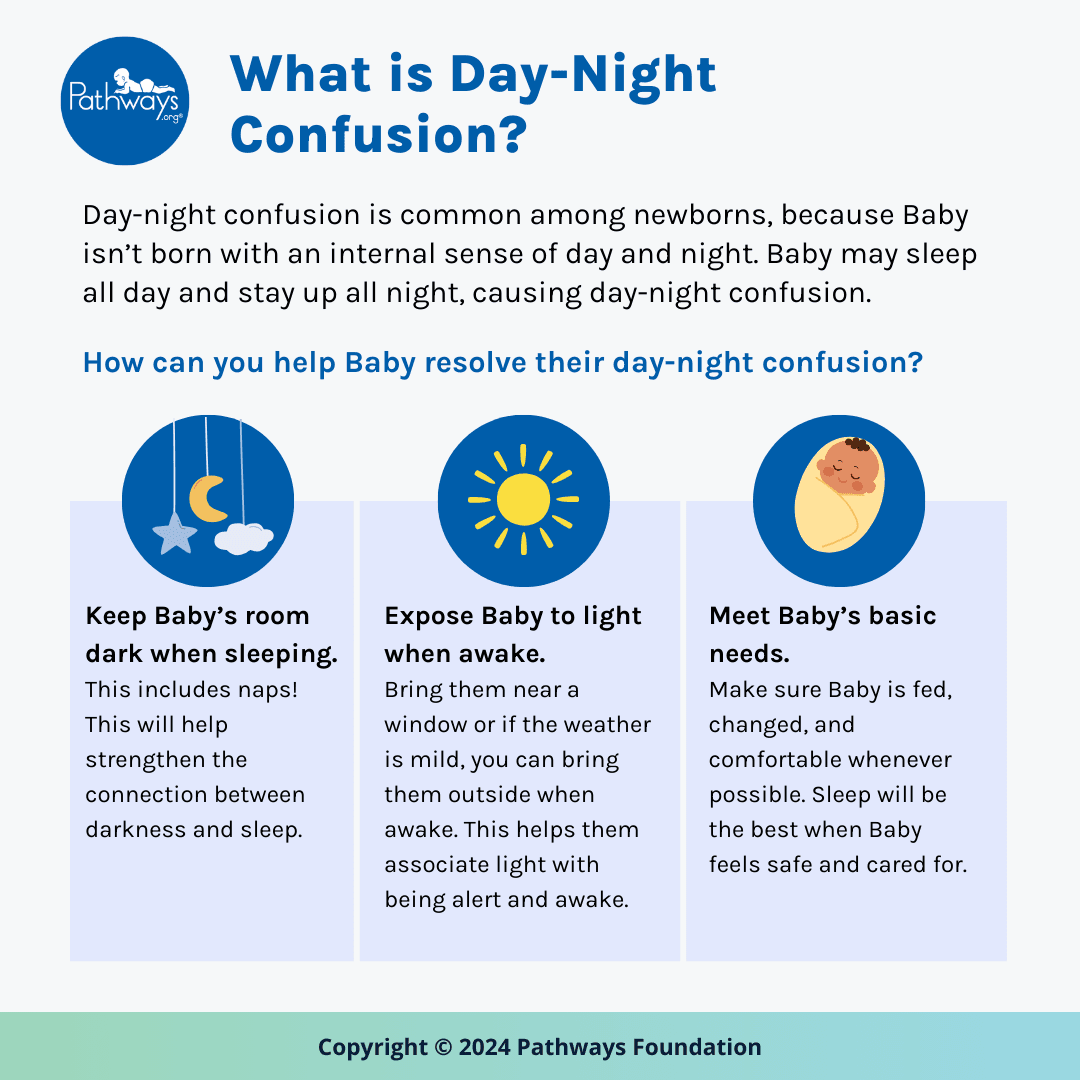
• Keep daytime light and social.
• Keep nighttime care quiet and dim.
• Place the baby on their back for every sleep.
The rhythm may feel random at first. That is normal. Your main job is to learn the baby’s signals.
Weeks three to six
Many babies become more alert during parts of the day. They may look at faces, move their arms, and stay awake for short periods after feeding.
Newborn caregiving rhythm development becomes easier to notice during this stage. You may see a pattern such as morning feeds, a more unsettled evening, and longer sleep after a late-night feed. The pattern can change the next day, but repeated trends still offer useful clues.
Around six to twelve weeks
Some babies begin to show clearer day and night differences. They may have a longer sleep period at night and more organized awake time during the day.
This does not mean every baby sleeps through the night. Most young infants still wake to feed. A developing rhythm is a sign of maturity, not a promise of uninterrupted sleep.

Read Your Baby’s Cues
The most useful tool for newborn caregiving rhythm development is cue reading. A baby’s cues show what may be happening before crying becomes intense.
Early hunger cues
• Stirring from sleep
• Moving the hands toward the mouth
• Opening the mouth
• Turning the head toward touch
• Making soft sounds
• Licking or smacking the lips
Crying is often a late hunger cue. A very upset baby may have trouble latching or calming enough to feed.
Tired cues
• Yawning
• Looking away
• Slower movements
• Drooping eyelids
• Fussing without a clear cause
• Briefly losing interest in faces or toys
Try to respond to early tired signs. Waiting until a newborn is overtired can make settling harder.
Overstimulation cues
• Turning away
• Stiffening the body
• Spreading the fingers
• Fast arm movements
• Crying after too much noise or handling
When these signs appear, lower the lights, reduce noise, and hold the baby close. Newborn caregiving rhythm development depends on balance. Babies need interaction, but they also need quiet recovery time.

Build a Flexible Daily Rhythm
A simple rhythm can help without creating pressure. Begin with the baby’s needs, then add small signals that repeat each day.
Morning rhythm
Open curtains and use natural light. Speak softly to the baby, feed them, and allow a short period of calm interaction if they are alert.
Natural morning light may help the body learn the difference between day and night. Keep expectations modest. A newborn may stay awake for only a few minutes.
Daytime rhythm
During the day, offer normal household sounds and gentle interaction. Feed the baby when they show hunger cues, then watch for tired signs.
Short periods of supervised tummy time can happen when the baby is awake and calm. The American Academy of Pediatrics recommends tummy time while awake and watched, beginning with brief sessions.
Evening rhythm
Many newborns become fussy in the late afternoon or evening. This period is sometimes called the “witching hour,” although it can last longer or shorter than one hour.
Dim the lights, reduce stimulation, and use a repeated calming routine. This may include feeding, burping, a diaper change, swaddling when appropriate, and quiet holding.
Night rhythm
Keep night feeds calm and brief. Use low light, avoid playful talk, and return the baby to a safe sleep space after feeding.
Newborn caregiving rhythm development does not require silence at night. It requires a clear contrast between active daytime care and quiet nighttime care.
Safe Sleep Is Part of the Rhythm
A healthy rhythm must include safe sleep practices. Place the baby on their back for every nap and nighttime sleep. Use a firm, flat sleep surface with a fitted sheet and no loose blankets, pillows, bumpers, or stuffed toys.
Room sharing without bed sharing is recommended by the American Academy of Pediatrics. Keeping the baby’s sleep space near the caregiver can make feeding and checking easier while reducing some sleep-related risks.
If you swaddle, use a light swaddle that allows the hips to move. Stop swaddling when the baby shows signs of rolling. Never use weighted sleep sacks or weighted swaddles unless a qualified medical professional gives specific guidance.
Avoid putting a sleeping baby on a couch, recliner, or adult bed. These surfaces can be dangerous, especially when the caregiver is tired.
Newborn caregiving rhythm development should support safety, not sacrifice it. A baby who sleeps longer in an unsafe place is not receiving better care.

Feeding and Rhythm Development
Feeding patterns vary by age, health, and feeding method. Breastfed babies may feed often because human milk is quickly digested. Formula-fed babies also need responsive feeding rather than forced timing.
Watch for signs of fullness:
• Slowing or stopping sucking
• Turning the head away
• Relaxing the hands
• Closing the mouth
• Becoming calm or sleepy
Do not pressure a baby to finish a bottle. If bottle-feeding, use paced feeding. Hold the bottle more level, pause often, and watch the baby’s cues.
For breastfeeding concerns, seek help from a lactation consultant, pediatric clinician, or another trained professional. Pain, poor latch, very sleepy feeds, or concerns about milk transfer deserve support.
Contact the baby’s clinician if the baby has fewer wet diapers than expected, feeds poorly, vomits forcefully, seems unusually difficult to wake, or does not appear to be gaining weight. Exact diaper and weight guidance depends on the baby’s age and medical history.
Newborn caregiving rhythm development should never be used to delay needed feeding or medical care.

Common Mistakes to Avoid
Many caregivers try to create a perfect routine because uncertainty feels hard. A newborn’s changing needs can make strict plans frustrating for the whole family.
Avoid these common mistakes:
• Expecting the same schedule every day
• Keeping a newborn awake to improve nighttime sleep
• Ignoring early hunger or tired cues
• Comparing the baby with another child
• Treating every cry as proof of hunger
• Using sleep training methods without age-appropriate guidance
• Changing several things at once
A better approach is to make one small change and watch the result for several days. For example, you might add morning light or make nighttime feeds quieter.
One practical lesson from newborn care is that flexibility often works better than control. A caregiver who says, “I will follow the baby’s cues and repeat helpful signals,” usually feels less pressure than one who tries to make every nap happen at a set time.

A Sample Rhythm for a Newborn
The example below is only a guide. It is not a medical schedule and should not replace feeding instructions from a clinician.
• Morning: Wake, feed, burp, change, and offer a few minutes of calm interaction.
• Late morning: Watch for tired signs and provide a safe nap.
• Midday: Feed on cues, change the diaper, and offer brief supervised tummy time.
• Afternoon: Repeat feeding, burping, quiet interaction, and rest.
• Evening: Lower lights, reduce noise, and use a simple calming routine.
• Night: Feed as needed, keep care quiet, and return the baby to a safe sleep space.
The exact times do not matter as much as the order and tone of care. Newborn caregiving rhythm development grows from repeated experiences, not from a clock.
If the baby has a medical condition, was born early, or has feeding concerns, follow the care plan from the medical team. Premature babies may have different sleep, feeding, and wake-time needs.
Support the Caregiver, Too
A newborn’s rhythm affects the whole household. Caregivers need rest, food, and emotional support to respond well.
Share tasks when possible. One adult may feed while another handles burping, diapering, or a meal. If breastfeeding, a partner can bring water, manage household tasks, and protect the nursing parent’s rest.
Keep a simple note of feeds, sleep, diapers, and concerns if tracking helps. Do not let tracking become a source of anxiety. The purpose is to notice useful patterns, not to judge your performance.
If you feel persistently sad, panicked, angry, numb, or unable to cope, contact a health professional. Postpartum depression and anxiety can affect any parent. Immediate help is needed if you fear harming yourself or the baby.
Caring for yourself is not separate from newborn caregiving rhythm development. It is part of creating a safe and steady home.
When to Call the Baby’s Clinician
Call a medical professional promptly if a newborn:
• Has trouble breathing
• Has a blue, gray, or very pale color
• Is difficult to wake for feeds
• Feeds much less than usual
• Has signs of dehydration
• Has repeated vomiting
• Has a fever, especially during the first months
• Has fewer wet diapers than expected
• Seems weak, unusually floppy, or severely distressed
For babies younger than three months, a rectal temperature of 100.4°F (38°C) or higher needs urgent medical advice. Use the method and guidance recommended by the baby’s clinician.
Do not rely on a caregiving rhythm to explain away a sudden change. Newborns can become ill quickly, and early medical advice is important.
Frequently Asked Questions About Newborn Caregiving Rhythm Development
When does newborn caregiving rhythm development begin?
It begins from the first days of life through repeated care, touch, feeding, and sleep cues. A clear day and night pattern often develops gradually over the first two to three months.
Should a newborn follow a strict schedule?
Most newborns do better with a flexible rhythm than a strict schedule. Feed and respond to the baby’s cues while using gentle signals, such as morning light and quiet nighttime care.
How can I help my newborn learn day and night?
Keep daytime brighter and more social, with normal household sounds. Keep nighttime feeds dim, quiet, and calm, while always following safe sleep guidance.
Is frequent newborn waking normal?
Yes. Newborns often wake to feed because their stomachs are small and their sleep cycles are immature. Contact a clinician if waking is unusually difficult or feeding becomes poor.
Can a caregiving rhythm improve newborn sleep?
A consistent rhythm may help a baby notice day and night cues, but it cannot guarantee long sleep periods. Frequent waking remains normal in early infancy.
What should I do if my baby has no clear pattern?
Focus on safety, feeding, diaper output, and cue reading instead of trying to force a pattern. With time, repeated care often reveals a rhythm, but medical or developmental needs may affect its timing.
Does newborn caregiving rhythm development differ between babies?
Yes. Temperament, birth history, feeding method, health, and family routines can all affect development. Compare your baby with their own behavior over time, not with another baby.
Conclusion
Newborn caregiving rhythm development is a gradual process built through responsive care, repeated signals, and patience. Feed the baby by watching cues, protect safe sleep, use light and sound to mark day and night, and expect daily changes.
You do not need a perfect schedule. You need a caring pattern that keeps the baby safe and helps your family adjust. Start with one gentle habit today, then learn from what your baby shows you. For more trusted guidance, speak with your pediatric clinician or a qualified infant-care professional, and share your experience with other new caregivers.