Baby hiccups are usually harmless, and they often stop on their own with simple soothing steps.
If you have ever watched a tiny baby twitch, pause, and hiccup over and over, you know how helpless it can feel. The good news is that how to stop baby hiccups is usually less about “fixing” a problem and more about calming a still-developing digestive system. In this guide, I’ll walk you through what actually helps, what to avoid, and when hiccups may need a closer look.

What baby hiccups are and why they happen
Baby hiccups are small, repeated contractions of the diaphragm, the muscle that helps with breathing. When the diaphragm tightens, the vocal cords close quickly and make that familiar hic sound. In babies, this is very common because their nervous system and digestive system are still maturing.
Most of the time, baby hiccups are not painful. They can happen during feeding, after feeding, or even while your baby is just resting. In my experience, they often show up right when a baby has swallowed a little too much air or their stomach is a bit full.
Common triggers include:
- Feeding too fast
- Swallowing air while crying or feeding
- Overfeeding
- A quick change in stomach temperature
- Normal digestive immaturity
If you are trying to learn how to stop baby hiccups, the first step is understanding that they are usually a normal newborn behavior. That makes the whole situation a lot less scary.

How to stop baby hiccups safely
When parents ask how to stop baby hiccups, I usually start with the gentlest methods first. Babies do not need harsh tricks, and many home remedies that work for adults are not safe for infants. The goal is to calm the diaphragm, reduce swallowed air, and help the baby relax.
Here are the safest and most helpful options:
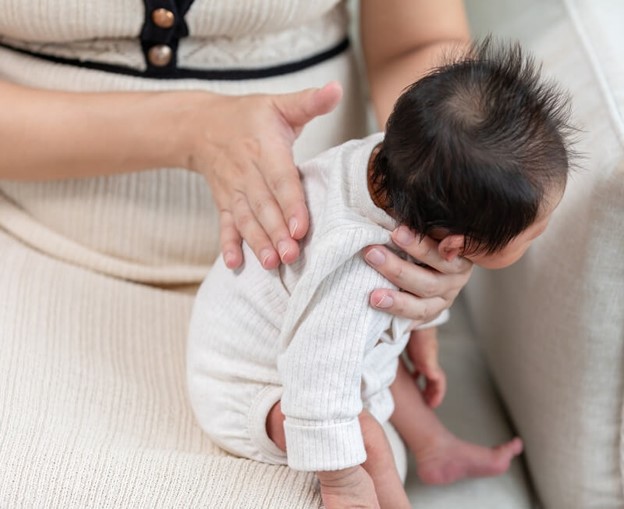
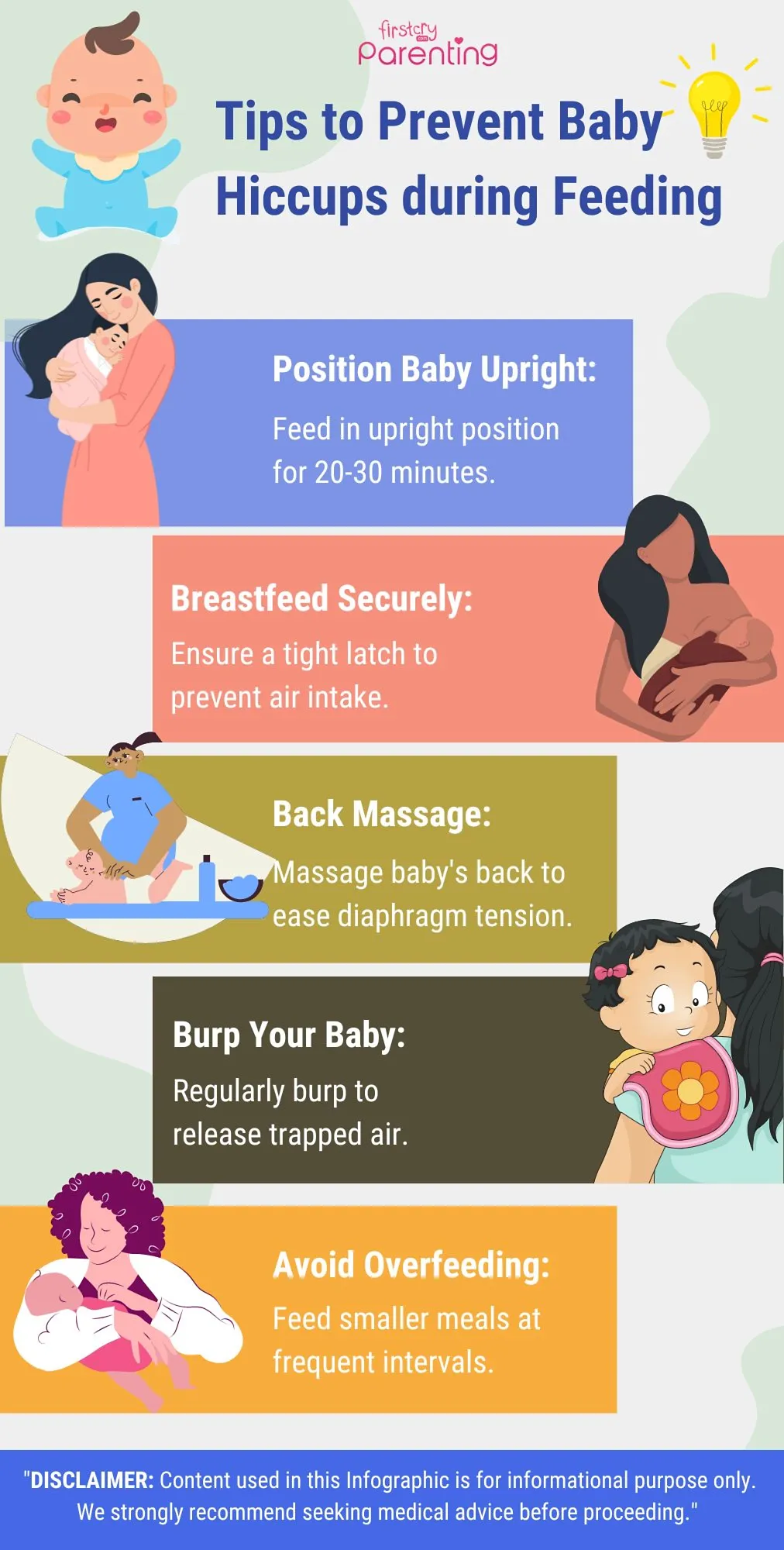
- Burp your baby during and after feeds
- Hold your baby upright for 20 to 30 minutes after feeding
- Offer a pacifier to help relax the diaphragm
- Slow down feeding and use a more upright position
- Check the bottle nipple flow if bottle feeding
- Pause the feed if your baby seems rushed or fussy
Burping is one of the easiest places to start. I learned quickly that a baby who hiccups after a feed often just needs a short pause and a good burp, not a big intervention. If your baby is calm, a pacifier can also help because sucking may relax the diaphragm and settle the rhythm.
If your baby is bottle-fed, a nipple that flows too fast can pull in extra air. If breastfeeding, a latch that is shallow or rushed can do the same. In both cases, slowing things down is often the simplest answer when you want to know how to stop baby hiccups.

Feeding changes that can help prevent hiccups
Feeding habits play a big role in how to stop baby hiccups and keep them from coming back. Since many hiccups are linked to air swallowing and a full stomach, small changes during feeding can make a real difference. The trick is to make feeds calmer and more controlled.
Try these feeding tips:
- Feed your baby before they become overly hungry and frantic
– Keep your baby in a more upright position during feeds - Burp more often during the feeding, not only at the end
- Make sure the bottle nipple size matches your baby’s age and feeding pace
- Watch for signs of gulping, coughing, or pulling away
One mistake I have seen parents make is trying to finish a feed too quickly because the baby seems eager. That can backfire. Fast feeds often lead to more air swallowing, and that can bring on hiccups right away.
If you breastfeed, a lactation consultant can help check latch and positioning. If you bottle-feed, your pediatrician can help you choose the right nipple flow. These small adjustments are often more effective than any “trick” for how to stop baby hiccups.
What not to do when a baby has hiccups
Parents sometimes hear advice that sounds helpful but is not safe for babies. When you are figuring out how to stop baby hiccups, it matters just as much to know what to avoid. Babies do not need dramatic fixes, and some adult remedies can be harmful.
Do not:
- Give water to a young infant unless a pediatrician says to
- Try startling the baby
- Use sugar, honey, or other home remedies in the mouth
- Force-feed if the baby is already full
- Shake the baby or hold them in an unsafe position
These old-fashioned ideas can create more risk than relief. I always tell parents that if a remedy sounds like something you would use for an adult, it is probably not the right choice for a newborn. The safest approach is gentle, simple, and patient.
If your baby is relaxed and hiccuping, it is often best to let the episode pass while offering comfort. Many babies stop on their own within a few minutes.
When baby hiccups are normal and when to pay attention
Most baby hiccups are harmless and temporary. That said, knowing the difference between normal hiccups and a possible feeding or reflux issue can help you feel more confident. This is where a little observation goes a long way.
Hiccups are usually normal if:
- Your baby is feeding well
- Your baby seems comfortable
- The hiccups stop on their own
- Your baby is gaining weight normally
You may want to talk to a pediatrician if:
- Hiccups happen very often and seem to bother your baby
- Your baby spits up a lot or seems uncomfortable after feeds
- Your baby arches their back, coughs, or cries during feeds
- Hiccups last a very long time or seem linked to poor feeding
- Your baby is not gaining weight as expected
The American Academy of Pediatrics and similar pediatric guidance generally treat hiccups as common and usually harmless in infants. Still, persistent feeding trouble or signs of reflux deserve attention. Trust your instincts here; if something feels off, it is worth asking.
How to stop baby hiccups at night
Nighttime hiccups can be extra stressful because everyone is tired. If you are wondering how to stop baby hiccups after a late feed, the approach is the same: slow, calm, and gentle. The goal is comfort, not a quick fix.
Helpful bedtime steps include:
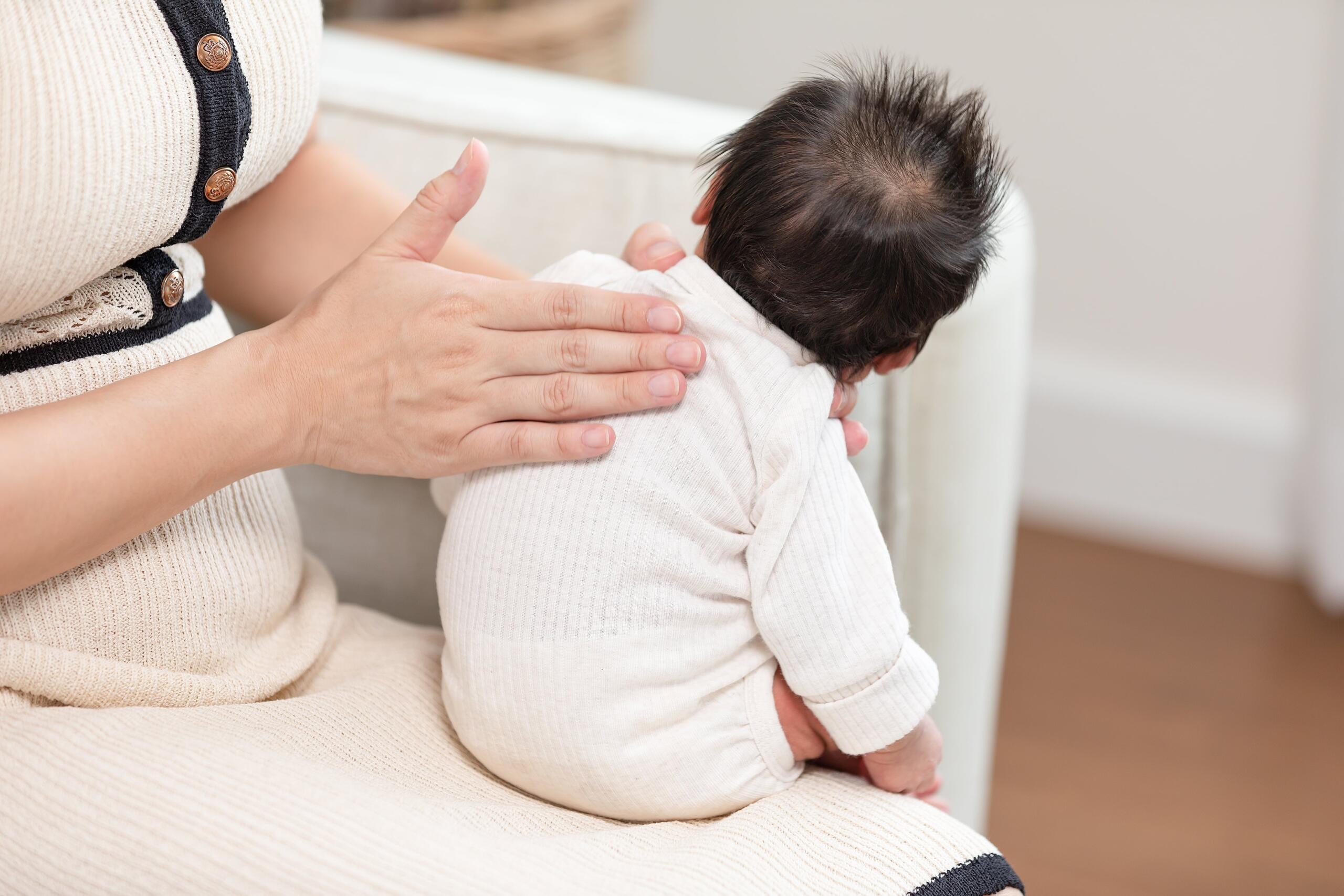
- Burp before laying your baby down
- Hold your baby upright for a short time after feeding
- Avoid bouncing or jostling right after a feed
- Keep the environment calm and dim
- Offer the pacifier if your baby uses one
I have noticed that nighttime hiccups often look worse to parents than they feel to babies. The baby may keep sleeping or drift back to sleep without much trouble. If your baby is otherwise settled, you usually do not need to do much.
A peaceful routine can help prevent hiccups too. Less rushing, fewer air bubbles, and a steady feed often mean fewer midnight surprises.
Baby hiccups by age: newborns, older infants, and preemies
How to stop baby hiccups can depend a little on age. Newborns tend to hiccup more often because their systems are still adjusting to life outside the womb. Older babies may still get hiccups, but they often happen less often as feeding skills improve.
For newborns:
- Keep feeds slow and frequent
- Burp often
- Use upright holding after feeds
For older infants:
- Watch for fast feeding or overeating
- Encourage calm feeding sessions
- Note whether hiccups happen after solid foods begin
For premature babies:
- Feeding can be more sensitive
- Extra air swallowing may be more common
- A pediatric team may give specific feeding guidance
Premature babies may need closer monitoring, especially if hiccups seem tied to feeding stress. The key is always the same: look at the whole pattern, not just the hiccups themselves.

Simple soothing routine parents can try
If you want a practical plan for how to stop baby hiccups, this simple routine is a good place to start. It is easy to remember and gentle enough for most babies. Think of it like helping a tiny body reset.
Try this order:
- Pause the feeding if your baby seems rushed.
- Burp your baby gently.
- Hold your baby upright for a few minutes.
- Offer a pacifier if your baby uses one.
- Let the hiccups pass if your baby is comfortable.
This routine works well because it addresses the most common causes: swallowed air, a full stomach, and a little digestive spillover. I like it because it keeps things calm instead of turning the moment into a bigger event than it needs to be.
If the hiccups keep returning after every feed, take notes. Write down when they happen, how long they last, and whether spit-up, coughing, or fussiness happens too. That pattern can help your pediatrician spot a feeding issue faster.
Frequently Asked Questions of how to stop baby hiccups
Why do babies get hiccups so often?
Babies get hiccups often because their diaphragm is still developing and can be easily triggered. Feeding, crying, and swallowing air are common causes.
Can hiccups hurt my baby?
Most of the time, no. Baby hiccups are usually not painful and do not bother the baby much, even if they sound dramatic.
Should I feed my baby while they have hiccups?
If your baby seems calm and hungry, you can usually continue feeding slowly. If the hiccups seem to make feeding harder, pause, burp, and try again in a few minutes.
Do pacifiers help stop baby hiccups?
A pacifier can sometimes help because sucking may relax the diaphragm. It is a gentle option if your baby already uses one.
When should I call the doctor about baby hiccups?
Call the doctor if hiccups seem frequent, very long, or linked with poor feeding, vomiting, coughing, or poor weight gain. Those signs may point to something more than normal hiccups.
Are home remedies safe for baby hiccups?
Not all home remedies are safe for babies. Avoid sugar, water for young infants, and any sudden-start methods, and stick to gentle soothing steps instead.
Conclusion
Learning how to stop baby hiccups is mostly about staying calm, feeding gently, and giving your baby time. In many cases, a burp, an upright hold, or a short pause is all it takes. The more you notice your baby’s feeding pattern, the easier it becomes to prevent hiccups before they start.
If you remember just one thing, make it this: baby hiccups are usually normal, but your gentle care can make them easier for both of you. Try the simple steps above, watch what works best for your baby, and talk to your pediatrician if the hiccups seem tied to discomfort or feeding problems. If this guide helped, share it with another parent or leave a comment with your own experience.