Changing a diaper means staying calm, cleaning well, and getting a snug, comfy fit.
Knowing how to change a diaper makes daily care easier, cleaner, and much less stressful for both you and the baby. With the right steps, a few smart habits, and a little practice, diaper changes can become a smooth part of your routine instead of a messy chore.

What You Need Before You Start
Before you learn how to change a diaper, it helps to set up your space first. I’ve found that a prepared diaper station saves time and keeps you from turning away from a wiggly baby halfway through the process.
Keep these items close by:
- A clean diaper in the right size
- Baby wipes or soft cloths with warm water
- Diaper cream or ointment, if needed
- A changing pad or clean, flat surface
- A fresh outfit, just in case
- A disposable bag or diaper pail for the used diaper
- Hand sanitizer or soap and water for you
A good setup matters because babies move fast. The more you can grab without leaving the baby alone, the easier diaper changing becomes.
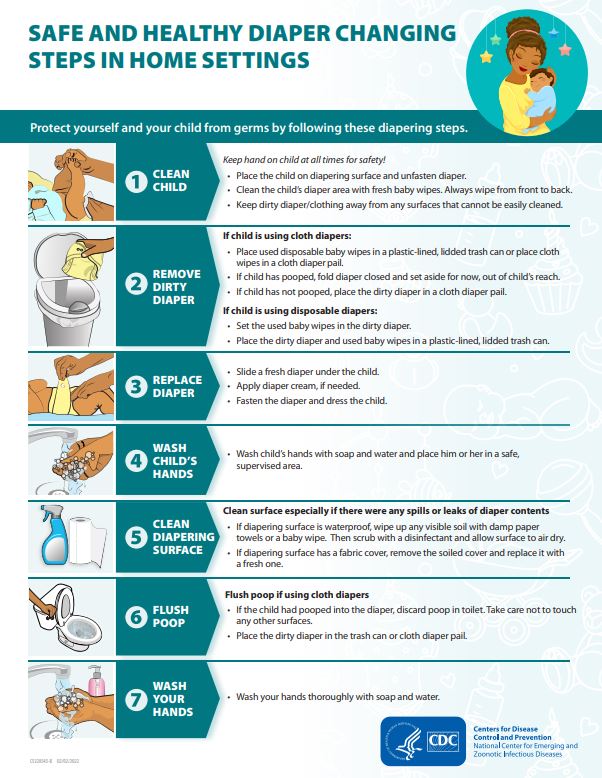
Step-by-Step: How to Change a Diaper
Changing a diaper is simple once you know the flow. The basic idea is to remove the dirty diaper, clean the baby well, and put on a fresh diaper that fits securely but not too tightly.
Here is the process I recommend:
- Wash your hands or use sanitizer first.
- Lay the baby on a safe, flat surface with one hand on them at all times.
- Unfasten the dirty diaper but leave it under the baby for a moment.
- Use the front part of the diaper to wipe away most of the mess.
- Fold the dirty diaper under the baby, clean side underneath.
- Use wipes or a damp cloth to clean the diaper area fully.
- Wipe from front to back for girls to help reduce the chance of infection.
- Let the skin dry for a few seconds.
- Apply diaper cream if the skin looks red or irritated.
- Slide a clean diaper under the baby and pull the front up.
- Fasten the tabs snugly, but leave room for two fingers at the waist.
- Check leg openings for a good seal to help prevent leaks.
- Wash your hands again when finished.
When I first learned how to change a diaper, I made the common mistake of fastening it too loosely. That led to leaks, which taught me that fit matters just as much as cleanliness. A diaper should be secure, but it should never leave marks or pinch the skin.

How to Change a Diaper for a Newborn
Newborn diaper changes can feel a little extra delicate. Their skin is sensitive, their poop is frequent, and their tiny bodies need gentle handling.
When changing a newborn diaper:
- Support the head and neck the whole time
- Be very gentle with the umbilical cord stump
- Use fragrance-free wipes or soft cloths
- Change diapers often to help prevent rash
- Use newborn or size 1 diapers if the fit is right
A newborn may need diaper changes many times a day, sometimes after nearly every feeding. That is normal. The goal is to keep the skin clean and dry, since moisture can lead to diaper rash faster in little babies.
How to Change a Diaper for a Baby or Toddler
As babies get older, diaper changes can become more of a moving target. They roll, kick, and sometimes try to escape like tiny escape artists.
A few tricks help:
- Give them a small toy to hold
- Sing a short song or count out loud
- Talk through each step in a calm voice
- Keep everything within reach before you begin
- Be quick, but do not rush the cleaning step
For toddlers, I always found that making diaper changing feel like a small routine worked better than trying to “win” the moment. A predictable pattern helps them feel safe and can reduce resistance.
How to Tell If a Diaper Needs Changing
One of the biggest parts of knowing how to change a diaper is knowing when to change it. A wet diaper may not always feel obvious, especially with super-absorbent modern diapers.
Look for these signs:
- The diaper feels heavy
- The wetness indicator line changes color
- You smell poop
- The baby seems fussy or uncomfortable
- The diaper sags or leaks
- The baby has gone a long time since the last change
Many pediatric experts recommend changing diapers often enough to protect the skin, especially after bowel movements. Leaving a dirty diaper on too long can lead to irritation, rash, and discomfort.
How to Prevent Diaper Rash While Changing Diapers
Diaper rash is common, but a careful routine can lower the risk. In my experience, the best prevention is simple: keep the skin clean, dry, and protected.
Helpful habits include:
- Change diapers promptly
- Clean the area gently
- Pat the skin dry instead of rubbing
- Use a barrier cream when needed
- Choose a diaper size that fits well
- Give the skin some air time when possible
If the rash is mild, more frequent changes often help. If it gets worse, spreads, or includes open skin, it is smart to ask a pediatrician for guidance.
Common Mistakes to Avoid When Changing a Diaper
Even experienced caregivers slip up sometimes. The good news is that most diaper-changing mistakes are easy to fix once you know what to watch for.
Avoid these common problems:
- Leaving the baby unattended on a changing table
- Forgetting to clean skin folds
- Fastening the diaper too tightly
- Fastening it too loosely and causing leaks
- Using harsh wipes on sensitive skin
- Not washing your hands afterward
One lesson I learned early was that rushing often causes more mess, not less. A calm, steady pace almost always works better than speed alone.
Tips to Make Diaper Changing Easier
A smooth diaper change often comes down to small habits. The more prepared you are, the less stressful the process feels.
Try these practical tips:
- Keep a diaper caddy in multiple rooms
- Restock wipes, cream, and diapers before they run out
- Use a changing pad cover that is easy to wash
- Dress the baby in clothes that are easy to remove
- Keep one hand on the baby at all times
- Stay calm if there is a surprise mess
Think of diaper changing like cooking with all your ingredients ready. When the setup is right, the whole process feels easier and far less chaotic.
Special Situations to Know About
Sometimes diaper changing needs a little extra care. These moments are normal, but they may call for a different approach.
Poop Blowouts
A blowout can happen when poop escapes the diaper and gets on clothes, skin, or bedding. If this happens, clean the baby gently and check the diaper size, since too-small diapers can make leaks more likely.
Umbilical Cord Care
For newborns with the umbilical stump, avoid rubbing that area and keep the diaper folded below it if possible. This helps keep the cord area dry and protected as it heals.
Sensitive Skin
If your baby has sensitive skin, choose fragrance-free wipes and diapers. Soft cloths with warm water can also be a good option if wipes seem to irritate the skin.
Frequently Asked Questions of how to change a diaper
How often should I change a diaper?
A diaper should usually be changed whenever it is wet or dirty, and often every 2 to 3 hours for babies. Newborns may need even more frequent changes because they urinate and poop so often.
What is the correct way to wipe during a diaper change?
For girls, wipe from front to back to help reduce the spread of germs. For boys, clean gently around the diaper area and make sure skin folds are dry and clean.
Do I need diaper cream every time?
No, diaper cream is not always needed. It is most helpful when the skin looks red, irritated, or at higher risk for rash.
How do I know if the diaper is too tight?
If the diaper leaves deep marks on the skin, seems hard to close, or makes the baby uncomfortable, it may be too tight. You should be able to slip two fingers comfortably at the waistband.
What should I do if my baby keeps wiggling during diaper changes?
Try giving the baby a toy, singing, or talking through the steps to keep them calm. For older babies, a quick and predictable routine often works best.
Conclusion
Learning how to change a diaper is one of those small parenting skills that makes a big difference every single day. With a clean setup, gentle cleaning, the right fit, and a calm routine, diaper changes can become faster, easier, and more comfortable for your baby.
The more you practice, the more natural it feels. Start with these steps, build your own routine, and notice what works best for your baby’s skin and temperament. If this guide helped you, take a moment to save it, share it, or explore more baby care tips to feel even more confident.