Newborn umbilical cord care helps the stump heal safely, dry out, and fall off without infection.
New parents often worry about every little change, and the umbilical cord stump can feel especially delicate. That concern is normal. With the right newborn umbilical cord care, most babies heal smoothly in about 1 to 3 weeks, and the process is usually simpler than it looks.
What newborn umbilical cord care really means
Newborn umbilical cord care is the gentle routine of keeping the cord stump clean, dry, and protected while it naturally heals. The stump is the small piece of cord left on your baby’s belly after birth. It slowly dries, turns brown or black, and then falls off on its own.
In most healthy babies, the main goal is not to “treat” the cord, but to avoid irritation and infection. That means less fussing, fewer products, and more patience than many parents expect. From experience, the biggest mistake I see is overdoing it, like cleaning too often or covering it tightly, which can slow drying instead of helping it.
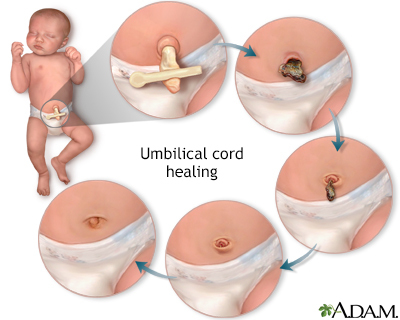
What to expect as the cord stump heals
The cord stump usually changes in stages, and those changes are normal. At first, it may look yellowish and soft. Then it dries, shrivels, darkens, and eventually drops off.
Common signs of normal healing include:
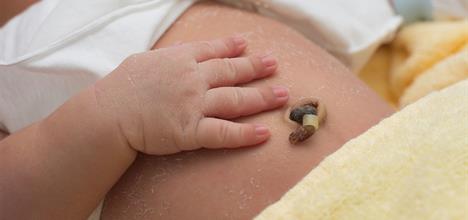
- A dry stump that looks brown, gray, or black
- A small amount of dried blood near the base
- Mild odor that is not strong or worsening
- Slight skin sensitivity around the area
After the stump falls off, a tiny scab or a small wet-looking spot may remain for a few days. That area usually closes on its own. I always tell caregivers to think of it like a tiny tree branch drying up before it naturally breaks away.
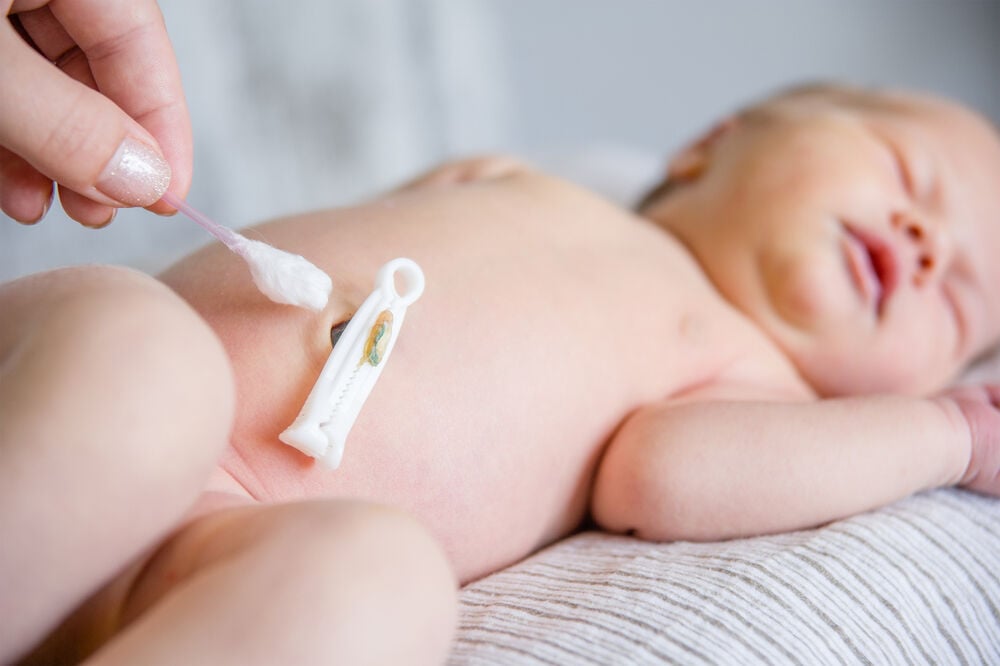
How to care for your baby’s umbilical cord stump
Good newborn umbilical cord care is simple, but consistency matters. The best approach is usually dry cord care unless your baby’s doctor gives different instructions.
Follow these steps:
- Keep the area clean and dry
- Fold the diaper below the stump so air can reach it
- Give sponge baths instead of tub baths until the stump falls off
- Wash your hands before touching the area
- Let the stump fall off naturally
If the stump gets dirty, clean it gently with water and mild soap if needed, then pat it dry. Do not pull, twist, or try to remove it early. I have seen parents panic over a little crust or dried blood, but in many cases, gentle care is enough.
What not to do during newborn umbilical cord care
Just as important as what you do is what you avoid. A lot of cord problems happen because well-meaning parents use too much moisture or too many products.
Avoid these common mistakes:
- Do not use alcohol unless your baby’s clinician specifically recommends it
- Do not apply powders, creams, oils, or herbal remedies
- Do not cover the stump with a tight diaper or plastic wrap
- Do not soak the baby in a bath before the stump falls off
- Do not pull off the stump, even if it looks barely attached
One real-world lesson that stands out is how often “helping” gets in the way. The cord is designed to separate on its own. Interfering can irritate the skin and increase the chance of infection or delayed healing.

Signs of infection or when to call the doctor
Most umbilical cord stumps heal without problems, but parents should know the warning signs. Early attention matters because newborn infections can become serious quickly.
Call your baby’s doctor if you notice:
- Redness spreading around the belly button
- Swelling or warmth near the stump
- Pus or yellow-green discharge
- A strong bad smell that gets worse
- Fever or poor feeding
- Bleeding that keeps going or soaks the diaper
- Your baby seems unusually sleepy, fussy, or unwell
A small amount of dried blood can be normal, especially when the stump is close to falling off. But active bleeding or redness that spreads is different. When in doubt, it is always safer to ask.
Bathing and diaper tips that make cord care easier
Daily routines can either protect the cord or irritate it. Small changes make a big difference.
Helpful tips include:
- Use sponge baths until the stump falls off
- Keep the diaper edge below the cord
- Choose loose, breathable baby clothes
- Avoid rubbing the area with towels
- Change wet diapers quickly
These simple habits help air dry the stump and reduce friction. In busy homes, this is where practical newborn umbilical cord care really matters. You do not need fancy tools, just a calm routine and a little attention.
Should you use alcohol on the umbilical cord?
In many cases, no. Current pediatric guidance in many settings supports dry cord care because it usually heals well and may fall off sooner. Alcohol can sometimes dry the stump faster in certain situations, but it can also irritate the skin.
The best choice depends on your baby, where you live, and what your healthcare team advises. Some hospitals or countries still use alcohol for specific reasons, especially if infection risk is higher. If you were given special instructions at birth, follow those first.
How long does the umbilical cord take to fall off?
Most cord stumps fall off within 1 to 3 weeks after birth. Some fall off sooner, and some take a little longer. That range is usually normal.
Things that can affect timing include:
- How often the area stays wet
- Whether the diaper rubs the stump
- Your baby’s healing pattern
- Whether the stump was handled too much
If the cord has not fallen off after 3 to 4 weeks, ask your baby’s clinician. Sometimes the stump just needs more time, but it is worth checking if healing seems delayed.
Special situations parents should know about
Not every baby’s cord care looks the same. Some situations need closer attention or extra guidance.
Be especially careful if your baby has:
- A premature birth
- A low birth weight
- A history of infection risk
- A cord area that seems moist for a long time
- A belly button that keeps leaking after the stump falls off
Also, some babies develop a small pink bump called an umbilical granuloma after the cord falls off. This is usually treatable and not the same as an infection. If you notice persistent wetness or tissue that does not look normal, bring it up at the next visit.
Simple newborn umbilical cord care checklist
If you want a quick routine, keep it simple. A short checklist helps when you are tired and sleep-deprived, which, let’s be honest, is most new parents.
Use this checklist:
- Keep the stump clean and dry
- Fold diapers down and away from the cord
- Sponge bathe until the stump falls off
- Watch for redness, pus, swelling, or fever
- Call the doctor if anything looks unusual
This kind of newborn umbilical cord care is less about perfection and more about steady, gentle habits. Babies do not need a lot of products here. They need clean air, dry skin, and patient care.
Frequently Asked Questions of newborn umbilical cord care
How do I clean my newborn’s umbilical cord?
Use a clean, damp cloth or mild soap and water only if the stump gets dirty. Then pat it dry gently and leave it uncovered so it can air out.
Is it normal for the umbilical cord to smell a little?
A mild odor can happen as the stump dries, and that is often normal. A strong or worsening smell, especially with redness or pus, should be checked by a doctor.
Can I give my baby a bath before the cord falls off?
Yes, but stick to sponge baths until the stump falls off and the area heals. Soaking the belly button can keep it wet and slow healing.
What should I do if the cord bleeds a little?
A tiny spot of dried blood is often normal, especially when the stump is close to falling off. If bleeding is active, keeps coming back, or soaks the diaper, call your baby’s clinician.
When should I worry about the belly button after the cord falls off?
Watch for redness, swelling, pus, fever, or a persistent wet bump. If the belly button keeps draining or does not seem to heal, your doctor should take a look.
Conclusion
Newborn umbilical cord care is usually simple: keep it clean, keep it dry, and let nature do the rest. Most stumps heal on their own without special products or complicated steps, as long as you avoid pulling, soaking, or over-treating the area.
If you stay alert for infection signs and follow a gentle routine, you can help your baby heal comfortably and safely. Use the tips in this guide, trust your instincts, and reach out to your baby’s doctor if something does not look right. If this helped you, explore more newborn care resources and share your questions in the comments.