Offer chilled teethers, gentle gum massage, and safe, weight-based pain relief as needed.
I’ve helped many parents soothe their babies through teething. I write from real parenting experience and careful research. This guide explains how to soothe teething baby with clear, safe steps you can use today. Read on for practical tips, warnings, and simple routines that work.
What is teething and when does it happen?
Teething is the process when a baby’s teeth push through the gums. It usually starts around 4 to 7 months. Some babies teeth earlier or later, and each baby is different. Knowing this helps you plan how to soothe teething baby in small steps.
Common teething symptoms to watch for
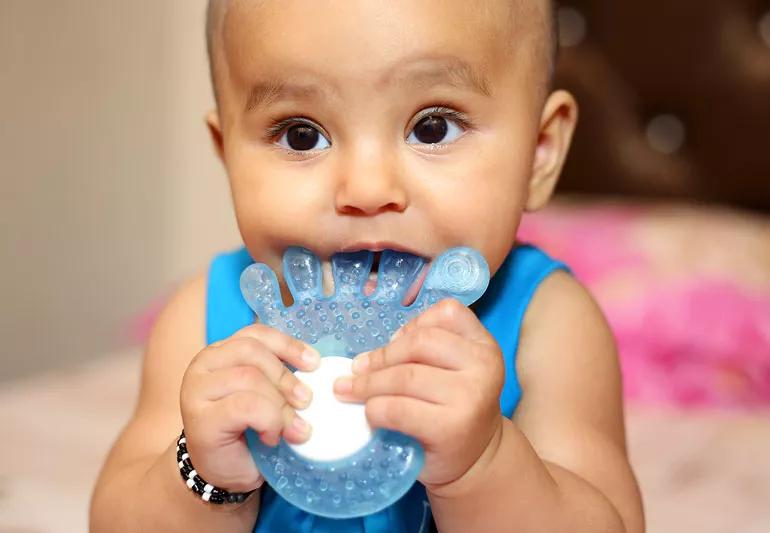
Teething signs can vary. Look for drooling, fussiness, chewing on objects, swollen gums, and trouble sleeping. Mild rise in temperature is possible, but a high fever is not a normal teething sign. Understanding these signs helps you act fast to soothe teething baby.
How to soothe teething baby: proven methods
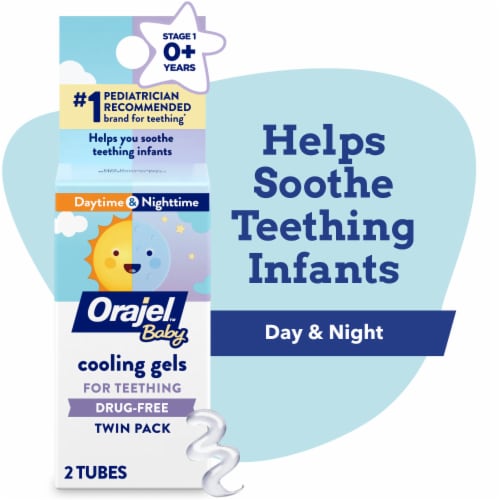
Use gentle, simple ways first. Offer a clean, chilled teether for chewing. Try a cool, damp washcloth the baby can gnaw on. Gently rub the gums with a clean finger for soothing pressure. Breastfeeding or extra cuddles calm many babies quickly. If fussing continues, consult your pediatrician about safe pain relief. These steps show reliable ways to soothe teething baby without risk.

Safe teethers and tools that work
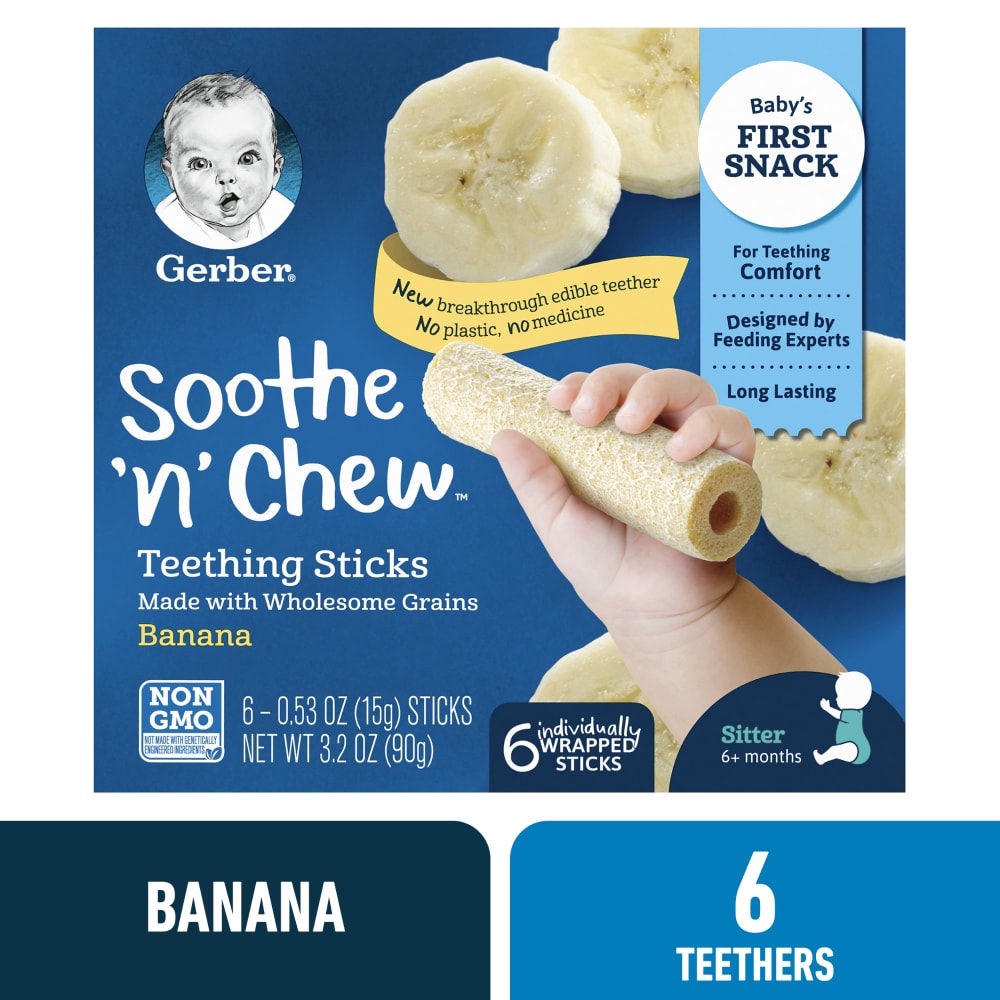
Choose teethers designed for babies. Look for soft, food-grade silicone or rubber. Cold, not frozen, teethers reduce pain best. Give toys that are easy to grip and hard to break. Rotate a few options so the baby does not get bored. These tools make it easier to soothe teething baby throughout the day.
Natural and home remedies to try
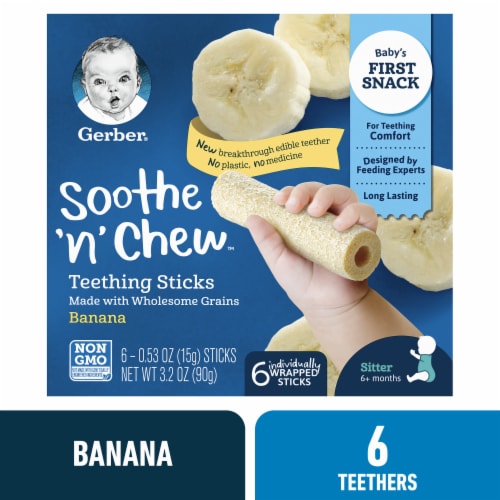
Home options can be quick and free. Use a chilled (not frozen) washcloth tied in a knot for chewing. Offer chilled slices of cucumber or carrot for older babies who can hold food safely. Try a gentle gum massage with a clean finger for a minute or two. Avoid teething necklaces, homeopathic tablets, and topical numbing gels that are not recommended. These safe choices help parents who want natural ways to soothe teething baby.
Over-the-counter options and safe use
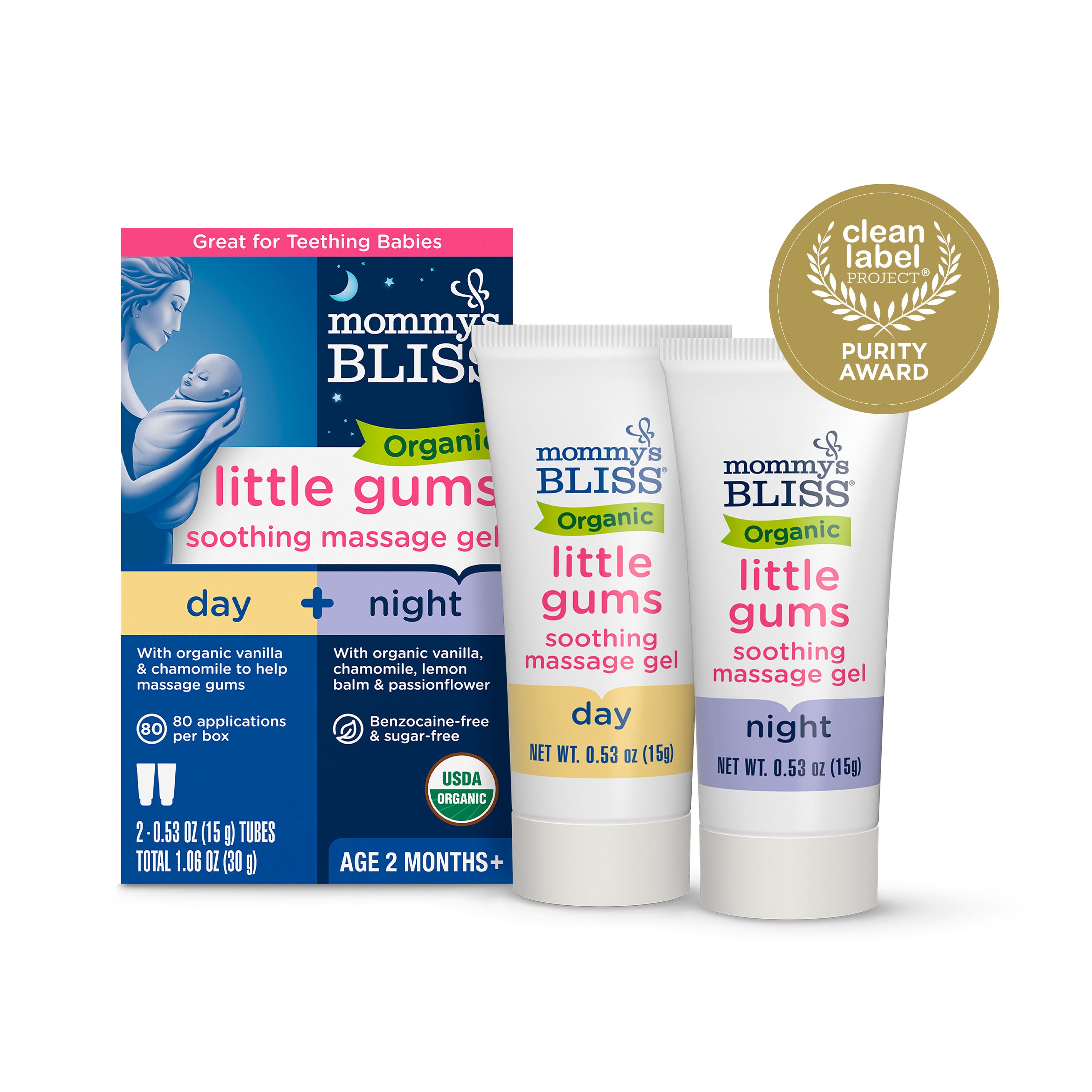
Acetaminophen and ibuprofen can help when pain is bad. Always use weight-based dosing and follow your pediatrician’s advice. Do not give aspirin to babies. Avoid benzocaine gels for infants unless a doctor recommends a specific product. When used correctly, OTC meds are a helpful option to soothe teething baby during rough nights.

Comfort strategies for sleep and routine
A calm routine makes a big difference. Keep sleep times consistent and dim the lights before bed. Use white noise and extra cuddles to soothe a fussy baby. Try a chilled teether shortly before sleep to ease discomfort. These small routine changes help soothe teething baby and improve sleep.

When to call a doctor
Contact your pediatrician if your baby has a high fever, severe diarrhea, rash, or persistent vomiting. If pain stops normal feeding or breathing seems hard, seek immediate care. Teething alone rarely causes a high fever over 100.4°F. Knowing when to call helps you protect your child and get help fast.

My top tips and mistakes to avoid
I learned these tips as a parent and caregiver. Keep teethers clean and rotate them daily. Do not use frozen toys or apply unproven numbing gels. Offer comfort first, then medicine if needed. These lessons help you soothe teething baby with fewer mistakes.
Frequently Asked Questions of how to soothe teething baby
How long does teething pain usually last?
Teething bouts can last a few days around each tooth. Some babies have short fussy periods, while others are uncomfortable for a week. Expect varied timing and be ready with simple remedies.
Can teething cause a fever?
Teething can cause a slight rise in temperature. A true fever over 100.4°F is not usually from teething and should be checked by a doctor. Monitor symptoms closely and call your pediatrician if you are unsure.
Are teething necklaces or amber beads safe?
Teething necklaces and amber beads are not safe for babies. They pose a choking and strangulation risk and are not recommended by experts. Use safer, tested teethers instead.
When can I give medicine to soothe teething baby?
Give medicine if your baby is clearly in pain and simple measures do not help. Always use weight-based doses and follow your pediatrician’s guidance. Avoid giving medication frequently without medical advice.
What home remedy works fastest to soothe teething baby?
Cold, soft pressure often works fastest. A chilled teether or wet washcloth offers quick relief. Add gentle gum massage and comfort for the best results.
Conclusion
Teething is a normal phase, but it can be hard on babies and parents. Use chilled teethers, gentle gum massage, comfort, and safe medicines when needed to soothe teething baby. Stay alert for signs that need medical care and avoid risky products. Try one new tip this week and watch what helps your child most. If this guide helped, subscribe for more parenting tips or leave a comment with your best teething wins.