Swaddles calm newborns instantly, while sleep sacks offer safer, long-term sleep as babies grow.
I have worked with new parents and tested countless sleep products. This guide compares swaddle vs sleep sack newborn choices with clear, practical advice. You will learn how each works, safety rules, when to switch, and which fits your baby. Read on to make a calm, confident choice for your infant’s sleep.
How swaddles and sleep sacks work
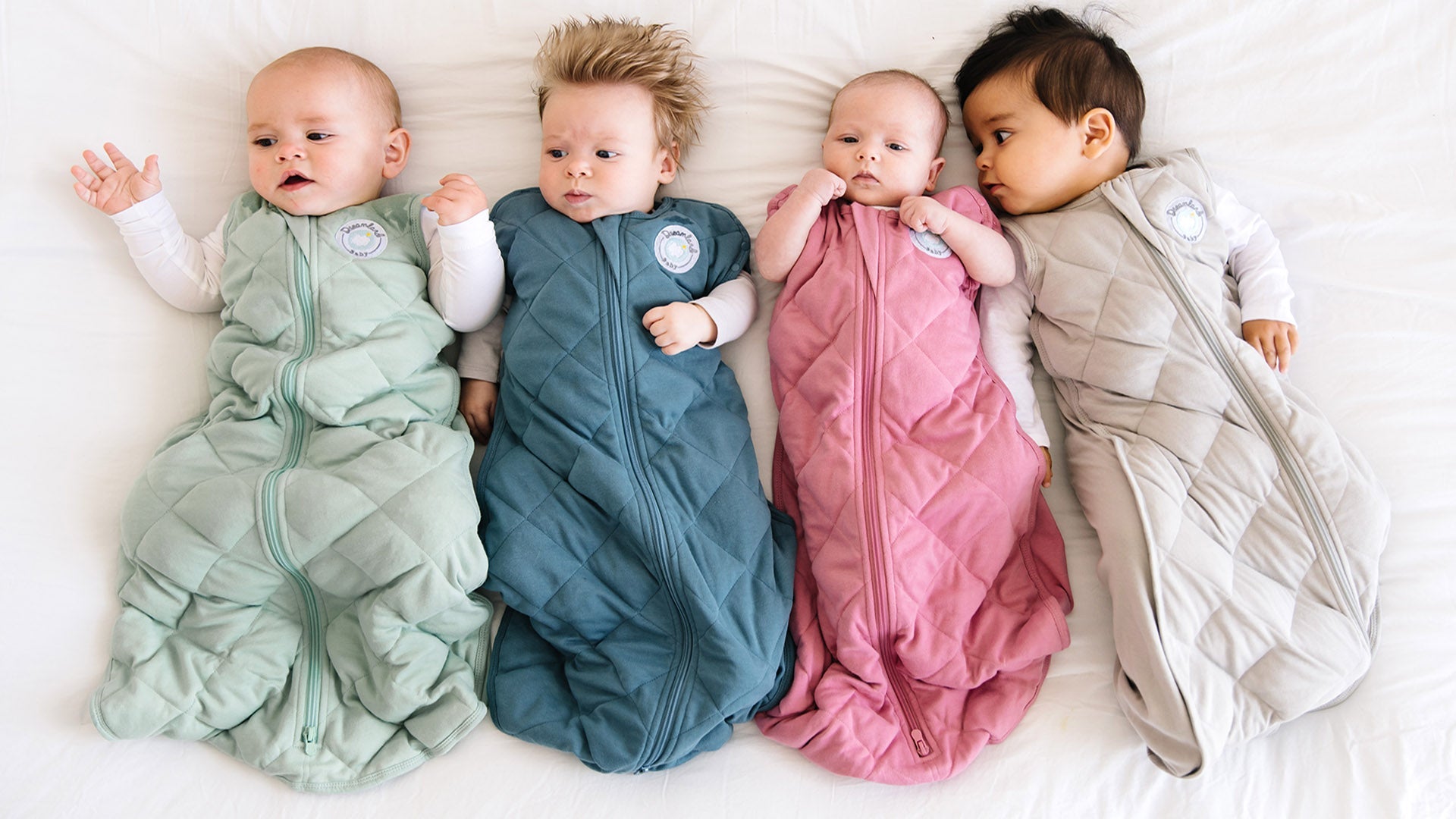
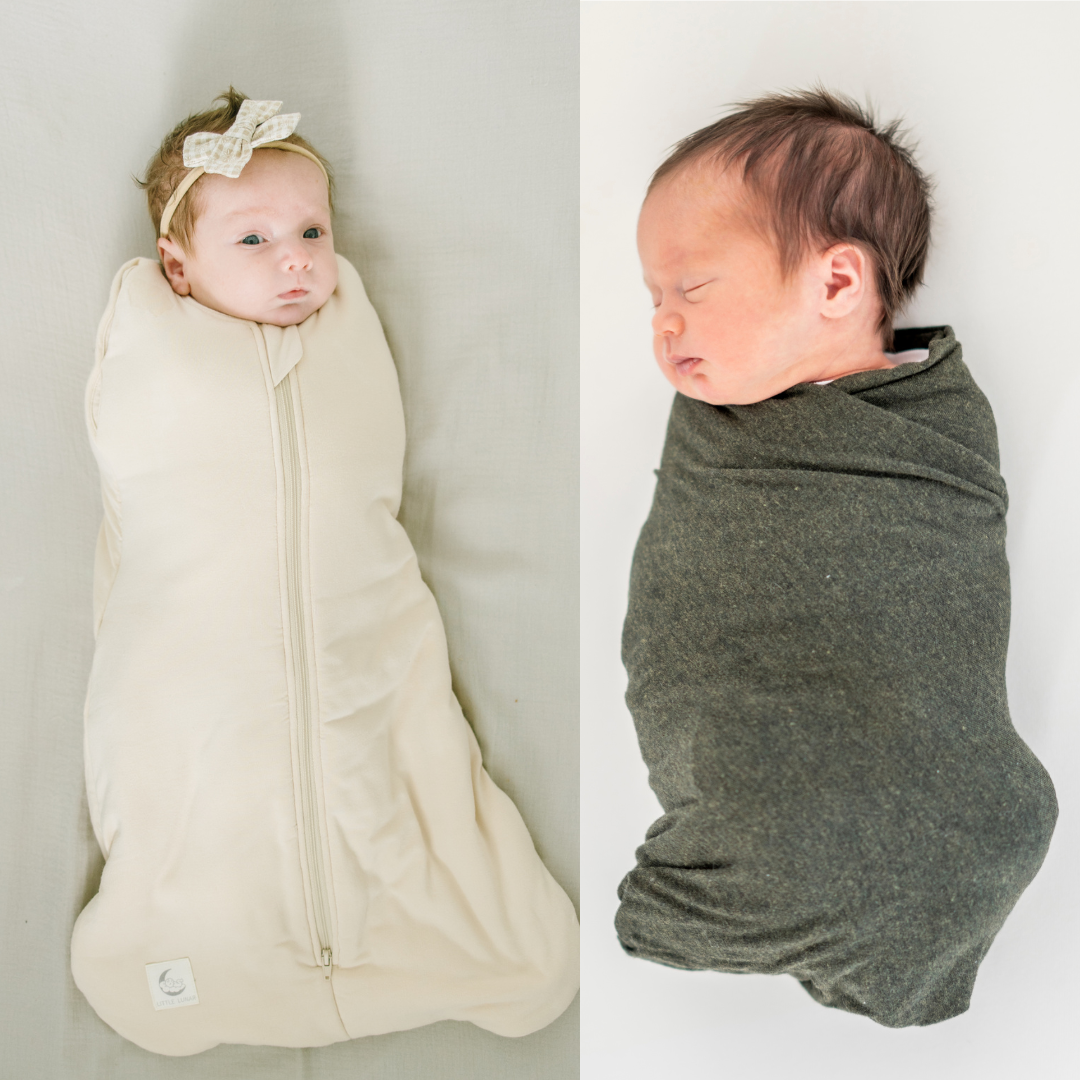
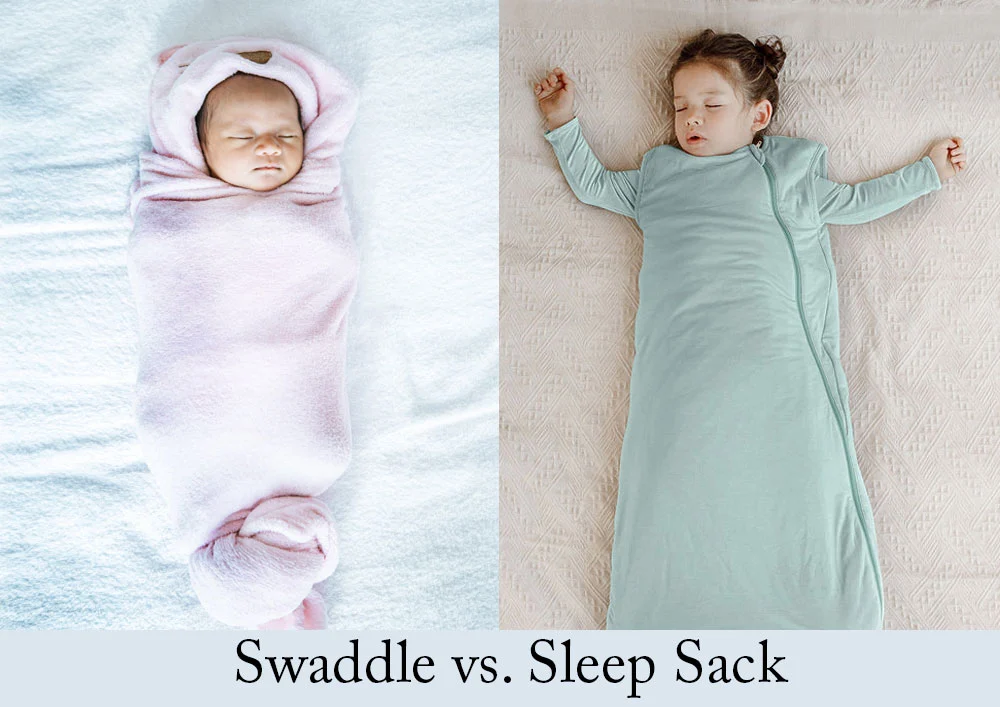
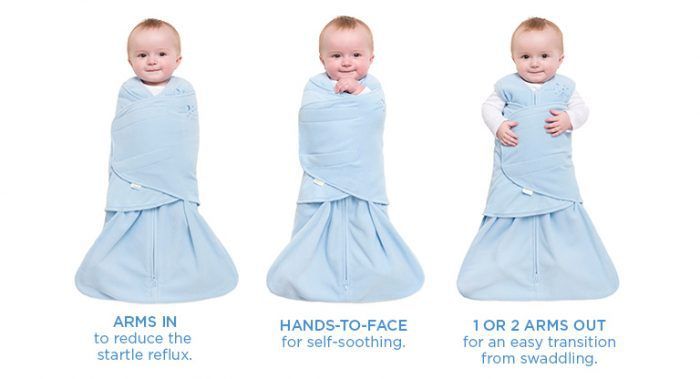
Swaddles wrap a newborn snugly to limit startle reflexes. This can help babies fall asleep faster and stay asleep longer. Swaddles come as blankets, Velcro wraps, or zip-up garments.
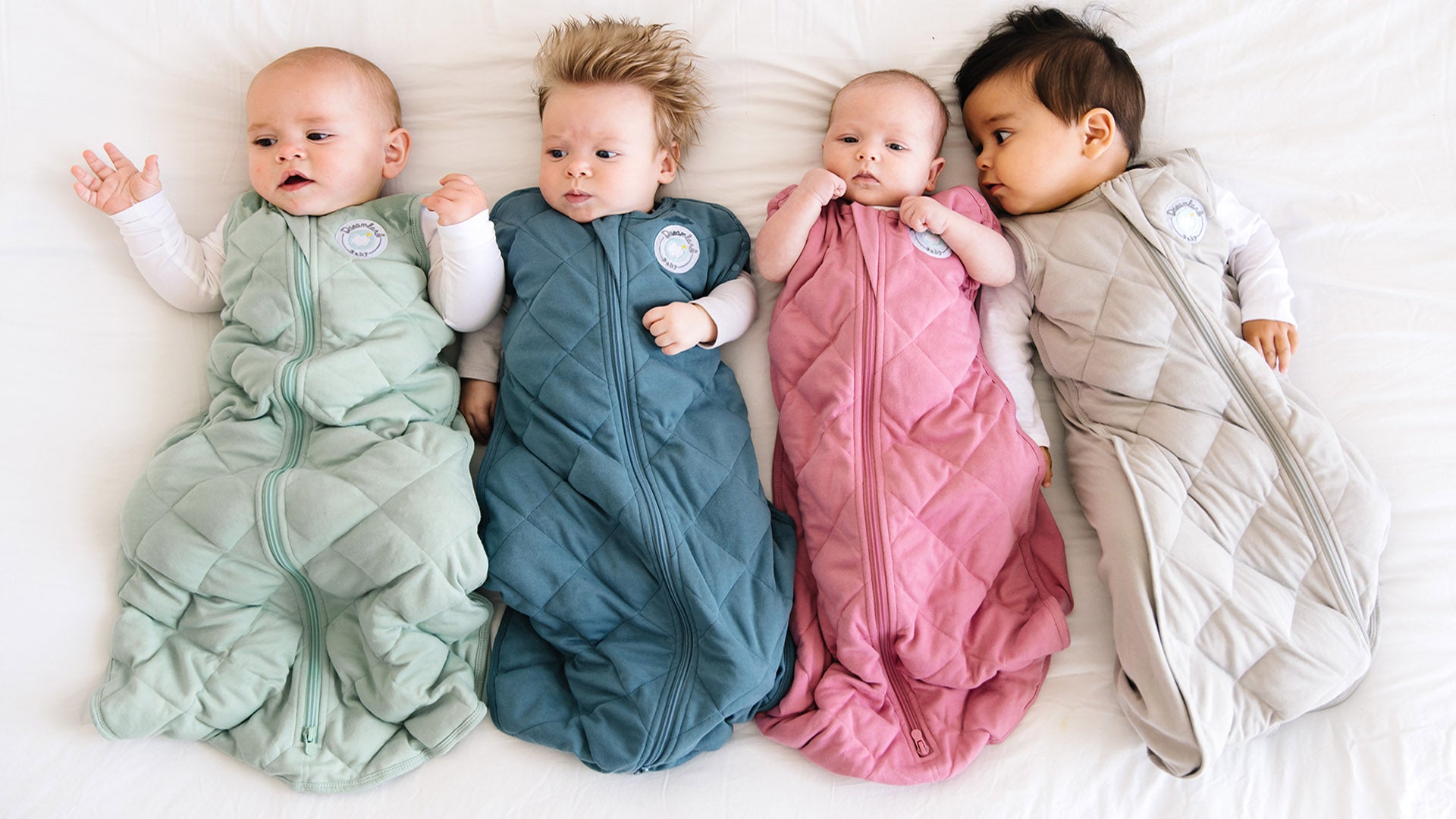
Sleep sacks are wearable blankets that keep a baby covered without loose sheets. They allow arm movement or limit it, depending on style. Sleep sacks replace loose bedding and reduce suffocation risk once swaddling is no longer safe.
How these two compare matters for development and safety. The phrase swaddle vs sleep sack newborn frames choices by age, mobility, and sleep patterns. Parents often ask which to use and when. This section sets the stage for those answers.
Key benefits of each option
Swaddles and sleep sacks both help babies sleep. Each has distinct benefits.
Swaddle benefits
- Soothes the startle reflex and reduces sudden awakenings.
- Can mimic womb comfort and ease fussiness in the first weeks.
- Lightweight blankets are simple and portable.
Sleep sack benefits
- Keeps baby warm without loose blankets.
- Safer for rolling babies and older infants.
- Offers long-term use from newborn phase to toddler stage with size options.
When you weigh swaddle vs sleep sack newborn needs, think short-term soothing versus longer-term safety.
Risks and safety considerations
Safety is the top priority. Know the risks before choosing.
Swaddle risks
- Too tight swaddling can harm hip development.
- Swaddling beyond rolling increases SIDS risk and suffocation risk.
- Overheating is possible with heavy fabrics.
Sleep sack risks
- Incorrect sizing can allow slipping inside the sack.
- Poor-quality zippers or closures can break if not checked.
- Some sleep sacks with arm restriction are not suitable for older babies who roll.
Follow safe sleep guidelines. Stop swaddling when baby shows signs of rolling. Use breathable fabrics and the right size for each stage.

When to use a swaddle and when to switch to a sleep sack
Timing matters in the swaddle vs sleep sack newborn decision. Use this rule of thumb.
When to swaddle
- From birth until about 2 to 4 months for most babies.
- While baby cannot roll and shows strong startle reflex.
- When baby sleeps better with arms snug at the chest.
When to switch
- At first signs of rolling, usually around 3 to 4 months.
- When baby pushes up on arms or starts to break out of the swaddle.
- If hip problems arise, consult your pediatrician before swaddling.
Switching too late can increase risk. Switching too early may reduce sleep quality for some infants. Watch your baby’s cues.
How to swaddle safely: step-by-step
A safe swaddle is snug but not tight. Use this simple method.
- Lay a thin blanket flat and fold down one corner about 6 inches.
- Place baby on the blanket with shoulders above the fold.
- Tuck one arm gently down and wrap the blanket across the chest.
- Wrap the bottom up and then wrap the other side across, leaving room for the hips to move.
Tips
- Leave about a finger’s width between fabric and chest.
- Avoid tight swaddling around hips and legs.
- Use swaddle designs with secure closures for consistency.
If you notice hip splaying, loosen the wrap or use a hip-safe swaddle.
Choosing the right sleep sack
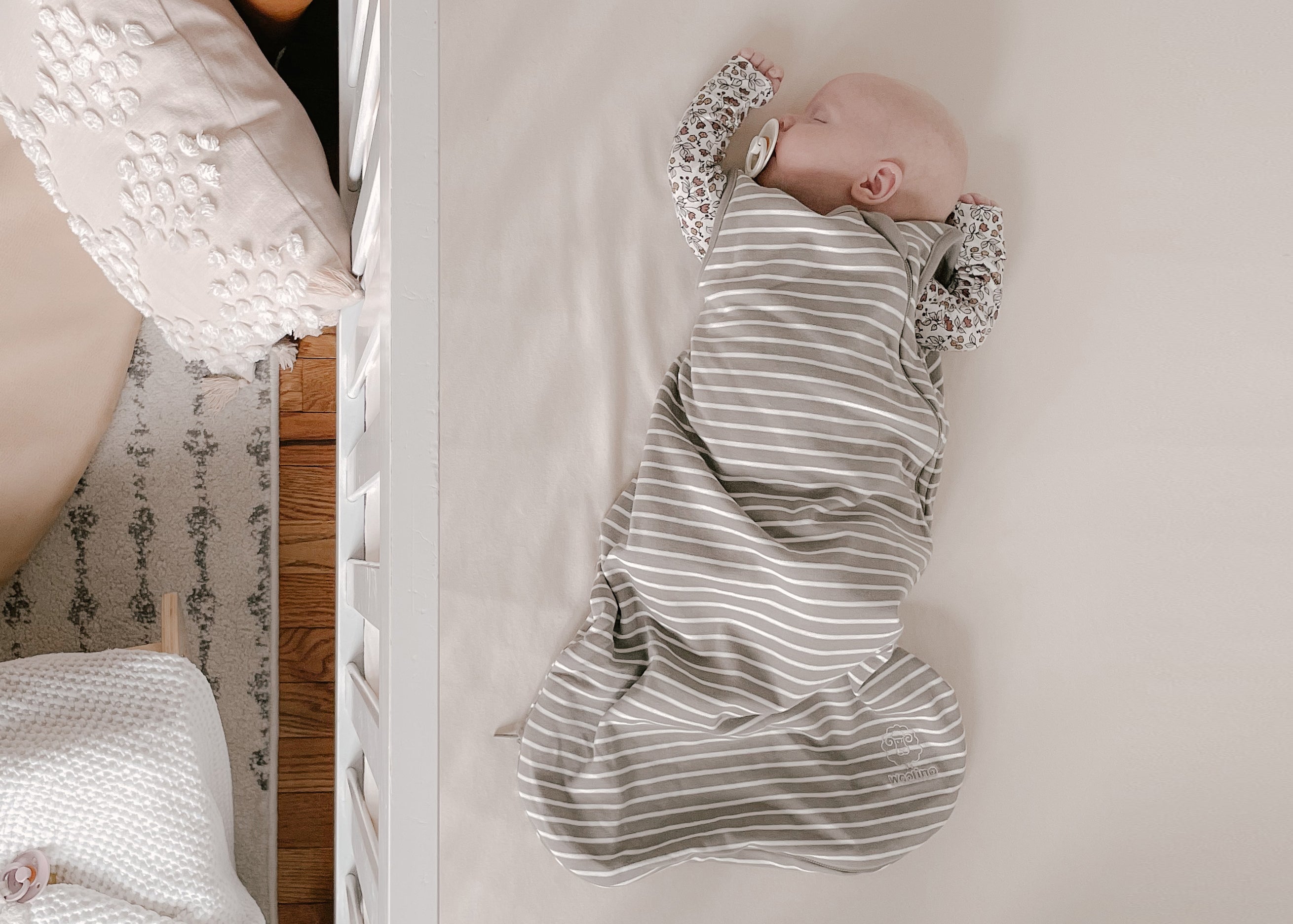
Pick a sleep sack that matches age, size, and climate.
Fit and size
- Choose a size that allows leg movement but prevents slipping.
- Check weight and length guidelines from the maker.
Material and TOG
- Use cotton or bamboo for breathability.
- Choose TOG rating based on room temperature to avoid overheating.
Design features
- Two-way zippers make nighttime diaper changes easier.
- Arm options: sleeveless for warmer nights, short or long sleeves for cooler temps.
- Look for certified safe manufacturing and tested closures.
Testing and inspection
- Inspect seams, zippers, and fabric regularly.
- Replace a sack if worn or damaged.

Personal experience and practical tips
I have used both swaddles and sleep sacks with infants I cared for. Here are lessons I learned.
- Start with a simple blanket swaddle. It taught me how snug is snug enough.
- Switch to a sleep sack at the first roll. I saw naps improve and fewer wake-ups.
- Try different fabrics. Some babies prefer soft bamboo over crisp cotton.
- Use a swaddle with a hip-friendly bottom to protect the hips.
- When stressed and sleep deprived, a good swaddle saved the night once.
Common mistakes to avoid
- Swaddling too tightly at the hips.
- Keeping baby swaddled after they attempt to roll.
- Choosing a sleep sack that is too large or too small.
These tiny changes made sleep better and safer in my real cases. Trust your instincts and watch your baby closely.
Practical examples and scenarios
Here are quick scenarios to help decide between swaddle vs sleep sack newborn.
Scenario 1: Newborn, startle reflex, good sleeper
- Use a snug swaddle for the first weeks to calm them.
Scenario 2: Three-month-old beginning to roll
- Switch to a sleep sack with arm freedom right away.
Scenario 3: Cold room, newborn who breaks out of blanket swaddles
- Use a fitted sleep sack with higher TOG for warmth.
Scenario 4: Concern about hips or family history of hip dysplasia
- Use hip-healthy swaddle designs or consult your pediatrician before swaddling.
PAA-style quick questions (answers within text)
Will swaddling reduce crying?
- Yes, many babies calm with a swaddle because it limits the startle reflex. Use it early and watch for signs to stop.
Is a sleep sack safer than loose blankets?
- Yes, sleep sacks lower the risk of loose blankets covering the face. They are recommended once swaddling ends.
How long should I swaddle a newborn?
- Most babies benefit from swaddling until 2 to 4 months. Stop when rolling begins.
Can swaddling affect hip development?
- Tight swaddles that strap legs straight may affect hips. Allow leg movement and use hip-healthy methods.
When is the best time to buy sleep sacks?
- Buy one or two sizes up before your baby starts rolling. This ensures a smooth transition.
Frequently Asked Questions of swaddle vs sleep sack newborn
What is the main difference between a swaddle and a sleep sack?
A swaddle wraps the baby tightly to reduce startle reflexes. A sleep sack is a wearable blanket that keeps the baby covered and allows safer movement as they grow.
When should I stop swaddling my newborn?
Stop swaddling when your baby shows signs of rolling or pushes up on hands. This often happens around 3 to 4 months.
Are sleep sacks safe for night sleep?
Yes. Sleep sacks replace loose bedding and reduce suffocation risk. Choose the right size and breathable fabric.
Can swaddling cause overheating?
Yes. Heavy fabrics or multiple layers can cause overheating. Use lightweight materials and adjust room temperature.
How do I choose the right size sleep sack for my baby?
Pick a size based on baby’s weight and length. The sack should fit snugly at the neck and arms and allow free leg movement.
Is it okay to swaddle both arms in or leave one out?
Leave arms out if your baby sleeps better that way or starts to roll. Some babies prefer both arms in for more calming. Change based on safety cues.
Can a sleep sack be used during naps and travel?
Yes. Sleep sacks are useful for naps and travel because they replace loose blankets and are easy to use.
Conclusion
Choosing between swaddle vs sleep sack newborn depends on age, mobility, and safety needs. Swaddles soothe newborns and help early sleep. Sleep sacks offer safer coverage as babies grow and roll. Start with what helps sleep now and plan to switch when developmental signs appear. Try both, watch your baby, and pick the option that balances comfort and safety. If this guide helped, subscribe for more baby sleep tips or leave a comment with your experience.