Carriers beat strollers for closeness and hands-free ease; strollers win on comfort and storage.
I write about baby gear from years of hands-on testing and caring for two kids. This guide on baby carrier vs stroller walks you through real trade-offs, safety tips, and smart buying advice. Read on to pick the right option for your family, lifestyle, and child’s age.
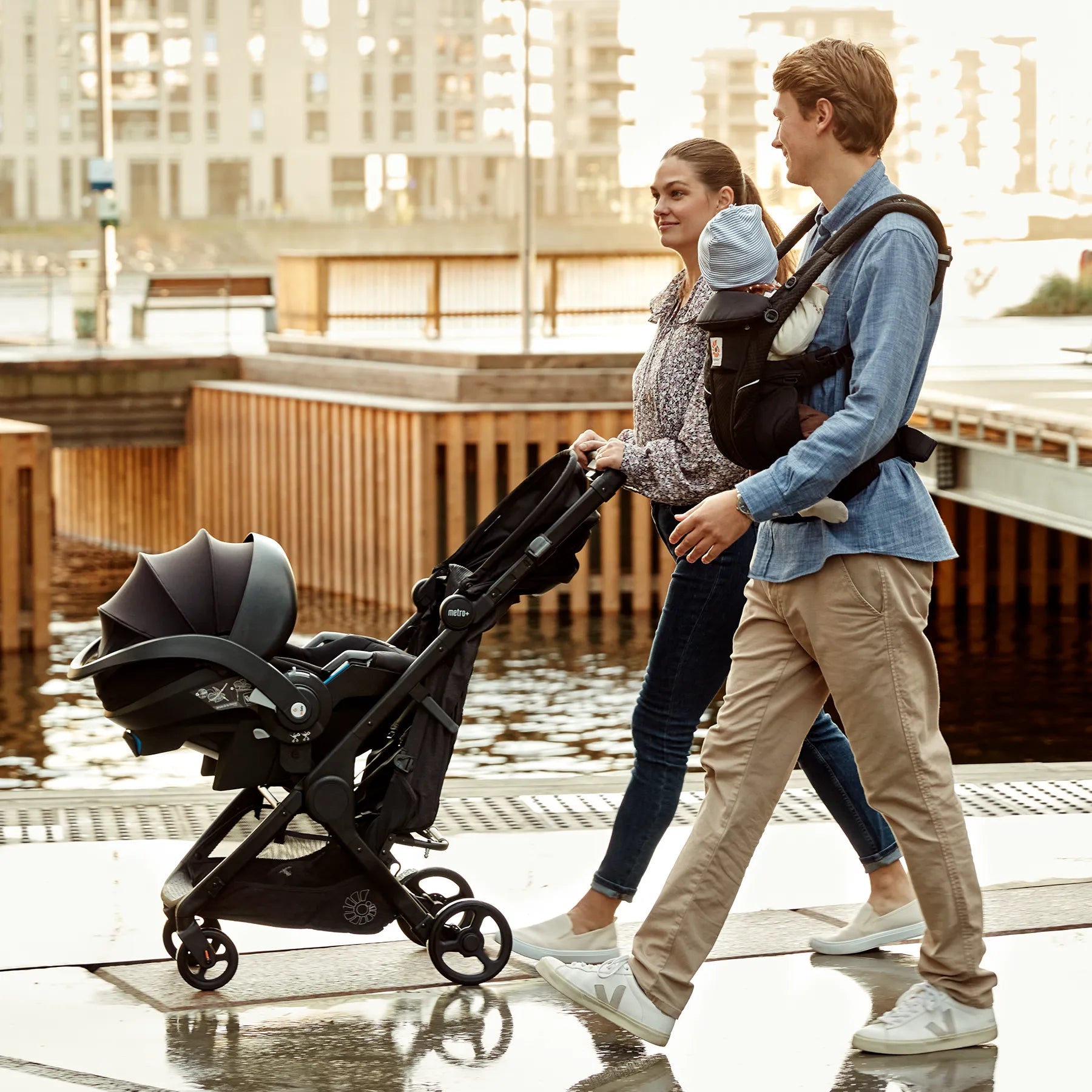
Why compare baby carrier vs stroller now
Parents face this choice daily. The baby carrier vs stroller question comes up for short walks, travel, grocery trips, and naps on the go. Each option changes how you move, bond, and plan outings.
I’ve used both systems through newborn days, toddler years, and travel. I will share what I learned. Expect clear pros and cons, safety steps, and simple checklists to decide.
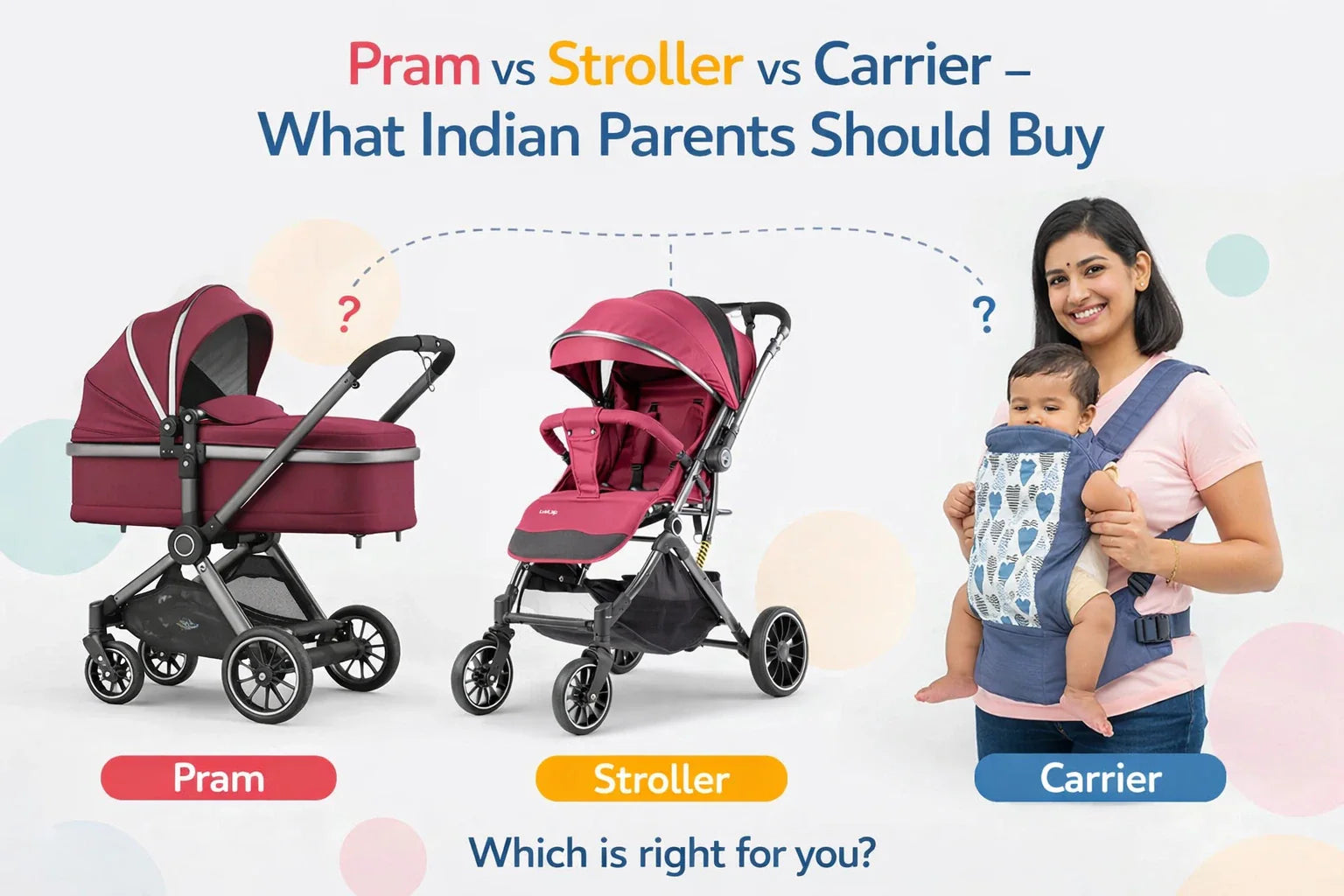
Benefits of a baby carrier vs stroller: when carriers win
A carrier keeps baby close. Close contact helps feeding, calming, and sleep. Carriers let you use both hands. They work well on crowds, stairs, and uneven paths.
Key carrier benefits
- Bonding and soothing are faster with skin-to-skin or chest wear.
- Hands-free convenience helps with shopping, walking the dog, or holding a toddler’s hand.
- Compact and easy to pack for travel or public transit.
- Good for quick errands where folding a stroller is slower.
Real-world note: I used a soft-structured carrier for quick grocery runs. My baby slept more easily there than in the stroller seat for short trips.
When a carrier may be better
- Quick trips and crowded places.
- Parents who need both hands or use public transit.
- Babies from newborn to about two years, depending on support and weight limit.
Limitations to watch
- Long walks can strain your back if fit is poor.
- Carriers can be hot in summer.
- Not ideal for heavy loads like shopping bags; strain risk increases.

Benefits of a baby carrier vs stroller: when strollers win
Strollers give comfort and storage. They offer a place to nap, store bags, and sit older kids. Strollers reduce parent fatigue on long walks or rough terrain.
Key stroller benefits
- Larger storage baskets for diaper bags and groceries.
- Better for longer walks, parks, and airport travel with wheels.
- Recline options and sun canopies help longer naps outdoors.
- Many strollers convert to travel systems or attach car seats.
Real-world note: For long zoo visits and airports, a compact travel stroller saved my back and kept supplies handy.
When a stroller may be better
- Long outings, shopping trips, and travel.
- Families carrying extra gear or older toddlers who want to sit.
- Parents with physical limits who need lower back relief.
Limitations to watch
- Bulky strollers can be hard to lift and store.
- Some models struggle on stairs and narrow sidewalks.
- Assembly and folding take time on short errands.

Safety and fit: carrier vs stroller
Safety matters in both choices. Use the right carrier size and keep baby’s airway visible. For strollers, lock brakes, and use harnesses.
Carrier safety basics
- Ensure baby’s chin is off their chest.
- Keep knees at or above hip level in carriers for hip health.
- Use carriers rated for your baby’s age and weight.
Stroller safety basics
- Use the harness at all times.
- Engage wheel locks when parked.
- Check stroller for recalls and sturdy brakes.
Experience tip: I always do a quick harness check and a wiggle test before leaving the house. It takes 10 seconds and prevents a lot of stress.

Choosing by age and development: baby carrier vs stroller guidance
Newborns
- Carriers with newborn inserts or wrap-style carriers support head and neck well.
- Strollers with full recline or bassinets work for long naps.
Infants 3–6 months
- Carriers still work if they support the spine and hips.
- Strollers are great for longer naps and outings.
Toddlers
- Strollers offer rest when legs tire.
- Carriers can help for short times, but weight becomes a limit.
PAA-style questions
Is a carrier safe for newborns?
Yes, when used correctly with newborn support and proper positioning to keep the airway open.
When should I switch to a stroller?
Switch when your outings get longer, baby naps better in a stroller, or carrying becomes uncomfortable.

Practical tips and mistakes to avoid
Easy tips to choose and use gear well.
- Try before you buy. Test fit in store or borrow from a friend.
- Check weight limits and real-world comfort, not just specs.
- Practice folding and fitting a stroller in your car trunk.
- Adjust carrier straps every time you wear it for proper spine support.
Common mistakes I made
- Buying a heavy jogging stroller for city use. It was hard to maneuver in shops.
- Choosing a carrier without shoulder padding. My shoulders hurt on long outings.
- Skipping a test push with a full diaper bag. The stroller handled poorly.

Cost, portability, and long-term value
Cost matters. Carriers and strollers span budget to premium. Think of lifetime use and resale value.
Price and portability
- Carriers: generally lower cost, compact, and easy to travel with.
- Strollers: higher cost for travel systems or all-terrain models, but offer more function.
Value tips
- Buy what fits your main use. A mid-range carrier and compact stroller often cover most needs.
- Consider resale. Popular strollers keep value longer than cheap ones.
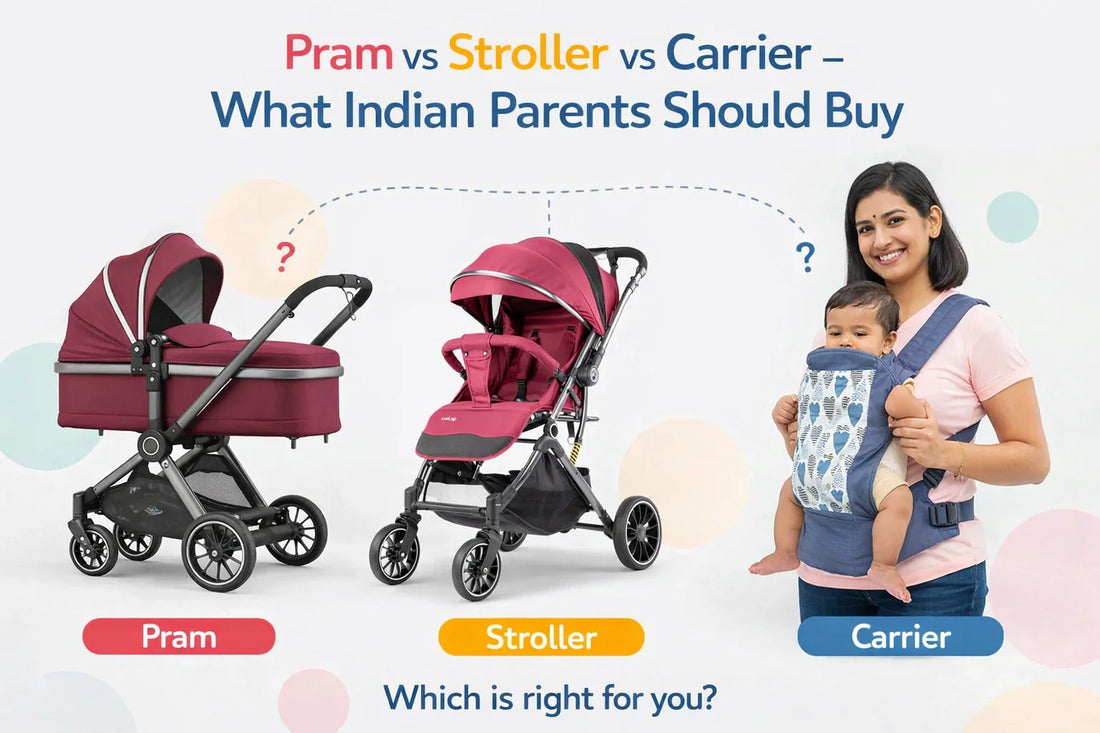
Comparison checklist: choose what fits your life
Use this checklist when deciding between baby carrier vs stroller.
Quick checklist
- How long are your outings? Short: carrier. Long: stroller.
- Do you use public transit and stairs? Carrier wins.
- Do you carry a lot of gear? Stroller wins.
- Is back pain a concern? Stroller may help.
- Do you want bonding and closeness? Carrier helps.
Try this simple test: plan one week of short trips in a carrier and one week using a stroller. Note stress, sleep, and convenience. Your winner will likely stand out.
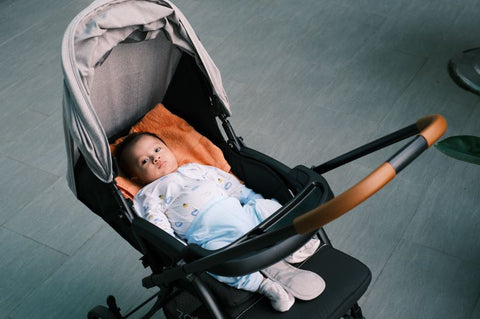
Maintenance and hygiene
Both items need care. Clean following manufacturer rules. Check fasteners monthly.
Carrier care tips
- Wash according to label to avoid fabric shrink.
- Air dry to keep padding shape.
Stroller care tips
- Clean spills quickly to avoid stains.
- Lubricate wheels and store folded when not in use.
Final decision framework for baby carrier vs stroller
Ask these three questions before buying.
- What is my main daily use?
- Will I travel or use public transit often?
- Can I carry the baby’s weight comfortably?
If you need a short, light option for daily quick outings, go with a carrier. If you want comfort for long walks, storage, and naps out, choose a stroller. Many families use both and swap by need.
Frequently Asked Questions of baby carrier vs stroller
Is a baby carrier safer than a stroller?
Both are safe when used correctly. Safety depends on fit, correct use, and following manufacturer instructions.
Can I use a carrier and stroller together?
Yes. Many parents use a carrier for crowded times and a stroller for long outings or naps.
When can a baby face outward in a carrier or stroller?
Face-out options are usually for older infants with good head control, often around 6 months, depending on the product.
How do I prevent back pain with a carrier?
Choose a carrier with a supportive waist belt and padded shoulder straps. Adjust fit and alternate carrying positions.
Are travel strollers worth it for air travel?
Yes, compact travel strollers are great for flights. They fold small and often gate-check easily, saving time and effort.
Do carriers affect hip development?
When used with correct ergonomic positioning—knees above hips and spread legs—carriers support healthy hip development.
Conclusion
Both options are tools for different needs. The baby carrier vs stroller choice comes down to how you move, how long you are out, and what feels comfortable. Try both if you can. Start with a carrier for close bonding and quick trips, then add a stroller for long walks and heavy loads. Use the checklists and safety tips above to pick gear that fits your life and keeps your child secure. Share your experience, subscribe for more guides, or leave a comment about what worked for your family.