Help baby walk by creating safe practice time, offering gentle support, and fun incentives.
I have worked with many parents and early childhood programs to support walking milestones. This guide on how to encourage baby walking blends clear steps, real tips, and simple science so you can help your child learn with confidence. Read on for practical methods you can use today.

Why learning to walk matters
Walking is a big step for babies. It opens new worlds for play, learning, and social skills. When you focus on how to encourage baby walking, you also help balance, strength, and independence. Small wins here boost a baby’s confidence and curiosity.

When babies typically start walking
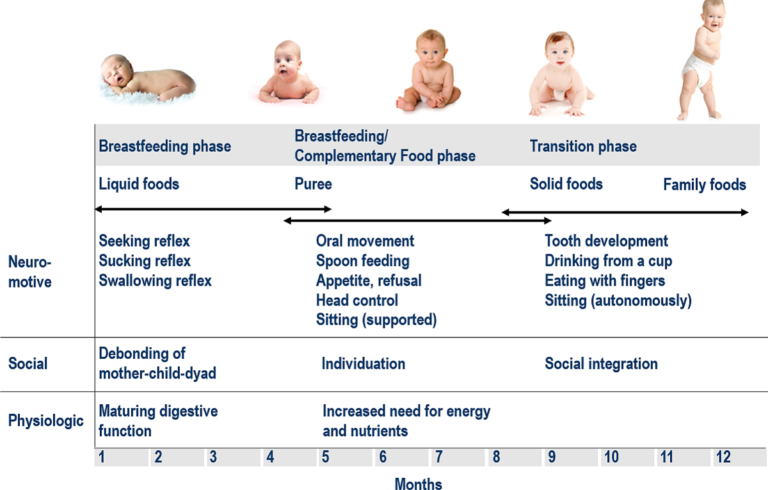
Most babies take first steps between 9 and 15 months. Some start earlier. Some start later. Each child grows at their own pace. Knowing the range helps you stay calm while you work on how to encourage baby walking.
How to encourage baby walking: step-by-step
Use short, clear steps. Practice often. Keep the mood fun.
-
Create safe practice time
- Clear a soft, open space so your baby can move freely.
- Use rugs or foam mats to soften falls.
- Remove sharp edges and trip hazards.
-
Offer upright support before free walking
- Hold your baby under the arms or at the waist while they stand.
- Let them shift weight from one foot to the other.
- Keep sessions short and happy.
-
Use two-hand support and assisted steps
- Hold both hands and walk backwards as your baby steps toward you.
- Let them pull and push against your hands to build balance.
- Cheer and stay close for safety.
-
Motivate with toys and targets
- Place a favorite toy a short step away on a low surface.
- Use a mix of stationary and moving toys to spark movement.
- Rotate toys so interest stays high.
-
Practice cruising along furniture
- Encourage sideways steps while holding furniture edges.
- Add low, safe obstacles to practice stepping over.
- Stay ready to support as they reach and pivot.
-
Build leg and core strength with play
- Do tummy time and rolling games to strengthen core.
- Play “stand and sit” games to work leg muscles.
- Use push toys that resist motion slightly for power.
-
Use praise and calm encouragement
- Celebrate effort, not just success.
- Use gentle words and claps to reward attempts.
- Avoid pressure; this keeps walking fun.
How to encourage baby walking is about steady practice, not rushing. Try several short sessions each day. Keep them playful and varied. This helps skills stick.

Safety and the right environment
Safety helps babies try more. Set up a safe zone for practice.
-
Flooring and padding
- Use low-pile rugs or foam mats.
- Avoid slippery socks and smooth floors.
- Barefoot often gives better grip and balance.
-
Childproofing
- Anchor furniture that might tip.
- Cover sharp corners and hot surfaces.
- Keep small objects out of reach.
-
Supervision and timing
- Practice when baby is rested and fed.
- Watch closely and stand at arm’s reach.
- Stop if baby gets tired or upset.
A safe space reduces fear. Babies who feel safe try more. That helps when you focus on how to encourage baby walking.

Common setbacks and how to handle them
Setbacks are normal. Handle them with calm and consistency.
-
Fear after a fall
- Offer more support for a few days.
- Return to simpler steps and praise attempts.
-
Preference for crawling
- Let crawling continue. It builds strength.
- Offer standing games that gently nudge walking.
-
Uneven progress between legs
- Encourage weight shifting and stepping on both sides.
- Mention concerns to a pediatrician if it persists.
-
Delays beyond the typical range
- Keep practicing and stay patient.
- Consult a professional if milestones lag notably.
When you know common bumps, you can stay steady. This keeps your approach to how to encourage baby walking calm and effective.

Tools, toys, and aids that help
Pick gear that supports learning, not replaces effort.
-
Best push toys
- Choose sturdy, slow-moving walkers without straps.
- Avoid large ride-on toys that don’t require walking.
-
Supportive shoes
- Use light, flexible shoes only for outdoors.
- Let baby go barefoot inside for better balance.
-
Simple balance aids
- Use low boxes or cushions to practice stepping up.
- Try soft tunnels and low platforms for coordination.
-
Toys that entice movement
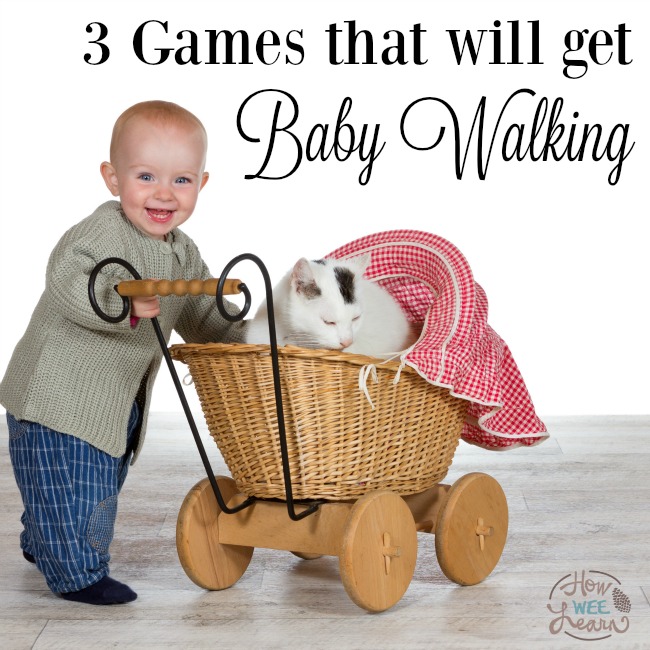
- Rolling balls, pull toys, and push carts work well.
- Musical toys and mirrors can encourage forward steps.
When choosing tools, keep safety in mind. Tools should encourage stepping, not carry the child.

Signs to consult your pediatrician
Most babies learn to walk naturally. Still, watch for these signs.
- No attempts to stand or bear weight by 12 months
- One-sided weakness or very stiff or floppy muscles
- Loss of previously gained skills
- Very low muscle tone or persistent curling of toes
If you see any of these, talk to your pediatrician. Early help gives the best outcomes. Asking for advice is part of smart parenting when you work on how to encourage baby walking.
My real-life tips and lessons learned
I coached parents in group classes and at home. Here are simple lessons I learned.
- Short sessions work best. Babies tire fast. Five to ten minutes often beats long practice.
- Mix play and practice. One day we used a flashlight to lead steps; it worked wonders.
- Keep worries small. I saw many babies catch up after a few weeks of focused, fun practice.
- Celebrate small wins. A half-step deserves a cheer. That matters to a baby.
These experiences taught me that steady, kind practice helps most families succeed with how to encourage baby walking.
Frequently Asked Questions of how to encourage baby walking
When should I start encouraging my baby to walk?
Start gentle encouragement around 8 to 9 months when your baby can sit and pull to stand. Focus on play and short practice sessions rather than pressure.
How often should I practice walking with my baby?
Aim for several short sessions each day, about 5 to 10 minutes each. Frequent, fun practice helps skills build without fatigue.
Are baby walkers helpful for learning to walk?
Traditional sit-in walkers do not help and can be unsafe. Push toys that require effort can support how to encourage baby walking in a safer way.
Should my baby wear shoes while learning to walk?
Let your baby go barefoot indoors for better grip and balance. Use soft, flexible shoes only outdoors on rough surfaces.
When should I worry about delays in walking?
Talk to your pediatrician if your baby shows little interest in standing by 12 months, or if you see one-sided weakness or loss of skills.
Conclusion
Helping a child take first steps is about safety, play, and steady support. Use short practice sessions, motivating toys, and a calm space. Celebrate small wins and watch confidence grow. Try one new tip from this guide this week, and see how your baby responds. If you found this helpful, leave a comment or subscribe for more practical tips on child milestones.