Newborns sleep in short cycles; a calm routine helps extend naps and nighttime stretches.
I’ve helped many parents build a realistic newborn sleep schedule guide that honors baby cues, safety, and family life. I write from experience and research to give clear steps, sample schedules, troubleshooting tips, and realistic expectations so you can sleep better too.

Why newborn sleep is different
Newborn sleep is not like adult sleep. Babies cycle quickly between light and deep sleep. They wake often to feed, stay warm, and feel safe. Understanding this helps you set realistic goals with the newborn sleep schedule guide.
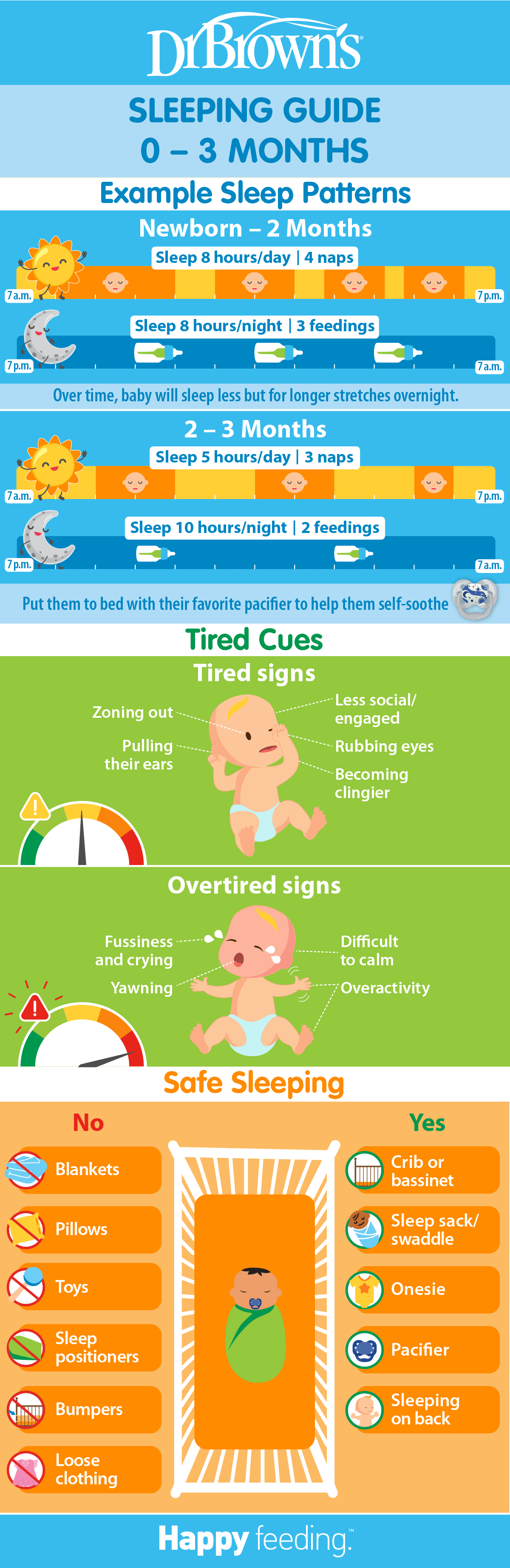
Short, frequent sleep is normal. Babies under 3 months often sleep 14 to 17 hours in 24 hours. Their circadian rhythm is still forming. This is why daytime naps and nighttime feedings matter.
- Night waking is normal and expected for growth and feeding.
- Sleep patterns change fast in the first months.
- Small, consistent routines help shape longer sleep stretches.

How much should a newborn sleep?
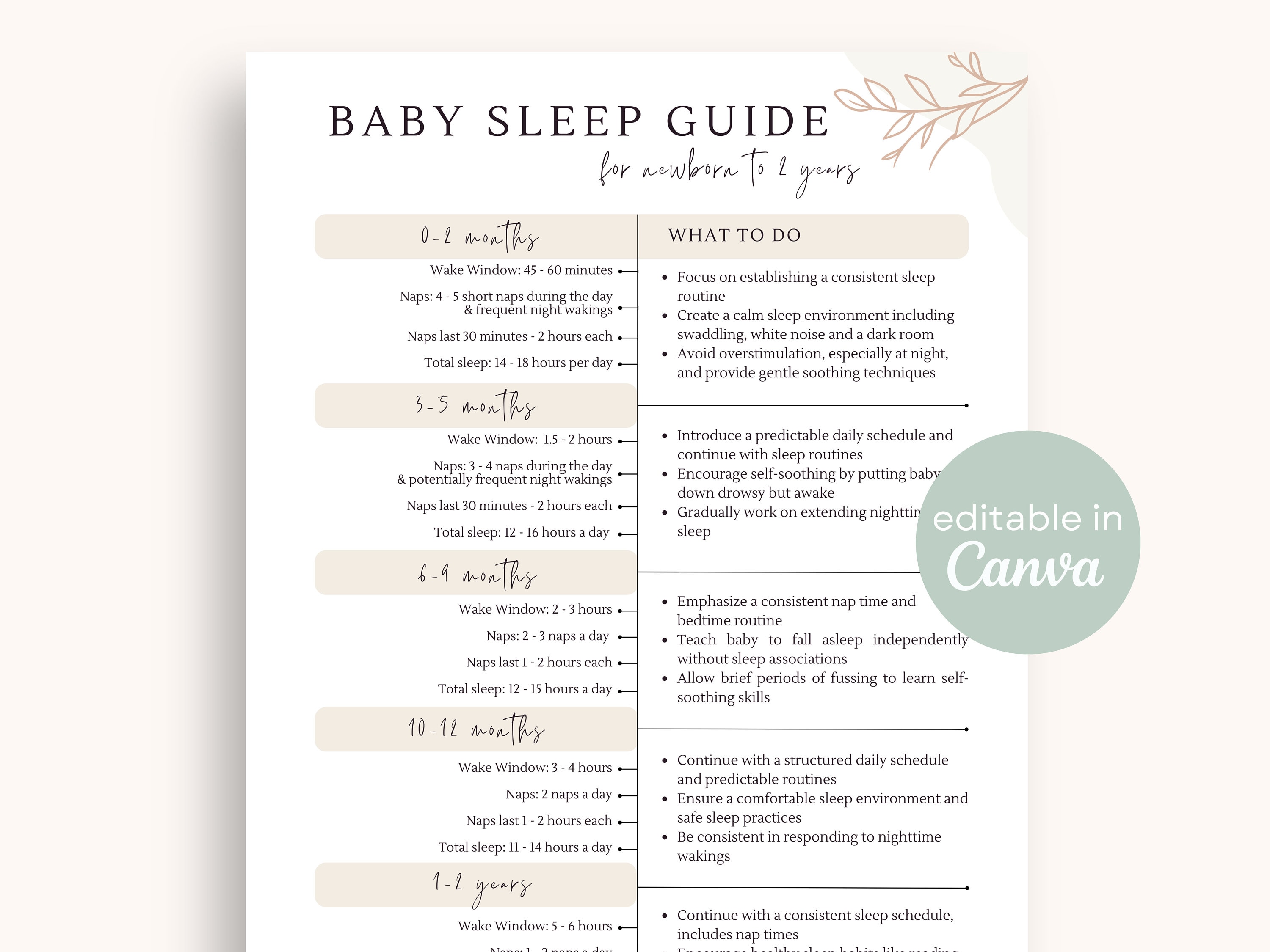
Most newborns sleep 2 to 4 hours at a stretch. Total sleep adds up to 14–17 hours daily, with wide variation by baby.
The first 0–3 months: Typical sleep patterns and sample schedule
Newborns need frequent feedings. Sleep will be spread across day and night. Aim to respond to cues and gently guide rhythms without strict rules.
Sample 0–3 month schedule (flexible and cue-based):
- Wake/feed/diaper: 30–60 minutes awake
- Nap: 45 minutes to 2 hours
- Repeat through the day and night
Tips for this stage:
- Feed before the longest stretches you hope for.
- Swaddle or use a sleep sack for safety and comfort.
- Respond to hunger cues quickly to avoid overtiredness.
This newborn sleep schedule guide focuses on gentle structure. Keep expectations low and consistency high. Small wins matter.
3–6 months: Transitioning and sleep consolidation
Between 3 and 6 months, many babies start sleeping longer at night. Their circadian rhythm matures. You can slowly lengthen awake times and tighten nap windows.
Signs your baby is ready for change:
- Longer naps
- 5–7 hour nighttime stretches
- More alert during awake windows
A simple 3–6 month sample schedule:
- Morning wake and feed
- Short nap 1: 60–90 minutes later
- Midday nap: 60–120 minutes
- Late afternoon nap: 30–45 minutes
- Bedtime routine and nighttime sleep
Do this to support consolidation:
- Use a consistent bedtime routine of five minutes or more.
- Keep nap times predictable within a 30–45 minute window.
- Avoid long late afternoon naps that delay bedtime.
This part of the newborn sleep schedule guide helps you move toward predictable nights while still being flexible.

Creating a sleep-friendly routine: practical steps
A calm routine helps baby learn sleep cues. Routine cues are simple and repeatable. They create safety and predictability.
Steps to build a routine:
- Create a short bedtime routine that signals sleep. Example: feed, quiet play, bath, dim lights, song.
- Keep sleep spaces dark and cool between 68–72°F (20–22°C).
- Use consistent nap and bedtime times within 30–45 minutes.
- Put baby down drowsy but awake so they learn to fall asleep alone.
Practical sleep cues to try:
- Soft white noise
- Dim lighting 30 minutes before sleep
- Swaddling or appropriate sleep sack
Use the newborn sleep schedule guide to fit routine into your life. Adjust gradually. Small, steady changes beat sudden overhaul.
Common sleep challenges and solutions
New parents often face frustrations. Solutions are usually simple and consistent.
Challenge: Frequent night wakes
- Solution: Check hunger, diaper, and comfort first. Offer calm feeds and avoid bright lights.
Challenge: Short naps
- Solution: Watch for sleep cues and put baby down earlier. Try a consistent nap routine.
Challenge: Overtired baby
- Solution: Shorten awake windows. Overtired babies often fight sleep and wake more.
Challenge: Cluster feeding or growth spurt
- Solution: Expect extra wakeups for a few days. Keep routines but allow flexibility.
Why does my newborn wake every hour?
- Very young babies cycle fast and feed often. Short stretches can be normal during growth phases.
How long should naps be at 2 months?
- Naps vary. Many are 30–90 minutes. Aim for multiple naps totalling 4–6 hours daytime.
This newborn sleep schedule guide helps you spot the cause and fix it gently.
Tools, safety, and sleep aids
Safety comes first. Use tools wisely and keep sleep safe.
Safe sleep basics:
- Place baby on their back every sleep.
- Use a firm mattress and fitted sheet.
- Keep crib free of loose bedding, toys, and bumpers.
- Share room but not bed for the first 6 months when possible.
Helpful but cautious aids:
- White noise machines at low volume to mask household sounds
- Swaddles for infants who startle in sleep
- Night lights for safe night feeds
Tools to avoid:
- Inclined sleepers or soft bedding that can suffocate
- Unregulated sleep positioners
- Overreliance on motion swings for all sleep
Use the newborn sleep schedule guide to make safe choices. Always follow current safety guidance.

Personal experience: what worked and what I learned
I’ve worked with many families and tested routines over time. What worked most often was patience. Small, steady steps beat dramatic changes.
Real-life lessons:
- Start a short bedtime routine early. It helps cues form fast.
- Track patterns for a week before changing anything.
- Night feed comfort is fine, but avoid full play sessions after midnight.
A mistake I made once was pushing too hard for long nights too soon. That led to stress for baby and parents. Slower is kinder and more effective. This newborn sleep schedule guide reflects those lessons.

Frequently Asked Questions of newborn sleep schedule guide
How soon can I start a sleep routine?
You can start gentle routines from day one. Keep them short and predictable to build cues.
When should I stop swaddling my baby?
Stop swaddling when your baby shows strong rolling skills. This is usually around 2 to 4 months.
Is it okay to let my baby cry a little to sleep?
Short, gentle settling is fine for many families. Stay responsive and choose an approach you can maintain.
How do I know if my baby is overtired?
Watch for fussiness, rubbing eyes, yawning, or staring. Shorten awake windows if these appear.
Can a newborn sleep too much?
Excessive sleep with poor feeding or low output may need a checkup. Normal newborn sleep is frequent but feed-driven.
Conclusion
A newborn sleep schedule guide should be gentle, realistic, and safe. Start small, use consistent cues, and adjust with your baby’s growth. Track patterns, expect change, and celebrate small wins. Try one change for a week and see how it goes.
Take action: pick one routine cue to start tonight and note progress over seven days. If you found this guide helpful, subscribe for updates or leave a comment with your sleep challenge.