Breastfeeding offers immune benefits and bonding; formula feeding gives convenience and consistent nutrition.
As a parent and health writer who has supported new families and navigated infant feeding myself, I will walk you through the breastfeeding vs formula feeding pros and cons with clear, practical guidance. This article explains what each choice offers, common trade-offs, safety and cost factors, and simple steps to decide what fits your baby and life best. Expect evidence-based points, real-life tips, and answers to the questions families ask most about breastfeeding vs formula feeding pros and cons.

What to know at a glance
Both breastfeeding and formula feeding can support healthy infant growth. The best option is the one that fits medical needs, parental health, and family life. This guide compares breastfeeding vs formula feeding pros and cons across health, convenience, cost, and emotional factors so you can make an informed choice.

Health benefits of breastfeeding
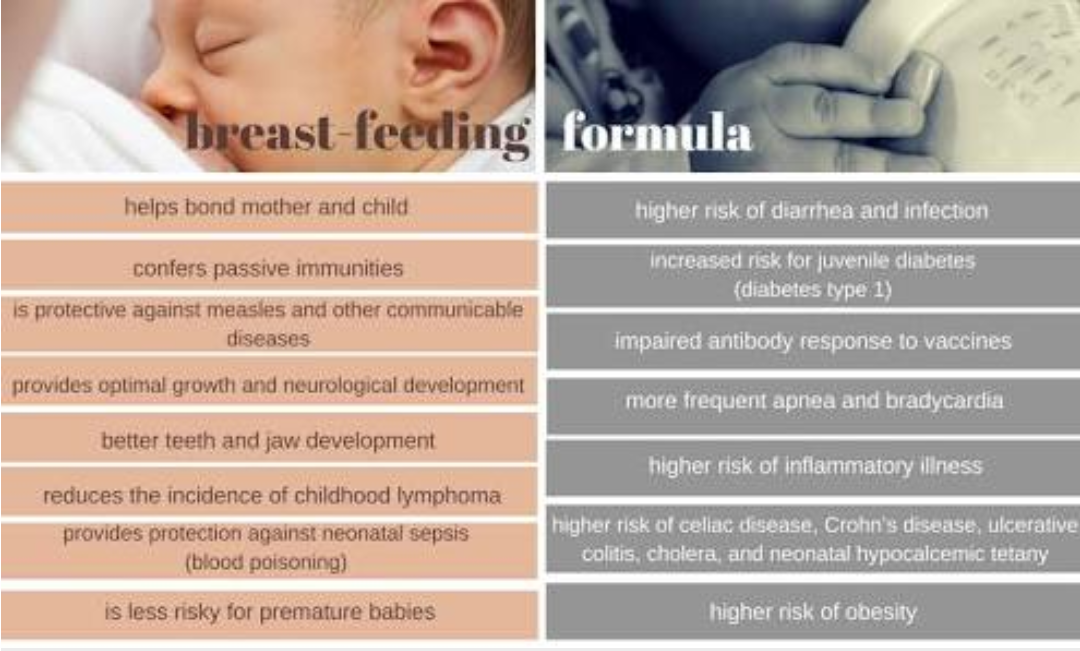
Breast milk is tailored to the baby. It contains proteins, fats, and live immune factors that change as the baby grows. Breastfeeding supports digestion and may lower the risk of some infections, allergies, and chronic diseases later in life. It can also help the birthing parent with postpartum recovery and lower long-term risks of certain cancers.
- Immune support: Breast milk delivers antibodies and cells that help fight infections.
- Digestive ease: Breast milk is usually easier for newborns to digest than formulas.
- Long-term protection: Breastfeeding links to lower rates of some childhood illnesses and adult chronic conditions.
- Maternal benefits: Breastfeeding can help the body return to pre-pregnancy state and may reduce future cancer risk.
When comparing breastfeeding vs formula feeding pros and cons, breastfeeding scores highly for immune support and developmental benefits, though outcomes vary by infant and parent health. Consult a clinician for medical conditions that affect feeding.

Health benefits of formula feeding
Modern infant formulas are designed to meet nutritional needs. They provide consistent amounts of calories, protein, and essential vitamins. Formula feeding can be a lifesaver when breastfeeding is not possible, when medication or illness prevents safe breastfeeding, or when parents need others to share feeding duties.
- Predictable nutrition: Formulas contain regulated amounts of key nutrients.
- Flexibility: Anyone can feed the baby, which spreads caregiving.
- Special formulas: Options exist for allergies, reflux, or metabolic conditions.
- Safe when prepared correctly: Proper preparation and storage greatly reduce risk.
In the conversation about breastfeeding vs formula feeding pros and cons, formula wins for convenience and predictable intake. Follow preparation instructions and safe handling to avoid contamination.
Risks and limitations of breastfeeding
Breastfeeding is not always easy or possible. Some parents face pain, low milk supply, or medical barriers. Returning to work, medication needs, and latching challenges can make breastfeeding stressful. In some cases, feeding solely from the breast may not supply enough calories or weight gain for the baby.
- Physical challenges: Sore nipples, mastitis, and latching issues can occur.
- Supply variability: Stress, health, and certain medications affect milk supply.
- Lifestyle limits: Night feeding and workplace pumping can be tough to manage.
- Medical barriers: Certain infections, medications, or metabolic issues require alternatives.
When weighing breastfeeding vs formula feeding pros and cons, note that breastfeeding often requires time, support, and sometimes medical help to be successful. Seek lactation support early if you plan to breastfeed.
Risks and limitations of formula feeding
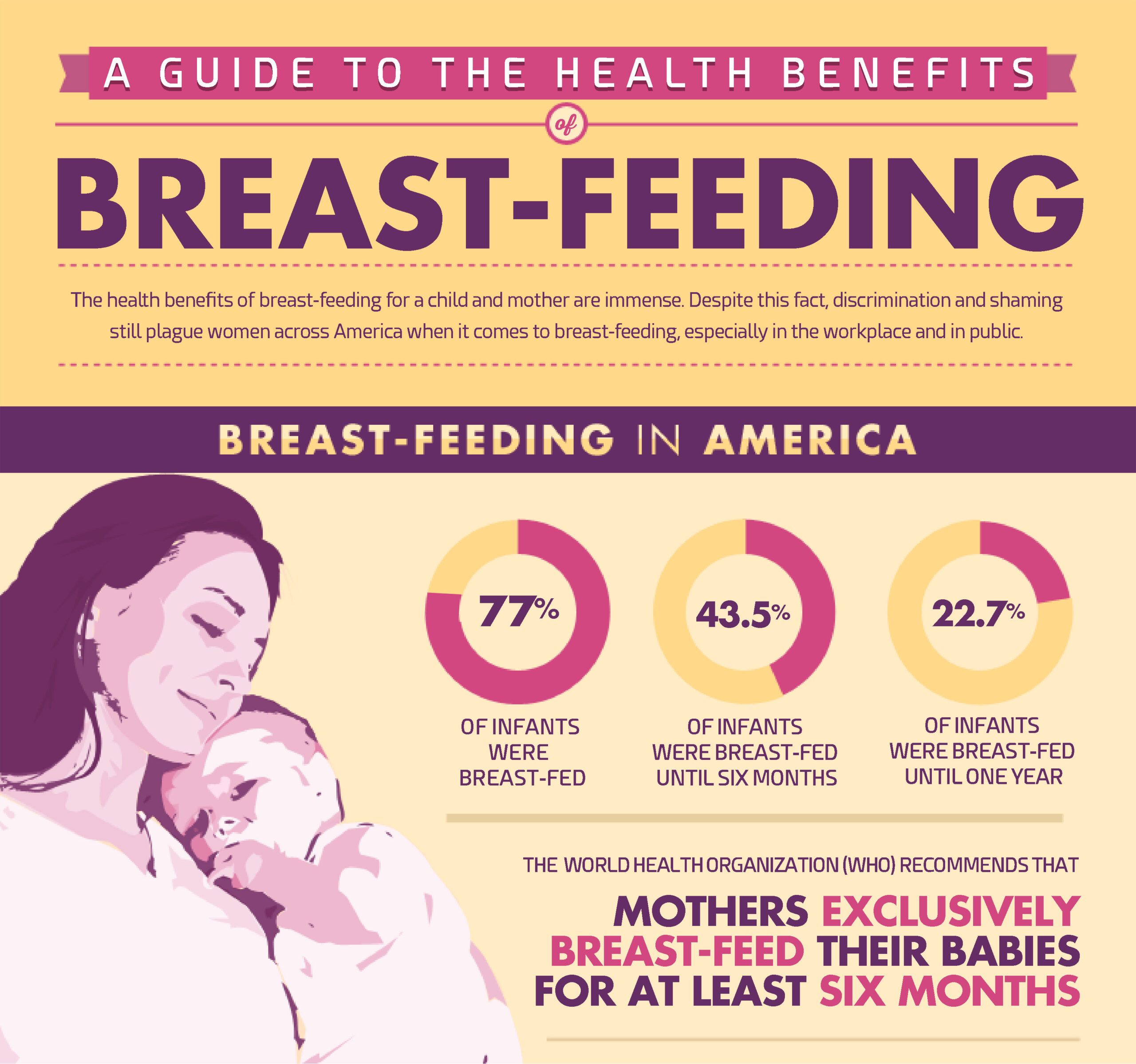
Formula lacks live immune cells and antibodies found in breast milk. It can be more costly over time and requires equipment, clean water, and careful preparation. Improper mixing or bottle cleaning can raise the risk of infection. Some infants react to cow’s-milk-based formulas and need specialty products.
- No live antibodies: Formula does not provide the same immune protection as breast milk.
- Cost and supplies: Formula, bottles, and sterilization add ongoing expenses.
- Preparation needs: Mixing errors or unsafe water raise health risks.
- Allergy or intolerance: Some babies need hypoallergenic or specialized formula.
When comparing breastfeeding vs formula feeding pros and cons, formula trades immune benefits for reliability and convenience. Speak with your pediatrician if a baby shows poor growth or intolerance.

Practical considerations: cost, time, and lifestyle
Cost and time affect many feeding decisions. Breastfeeding saves on formula cost but may require more time and support. Formula costs vary by brand and special formulations. Both approaches have hidden costs like bottles, pumps, storage, or lactation counseling.
- Cost comparison: Breastfeeding lowers formula expenses but can require a pump and supplies. Formula has a clear monthly cost that can be significant.
- Time and sleep: Breastfeeding can involve more frequent nursing; formula allows shared night feeds.
- Work and pumping: Evaluate workplace pumping breaks and a reliable pump.
- Travel and errands: Formula can simplify travel if you prefer not to pump.
If you are weighing breastfeeding vs formula feeding pros and cons, map your budget, schedule, and support network to see which approach fits best.

How to decide: a balanced approach
Make decisions using health facts and your life needs. Many parents choose mixed feeding or switch based on changes in health, work, or baby growth. Here is a simple way to decide.
- Check medical needs: Ask your pediatrician about your baby's weight, allergies, or special needs.
- Assess maternal health: Consider meds, infections, or recovery after birth.
- Review support: Can your partner help? Is lactation care available?
- Try and revise: Test one approach, then adjust if it's not working.
PAA-style questions
Will formula make my baby less healthy than breast milk?
Formula provides the nutrition a baby needs if prepared correctly, but it lacks live antibodies that breast milk contains. Many formula-fed babies grow healthy and strong when monitored properly.
Can I combine breastfeeding and formula feeding?
Yes. Mixed feeding is common and can reduce stress while keeping breastfeeding benefits when possible. Work with a lactation consultant to preserve supply and avoid early nipple confusion.
How soon should I switch if breastfeeding isn't working?
If a baby is not gaining weight or breastfeeding causes severe pain or illness, discuss alternatives with your care team within days. Quick support helps protect both baby and parent health.
When you compare breastfeeding vs formula feeding pros and cons, remember flexibility is a strength. Your plan can change with your needs.
My experience: lessons from families and my own journey
I have helped friends and clients through feeding choices. I breastfed my first child, faced supply challenges, and later used formula for my second child with no guilt. Support and clear goals helped me feel confident.
Lessons learned
- Get early help: A lactation consultant in the first week makes a big difference.
- Prepare for both: Keep formula on hand in case breastfeeding stalls.
- Share duties: Bottle feeding helped my partner bond and gave me rest.
- Trust growth charts: Weight gain and mood matter more than the method.
These real moments show that comparing breastfeeding vs formula feeding pros and cons is personal. What worked for one child did not look the same for another.
Common myths and evidence-based facts
Families hear myths that cloud decisions. Clear facts help reduce stress when choosing a feeding method.
- Myth: Formula causes weaker intelligence.
Fact: Many factors shape development; nutrition is important, but formula-fed babies can thrive. - Myth: You must exclusively breastfeed to bond.
Fact: Bonding comes from touch, eye contact, and care. Bottle feeding can be deeply bonding. - Myth: Breastfeeding always prevents allergies.
Fact: Breastfeeding can lower some allergy risks, but it is not a guarantee.
When you study breastfeeding vs formula feeding pros and cons, separate cultural pressure from practical facts. Use evidence to guide choices.
Frequently Asked Questions of breastfeeding vs formula feeding pros and cons
Is breast milk always better than formula?
Breast milk provides live immune factors and adapts to the baby, but formula is a safe, nutritious alternative when breastfeeding is not possible.
Can formula feeders bond as well as breastfeeders?
Yes. Bonding depends on responsive caregiving, eye contact, and touch, not the feeding method alone.
How do I know if my baby is getting enough milk?
Look for steady weight gain, regular wet diapers, and contented behavior after feeds; consult a pediatrician for any concerns.
Is it safe to pump and store breast milk?
Yes, when you follow proper storage times and hygiene for pumping, freezing, and thawing breast milk.
How do I choose the right formula?
Work with your pediatrician. Standard cow’s-milk-based formulas suit most infants, but some babies need specialized or hypoallergenic formulas.
Conclusion
Both breastfeeding and formula feeding have clear pros and cons. Breastfeeding offers immune support and closeness, while formula gives predictability, flexibility, and shared feeding. Use medical guidance, honest self-assessment, and family support to choose or combine methods that help your baby thrive. Take action: talk with your pediatrician, set realistic feeding goals, and seek local lactation or parent support groups if you need help. Share your experience below or subscribe for more practical parenting guides.