Cow milk is not appropriate for most babies under 12 months; formula is the safer, fortified choice.
I’ve worked with new parents, pediatric nurses, and nutrition data for years, so I know how confusing the cow milk vs formula for babies debate can feel. This article breaks down the science, age guidelines, nutrient differences, risks, and real-world tips so you can make an informed choice that fits your family. Read on to learn clear, practical guidance about when and how to use formula or transition to cow milk, plus common pitfalls and easy strategies to keep your baby healthy.

Why the cow milk vs formula for babies question matters
Choosing between cow milk vs formula for babies affects growth, iron status, and long-term health. Early feeding choices can change a baby’s risk for iron deficiency, allergies, and digestive upset. Parents need clear, evidence-based guidance to avoid common mistakes and give infants the nutrients they need for brain and body development.

Nutritional comparison: cow milk vs formula for babies
Formula is designed to mimic breast milk and provide balanced nutrition for infants. Cow milk is created for calves and has different protein, mineral, and vitamin levels that can be hard for young infants to handle.
- Formula
- Contains added iron, vitamin D, and other fortified nutrients.
- Protein levels are adjusted and often partially whey- or casein-based to support digestion.
- Formulas meet strict safety and composition rules for infant growth.
- Cow milk (whole)
- Higher in certain proteins and minerals that can irritate a baby’s gut.
- Low in iron and may increase risk of iron deficiency if used as main drink for infants.
- Not fortified to match infant needs and may cause dehydration in very young babies.
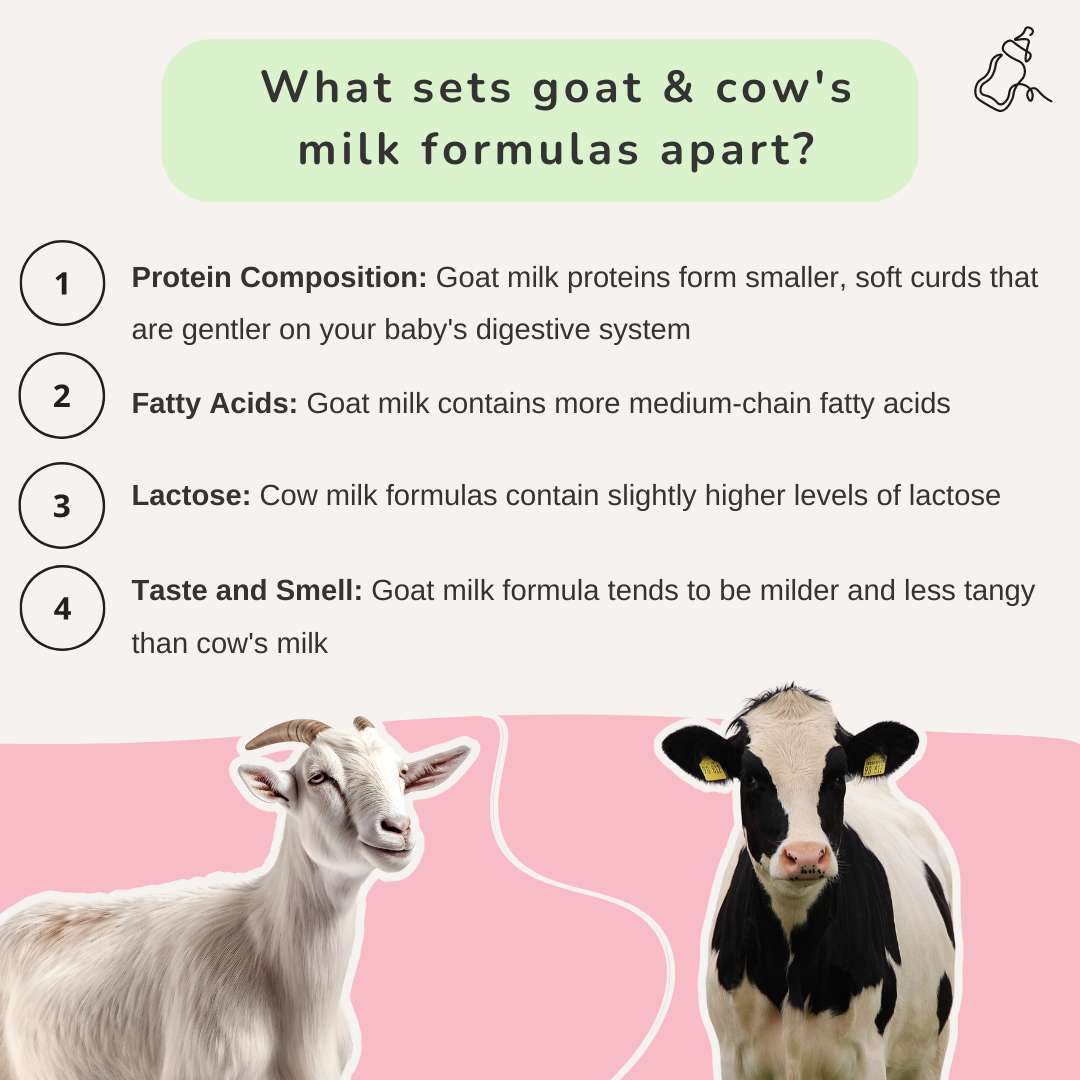
When comparing cow milk vs formula for babies, the key differences are iron content, protein type, and fortification. These differences explain why most pediatric experts recommend formula over cow milk for infants under 12 months.
Age recommendations for cow milk vs formula for babies
Timing matters when switching from formula to cow milk.
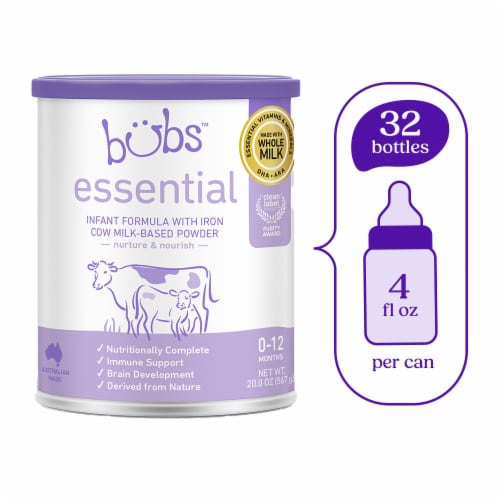
- Birth to 12 months
- Use breast milk or infant formula as the primary milk source.
- Avoid whole cow milk as the main drink because it lacks sufficient iron and certain nutrients.
- Around 12 months
- Many babies can start transition to whole cow milk alongside solids.
- Continue monitoring iron intake and overall diet diversity.
- After 24 months
- Lower-fat cow milk can be considered, depending on growth and pediatric advice.
Following these age-based guidelines helps reduce risks linked to improper use of cow milk vs formula for babies.
Health risks of introducing cow milk too early
Introducing cow milk too early can create several problems.
- Iron deficiency and anemia
- Cow milk is low in iron and can interfere with iron absorption, leading to anemia.
- Intestinal blood loss and irritation
- Some infants show tiny gut inflammation from cow milk proteins, causing subtle blood loss.
- Allergic reactions and intolerance
- Cow milk protein allergy or lactose intolerance can cause vomiting, diarrhea, or eczema.
- Increased renal solute load
- The kidneys of young infants can struggle with the higher mineral load in cow milk.
When weighing cow milk vs formula for babies, these health risks explain why formula is the safer default until about 12 months.
Types of infant formula and when to choose them
Formula types let parents address different needs while avoiding early cow milk risks.
- Cow-milk-based formula
- Standard choice for most infants and similar in many ways to breast milk composition.
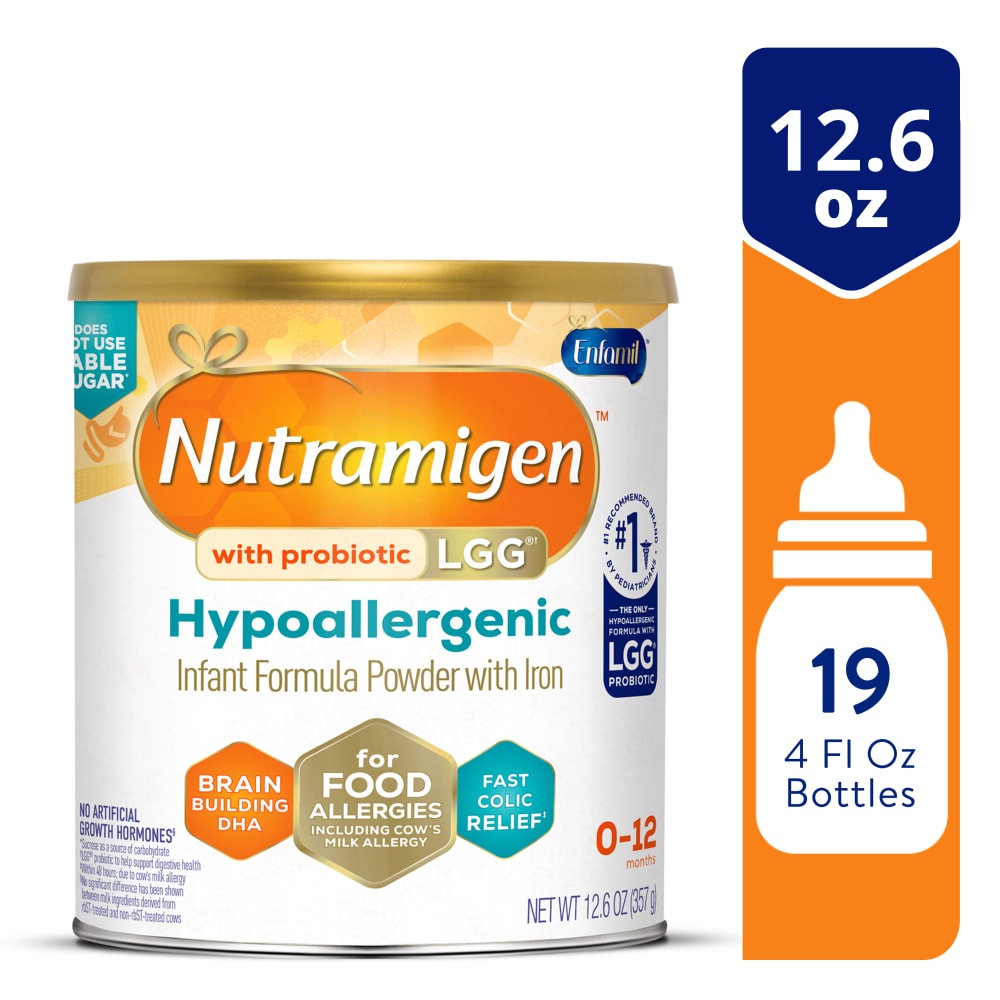
- Hydrolyzed formula
- Proteins are partially or extensively broken down; used for suspected or proven cow milk protein allergy.
- Soy-based formula
- For families avoiding animal proteins, but not recommended solely for preventing allergies.
- Specialized formulas
- For premature infants or metabolic conditions; follow pediatric guidance.
Choosing a formula requires considering digestion, family history of allergies, and pediatric recommendations. Keep the cow milk vs formula for babies question focused on safety and nutrition when picking a product.

Preparing formula and practical feeding tips
Safe preparation and feeding matter as much as the formula you pick.
- Clean preparation
- Always follow package instructions for water temperature and concentration.
- Correct mixing
- Too much or too little powder can harm nutrient balance or kidney function.
- Bottle hygiene
- Sterilize bottles for younger babies and wash parts thoroughly.
- Feeding cues and amounts
- Feed on demand and watch growth charts rather than strict volumes alone.
When thinking about cow milk vs formula for babies, careful preparation ensures formula delivers the intended nutrition and reduces risks.

Transitioning from formula to cow milk for babies
When it’s time to move from formula to milk, do it thoughtfully.
- Gradual switch
- Mix increasing amounts of cow milk with formula over 1–2 weeks to allow taste and digestion adjustment.
- Watch for reactions
- Monitor stool, skin, and sleeping patterns for signs of intolerance or allergy.
- Maintain iron-rich foods
- Offer iron-fortified cereals, pureed meats, beans, and leafy greens during and after transition.
- Consult your pediatrician
- If growth falters or symptoms appear, seek medical advice before continuing cow milk.
The cow milk vs formula for babies decision shifts to focus on timing and monitoring during this transition period.
Cost, availability, and environmental considerations
Budget and access can influence the cow milk vs formula for babies choice.
- Cost comparison
- Formula can be expensive, but it’s formulated for infant needs. Cow milk is cheaper but not suitable for infants under 12 months.
- Availability and supply issues
- Shortages may force parents to seek pediatric guidance rather than switch milks on their own.
- Environmental impacts
- Formula production and cow milk both have environmental footprints; families may consider sustainability when choosing long-term.
When choosing between cow milk vs formula for babies, balance cost with health needs and advice from healthcare providers.
Personal experience: what I learned advising parents
I’ve counseled many families navigating cow milk vs formula for babies and learned practical lessons.
- Many parents try cow milk early for convenience, then face iron or digestion issues.
- A slow, monitored transition usually works better than abrupt switches.
- Keeping a simple feeding log helps spot subtle problems early.
- Trusting pediatric guidance and checking growth charts gave families confidence.
My practical tip: prioritize nutrition over convenience in the first year. When in doubt, ask your pediatrician or a lactation specialist.
Frequently Asked Questions of cow milk vs formula for babies
Is it safe to give cow milk to a 6-month-old?
No, cow milk is not recommended as the main drink for 6-month-olds. Use breast milk or formula and introduce cow milk as a small part of diet only after 12 months.
Can formula cause constipation or gas?
Some formulas can be associated with constipation or gas, depending on the protein source and iron content. Switching formulas or consulting your pediatrician can often resolve feeding discomfort.
When can I switch from formula to cow milk?
Most pediatric guidelines recommend switching around 12 months, assuming the child is growing well and eating iron-rich solids. Transition gradually and observe for any intolerance signs.
Are soy formulas a good alternative to cow-milk-based formulas?
Soy formulas work for some families, especially when avoiding animal proteins, but they are not first-line for allergy prevention. Discuss options with your pediatrician before switching.
How do I know if my baby is allergic to cow milk protein?
Symptoms include persistent vomiting, diarrhea, blood in stools, rash, or poor weight gain. If you suspect an allergy, stop cow milk and seek pediatric assessment promptly.
Conclusion
Choosing between cow milk vs formula for babies is a decision rooted in age-appropriate nutrition and safety. For infants under 12 months, formula (or breast milk) is the recommended, fortified option to protect against iron deficiency and digestive issues. After 12 months, you can consider a gradual transition to cow milk while keeping iron-rich foods and pediatric guidance central to the plan. Take action by reviewing your baby’s feeding plan, keeping a short feeding and symptom log, and discussing any concerns with your pediatrician—then make the switch confidently and safely.