Organic vs regular baby food often differs in farming methods, not core nutrition.
As a pediatric nutrition writer and parent who tested both, I’ll walk you through organic vs regular baby food with clear facts, real examples, and practical tips. I explain what organic labeling means, how nutrition and safety compare, when organic may matter, and how to shop smart on a budget. Read on for evidence-based advice and easy steps you can use today to feed your baby with confidence.
Why parents ask about organic vs regular baby food
Many parents worry about what lands in a baby’s spoon. The debate over organic vs regular baby food comes from safety, health, and values. Parents want to reduce exposures and give the best start. Understanding the real differences helps you decide what fits your family and budget.

What "organic" means for baby food
Organic labeling means the product follows specific farming rules. Organic crops are grown without most synthetic pesticides and without genetically modified seeds. Organic livestock is raised on organic feed and without routine antibiotics.
Organic vs regular baby food often differs in allowed chemicals and farming practices. Organic products typically use natural preservatives and avoid synthetic additives. Regular baby food follows food-safety rules but may allow some synthetic pesticides or certain processing aids.
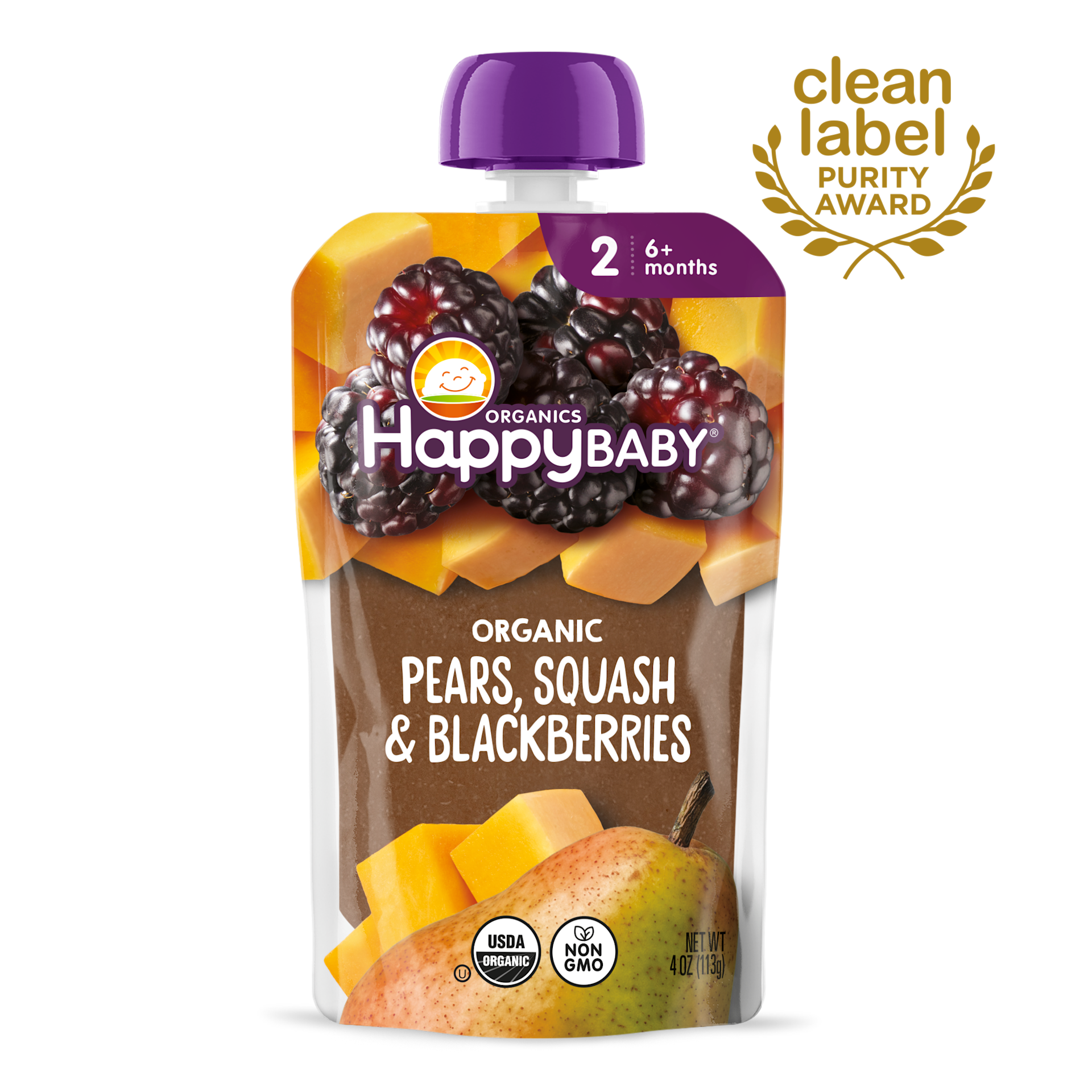
Nutritional comparison: organic vs regular baby food
Nutrients like protein, carbs, vitamins, and minerals are usually similar between organic vs regular baby food. Fresh produce and well-made purees provide the same core calories and nutrients. Small differences sometimes appear for specific vitamins or antioxidants, but these are not consistent across studies.
Watch added sugars and salt. Some regular and organic brands add sweeteners or salt. Read labels to choose low-sugar, no-salt options for babies.
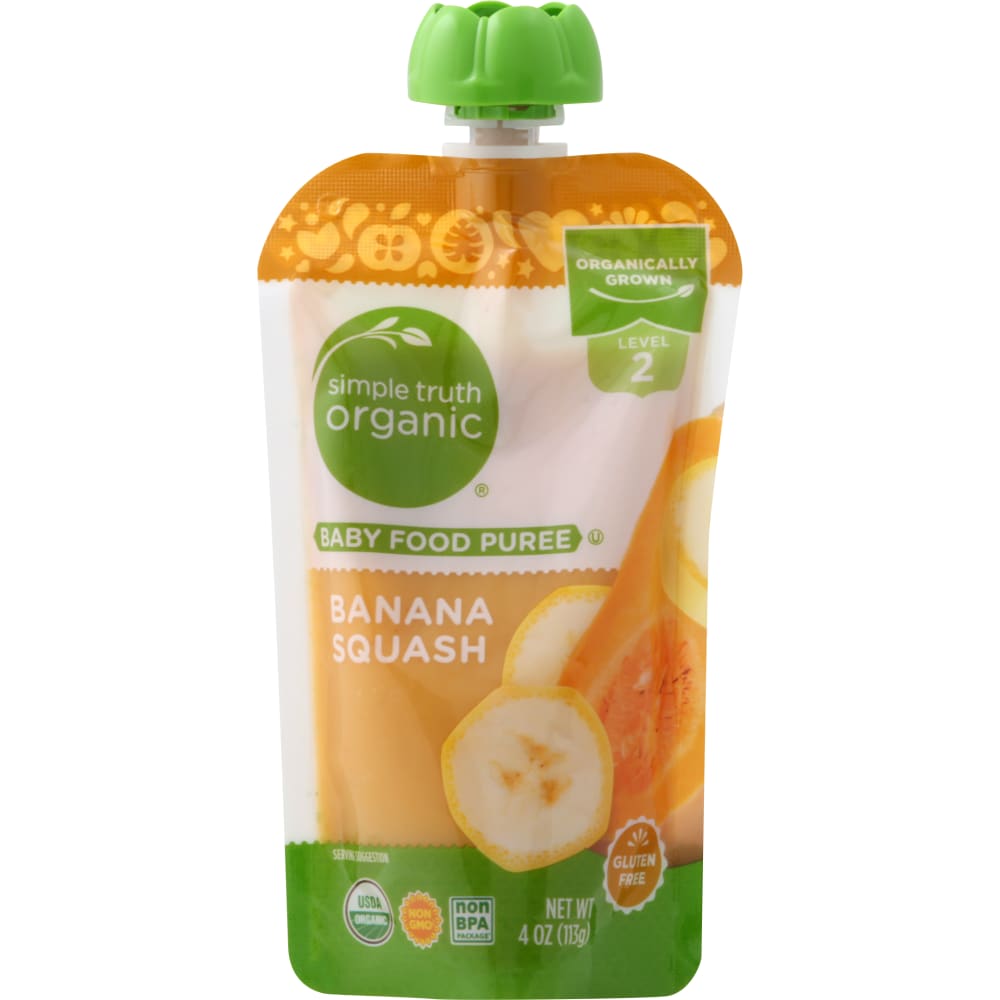
Safety and contaminants: what to watch
Safety is about more than pesticides. Heavy metals, bacterial contamination, and packaging chemicals can matter for baby food. Rice-based items can contain arsenic, and some root-vegetable purees have shown low levels of lead or cadmium. These risks exist for both organic vs regular baby food.
Organic standards reduce some pesticide residues, but they do not eliminate heavy metals. Safe feeding means variety and moderation. Avoid relying on a single grain or vegetable and follow serving guidance for age.
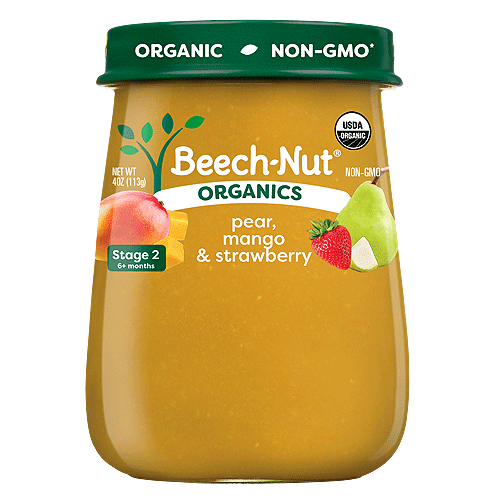
Additives, preservatives, and processing
Many baby foods are simple purées with one or two ingredients. The difference between organic vs regular baby food often shows in additives. Organic rules limit synthetic preservatives and artificial colors. Regular products may use certain approved additives to improve shelf life or texture.
Read ingredient lists for:
- Single-ingredient purees for simple needs.
- No added sugar or juice concentrates.
- No added salt until after 12 months.
Choose brands that list full ingredient origins when you can.
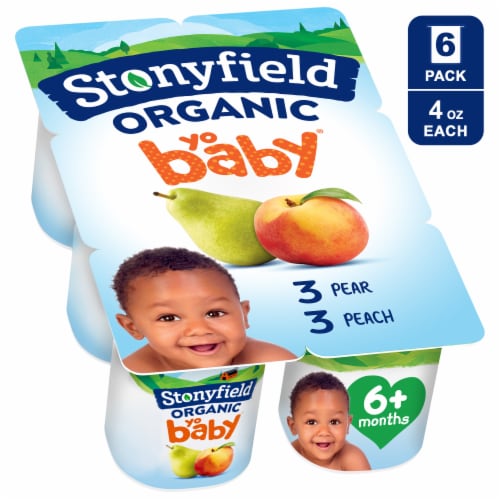
Cost, availability, and environmental impact
Organic baby food often costs more. Higher prices come from farming methods, certification costs, and smaller yields. Availability has improved, but rural areas may still see fewer organic choices.
Organic vs regular baby food also ties to environmental impact. Organic farming can reduce pesticide runoff and improve soil health. Some parents prioritize this when choosing organic, while others balance budget and access.

Practical shopping and feeding tips
Focus on priorities and balance when you decide between organic vs regular baby food. Use this simple plan:
- Prioritize organic for foods that tend to hold higher pesticide residues.
- Choose regular for items that test low for residues if cost is a concern.
- Buy single-ingredient jars or pouches to avoid hidden sugar.
- Make batches at home with fresh fruits and vegetables when time allows.
Rotate grains and veggies to limit heavy-metal buildup from one source.
Also consider packaging. Choose BPA-free containers and avoid heating plastic pouches. Reheat in a bowl and test temperature before feeding.

Homemade baby food: pros and cons
Making food at home gives control and can save money. Homemade purees are fresh and simple to make with a blender or steamer. You can choose organic or regular produce based on cost and preference.
Downsides include time, storage space, and the need to follow safe food-handling steps. Both organic vs regular baby food decisions work well with good hygiene and proper storage.
Personal experience and lessons learned
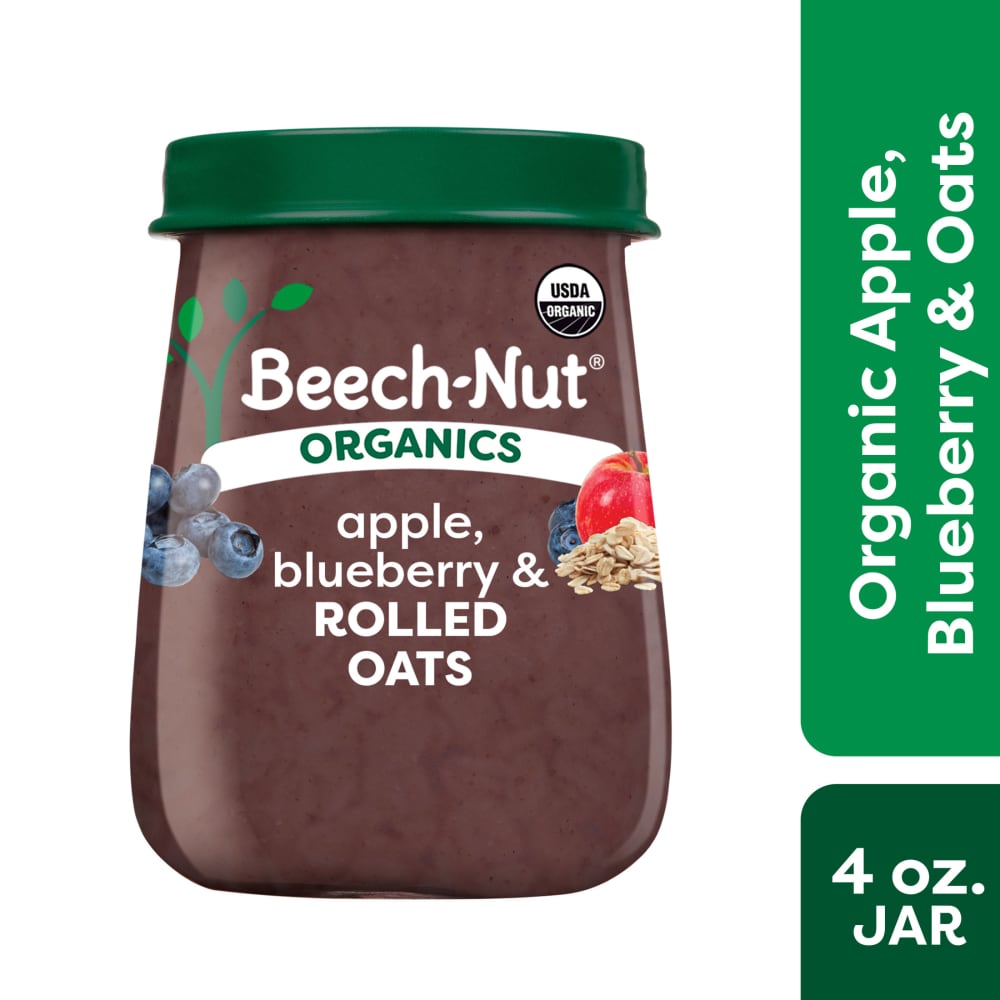
I switched between organic vs regular baby food when my child started solids. We used organic apples, carrots, and peas where price mattered less. For bananas and avocados, regular options felt fine because those items test low for residues.
A mistake I made was relying on commercial rice cereal too long. I now rotate grains and add oatmeal and barley. My tip: prioritize organic for produce that your family eats most often, and make small batches at home when you have time.
Short answers to common questions
Does organic baby food have more nutrients than regular?
Not usually. Most studies show minimal nutrient differences between organic vs regular baby food. Choose fresh or well-made products for better nutrient retention.
Are pesticides in regular baby food dangerous?
Pesticide levels in regular baby food are generally low, but reducing exposure can be wise for infants. Prioritize washing produce and choose organic for high-residue items when possible.
Is homemade baby food safer than store-bought?
Homemade gives you control over ingredients but requires careful handling and storage. Both homemade and store-bought can be safe when prepared properly.
Frequently Asked Questions of organic vs regular baby food
What is the main difference between organic vs regular baby food?
The main difference is how the ingredients are grown and processed. Organic rules limit synthetic pesticides, GMOs, and certain additives, while regular food may use a broader set of approved substances.
Do organic baby foods contain fewer pesticides?
Yes, organic baby foods usually show fewer synthetic pesticide residues. However, organic does not guarantee zero residues, and natural pesticides are sometimes used.
Are there clear health benefits to choosing organic vs regular baby food?
Clear, consistent health gains are not proven for all infants. Reducing exposure to some chemicals is a potential benefit, but overall nutrition is similar between organic vs regular baby food.
Is organic baby food worth the extra cost?
That depends on your budget and values. If you want lower pesticide exposure and environmental benefits, organic may be worth it; otherwise, smart choices with regular baby food can be a good alternative.
How can I reduce heavy-metal exposure in baby food?
Offer a varied diet, avoid giving too much rice or single-grain cereals, and include diverse grains and vegetables. Feeding a mix of fruits, veggies, and grains helps lower the chance of building up heavy metals.
Can babies eat jarred organic food right away?
Many jarred organic foods are ready to eat after warming. Always check the label for age recommendations and avoid heating the jar in a microwave with the lid on.
How long does homemade baby food last?
Purees stored properly in the fridge last 48–72 hours. Freeze portions in small containers for up to 3 months to maintain freshness.
Conclusion
Choosing between organic vs regular baby food is a personal choice shaped by health goals, budget, and values. Both options can feed a baby well if you focus on variety, low sugar, and safe handling. Start with priorities: pick organic for high-residue produce if you can, rotate foods to lower contaminant risk, and make simple homemade purees when time allows. Take small steps that fit your life, and check labels before you buy. If this helped, try one change this week—swap one item for organic or make one homemade puree—and share your experience or questions below.