A bassinet is best for the first months; a crib is better long-term for safety and growth.
I have guided many new parents through the crib vs bassinet for newborn decision. I know the safety rules, sleep science, and real-life trade-offs. This article breaks down the crib vs bassinet for newborns with clear pros, cons, examples, and step-by-step tips. Read on to make a confident choice that fits your baby, space, and lifestyle.
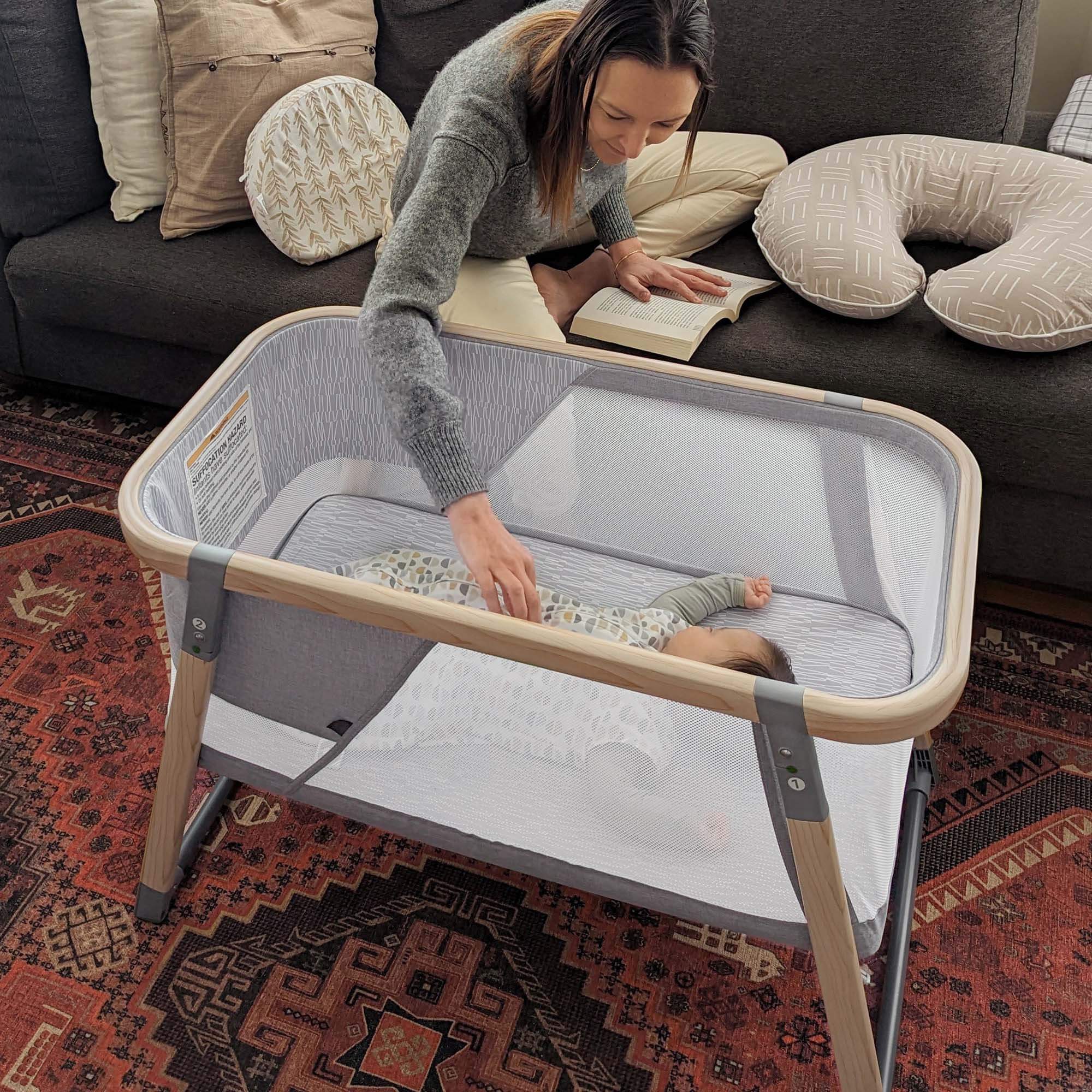
Crib vs bassinet for newborn: quick overview and definitions
A crib is a stationary bed that meets long-term sleep needs. A bassinet is a smaller, portable sleeping space meant for early months. The phrase crib vs bassinet for newborn pops up in searches because parents want safe, cozy sleep that fits life at home.
Key differences at a glance:
- Size and lifespan: cribs last years; bassinets last a few months.
- Mobility: bassinets are easier to move around the house.
- Safety and rules: both must meet safe sleep guidelines, but cribs are required after about 4–6 months.
This section gives the clear definitions you need to compare crib vs bassinet for newborn. Read on for safety, real examples, costs, and timing.
:max_bytes(150000):strip_icc()/bassinet-vs-crib-which-is-better-for-my-baby-4175857-642ac6dbbd954789879a1a3df5fba403.png)
Safety and sleep guidelines for crib vs bassinet for newborn
Safety matters most when comparing crib vs bassinet for newborn. Both must follow safe sleep rules: firm mattress, fitted sheet, no loose bedding, and baby on their back. Parents should check recalls and certifications when buying either.
Important points:
- Use firm, flat surfaces for sleep.
- Keep the bassinet or crib away from cords, curtains, and soft toys.
- Stop using a bassinet once the baby can roll, push up, or reach the top edge—often around 4–6 months.
Research shows that room-sharing (baby in same room, different surface) lowers risk of sleep-related death. A bassinet can support room-sharing easily for the first months. When thinking about crib vs bassinet for newborn, safety timelines guide the decision.
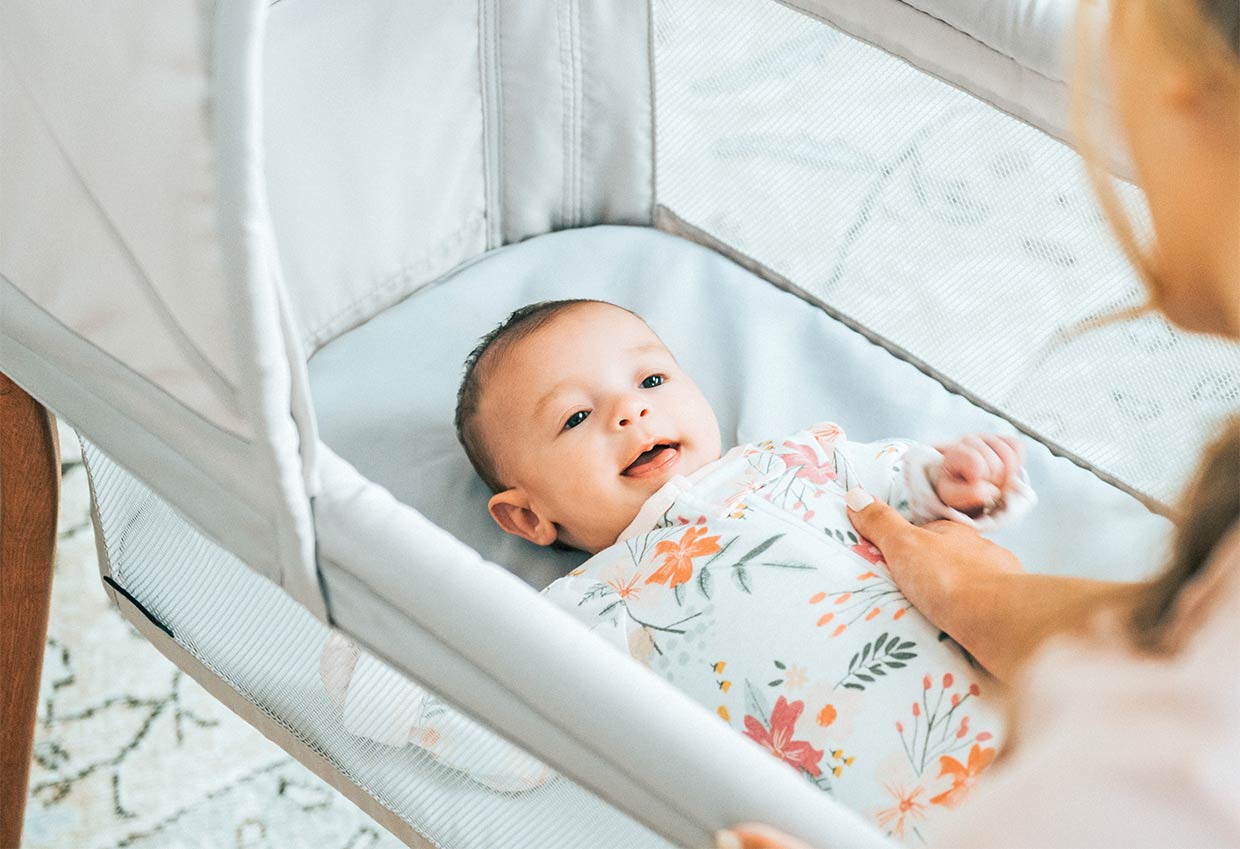
Pros and cons of using a bassinet
A bassinet can make early parenting easier. It has clear benefits and limits. Here are the main ones.
Pros:
- Close to parent: easy nighttime feeding and soothing.
- Small footprint: good for small homes or new parents who want the baby nearby.
- Lightweight and portable: moves from bedroom to living room.
- Cozy for newborns: can feel snug and calming.
Cons:
- Short lifespan: most babies outgrow it by 3–6 months.
- Weight and growth limits: each model has a maximum weight.
- Less versatile: not intended for long-term use.
- Often more expensive per month of use compared to a crib.
When you weigh crib vs bassinet for newborn, think about how long you need the portable convenience versus long-term use.

Pros and cons of using a crib
A crib is the long-term sleeping solution. It supports growth and many sleep transitions. Here are pros and cons to consider.
Pros:
- Long-term use: suitable from newborn stage (with a firm newborn mattress) up to toddler years.
- More space: allows baby to roll, stretch, and move safely.
- Convertible options: some convert to toddler beds and daybeds.
- Cost-effective over time: one purchase that lasts years.
Cons:
- Less portable: harder to move around the house.
- Takes more space: needs a dedicated room or area.
- Initial setup: can feel large and formal for the early weeks.
For parents choosing crib vs bassinet for newborn, a crib gives longevity and safety as baby grows.
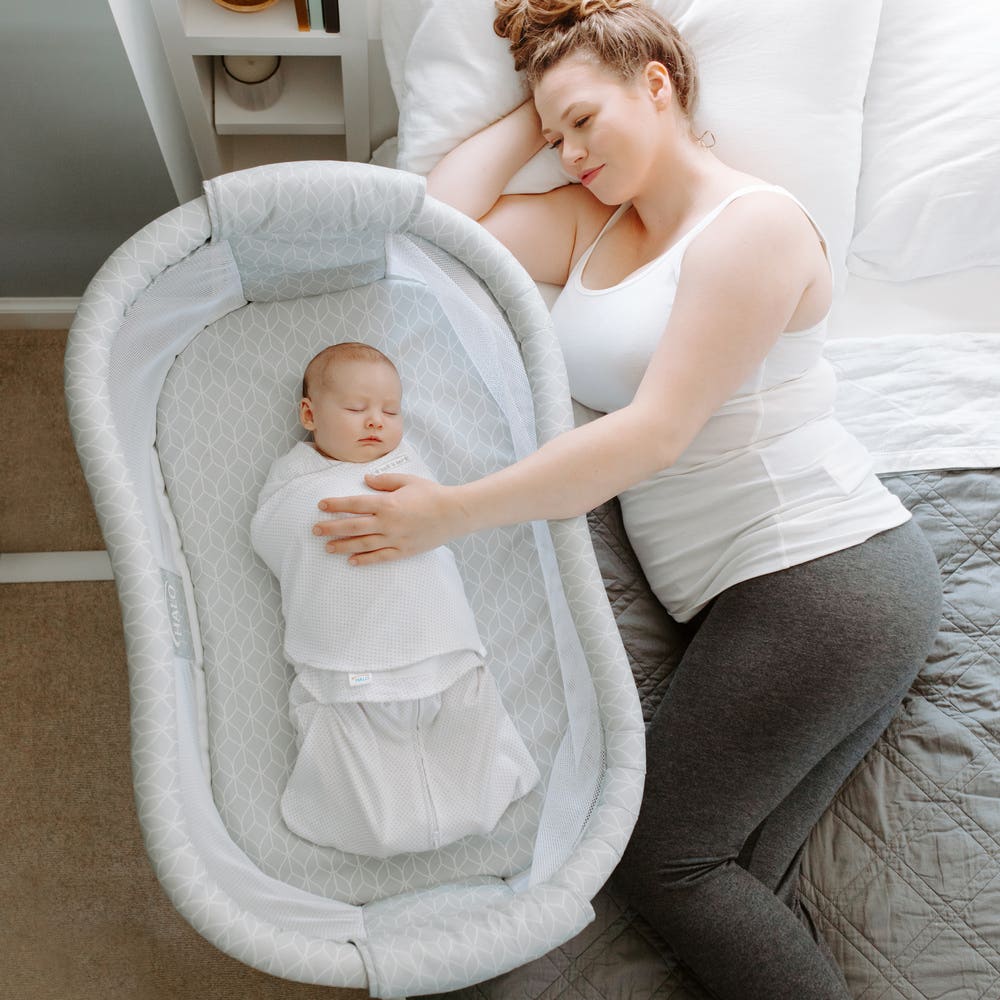
Practical considerations: space, budget, and lifestyle
Your home and routine affect the crib vs bassinet for newborn choice. Think about where the baby will sleep, how close you want them at night, and your budget.
Considerations:
- Room size: if you lack space, a bassinet helps keep the baby nearby.
- Night routines: frequent night feeds favor a bassinet near the bed.
- Budget: a single crib often saves money long-term versus renting a bassinet then buying a crib.
- Travel and visitors: a bassinet is easier to move and use in different rooms.
Ask yourself simple questions: Will you need portability? How long do you plan room-sharing? These answers help decide crib vs bassinet for newborn.

When to choose a bassinet
A bassinet is a good pick for many parents. Choose a bassinet when:
- You want the baby in the same room for the first months.
- You live in a small space and need a small sleep solution.
- You plan frequent night feeds and want short walks to soothe the baby.
- You want a lightweight option for moving between rooms.
Keep the baby safe by following the weight and developmental limits. If you value closeness and short-term convenience, a bassinet wins the crib vs bassinet for newborn debate.
When to choose a crib
Choose a crib when you need a long-term sleep solution. Pick a crib if:
- You want a single purchase that lasts years.
- Your baby will sleep in their own room or you want room-sharing for only the first weeks.
- You want options that adapt as the child grows.
- You prefer a stable, solid sleep surface with fewer transitions.
A crib supports developmental milestones and sleep routines longer than a bassinet. For many families, choosing a crib first resolves the crib vs bassinet for newborn dilemma by focusing on longevity.

Transitioning from bassinet to crib: a simple plan
Moving the baby from bassinet to crib can be smooth with a plan. Use these steps.
Steps to transition:
- Watch milestones: often at 3–6 months or when the baby can roll or push up.
- Keep the sleep surface familiar: use the same sheet and similar mattress firmness.
- Practice naps in the crib before full nights.
- Gradually move crib closer if needed, then set it in the final room.
Patience helps. Expect some short-term sleep shifts. A calm routine makes the switch easier when comparing crib vs bassinet for newborn stages.

Personal experience, lessons, and practical tips
From working with new parents and testing gear, I learned clear lessons about crib vs bassinet for newborns. Here are real tips that helped me and others.
Real-life tips:
- Start with a bassinet if you want hands-on nights. It made middle-of-night feeds easier for my family.
- Buy a convertible crib if you value long-term value. It saved money after six months.
- Test the bassinet weight limits before buying. One family I advised had to switch early when the baby hit the limit.
- Use a firm mattress and fitted sheet. This is non-negotiable for safe sleep.
A quick story: I once recommended a bassinet to a first-time parent who worked nights. The parent could sleep nearby during daytime naps, which kept their routine intact. Later they transitioned to a crib with fewer disruptions.
Quick PAA-style questions about crib vs bassinet for newborn
What is safest for newborn sleep: crib or bassinet?
Both can be safe if they meet safety standards and you follow safe sleep rules. Bassinets are safe early on; cribs are safer long-term.
How long should a newborn use a bassinet?
Most babies use a bassinet for 3–6 months or until they can roll, push up, or exceed weight limits. Watch the baby’s development, not a fixed calendar.
Can a newborn sleep in a crib from day one?
Yes. Many parents place newborns in cribs from day one with a firm mattress and fitted sheet. Room-sharing is recommended for the first 6 months.
Frequently Asked Questions of crib vs bassinet for newborn
h3: When should I stop using a bassinet?
Stop using a bassinet when your baby can roll over, push up on hands, or reaches the weight or height limit. This often happens around 3–6 months.
h3: Is it safe to bed-share instead of using a bassinet or crib?
Bed-sharing increases the risk of sleep-related death and is not recommended by safety experts. Room-sharing with the baby on a separate surface is safer.
h3: Do bassinets meet the same safety standards as cribs?
Bassinets must meet safety standards, but the rules and testing may differ by product. Always check labels and certifications before buying.
h3: Can I use a crib mattress in a bassinet?
No. Crib mattresses are larger and may not fit a bassinet safely. Use the mattress specifically designed for your bassinet model.
h3: How do I choose between travel bassinets and standard bassinet?
Choose a travel bassinet if you need portability and easy setup. Pick a standard bassinet if you want more stability and design features for home use.
h3: Are convertible cribs worth the money?
Convertible cribs often save money over time because they adapt as the child grows. They are worth it if you plan to use the crib for multiple years.
h3: Does a baby sleep better in a bassinet or crib?
Some babies sleep better in a bassinet because it feels snug. Others sleep the same or better in a crib due to more space. Try what fits your baby’s comfort and safety.
Conclusion
Choosing between a crib vs bassinet for newborn comes down to time, safety, and lifestyle. Bassinets offer closeness and portability for the early months. Cribs provide safety, space, and long-term value as the baby grows. Use safe sleep practices, watch developmental cues, and plan the transition early.
Take action now: list your priorities, check product safety labels, and choose the setup that supports safe sleep and your daily life. Leave a comment with your experience or subscribe for gear checklists and step-by-step transition guides.