Baby oil locks in moisture with a heavier, oily barrier; baby lotion hydrates and absorbs faster for daily use.
As a pediatric skincare writer and parent who has tested both products on newborns and toddlers, I’ve seen how the baby oil vs baby lotion choice matters for comfort, eczema, bath routines, and developing skin. This guide breaks down the differences, ingredients, safety points, and practical tips so you can pick the right product for your child’s needs.
What are baby oil and baby lotion?
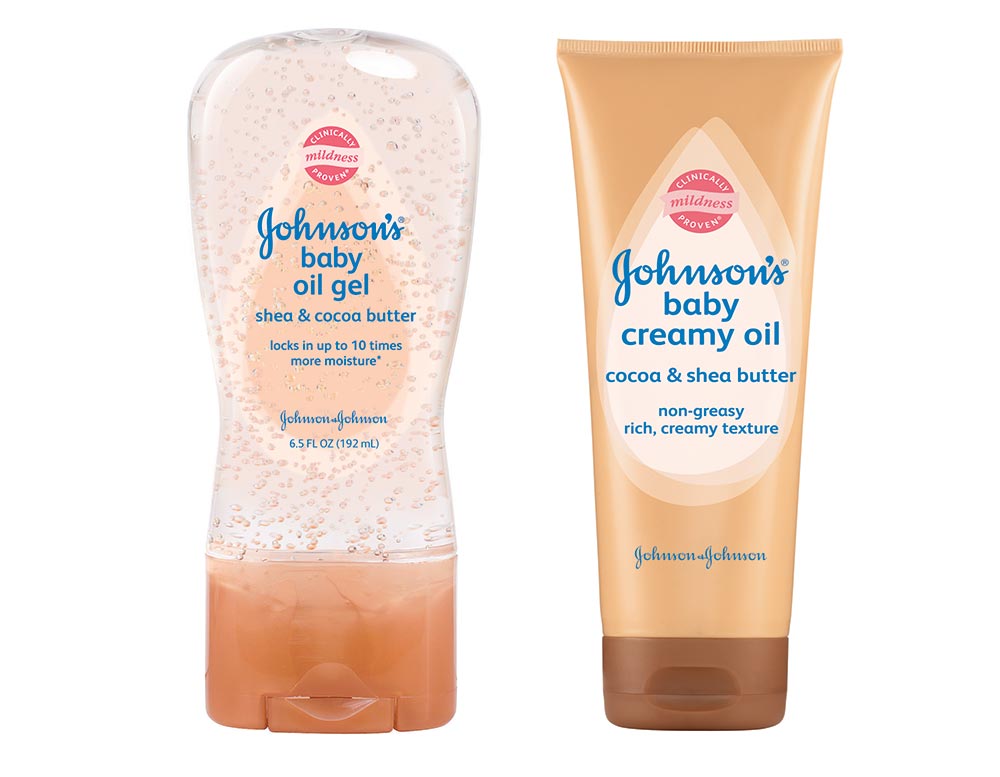
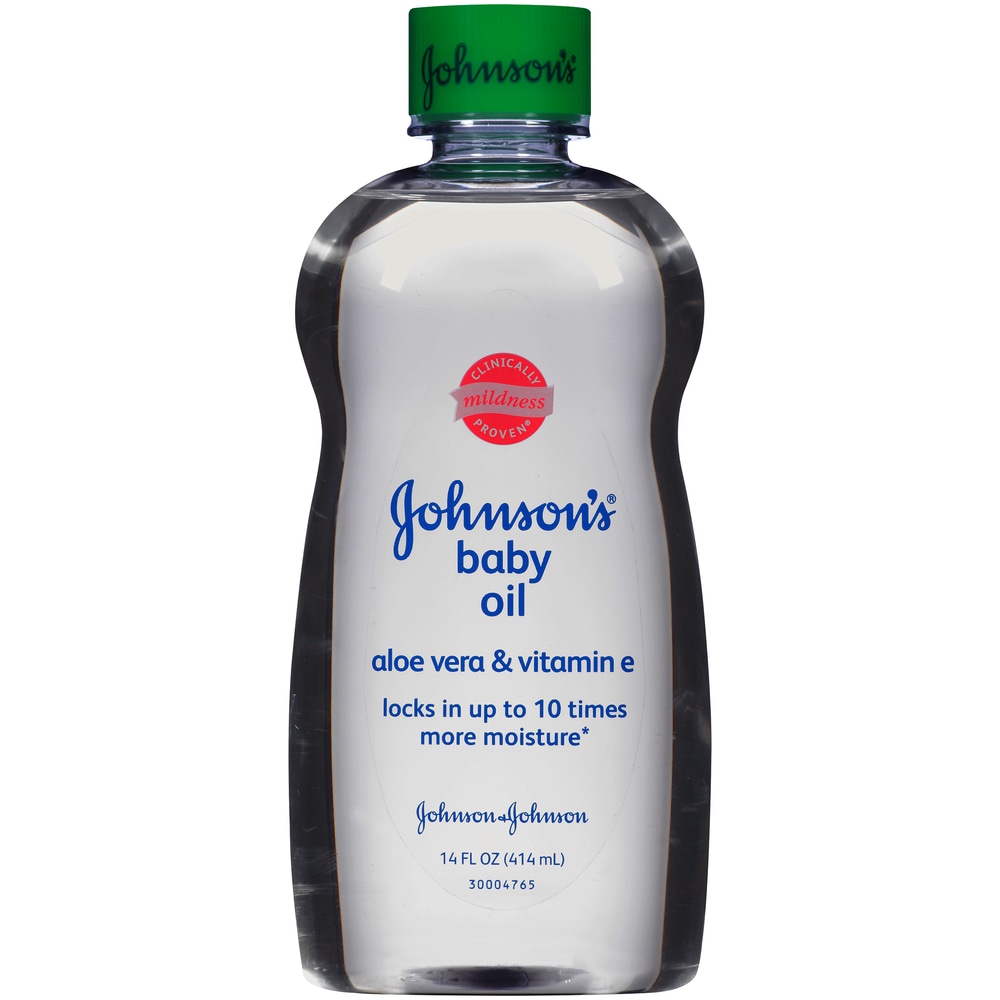
Baby oil is a mostly oil-based product. It creates an oily layer that prevents water loss from the skin. Common forms include mineral oil and plant-based oils like coconut or jojoba.
Baby lotion is a water-based moisturizer. It usually contains a mix of water, emollients, humectants, and mild occlusives. Lotions absorb quickly and leave less greasy residue.
When weighing baby oil vs baby lotion, think of oil as a protective seal and lotion as a lighter hydrator. Each suits different uses and skin types.

How they work: ingredients and mechanisms
Baby oil
- Main ingredient is an oil. It can be mineral oil, sunflower oil, or botanical oils.
- Works as an occlusive. It seals the skin surface to reduce moisture loss.
- Good for locking in hydration after a bath.
Baby lotion
- Blends water with oils and emulsifiers.
- Often includes humectants like glycerin to draw moisture into the skin.
- Absorbs quickly and feels light on the skin.
Understanding the ingredient roles helps when choosing between baby oil vs baby lotion. Look for fragrance-free and hypoallergenic labels for sensitive skin.
Benefits and uses for different skin types
For normal baby skin
- Baby lotion is convenient for daily use. It hydrates and dries fast.
- Baby oil can be used after baths to lock in moisture.
For dry or flaky skin
- Baby oil often provides stronger protection because of its occlusive nature.
- Heavier creams or oily mixes tend to reduce transepidermal water loss better than thin lotions.
For sensitive or eczema-prone skin
- Choose fragrance-free, dye-free formulas.
- Both baby oil and baby lotion can be safe. If flares happen, a pediatric dermatologist may recommend a specific emollient.
For massage and cradle cap
- Baby oil works well for baby massage and for softening cradle cap flakes.
- Lotions are less effective for oil-based tasks but are better for quick moisturizing.
Use the right product for the right need when deciding baby oil vs baby lotion.

Safety concerns, allergies, and pediatric guidance
Common safety points
- Fragrance and essential oils can irritate baby skin. Avoid them for newborns.
- Mineral oil is inert and unlikely to cause allergies, but some parents prefer plant oils to avoid petroleum derivatives.
- Some plant oils can be comedogenic or allergenic. Patch test on a small area first.
Bath and inhalation risk
- Avoid pouring oil into the bath. It can make tubs slippery and increase fall risk.
- Keep products away from the baby’s face and nose during application to prevent inhalation issues.
If you see sustained redness, swelling, or worsening rash, stop the product and contact a pediatrician. When in doubt, consult a professional.
How to choose: practical buying guide
Decide on the goal
- For locking in moisture after bathing, choose baby oil or a heavier ointment.
- For everyday fast absorption and a non-greasy feel, choose baby lotion.
Read labels
- Look for fragrance-free, hypoallergenic, and simple ingredient lists.
- Avoid sodium lauryl sulfate, parabens, and known irritants.
Consider formulation
- Mineral oil is stable and inexpensive.
- Plant oils like coconut or almond are natural but can trigger allergies in some babies.
Value and convenience
- Lotions often come in pump bottles and are easy to use on the go.
- Oils can be used for massage and overnight skin repair.
Use these steps to make a confident choice between baby oil vs baby lotion.
Application tips and best practices
How to apply baby oil
- Apply on damp skin right after a bath to trap moisture.
- Use a few drops on your hands. Massage gently.
How to apply baby lotion
- Use a small amount and spread evenly.
- Apply when skin feels dry or after bath time. Let it absorb.
Storage and hygiene
- Keep lids closed. Store at room temperature away from direct sunlight.
- Use clean hands to avoid contaminating the bottle.
Practical tips from experience
- I use lotion for daytime and oil for bedtime on colder nights.
- A little oil goes a long way. Start small to avoid greasy clothes.
Personal experience and real-life tips
I tested both on my children over several years. Here are honest takeaways.
- When my toddler had dry knees in winter, switching to baby oil at night reduced flaking within days.
- For rushed mornings, a simple lotion saved time and kept clothes clean.
- I learned to avoid fragranced baby lotions after one bout of irritation.
Lessons learned
- Patch test new products on the forearm first.
- Match product texture to activity. Use oil for massage and lotion for quick hydration.
These practical insights reflect real use and help you decide between baby oil vs baby lotion based on everyday needs.

Alternatives and when to consult a doctor
Other options
- Ointments like petroleum jelly for severe dryness or chafing.
- Emollient creams formulated for eczema for medically guided care.
- Natural but tested oils such as sunflower or jojoba if plant oils are preferred.
When to consult
- If skin infections, persistent rashes, or severe eczema occur, see a pediatrician.
- If you suspect an allergic reaction after switching products, stop and seek advice.
Knowing alternatives helps when baby oil vs baby lotion is not enough to solve skin issues.

Quick common questions (PAA-style)
What is better for newborn skin: oil or lotion?
- Newborns can use either, but simple, fragrance-free formulas are best. Many pediatricians recommend lotions for everyday use and oils for intense sealing after baths.
Can baby oil cause acne or clogged pores?
- Heavy oils can clog pores on some skin types. Use non-comedogenic oils and avoid applying too much.
Is mineral oil safe for babies?
- Mineral oil is widely used and generally safe. It’s inert and unlikely to cause allergic reactions, but some parents choose plant oils instead.
How often should I moisturize my baby?
- Once a day after a bath is common. Increase to twice a day in dry climates or during winter.
Can I use adult lotion on my baby?
- Adults’ lotions may contain fragrances or stronger active ingredients. Choose a baby-safe, fragrance-free option.
Frequently Asked Questions of baby oil vs baby lotion
What is the main difference between baby oil and baby lotion?
The main difference is composition. Baby oil is mostly oil and acts as an occlusive. Baby lotion is water-based and absorbs faster.
Which is better for treating dry patches?
Baby oil or a heavier emollient usually works better for dry patches because it seals moisture into the skin.
Are mineral oils safe for infant skin?
Mineral oils are generally safe and non-reactive. Parents who prefer natural products may choose plant-based oils instead.
Can baby oil be used for cradle cap?
Yes. Applying a small amount of oil to the scalp can help loosen cradle cap flakes before gentle combing and washing.
When should I choose lotion over oil?
Choose lotion when you want a quick-absorbing, non-greasy option for daily moisturizing and when dressing the baby afterwards.
Conclusion
Choosing between baby oil vs baby lotion comes down to need and skin type. Use oil to lock in moisture or for massage, and choose lotion for quick hydration and everyday convenience. Test products on small areas first, avoid fragrances, and consult a pediatrician for persistent problems. Try one approach for a week and observe results, then adjust your routine based on what helps your child’s skin feel soft and comfortable.
Take action today: check your baby’s current products, read labels for simple ingredients, and try a small patch test. Share your experience or questions below to help other parents make a clearer choice.