Use cream for active rashes; powder works better for dryness and chafing prevention.
I have worked with many parents and pediatricians and tested products over years, so I know the subtle differences between powder vs cream for diaper rash. This guide explains when to reach for a zinc oxide cream, when a gentle powder helps, and how to use each safely so your baby heals fast and stays comfortable.
Powder vs cream for diaper rash: what they are
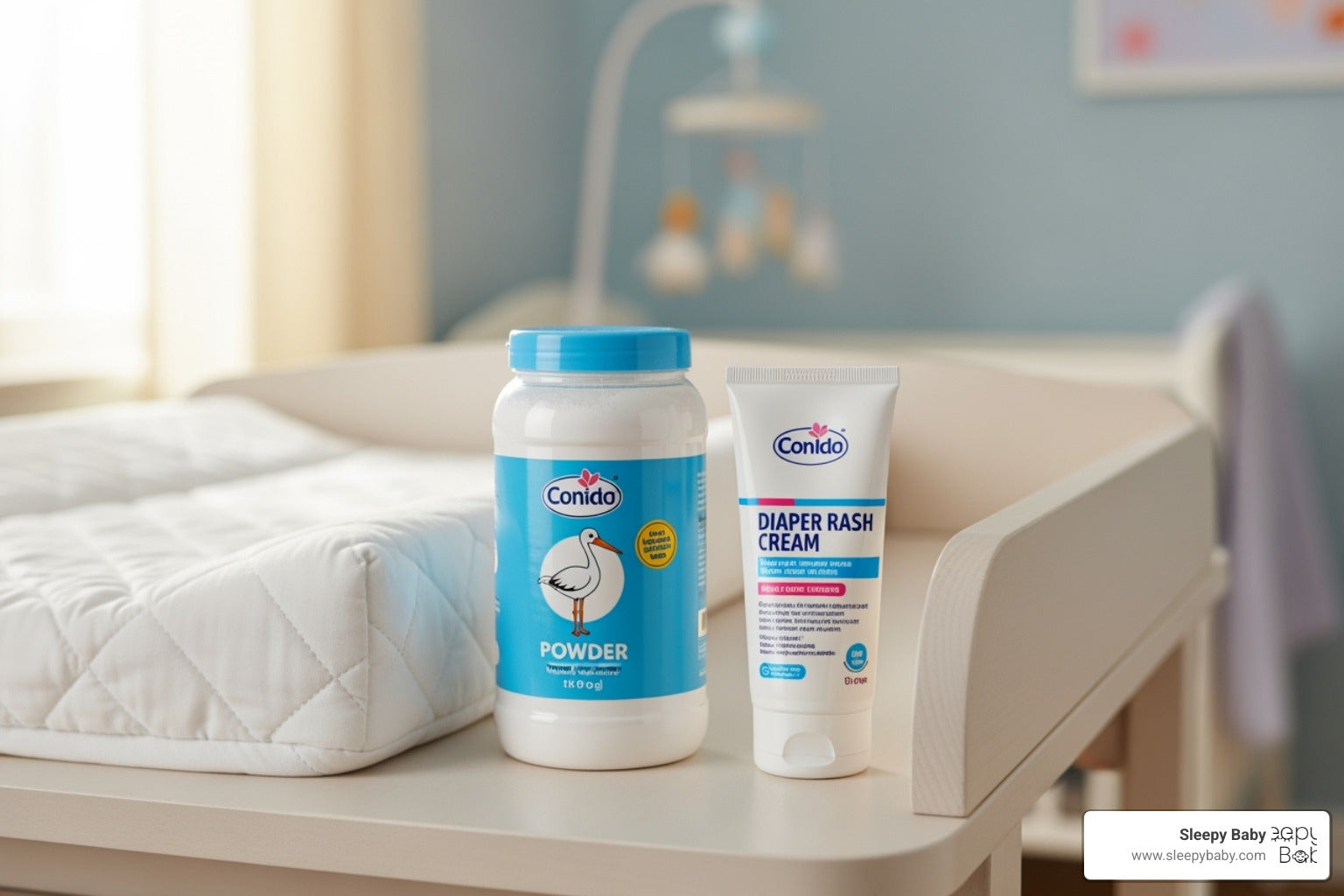
Powder vs cream for diaper rash boils down to form and function. Powders are dry formulations. They absorb moisture and reduce friction. Creams are thicker, often with protective ingredients like zinc oxide or petrolatum. They create a moisture barrier and help heal irritated skin.
Powder vs cream for diaper rash also differs by use. Powders suit prevention and chafing. Creams suit active irritation and open redness. Knowing both types helps you pick the right tool for the moment.

Why diaper rash happens and when powder vs cream for diaper rash matters
Diaper rash occurs when skin is exposed to moisture, friction, urine, stool, or irritants for too long. It can be mild reddening, yeast overgrowth, or a severe irritated area that needs treatment. Powder vs cream for diaper rash matters because each addresses different causes:
- Powders reduce wetness and friction to prevent rashes.
- Creams soothe, protect, and repair the skin barrier in active rashes.
If the rash is raw or blistered, creams with zinc oxide usually provide better protection. For mild redness without broken skin, a powder can help keep the area dry and reduce rubbing.
Benefits and drawbacks of powders
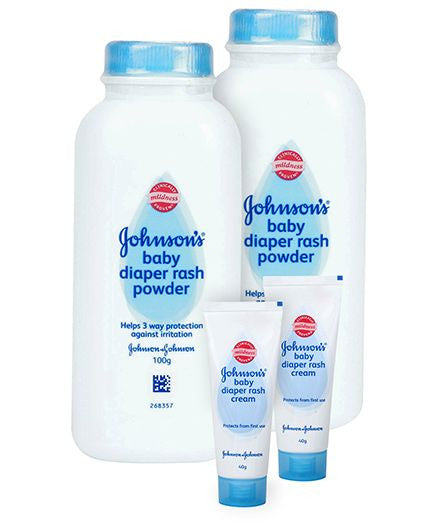
Benefits of powders:
- Absorb excess moisture and reduce skin-on-skin friction.
- Can make diaper changes faster by keeping the area drier.
- Often feel lightweight and are easy to apply.
Drawbacks of powders:
- Inhalation risk if the powder becomes airborne. Keep away from baby’s face.
- Not effective for healing broken or inflamed skin.
- Some powders can irritate sensitive skin or contain fragrances.
Use powders for prevention and to manage chafing during hot weather. When choosing a powder, pick a talc-free formula labeled safe for infants and apply sparingly.
Benefits and drawbacks of creams
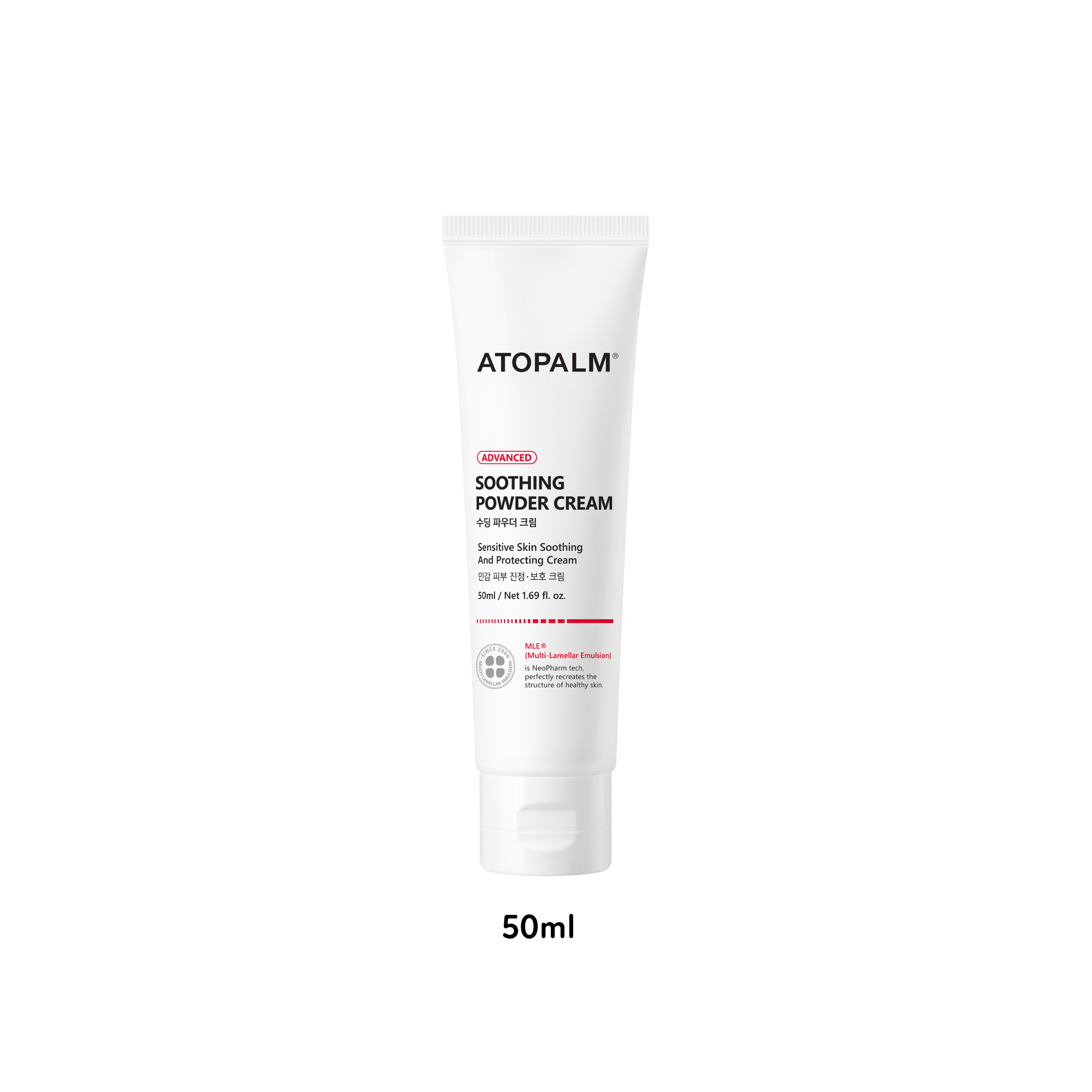
Benefits of creams:
- Create a protective barrier that shields skin from moisture and irritants.
- Contain active healing ingredients like zinc oxide to soothe irritation.
- Effective for mild to moderate diaper rash and for treating raw skin.
Drawbacks of creams:
- Can be thick and messy to apply, making diaper fastenings sticky.
- May interfere with diaper absorbency if over-applied.
- Some formulations contain fragrances or preservatives that can irritate sensitive skin.
For active rashes, creams are often the first choice. Use a thin, even layer and reapply at each change until the rash improves.

How to choose between powder vs cream for diaper rash
Decide based on rash type and situation:
- If skin is intact and you see mild redness or chafing, try a powder to reduce moisture and friction.
- If skin is red, raw, or has small open areas, choose a barrier cream with zinc oxide or petrolatum.
- If the baby has a yeast infection (bright red, satellite bumps), see a pediatrician; creams with antifungal agents may be required.
Also consider age and activity:
- Newborns and preemies may be more sensitive to powders—use caution.
- Toddlers with more movement often benefit from powders to reduce rubbing.
- Weather can influence choice: creams in winter for dry skin, powders in hot months for sweat.
When in doubt, prioritize barrier creams for active irritation and powders for preventive care. My clinical practice taught me to always check for signs of infection before choosing powder vs cream for diaper rash.

How to apply powders and creams safely
Cream application steps:
- Clean the area gently with warm water and a soft cloth. Pat dry.
- Apply a pea-sized amount and spread a thin layer over the rash.
- Fasten a clean diaper and check every 2–3 hours for progress.
Powder application steps:
- Clean and dry the skin thoroughly to avoid clumping or irritation.
- Sprinkle a small amount into your hand first, then dab onto the skin. Avoid shaking powder directly over the baby.
- Use only a light dusting and reapply only when needed.
Safety tips:
- Never apply powder near the baby’s face or breathe in powders yourself.
- Wash hands before and after application to avoid spreading irritants.
- Monitor the rash daily and change strategy if it worsens.
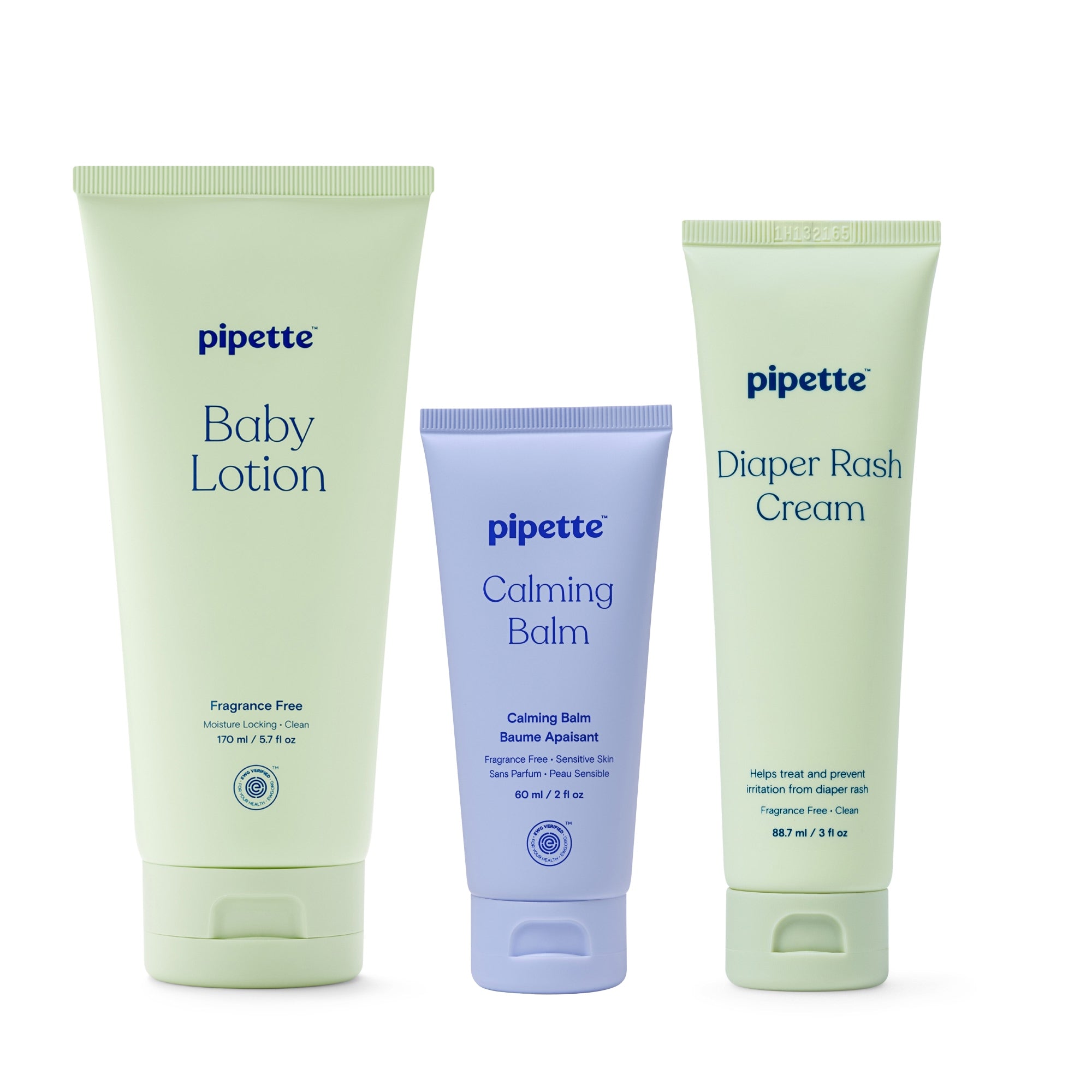
Ingredients to watch and pediatric guidance for powder vs cream for diaper rash
Common cream ingredients:
- Zinc oxide: forms a physical barrier and soothes.
- Petrolatum: seals out moisture and protects skin.
- Calendula or other soothing botanicals in gentle formulas.
Common powder ingredients:
- Cornstarch or arrowroot: absorb moisture without talc.
- Avoid talc-based powders because of inhalation concerns.
Pediatric guidance:
- Many pediatricians recommend zinc oxide creams for active rashes.
- Powders can be safe for prevention when talc-free and used carefully.
- If rash doesn’t improve in 48–72 hours, shows fever, or has blisters, seek medical care.
I once used cornstarch-based powder during a heatwave and switched to zinc oxide cream when redness increased. Simple observation guided the right choice.
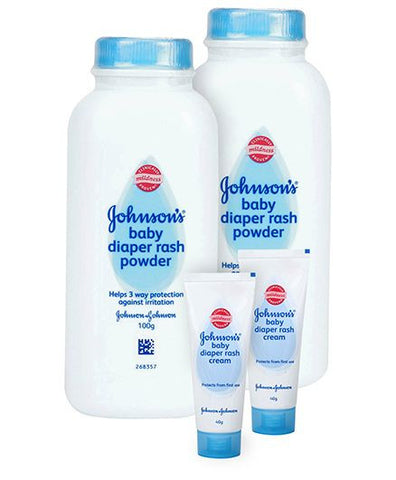
When to see a doctor about diaper rash
See a pediatrician if:
- The rash lasts more than three days despite treatment.
- The rash has open sores, pus, or bleeding.
- There is fever, lethargy, or the baby seems in pain.
- The rash looks like a yeast infection or spreads beyond the diaper area.
Early medical advice prevents complications and ensures you choose the correct treatment between powder vs cream for diaper rash.
Real-world experience and practical tips
From years advising parents, I learned these practical tips:
- Keep diaper changes frequent and brief. Clean, dry skin heals faster.
- Rotate products: use powder for prevention and cream for attacks.
- Test a small area first when trying a new product to check for sensitivity.
- Pack a small tube of zinc oxide cream when traveling. Powders can spill.
Mistakes I’ve seen:
- Applying too much cream, which can trap moisture instead of protecting.
- Sprinkling powder directly over the baby’s bottom, risking inhalation.
- Waiting too long to treat an active rash, which can lead to infection.
These small habits make a big difference when deciding between powder vs cream for diaper rash.
Variations and special situations
Different diapers and situations change the choice:
- Cloth diapers: creams can build up; use thin layers and wash thoroughly. Powders can help manage moisture but test fabric compatibility.
- Swim diapers: rinse thoroughly; use light cream after swimming to restore the barrier.
- Sensitive skin: look for fragrance-free, hypoallergenic creams and cornstarch-based powders.
Adjust your approach based on what works for your baby and your daily routine.
Frequently Asked Questions of powder vs cream for diaper rash
Is powder or cream better for newborn diaper rash?
Creams are generally better for newborn rashes because they protect and heal fragile skin; powders can pose inhalation risks if not used carefully.
Can I use powder and cream together?
Yes, you can use both but at different times: apply cream to treat active rash and use powder sparingly to prevent friction once the skin has begun to heal.
Are talc powders safe for babies?
Talc powders carry inhalation risks and are not recommended; choose talc-free, cornstarch-based formulas labeled safe for infants.
How often should I change from cream to powder?
Switch when the skin shows clear healing and no broken areas. For many babies this happens in 2–3 days, but monitor closely.
When should I call the doctor instead of trying powder vs cream for diaper rash?
Call a doctor if the rash worsens, shows signs of infection, lasts more than three days, or the baby develops fever or pain.
Can creams stain cloth diapers?
Yes, barrier creams can reduce absorbency and leave residue on cloth diapers; use minimal cream and wash diapers thoroughly.
Conclusion
Powder vs cream for diaper rash is not an either-or choice. Creams heal and protect active rashes. Powders help prevent moisture and friction. Use the right product for the rash type, follow safe application steps, and seek medical advice when needed. Try a small test change today: switch to a zinc oxide cream for active redness or a talc-free powder for prevention, and track what works best for your baby.
Take action: try one simple change at the next diaper change, observe for 48 hours, and leave a comment with what worked for you.