Newborn metabolic screening checks a baby’s blood for rare disorders before symptoms can appear.
Newborn metabolic screening explained in simple terms: it is an early safety check that can find serious, treatable conditions within a baby’s first days of life. This guide covers what the test looks for, how it works, what results mean, and what parents should do next.
What Is Newborn Metabolic Screening?
Newborn metabolic screening is a group of blood tests done soon after birth. It checks for certain genetic, hormone-related, and metabolic disorders. These conditions may not cause visible signs at first, but early treatment can prevent brain injury, severe illness, or death.
The test usually uses a few drops of blood from a baby’s heel. A health care professional places the blood on a special card and sends it to a laboratory. The lab checks for markers linked to specific disorders.
Newborn metabolic screening explained another way: it acts like an early warning system. It does not tell a doctor that a baby definitely has a disease. Instead, it shows whether more testing may be needed.
The screening panel differs by state in the United States. Most states screen for core conditions recommended by national public health experts, but some test for additional disorders.
Why Is Newborn Metabolic Screening Important?
Many screened conditions are rare. Yet they can become dangerous quickly if they are not found early. A baby may look healthy while a harmful substance builds up in the blood or while the body lacks an important hormone or enzyme.
Early treatment may include:
• A special formula or diet
• Vitamins or replacement hormones
• Medicines
• Avoiding certain foods or drugs
• Emergency care during illness
• Ongoing care from a specialist
For example, babies with phenylketonuria, or PKU, cannot process phenylalanine in a normal way. Without treatment, high levels may harm brain development. A special diet started early can greatly reduce this risk.
Congenital hypothyroidism is another example. Babies with this condition may lack enough thyroid hormone. Treatment with thyroid hormone soon after birth supports normal growth and development.
This is why newborn metabolic screening explained matters even when a family has no known history of genetic disease. Many affected babies are born to healthy parents with no warning signs.

When and How Is the Screening Done?
Most babies have the blood test between 24 and 48 hours after birth. This timing helps the test work well because the baby has begun feeding and the body has had time to show useful chemical markers.
A nurse, midwife, or other trained professional usually follows these steps:
- The baby’s heel is warmed to improve blood flow.
- The heel is cleaned.
- A small needle makes a quick skin prick.
- Several drops of blood go onto a filter-paper card.
- The card is sent to a state or approved laboratory.
- The laboratory reports the result to the baby’s health care provider.
The heel prick may make a baby cry, but the discomfort is brief. Swaddling, skin-to-skin contact, breastfeeding, or a small amount of expressed milk may help calm the baby.
If a baby leaves the hospital before 24 hours, the first sample may be too early. In that case, the provider may request a repeat test. Babies who receive blood transfusions may also need special repeat testing because donor blood can affect some results.

What Conditions Does Newborn Metabolic Screening Detect?
The exact panel depends on the state and the baby’s health history. Common categories include metabolic, endocrine, hemoglobin, and immune disorders.
Examples may include:
• Phenylketonuria, or PKU
• Congenital hypothyroidism
• Medium-chain acyl-CoA dehydrogenase deficiency, also called MCAD deficiency
• Maple syrup urine disease
• Galactosemia
• Congenital adrenal hyperplasia
• Biotinidase deficiency
• Sickle cell disease and other hemoglobin disorders
• Severe combined immunodeficiency, or SCID
• Cystic fibrosis in many states
These disorders affect the body in different ways. Some prevent the body from breaking down fats, proteins, or sugars. Others affect hormone production, oxygen-carrying blood cells, or immune function.
Newborn metabolic screening explained through MCAD deficiency offers a useful example. A baby with MCAD deficiency may have trouble using fat for energy during fasting or illness. Finding the condition early allows families and clinicians to plan feeding and sick-day care.
Screening panels change as science improves. Parents can ask their state health department or pediatrician which conditions are included where they live.

What Happens After an Abnormal Screening Result?
An abnormal or out-of-range result does not automatically mean the baby has a disorder. Screening is designed to be sensitive, so it may identify babies who are healthy but need a closer look.
A health care provider may contact the family quickly. The next step may include a repeat blood spot, a urine test, a blood test, or an examination by a specialist.
Families should:
- Make the follow-up appointment as soon as possible.
- Ask what the result means and which condition it may involve.
- Follow feeding or medication instructions carefully.
- Tell the provider if the baby seems unwell.
- Keep copies of test results and specialist notes.
Do not wait for symptoms if a provider requests follow-up. Some conditions can worsen before a baby looks sick. At the same time, try not to panic. Many out-of-range results are caused by early testing, prematurity, illness, poor feeding, or a sample problem.
A practical lesson for parents is to keep phone numbers current with the hospital and pediatric office. In real care settings, delayed contact can slow follow-up even when the medical team is ready to help.

What Can Cause a False-Positive or False-Negative Result?
A false-positive result means the screening suggests a possible disorder, but follow-up testing shows that the baby is healthy. This can happen because screening tests favor safety and early detection.
Common reasons include:
• The sample was collected before the baby was 24 hours old
• The blood spot was too small or damaged
• The baby was premature or had a low birth weight
• The baby received a blood transfusion
• The baby was sick or not feeding well
• Certain medicines or treatments affected the result
• The laboratory used a borderline cutoff
A false-negative result means the screening does not flag a condition that is later found. No screening test detects every case. Parents should still seek medical care if a baby has poor feeding, repeated vomiting, unusual sleepiness, breathing trouble, seizures, or poor weight gain.
Newborn metabolic screening explained accurately must include this limit: it reduces risk, but it cannot replace regular pediatric care. A normal result is reassuring, not a guarantee that every health problem has been ruled out.
Is Newborn Metabolic Screening Required?
In the United States, all states require newborn screening, but the rules and panel size vary. Hospitals and birth centers usually arrange the blood test before discharge.
Parents may have the legal right to decline screening in some locations. However, refusal can carry serious risks because several screened disorders are treatable only when found early. Families should discuss concerns with a pediatrician or public health professional before making a decision.
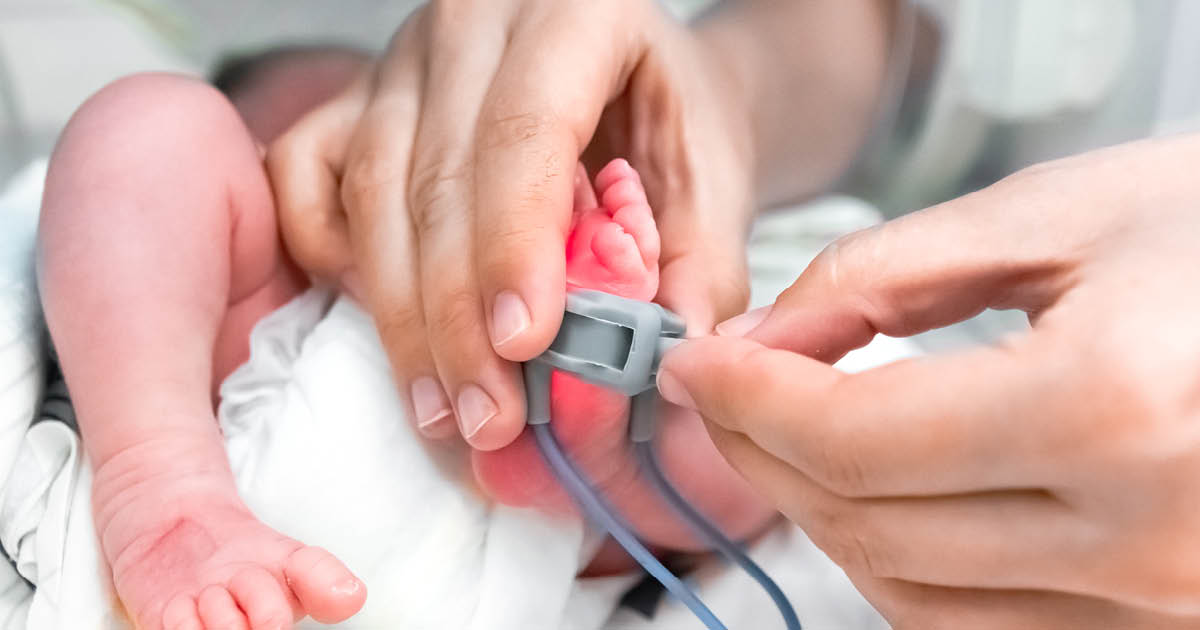
The blood test is only one part of newborn screening. Many hospitals also provide:
• A hearing screen
• Pulse oximetry screening for certain serious heart defects
• A review of the baby’s physical examination
• Follow-up checks for feeding, weight, and jaundice
These tests look for different problems. Passing one screen does not mean a baby has passed all newborn health checks.

How Much Does Newborn Metabolic Screening Cost?
The cost depends on the state, insurance plan, hospital, and family income. In many areas, screening is covered by public health programs or health insurance. Some programs offer reduced fees for families who qualify.
Parents can ask the hospital or state screening program:
• Whether the test is included in the birth care bill
• Whether a repeat sample costs extra
• How to obtain the result
• What to do if the family moves
• Whether financial help is available
If a repeat test is requested, ask why it is needed. A repeat does not always mean the first result was abnormal. Sometimes the first sample was collected too early or could not be read properly.
What Should Parents Ask the Health Care Team?
Clear questions can make this process less stressful. Consider asking:
- Which tests are included in our state’s newborn screening panel?
- When was my baby’s sample collected?
- Has the laboratory reported the result?
- Was the sample satisfactory?
- Does my baby need a repeat test?
- Who will contact us if follow-up is needed?
- How can we get a copy of the report?
- Does prematurity, illness, or transfusion change the testing plan?
Parents should also tell the care team about family history. A known metabolic disorder, unexplained infant death, or genetic condition may require more testing than routine screening alone.
One useful habit is to place the screening result with the baby’s other medical records. This helps if the family changes doctors, moves to another state, or visits an emergency department.
How Is Newborn Metabolic Screening Interpreted?
A laboratory may report a result as normal, abnormal, out of range, unsatisfactory, or needing repeat testing. The wording can vary. Parents should ask the baby’s provider to explain the report rather than trying to interpret numbers alone.
A normal result means the screening did not find a sign of the disorders tested at that time. An abnormal result means the baby needs more evaluation. An unsatisfactory sample means the laboratory could not use the blood spot reliably.
Follow-up tests may confirm the condition, rule it out, or show that another explanation caused the first result. A genetic counselor, metabolic specialist, endocrinologist, hematologist, or other expert may become involved.
Newborn metabolic screening explained responsibly also means recognizing health differences. Screening works well for many babies, but results may vary with age, nutrition, prematurity, transfusion, and laboratory methods. Health professionals use the full clinical picture, not one result alone.
Frequently Asked Questions About Newborn Metabolic Screening Explained
What is newborn metabolic screening?
Newborn metabolic screening is a blood test that looks for rare but serious disorders soon after birth. It can identify conditions before symptoms appear, allowing treatment to begin early.
Does a positive newborn screening result mean my baby is sick?
No. A positive or out-of-range result means the baby needs follow-up testing. Many babies with an abnormal screen do not have the condition being considered.
Is the heel-prick test painful?
The heel prick may cause brief pain or crying. Comfort measures such as swaddling, skin-to-skin contact, and feeding can help the baby settle quickly.
When should newborn metabolic screening be done?
It is usually done between 24 and 48 hours after birth. If the sample is collected too early, the baby may need another test after leaving the hospital.
What if my baby misses the screening?
Contact the pediatrician, hospital, or local health department promptly. The team can arrange testing and explain whether additional steps are needed because of the baby’s age.
Can newborn screening detect every genetic condition?
No. Newborn screening checks for a specific group of conditions and does not replace a full medical examination or genetic testing. A baby can have a health problem even after a normal screening result.
Who receives the screening results?
The laboratory usually sends the result to the hospital, pediatrician, or state health program. Parents can ask the baby’s provider for a copy and instructions about any needed follow-up.
Conclusion
Newborn metabolic screening is a simple early test with the potential to protect a child’s health for life. It uses a few drops of blood to look for rare conditions that may be hard to spot in a healthy-looking baby.
Newborn metabolic screening explained clearly means knowing both its value and its limits. A normal result is reassuring, while an abnormal result calls for prompt follow-up, not immediate fear.
Before leaving the hospital, confirm that the sample was collected, ask how results will be shared, and schedule any repeat test without delay. For reliable guidance, speak with your pediatrician or state newborn screening program, and share this guide with another new parent who may find it useful.