Newborn hearing screening checks a baby’s hearing early, safely, and without pain.
Newborn hearing screening explained in simple terms can help parents understand what happens, why it matters, and what to do next. This guide draws on current pediatric hearing guidance and practical care advice, so you can feel calm, prepared, and ready to support your baby.
What Is Newborn Hearing Screening?
Newborn hearing screening is a quick test done soon after birth. It checks how your baby’s ears and hearing pathways respond to sound. The test does not diagnose every type of hearing loss, but it can show whether more testing may be needed.
Most babies have the screening before leaving the hospital. Babies born at home or in a birth center may receive it at a clinic or pediatric office. The goal is simple: find possible hearing problems early.
Newborn hearing screening explained clearly means understanding that this is a screening, not a final diagnosis. A “pass” means your baby showed the expected response at the time of testing. A “refer” means your baby needs another test, not that hearing loss is certain.
Early hearing checks matter because babies learn language by listening, watching, and interacting. When hearing loss is found early, families can explore support before speech and language delays develop.
Why Do Babies Need a Hearing Test?
Hearing loss can be present at birth, even when a baby looks healthy. Some babies with hearing loss have no visible signs. They may feed well, sleep normally, and respond to touch, while still having difficulty hearing certain sounds.
Newborn hearing screening explained through early development shows why timing matters. Babies’ brains build sound and language skills very quickly during the first months and years of life.
Early screening can help families:
• Learn about a possible hearing concern sooner
• Arrange a full hearing evaluation
• Connect with an audiologist and early support services
• Choose communication options that fit the child and family
• Track hearing if risk factors are present
The Centers for Disease Control and Prevention reports that most babies receive hearing screening before one month of age. Public health programs often use the “1-3-6” goal: screen by one month, confirm hearing status by three months, and begin support by six months when needed.
These targets are goals, not reasons for guilt. Missed appointments, illness, insurance concerns, and travel can delay care. The most important step is to schedule the next test as soon as possible.
How Newborn Hearing Screening Works
There are two common types of newborn hearing screening. Both are safe, fast, and usually done while a baby is asleep.
Otoacoustic emissions test
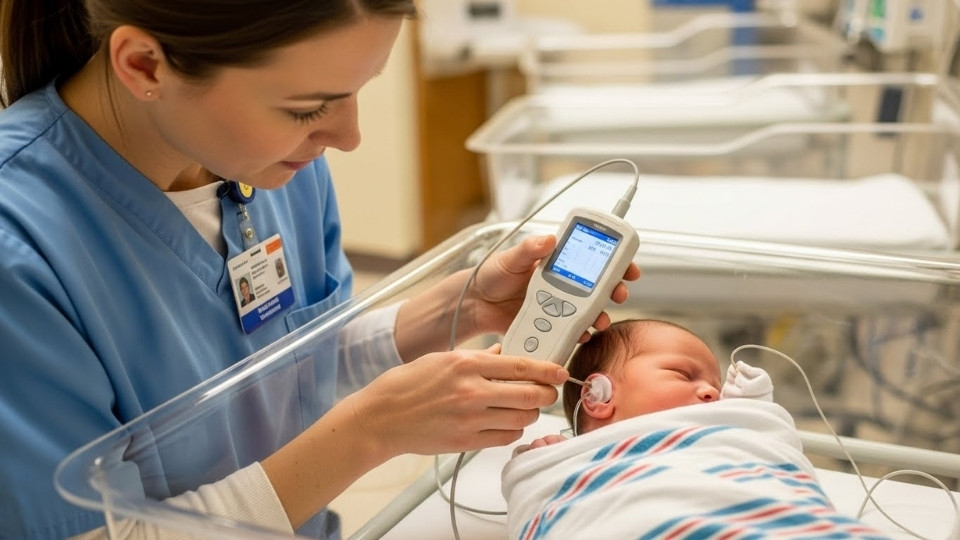
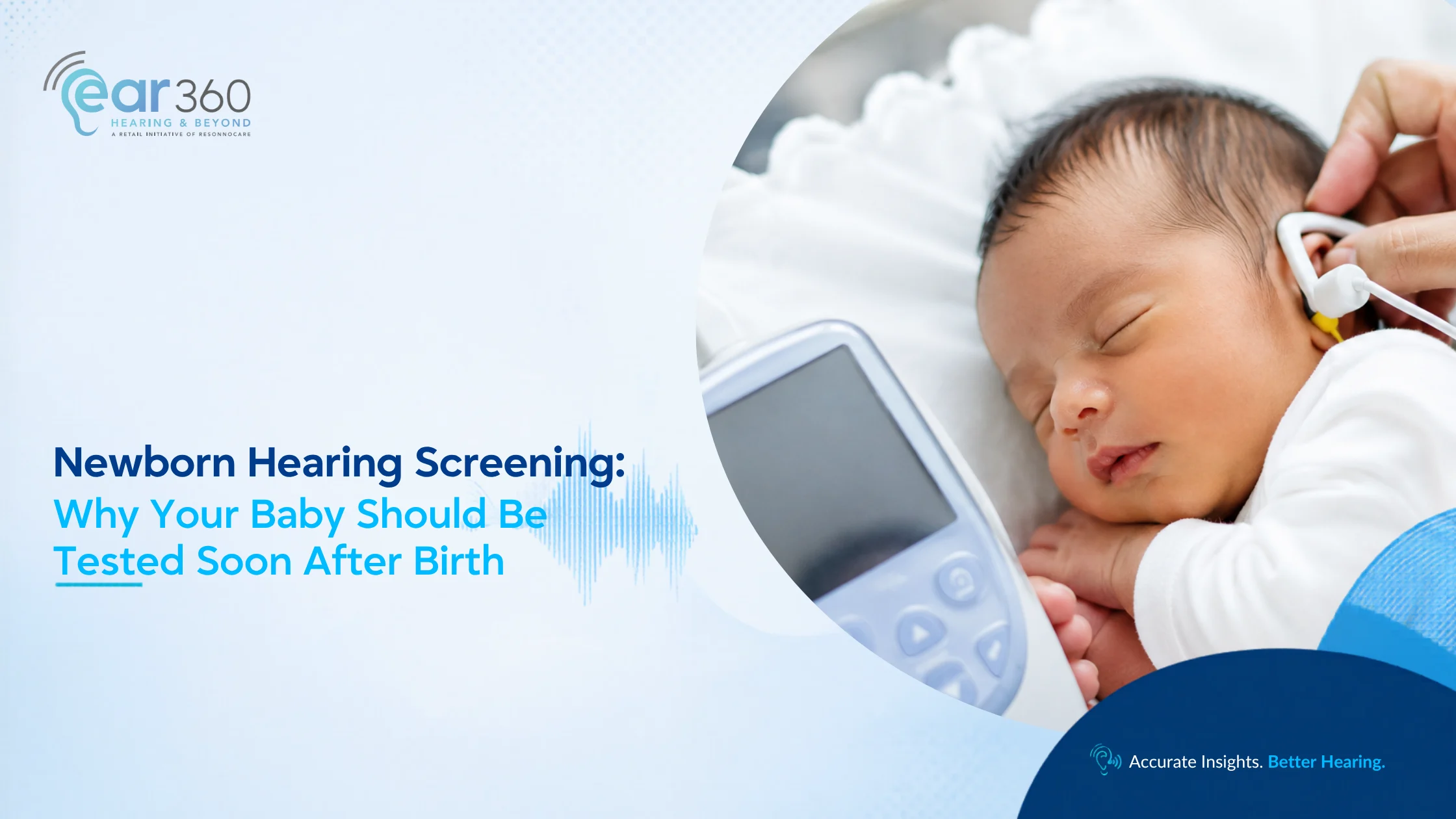
An otoacoustic emissions test is often called an OAE test. A small soft tip sits in the baby’s ear canal. The device plays gentle sounds and measures a response from the inner ear.
A healthy cochlea, which is the hearing organ in the inner ear, usually produces a small sound in response. The equipment records this response. The test takes only a few minutes for both ears.
Auditory brainstem response test
An auditory brainstem response test is also called an ABR test. Small sensors are placed on the baby’s head. Soft earphones play sounds, while the sensors measure how the hearing nerve and brainstem respond.
An ABR test may be used for all babies in some hospitals. It is also common for babies in intensive care or those with certain medical risk factors.
Newborn hearing screening explained this way may sound technical, but the process is gentle. Your baby does not need to speak, press a button, or follow directions. A quiet, sleeping baby often makes the test easier.

What Happens During the Screening?
The screener usually waits until your baby is calm or asleep. Feeding your baby shortly before the test may help, unless your care team gives different instructions.
The test may happen in your hospital room or another quiet space. The screener places the equipment near or on your baby’s ears. You can usually stay close, hold your baby, or watch the process.
A typical screening follows these steps:
-
The screener checks your baby’s information and explains the test.
-
Your baby is settled in a quiet position.
-
The screener places a soft probe or small sensors on your baby.
-
The device plays quiet sounds.
-
The equipment records the response from each ear.
-
The screener explains the result and any needed follow-up.
Newborn hearing screening explained for new parents should include one key point: the test does not hurt. Your baby may startle, move, or wake up, but the sounds are designed for screening and the equipment does not damage the ears.
Understanding “Pass” and “Refer” Results
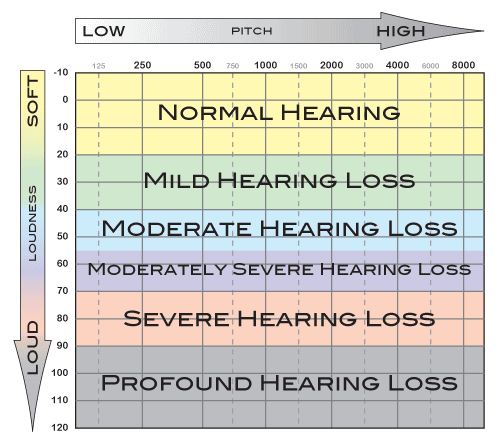
A pass result means the screening found the expected response in both ears at that time. It does not guarantee perfect hearing forever. Hearing can change later because of illness, injury, noise exposure, genetic conditions, or other causes.
A refer result means the screening did not record a clear response in one or both ears. It does not automatically mean your baby has permanent hearing loss.
Common reasons for a refer result include:
• Fluid or debris in the ear canal
• Vernix, the waxy coating present at birth
• Baby movement or crying
• Background noise
• A poor fit of the screening probe
• Temporary middle ear fluid
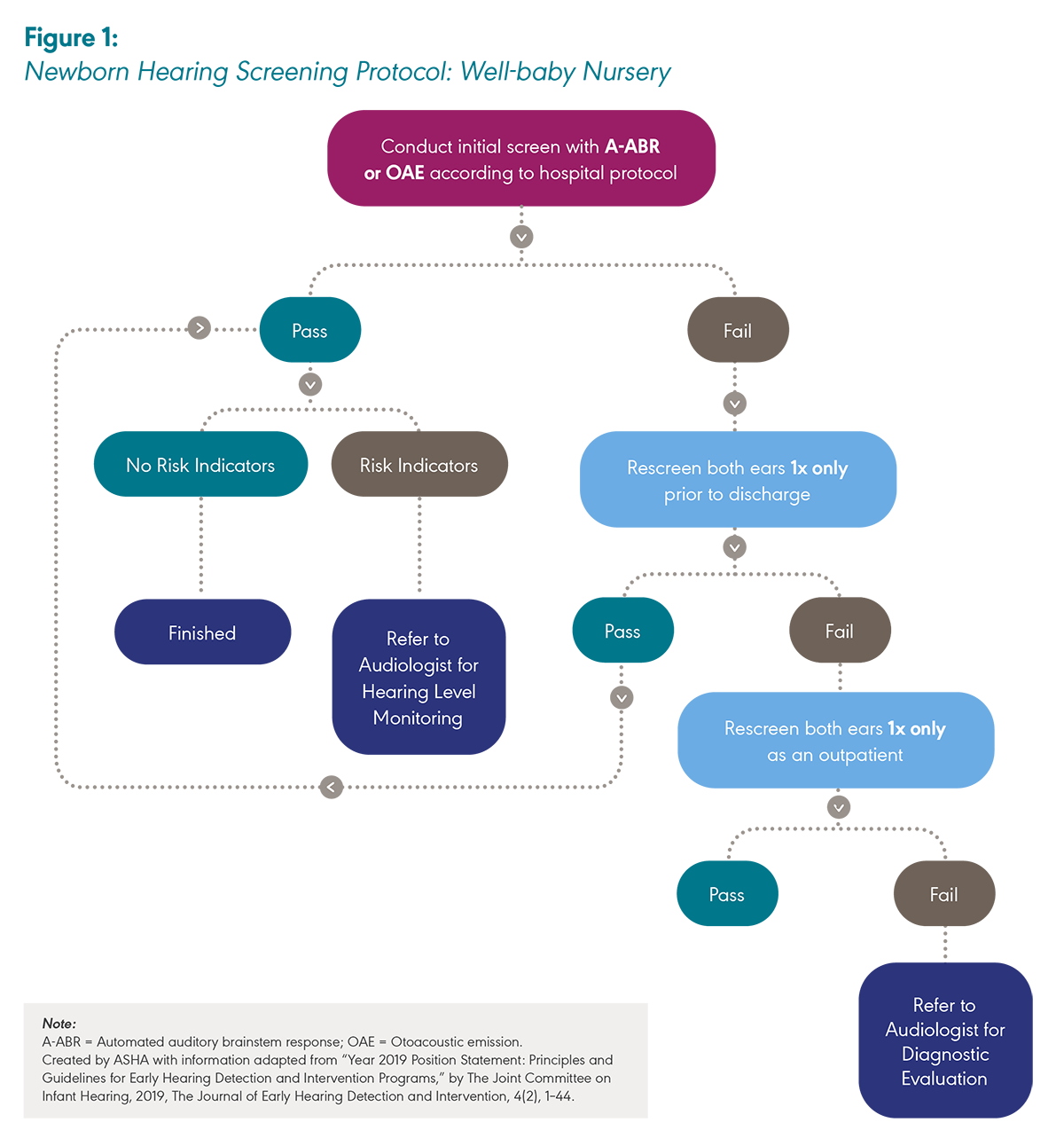
If your baby receives a refer result, ask when and where the repeat screening will occur. Follow-up is important because a second test often gives a clearer result. Do not wait for your baby to “grow out of it” without medical guidance.
This is one of the most important lessons in newborn hearing screening explained: a refer result calls for action, not panic. Keep the follow-up appointment and ask questions until you understand the plan.

What Happens After a Refer Result?
Many hospitals repeat the screening before discharge or arrange an outpatient rescreen. The timing depends on the hospital, your baby’s health, and local program rules.
If the repeat screening still shows a concern, your baby should see a pediatric audiologist. An audiologist can perform more detailed tests and determine whether hearing loss is present.
Further evaluation may include:
• Diagnostic ABR testing
• Tympanometry to check middle ear function
• Behavioral hearing tests when your child is old enough
• A review of family history and medical risk factors
A diagnostic evaluation should usually be completed by three months of age when possible. If hearing loss is confirmed, early support can begin promptly.
Parents sometimes feel worried or ashamed after a refer result. Nothing you did caused the screening result. Think of the test as a smoke alarm: it signals that someone should look more closely, but it does not prove there is a fire.
Who Has a Higher Risk of Hearing Loss?
Any baby can have hearing loss, even without known risk factors. Still, some conditions increase the need for careful follow-up.
Risk factors may include:
• A family history of childhood hearing loss
• A stay in a neonatal intensive care unit
• Certain infections during pregnancy
• Severe jaundice that required a blood transfusion
• Certain genetic conditions
• Abnormalities of the face, skull, or ears
• Exposure to some medicines that can affect hearing
• Meningitis or other serious infections
• A head injury
A baby may pass the newborn hearing screening and still need later hearing checks because of these risks. Your pediatrician may recommend ongoing monitoring.
Newborn hearing screening explained fully includes follow-up beyond the hospital. Tell your child’s doctor about family history and any major medical events. Keep routine checkups, and mention concerns about your baby’s response to sound.

Signs Your Baby May Need More Hearing Support
Parents often notice changes before a routine visit. Babies develop at different speeds, so one missed response does not prove hearing loss. Still, patterns deserve attention.
Talk with your pediatrician or audiologist if your baby:
• Does not startle at loud sounds
• Does not calm when hearing a familiar voice
• Does not turn toward sound as expected
• Stops making sounds or responding to people
• Does not seem to notice toys that make noise
• Has unclear speech or delayed language as they grow
Do not test your baby with sudden loud noises. Clapping, shouting, or using loud music can frighten a baby and may harm hearing. Instead, observe normal responses during quiet daily activities.
A practical tip from clinical care is to write down what you notice. Record the date, the sound, and your baby’s response. This simple log can help your child’s healthcare team see patterns.
Benefits and Limits of Newborn Hearing Screening
The biggest benefit is early awareness. Screening can identify babies who need more testing before parents notice a problem. It also supports faster access to audiology, communication services, and family counseling.
Newborn hearing screening has limits, too. It may not detect every type of hearing loss. It may miss hearing loss that begins later, changes over time, or affects hearing only in certain situations.
Other limits include:
• A false positive result, meaning the test suggests a concern that later disappears
• A false negative result, meaning the test passes even though a problem exists
• Difficulty testing a restless or crying baby
• Temporary blockage from fluid or debris
• Limited information about how a child will understand speech in daily life
That is why screening is only the first step. Regular developmental checks and attention to parent concerns remain important.
Newborn hearing screening explained accurately must include both its value and its boundaries. It is a strong safety check, but it is not a promise that hearing will never change.

How Parents Can Prepare
You usually do not need special preparation. Still, a few simple steps can make the visit easier.
• Feed your baby shortly before the test if permitted.
• Bring your baby’s medical and insurance information.
• Ask whether the hospital will provide written results.
• Confirm the date and location of any repeat test.
• Write down the name and phone number of the hearing clinic.
• Ask what to do if you move or miss the appointment.
Keep all hearing records with your baby’s health documents. If you change pediatricians, share the screening result and any audiology reports.
One mistake families sometimes make is leaving the hospital without knowing whether the test was completed. Before discharge, ask three questions: Was the screening done? What was the result for each ear? What happens next?
Newborn Hearing Screening and Early Intervention
If testing confirms hearing loss, early intervention can help your child build communication skills. Support may include hearing technology, speech and language services, sign language resources, family education, or a combination of options.
There is no single right path for every family. Your child’s needs, your values, access to services, culture, and preferred communication approach all matter.
A team may include:
• A pediatric audiologist
• An ear, nose, and throat specialist
• A pediatrician
• An early intervention provider
• A speech and language professional
• A teacher of children who are deaf or hard of hearing
• A family support specialist
Newborn hearing screening explained in the context of early intervention is about opportunity, not labels. The goal is to give your child the tools and support needed to communicate, learn, and connect.
Cost, Access, and Privacy
Many hospitals include newborn hearing screening in maternity care charges. Costs and coverage vary by state, insurance plan, hospital, and screening program. Ask the hospital billing team or your insurer about your specific situation.
If you do not have insurance, ask about public health programs, community clinics, and early intervention services. Many areas offer assistance for children who need diagnostic testing or hearing support.
Your baby’s health information is private. Ask how results are stored and who receives them. You can request copies of screening reports for your own records and for future healthcare providers.
Access can be harder for families who live far from specialists or lack transportation. Tell the care team about these barriers. A social worker or public health coordinator may help arrange transportation, referrals, or local services.
Frequently Asked Questions About Newborn Hearing Screening Explained
Is newborn hearing screening painful?
No. Newborn hearing screening is safe and painless. Your baby may react to the sounds or wake up, but the test does not involve needles or painful procedures.
When should a baby have a hearing screening?
Most babies should be screened before one month of age, often before leaving the hospital. If the first screening is not passed, arrange a repeat screen and follow-up based on your healthcare team’s advice.
What does it mean if my baby does not pass the hearing test?
It means the screening did not record a clear response in one or both ears. Fluid, movement, noise, or temporary blockage can cause this result, so further testing is needed before drawing conclusions.
Can a baby pass the hearing screening and still have hearing loss?
Yes. Screening cannot detect every hearing problem, and hearing can change later. Keep routine checkups and tell your pediatrician if your baby does not respond to sound as expected.
How long does newborn hearing screening take?
The test often takes a few minutes, although it may take longer if your baby is awake or moving. A calm or sleeping baby usually makes the process faster.
Should I wake my baby for the hearing screening?
Usually, no. Screeners prefer to test a calm or sleeping baby. Feeding and holding your baby may help them settle, but follow the instructions from your hospital or audiologist.
What is the difference between an OAE and an ABR test?
An OAE test measures sound responses from the inner ear. An ABR test measures responses along the hearing nerve and brainstem, using small sensors placed on the baby’s head.
Conclusion
Newborn hearing screening is a simple first check that can reveal whether a baby needs more hearing care. A pass result is reassuring, while a refer result means follow-up is needed, not that hearing loss is certain.
Remember the main steps: confirm the screening result, keep repeat appointments, watch your baby’s responses to sound, and ask for help when something feels unclear. Share this newborn hearing screening explained guide with another new parent, and explore trusted pediatric or public health resources for ongoing support.