Baby hunger cues are early signals like rooting, lip smacking, hand-to-mouth moves, and fussing.
Knowing how to read baby hunger cues can make feeding feel calmer, easier, and far less stressful for both you and your baby. In my experience, parents often wait for crying, but by then a baby may already be quite upset. Once you learn the early signs, you can respond sooner, avoid unnecessary frustration, and build a smoother feeding routine that supports healthy growth.

What baby hunger cues really mean
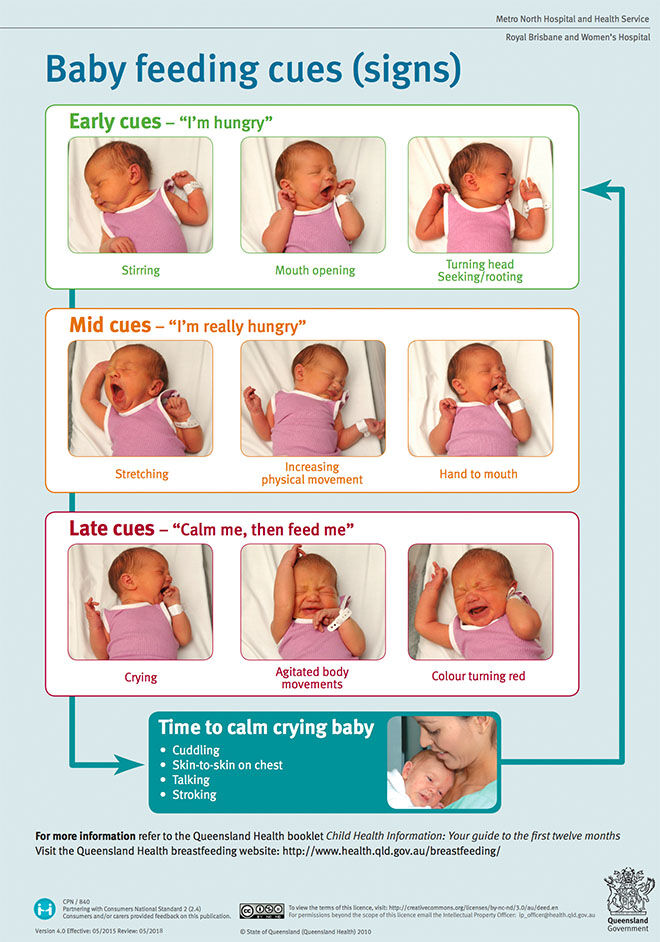
Baby hunger cues are the little body signals babies use to say, “I’m ready to eat.” These cues usually show up before crying, which is a late hunger sign. If you learn how to read baby hunger cues early, you can feed your baby before they get too tired or upset.
The signs can be subtle at first. A baby may turn their head, open their mouth, or bring their hands to their face. As hunger grows, the cues become stronger and more urgent.
Here’s the simple idea I always tell parents: think of hunger cues like a dimmer switch, not an on-off button. The lights come up slowly. If you catch the first signs, feeding is often easier and more relaxed.
Early hunger cues to watch for
Early hunger cues are the best time to offer a feed. These signs usually mean your baby is interested, alert, and ready to eat before distress starts.
Common early signs include:
- Rooting: Turning the head toward a touch on the cheek or mouth.
- Mouth opening: Pursing, opening, or searching with the lips.
- Hand-to-mouth movement: Bringing fists or fingers to the mouth.
- Lip smacking or tongue movement: Small mouth motions that suggest readiness.
- Alertness: Waking up, moving more, or seeming extra focused.
I’ve seen many parents miss these first cues because they expect crying to be the main sign. In real life, the baby is often saying “feed me” long before the tears begin. Watching closely during quiet awake time can make these early signals much easier to spot.
Active hunger cues that mean feed soon
If early cues are missed, babies usually become more active about it. These signs mean hunger is building and feeding should happen soon.
Look for these active hunger cues:
- More restless movement: Squirming, stretching, or turning side to side.
- Stronger rooting: Repeatedly searching for the breast or bottle.
- Faster hand-to-mouth behavior: Sucking on fingers or fists with purpose.
- Soft fussing: Small sounds that grow if hunger is not answered.
- Increased alertness to feeding: Leaning toward the breast, nipple, or bottle.
This stage is a good reminder that timing matters. A baby who is still calm can usually latch or bottle-feed more easily than one who is already crying hard. From what I’ve seen, catching hunger here often leads to shorter feeding struggles and less air swallowing.
Late hunger cues and why crying is not the first sign
Crying is a late hunger cue. It means the baby is overwhelmed, and hunger may no longer be the only issue. At this point, the baby may need soothing first before feeding can go smoothly.
Late hunger cues can include:
- Intense crying
- Red face
- Stiff body
- Hard to settle behavior
- Turning away or arching after becoming upset
This is one of the biggest mistakes new parents make. They think crying always means “hungry now,” but sometimes it means “I’m too upset to feed well.” If your baby is crying hard, try calming them with skin-to-skin contact, a quiet room, or gentle rocking before offering a feed.
How to read baby hunger cues by age
Hunger cues change as babies grow. A newborn’s signals are often tiny and sleepy, while older babies may be more active and obvious.
Newborn hunger cues
Newborns often feed frequently, sometimes every 2 to 3 hours or more. Their cues may be very subtle, especially if they are sleepy.
Common newborn signs include:
- Waking from sleep and becoming alert
- Moving mouth or tongue
- Rooting
- Sucking on hands
- Small sounds before crying
Newborns do not always cry right away. In fact, some are so sleepy that hunger cues are easy to miss. I’ve found that checking for cues during diaper changes, waking, and light stirring helps parents stay ahead of hunger.
Hunger cues in older babies
Older babies may show clearer signs. They can become more active, more vocal, and more focused on feeding.
Look for:
- Reaching for the breast or bottle
- Excited mouth movements when food is near
- Bouncing, squirming, or leaning forward
- Stronger fussing if feeding is delayed
By this stage, babies may also get distracted more easily. So a hungry older baby might seem interested one minute and annoyed the next. Keeping feeds calm and low-distraction often helps.
Hunger cues versus tired cues
One of the trickiest parts of parenting is that hunger and tiredness can look similar. A baby may fuss, rub their eyes, or move restlessly for either reason.
A few clues can help you tell them apart:
- Hunger cues often include rooting, hand-to-mouth movement, and searching for the breast or bottle.
- Tired cues often include yawning, eye rubbing, looking away, and zoning out.
- If your baby calms when offered a feed, hunger may be the main issue.
- If your baby settles with rocking or a nap, tiredness may be the cause.
This overlap is why observing patterns matters. After a few days, many parents start to notice their baby’s unique rhythm. That rhythm is often more helpful than any single cue.
How to respond when you notice hunger cues
Once you spot a cue, aim to respond early and calmly. The goal is not perfection. It is simply to offer food before your baby becomes upset.
Try this:
- Pause and watch for a few seconds to confirm the cue.
- Offer the breast or bottle when your baby is calm.
- Keep the room quiet and low-stress.
- Hold your baby close and support a good latch or feeding position.
- If your baby rejects the feed, check for sleepiness, gas, or discomfort.
A gentle response can make a big difference. Babies often feed better when they feel safe and settled. In my experience, a calm start usually leads to a calmer feed.
Why learning hunger cues helps feeding go better
Learning how to read baby hunger cues helps in more ways than one. It supports feeding, bonding, and day-to-day confidence.
Benefits include:
- Less crying and stress
- Easier latching or bottle acceptance
- Better feeding timing
- More responsive caregiving
- Stronger parent-baby connection
Responsive feeding is also supported by pediatric guidance because it helps parents follow the baby’s lead. That matters because babies are not all the same. Some show hunger early and clearly, while others are quiet and subtle.
When hunger cues may not mean it is time to feed
Sometimes a baby seems hungry, but the cause is something else. Babies may root, suck, or fuss for comfort, not just food.
Possible reasons include:
- Need for comfort or closeness
- Gas or burping
- Tiredness
- A wet diaper
- Overstimulation
- Growth spurts or cluster feeding
This is why context matters. If your baby just ate but still seems unsettled, hunger may not be the only issue. A diaper check, burp break, or quiet cuddle may help.
Practical tips to get better at spotting baby hunger cues
You can get better at this with a little practice. Most parents do not master it overnight, and that is completely normal.
Helpful tips:
- Watch your baby before they cry.
- Learn your baby’s daily feeding pattern.
- Notice what happens right before a feed.
- Keep feeds on a loose schedule if that helps you track timing.
- Ask your pediatrician if you are unsure about feeding frequency or weight gain.
One thing I always recommend is keeping notes for a few days. Write down the time, the cue, and the feeding result. Patterns usually appear fast, and those patterns can teach you more than guesswork ever will.
Common mistakes parents make when reading hunger cues
It is easy to miss cues, especially when you are tired. Many parents make the same few mistakes at first.
Common mistakes include:
- Waiting for crying every time
- Confusing hunger with tiredness
- Overlooking early subtle signs
- Assuming every fuss means hunger
- Feeding too late, when the baby is already too upset
I’ve seen the biggest improvement when parents shift from “reacting to crying” to “noticing early signals.” That one change often brings more peace to the whole day. It also helps parents trust themselves more.
When to seek medical advice
Most baby hunger cues are normal, but sometimes feeding concerns need medical input. If you are worried, trust that instinct and ask a pediatrician.
Reach out if your baby:
- Seems too sleepy to feed often
- Has trouble latching or taking the bottle
- Is not gaining weight as expected
- Has fewer wet diapers than expected
- Seems uncomfortable during or after most feeds
Trustworthiness matters here. Hunger cues are useful, but they are only one part of feeding health. If something feels off, professional advice is the safest next step.
Frequently Asked Questions
How do I know if my baby is hungry or just wants comfort?
Hunger often comes with rooting, hand-to-mouth motion, and searching for the nipple or bottle. Comfort-seeking may look more like fussing that settles with rocking, cuddling, or sucking without a strong feeding pattern.
Do all babies show hunger cues the same way?
No, babies are different. Some are very clear, while others are quiet and subtle, so learning your own baby’s patterns is key.
Is crying always a hunger cue?
No, crying is usually a late hunger cue and can also mean tiredness, discomfort, or overstimulation. It is better to catch the earlier signs when possible.
How often should I expect to see hunger cues in a newborn?
Newborns often show hunger cues every 2 to 3 hours, sometimes more often during growth spurts or cluster feeding. Some babies feed more frequently, especially in the early weeks.
What if my baby shows hunger cues right after eating?
That can happen for several reasons, including gas, comfort needs, a growth spurt, or not getting a full feed. If it happens often or your baby seems unsettled, check with your pediatrician.
Conclusion
Learning how to read baby hunger cues gets easier once you know what to look for. The early signs, like rooting, hand-to-mouth movement, and lip smacking, can help you feed before crying starts and make the whole process smoother for everyone.
The more you observe your baby, the more confident you become. Start small, trust the pattern you see, and respond with calm attention. If you found this guide helpful, explore more newborn feeding tips, subscribe for updates, or leave a comment with your biggest feeding question.