Warm, responsive newborn care builds early brain connections through touch, voice, eye contact, and comfort.
Newborn parental interaction and brain development are closely linked from the first days of life. A baby’s brain grows through repeated, safe experiences, not through expensive toys or complex lessons. Gentle touch, feeding, talking, singing, eye contact, and quick comfort help shape early brain circuits that support language, trust, learning, and emotional control.
Research in infant development shows that loving care acts like a steady signal: “You are safe, and your needs matter.” This guide explains how newborn parental interaction and brain development work together, what parents can do each day, and which common worries deserve a calmer, evidence-based view.

What Newborn Parental Interaction Means
Newborn parental interaction includes every warm exchange between a baby and a caregiver. It can happen during feeding, diaper changes, bathing, cuddling, rocking, or quiet moments in the same room.
These small moments may look simple. Yet they give the newborn’s brain useful information about sound, touch, movement, faces, and feelings. Over time, repeated interactions help the brain build and strengthen connections.
Newborn parental interaction and brain development do not require perfect parenting. Babies benefit most from care that is warm, regular, and responsive. A parent does not need to respond perfectly every time.
A newborn may communicate through:
• Crying or fussing
• Turning toward a voice
• Moving arms and legs
• Opening or closing the hands
• Looking at a face
• Sucking or rooting
• Becoming still and alert
• Turning away when tired
When a caregiver notices these signals and responds with care, the baby begins to learn a basic pattern: “I send a signal, and someone helps me.” This pattern supports early trust and later communication.

How Newborn Parental Interaction Supports Brain Development
A newborn’s brain is active from birth, but many brain systems are still developing. Connections between brain cells grow stronger when babies experience safe, repeated interaction.
Newborn parental interaction and brain development are connected in several important ways.
Touch supports safety and body awareness
Skin-to-skin contact can help a newborn stay warm and may support a steady heart rate and breathing pattern. It also gives the baby a clear sense of the caregiver’s body, smell, voice, and rhythm.
Hold your baby close when you can. A calm cuddle after feeding, a hand on the baby’s back, or gentle massage can all provide useful sensory input.
Voice supports early language
Newborns often prefer human voices, especially familiar ones. Talking to your baby during daily care helps the brain notice speech sounds, rhythm, pitch, and pauses.
You can describe what you are doing:
• “I’m changing your diaper.”
• “Here comes your clean shirt.”
• “You sound hungry.”
• “I see your little hands.”
Your baby does not need to understand the words yet. The sound pattern is still building the foundation for later language.
Eye contact supports social learning
A newborn’s vision is still developing. Babies see best at close range, often about 8 to 12 inches from the face. This is roughly the distance between a baby and a caregiver during feeding.
Brief eye contact helps a baby study faces. It also teaches the brain that people are a source of comfort, sound, and connection. If your baby looks away, do not force eye contact. Looking away can mean the baby needs a short rest.
Responsive care supports emotional regulation
Newborns cannot calm themselves well. They rely on adults to help them settle. When a caregiver responds to crying with holding, feeding, rocking, or a quiet voice, the baby slowly learns what calm feels like.
This does not mean you must stop every cry at once. It means you offer support while trying to understand the need. Over time, these repeated calming experiences help develop brain systems linked with stress response and emotional control.

The Role of Serve-and-Return Interaction
Development experts often describe early communication as “serve and return.” A baby makes a sound, gaze, movement, or cry. The caregiver notices and responds. This back-and-forth exchange is similar to a gentle game of catch.
For example:
- Your baby looks at your face.
- You smile and speak softly.
- Your baby moves or makes a sound.
- You pause, watch, and answer.
This exchange may last only a few seconds. Still, it gives the baby’s brain practice in attention, timing, memory, and social connection.
Newborn parental interaction and brain development benefit from this pause-and-response rhythm. Try not to fill every moment with sound. A short pause gives your baby time to react.
The interaction does not need to be cheerful all the time. A tired parent can use a calm voice and a gentle touch. A quiet response still counts. Babies need real connection, not constant entertainment.

Everyday Ways to Support Newborn Brain Growth
You can support newborn parental interaction and brain development during normal care. The best activities are simple because newborns learn through human contact.
Talk during routine care
Use a soft, natural voice during feeding, diaper changes, and dressing. You can speak in English, Spanish, or any language your family uses. A baby benefits from hearing rich, loving speech in every home language.
Read short books
Newborns may not follow a story, but they hear your voice and rhythm. Choose books with simple pictures and a calm pace. Stop if your baby becomes tired or looks away.
Sing familiar songs
Singing adds rhythm and repetition. A parent’s imperfect singing is still meaningful to a baby. Family songs, lullabies, and cultural music can make care feel warm and familiar.
Practice supervised skin-to-skin care
Place your diapered baby against your bare chest while you are awake and alert. Keep the baby’s head turned to the side, and follow safe guidance from your health care professional.
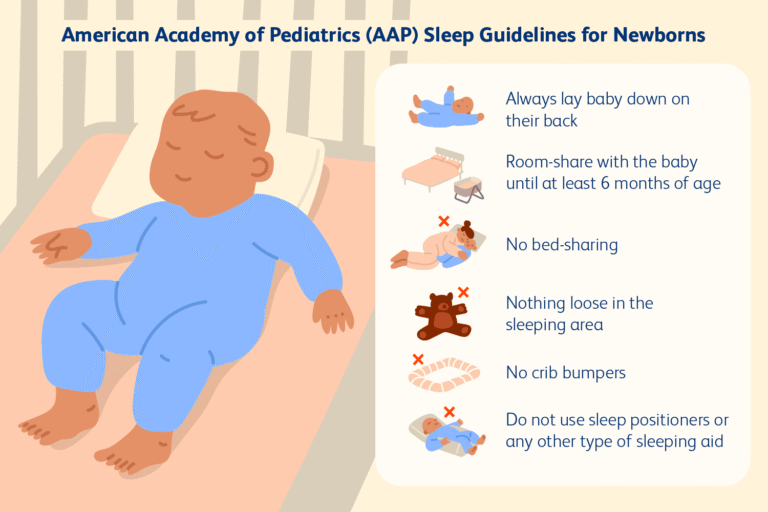
Never fall asleep with a newborn on a couch, recliner, or adult bed. Safe sleep requires placing the baby on the back, on a firm, flat surface, with no loose bedding or soft objects.
Copy your baby’s sounds
If your baby coos, make a similar sound. If the baby pauses, pause too. This teaches the early rhythm of conversation.
Notice signs of overstimulation
A newborn may need a break if the baby:
• Turns away
• Stiffens the body
• Spreads the fingers
• Becomes fussy
• Yawns
• Hiccups repeatedly
• Stops making eye contact
Reduce noise and light. Hold the baby calmly or allow a quiet rest.

How Feeding Builds Connection
Feeding provides nutrition, but it also offers repeated chances for newborn parental interaction and brain development. During breast or bottle feeding, babies can hear a caregiver’s voice, feel body warmth, and study a face.
Try to feed in a calm position. Notice your baby’s hunger and fullness cues. A baby may root, bring hands to the mouth, or become restless when hungry. Turning away, slowing down, or relaxing the hands may show fullness.
Responsive feeding means offering food without forcing it. It supports trust and helps the baby connect body signals with caregiver support. This approach can apply to breastfeeding, formula feeding, or combination feeding.
Parents sometimes worry that bottle feeding creates less closeness. That is not true. Holding the baby close, making eye contact when welcomed, and speaking gently can create strong connection with any safe feeding method.
If feeding is painful, stressful, or difficult, ask a pediatrician, lactation professional, or feeding specialist for help. Support for the parent also supports the baby.

What Stress Can Do to Early Development
Short periods of crying, hunger, or discomfort are part of newborn life. They do not mean a parent has harmed the baby. The developing brain is not damaged by every difficult moment.
The concern is ongoing, severe stress without enough support or comfort. Long-lasting stress may affect sleep, feeding, behavior, and the body’s stress systems. This is one reason responsive care and parental support matter.
Newborn parental interaction and brain development are influenced by the whole caregiving environment. A parent who is exhausted, depressed, anxious, or recovering from birth may need help, not blame.
Ask for support if you notice:
• Persistent sadness or hopelessness
• Intense worry or panic
• Anger that feels hard to control
• Difficulty sleeping even when the baby sleeps
• Feeling detached from the baby
• Thoughts of self-harm or harming the baby
Contact a health care professional promptly. If there is immediate danger, call emergency services in the United States at 911 or call or text 988 for crisis support.
A trusted family member, friend, community group, or postpartum professional can also provide practical help. Sometimes the most useful brain-building action is giving a parent time to eat, sleep, shower, or breathe.
Common Mistakes to Avoid
Parents often receive too much advice. The following reminders can reduce pressure and protect the quality of daily interaction.
Do not expect constant stimulation
Newborns need sleep and quiet. Too many sounds, screens, toys, or activities can make it harder for a baby to settle. Simple contact is enough.
Do not force eye contact
Connection is not measured by how long a baby looks at you. Follow the baby’s cues and allow breaks.
Do not compare babies
Some newborns are alert and social. Others are quieter or more sensitive. Temperament, age, health, birth experience, and sleep all affect interaction.
Do not aim for perfect responses
Every caregiver misses a cue sometimes. Repair the moment by returning with a calm voice, gentle touch, and steady care.
Do not use screens as a substitute for interaction
A television or phone cannot provide the responsive timing of a real person. Keep screens away during many care moments when possible, especially during feeding and face-to-face time.
Do not ignore safety
Never shake a baby. If crying feels overwhelming, place the baby on the back in a safe crib and step away for a few minutes. Call someone you trust for help.
A Simple Daily Interaction Plan
A flexible plan can make newborn parental interaction and brain development feel practical rather than abstract.
- During one feeding, speak softly and notice your baby’s cues.
- After a diaper change, offer a few minutes of cuddling.
- Read or sing for one to three minutes.
- Pause when your baby looks away or becomes tired.
- Share one care task with a partner, relative, or trusted helper.
- Record questions for the next pediatric visit.
You do not need to complete every step each day. A newborn’s needs change quickly. On a hard day, feeding, safe sleep, and comfort are enough.
A useful lesson from infant care is that consistency matters more than length. Five calm minutes repeated throughout the day can be more helpful than one long activity that leaves everyone tired.

What Research Says About Early Interaction
Child development research consistently links responsive caregiving with early social, emotional, and language growth. The American Academy of Pediatrics encourages talking, reading, and singing with babies from birth. Public health guidance also emphasizes safe, responsive relationships as a foundation for healthy development.
Serve-and-return research describes how back-and-forth exchanges help build neural connections. Studies on skin-to-skin care show benefits for newborn comfort and physiologic stability, especially for many premature or medically fragile infants when practiced safely.
The evidence has limits. No single interaction guarantees a certain outcome, and research cannot predict every child’s development. Genetics, health, sleep, nutrition, environment, culture, and access to support all play a role.
The strongest message is not that parents must perform perfectly. It is that warm, predictable, responsive care gives the developing brain helpful conditions for growth.
When to Discuss Development With a Pediatrician
Parents should contact a pediatrician when they have concerns about feeding, movement, hearing, vision, alertness, or interaction. It is better to ask early than to wait while feeling worried.
Seek medical advice if a newborn:
• Does not seem to respond to loud sounds
• Has trouble feeding or gaining weight
• Is unusually difficult to wake
• Has unusual breathing, color, or muscle tone
• Rarely moves one side of the body
• Seems persistently distressed
• Loses a skill the baby had shown
Many concerns have simple explanations or effective treatments. A pediatrician can check the baby and guide the family toward early support when needed.
Parents should also share concerns about their own mental health. Caregiver well-being is part of infant development, not a separate issue.
Frequently Asked Questions About Newborn Parental Interaction and Brain Development
How does parental interaction affect a newborn’s brain?
Parental interaction gives the newborn’s brain repeated experiences with sound, touch, faces, movement, and comfort. These experiences help strengthen early connections related to communication, attention, emotional regulation, and social learning.
What is the best way to stimulate a newborn’s brain?
Use simple activities such as talking, singing, reading, cuddling, and making gentle eye contact. Follow the baby’s signals and stop when the baby seems tired or overstimulated.
Can holding a newborn too much spoil the baby?
No. A newborn cannot be spoiled by safe, loving attention. Holding and responding to a baby can support comfort, trust, and early emotional development.
Does talking to a newborn really help language development?
Yes. A newborn may not understand words, but hearing speech helps the brain learn sound patterns, rhythm, and turn-taking. Talk during ordinary routines in the language or languages your family uses.
What if I do not feel bonded to my newborn right away?
Bonding may happen quickly for some parents and slowly for others. Rest, feeding challenges, birth recovery, depression, anxiety, and stress can affect feelings, so speak with a health professional if you feel distant or worried.
How much interaction does a newborn need each day?
There is no exact required number of minutes. Offer short, warm moments throughout the day, then allow plenty of sleep and quiet; responsive care matters more than a strict schedule.
Conclusion
Newborn parental interaction and brain development grow together through ordinary moments. A calm voice, warm touch, responsive feeding, safe cuddling, and gentle attention all help a baby feel secure while the brain builds important connections.
You do not need special equipment or perfect timing. Notice your baby, respond with care, and give yourself support when the days feel hard. Start with one small interaction today, learn from trusted pediatric resources, and share your experiences or questions with a health professional or supportive community.