Dress a baby for sleep in light, safe layers that match the room temperature.
Knowing how to dress a baby for sleep can feel like a small decision, but it matters a lot for comfort and safety. I’ve found that most parents do best when they keep things simple: use breathable fabrics, avoid overheating, and choose sleepwear that fits the season and the nursery temperature. With the right approach, how to dress a baby for sleep becomes much less stressful and a lot more predictable.
Why how to dress a baby for sleep matters
A baby’s body is still learning how to regulate temperature. That means what feels cozy to an adult can feel too warm for a baby, especially during long stretches of sleep. Getting how to dress a baby for sleep right can support safer rest, fewer wake-ups, and better comfort.
I’ve seen a lot of parents overbundle out of fear. It’s an understandable instinct, but too many layers can raise the risk of overheating. The goal is not to make a baby feel wrapped up like a winter coat; it is to keep them warm enough, but never sweaty or stiff.
The basics of dressing a baby for sleep
When people ask how to dress a baby for sleep, the simplest answer is to start with the room temperature. Then add one light layer more than an adult would wear comfortably in that same room. That’s the rule of thumb many pediatric experts use because it keeps things practical.
A good sleep outfit usually includes:
- A snug-fitting onesie or bodysuit
- A sleep sack or wearable blanket
- A footed sleeper for cooler rooms
- Breathable cotton or bamboo fabric
- No loose blankets, pillows, or bulky hats
The more I work with parents, the more I see this: simple wins. You do not need a drawer full of fancy sleepwear to get how to dress a baby for sleep right.
A safe starting point by room temperature
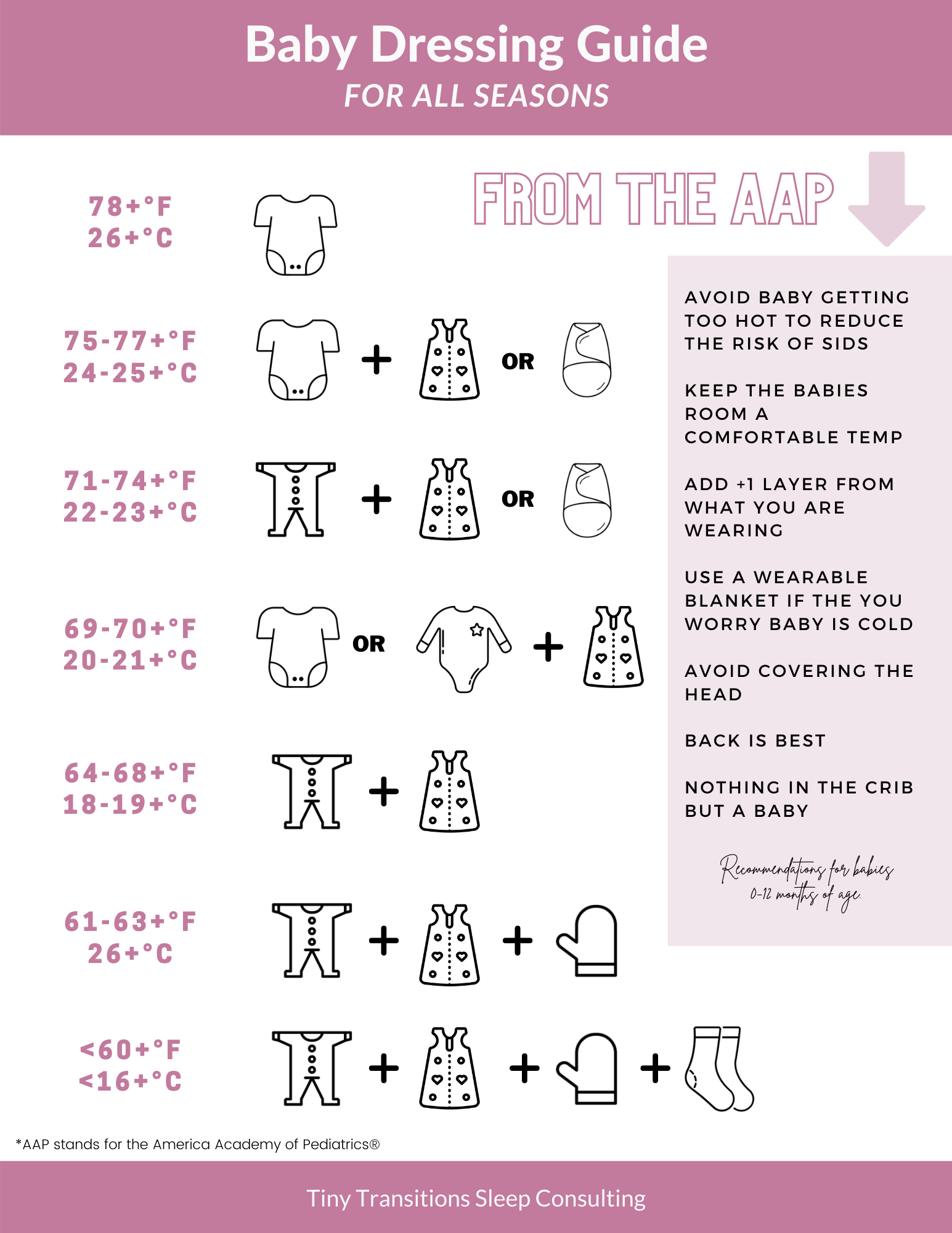
Room temperature is one of the best guides for how to dress a baby for sleep. Babies usually sleep well in spaces that feel comfortable to a lightly dressed adult. Many safe sleep experts suggest keeping the nursery around a cool, comfortable range rather than making it warm and stuffy.
Here’s a practical way to think about it:
- If the room feels warm, use a light onesie or diaper with a very light sleep sack
- If the room feels mild, use a onesie plus a wearable blanket
- If the room feels cool, use a footed sleeper with a sleep sack
- If the room feels cold, add a warmer sleeper, but avoid heavy blankets
A helpful memory trick is this: dress the baby like you would dress for the room, then add one safe layer. That keeps how to dress a baby for sleep easy to remember at 2 a.m.
Best sleepwear fabrics for babies
Fabric choice matters more than many people think. The best materials help move heat and moisture away from the skin, which is a big part of how to dress a baby for sleep safely.
Good options include:
- Cotton: soft, breathable, and easy to wash
- Bamboo blends: smooth and light, with good airflow
- Muslin: very airy for warmer nights
- Merino wool: a natural temperature-regulating option for cooler climates
Try to avoid heavy synthetic fabrics when possible, especially if your baby tends to sweat. In my experience, babies often sleep more peacefully in fabrics that feel soft and airy rather than thick and stiff.
What to avoid when dressing a baby for sleep
A lot of sleep problems come from overcomplicating things. If you want to master how to dress a baby for sleep, it helps to know what not to use.
Avoid these items:
- Loose blankets in the crib
- Thick quilts or comforters
- Hats during sleep
- Extra socks under footed pajamas unless needed for warmth
- Swaddles once a baby shows signs of rolling
- Tight clothing that bunches or presses on the chest
Safety matters just as much as warmth. The safest sleep setup keeps the baby’s sleep area clear and the clothing simple.
How to dress a baby for sleep by age
Different ages call for different choices. A newborn’s needs are not the same as a 9-month-old’s, so how to dress a baby for sleep changes as your baby grows.
Newborns
Newborns often do best in one soft layer plus a swaddle or sleep sack if swaddling is still appropriate. Keep the outfit easy to open for diaper changes. New parents often overthink this stage, but a cotton onesie and a safe swaddle are often enough.
3 to 6 months
At this age, many babies sleep well in a footed sleeper or onesie with a sleep sack. If your baby is starting to roll, swaddling should stop. This is one of the biggest milestones in how to dress a baby for sleep safely.
6 months and older
Older babies usually need less bundling than people expect. A sleep sack over pajamas is often enough in a normal room. If the baby runs warm, lighter pajamas may work better.
How to tell if a baby is too hot or too cold
Parents often worry about guessing wrong. The good news is that babies usually give clear signs, and learning them makes how to dress a baby for sleep much easier.
Signs a baby may be too warm:
- Sweaty neck or back
- Damp hair
- Red cheeks
- Fast breathing
- Heat rash
Signs a baby may be too cold:
- Cool chest or tummy
- Restless sleep
- Pale skin
- Hands and feet that feel cool, though that alone is not always a problem
The best place to check is the chest or back of the neck. Hands and feet are often cooler than the rest of the body, so they are not the best clue on their own.
How to dress a baby for sleep in different seasons
Seasonal changes can make parents second-guess everything. Still, how to dress a baby for sleep can stay simple if you adjust layer by layer.
Summer
In summer, use light, breathable fabrics. A short-sleeve onesie or even just a diaper with a very light sleep sack may be enough in a warm room. Try to keep the nursery cool with safe, normal home cooling.
Winter
In winter, add warmth with layers, not with loose bedding. A long-sleeve sleeper and a warmer sleep sack usually do the job. If the room is very cold, check whether the thermostat needs adjusting before adding too many layers.
Spring and fall
These are the trickiest seasons because temperatures swing. A layered system works best here. I usually tell parents to keep one light and one medium sleep option ready so they can adjust fast.
Swaddles, sleep sacks, and pajamas
These three pieces come up a lot in conversations about how to dress a baby for sleep. Each one has a role.
- Swaddles help some newborns feel secure
- Sleep sacks act like wearable blankets and are safe for many babies
- Pajamas add a base layer of warmth and comfort
A sleep sack is often the most useful item for parents because it gives warmth without loose fabric in the crib. Once a baby starts rolling, this often becomes the main sleep layer.
Common mistakes parents make
Even careful parents make a few common mistakes when learning how to dress a baby for sleep. I’ve seen these over and over, and they are easy to fix once you know them.
Common mistakes include:
- Dressing the baby too warmly out of fear
- Using hats indoors during sleep
- Assuming cold hands mean the baby is cold
- Ignoring room temperature
- Choosing fabrics that trap heat
- Layering too many items “just in case”
The biggest lesson I’ve learned is that babies usually sleep best when their sleepwear is calm, light, and consistent. More layers are not always better.
How to build a simple sleep wardrobe
You do not need a huge baby sleep closet. A small, smart setup is usually enough for how to dress a baby for sleep every night.
A practical sleep wardrobe may include:
- 5 to 7 cotton onesies
- 3 to 5 footed pajamas
- 2 to 4 sleep sacks in different weights
- 1 or 2 swaddles for newborn use if appropriate
- A few backup outfits for spills and diaper leaks
This kind of setup keeps bedtime easy. You can grab what works for the season without digging through a mountain of laundry.
Signs your baby’s sleep outfit is working
A good sleep outfit supports steady sleep and comfort. You may not see a huge dramatic difference overnight, but over time, the right approach to how to dress a baby for sleep should lead to fewer signs of fussiness from being too hot or too cold.
Look for these signs:
- Baby falls asleep without fighting the outfit
- Skin feels warm, not sweaty
- Baby wakes without being flushed or chilled
- Sleep is calmer and more settled
- Diaper changes are simple and fast
If your baby wakes often, the outfit may not be the only reason. But it is one piece of the puzzle worth checking.
Practical bedtime routine tips
How to dress a baby for sleep works best when paired with a calm bedtime routine. Babies like patterns, and predictable steps can help them relax.
A simple routine might look like this:
- Check the room temperature
- Choose the base layer
- Add a sleep sack or pajamas as needed
- Check the chest or back of the neck
- Put the baby down on a firm, empty sleep surface
I’ve always found that a calm routine helps parents too. When bedtime feels organized, it is much easier to make a clear choice instead of guessing.
Frequently asked questions of how to dress a baby for sleep
What should a baby wear to sleep at night?
A baby usually sleeps best in a snug base layer like a onesie or pajamas, plus a sleep sack if needed. The exact choice depends on room temperature and the baby’s age.
Should I put a hat on my baby for sleep?
No, babies should not wear hats to sleep indoors because hats can trap heat and raise the risk of overheating. It is safer to keep the head uncovered during sleep.
How do I know if my baby is too hot while sleeping?
Check the baby’s chest or the back of the neck for sweating, damp hair, or flushed skin. If the baby feels hot or sweaty, remove a layer and check the room temperature.
Can my baby sleep in just a diaper?
Yes, in a warm room, a baby may sleep in just a diaper with a very light sleep sack or no extra layer if it is safe and comfortable. The key is making sure the baby does not get cold during the night.
When should I stop swaddling my baby?
You should stop swaddling as soon as your baby shows signs of rolling or trying to roll. At that point, switch to a sleep sack or another safe sleepwear option.
Is a sleep sack necessary?
A sleep sack is not always required, but it is very useful because it keeps baby warm without loose blankets. Many parents find it makes how to dress a baby for sleep much simpler and safer.
Conclusion
How to dress a baby for sleep comes down to a few simple habits: watch the room temperature, use breathable layers, avoid overheating, and keep the sleep space clear. Once you get the rhythm, bedtime becomes far less stressful and a lot more predictable.
If you remember just one thing, make it this: dress for comfort, not for fear. Start with one safe layer, check your baby’s chest or neck, and adjust as needed until you find the sweet spot. If this guide helped, save it for later, share it with another parent, or leave a comment with your own bedtime tip.