Baby hand and foot discovery stages show how babies learn touch, grip, and movement step by step.
If you have ever watched a tiny hand wrap around your finger or seen a baby kick at a blanket, you have already seen baby hand and foot discovery stages in action. These early moments matter more than they look. They help babies build body awareness, fine motor skills, and early trust in the world around them.
What Baby Hand and Foot Discovery Stages Mean
Baby hand and foot discovery stages are the phases when infants begin to notice, explore, and control their hands and feet. At first, these body parts feel like little surprises to the baby. Over time, they become tools for reaching, grasping, kicking, and learning.
In my experience, parents often expect big milestones all at once. But baby hand and foot discovery stages happen in small steps. A baby may stare at their hand one week, then bring it to the mouth the next, and later start batting at toys. That slow build is normal and important.
Why These Early Discovery Stages Matter
These stages are not just cute. They lay the groundwork for many later skills. Babies use hands and feet to explore texture, pressure, and space. That sensory input helps the brain connect movement with meaning.
The American Academy of Pediatrics and other child development experts describe early movement as part of healthy sensory and motor growth. When a baby discovers their hands and feet, they are also learning how to control their body, calm themselves, and interact with caregivers.
Here is why baby hand and foot discovery stages matter so much:
- They support brain-body connection
- They improve coordination
- They help babies learn cause and effect
- They encourage sensory exploration
- They prepare for later milestones like reaching, crawling, and self-feeding
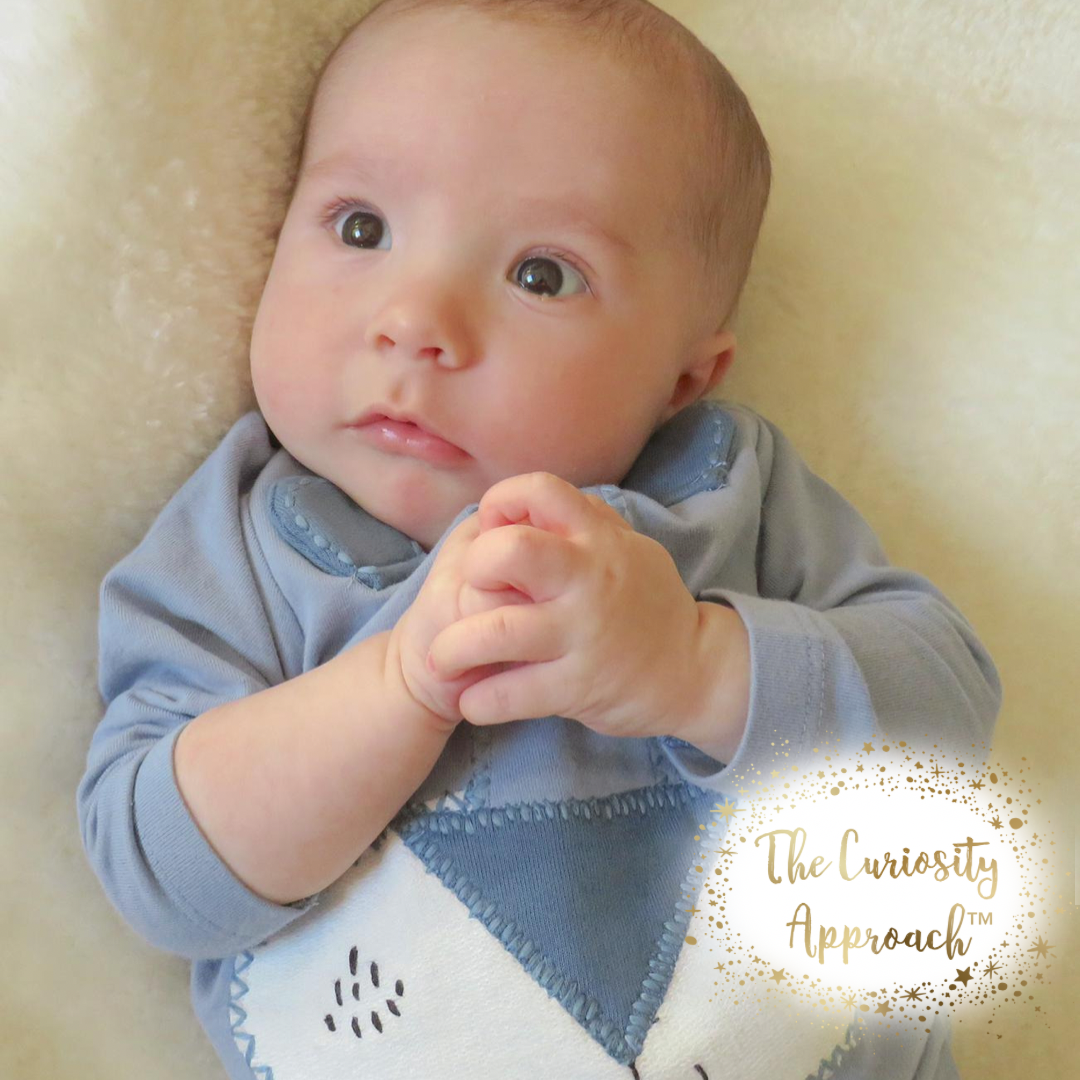
The Main Baby Hand and Foot Discovery Stages by Age
Every baby moves at their own pace, but most infants follow a general path. These baby hand and foot discovery stages are not strict rules. They are more like signposts on a road.
Birth to 2 Months: Early Awareness
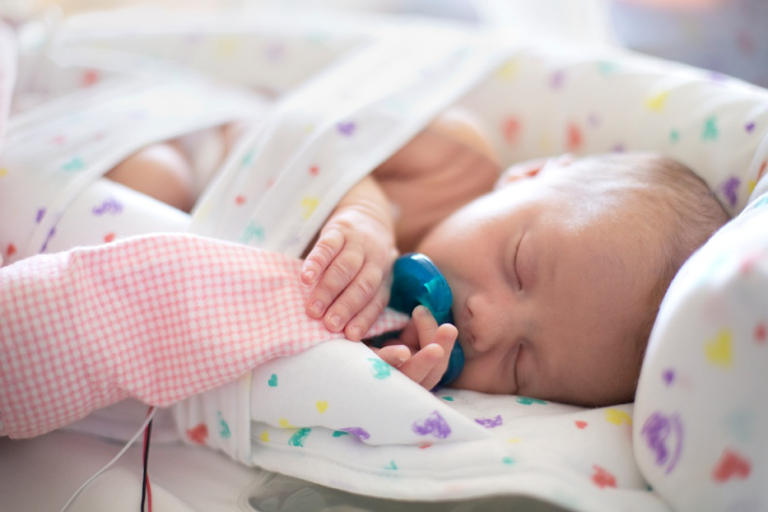
In the first weeks, babies do not fully control their hands and feet. Their movements are mostly reflexive. Still, they begin to notice light, motion, and touch.
You may see:
- Fisted hands
- Random arm and leg kicks
- Reflex grasping
- Brief staring at moving fingers
At this stage, I always tell parents not to worry if the baby seems “busy” but not purposeful. That is how early nervous system wiring looks. The baby is collecting clues.
2 to 4 Months: First Interest in Hands and Feet
This is often when baby hand and foot discovery stages start to feel more obvious. Babies may bring their hands closer to their face or chest. Some will watch their fingers with intense focus, almost like they have found a secret.
You may also notice:
- Hands opening more often
- Kicking with more energy
- Smiling at movement
- Swatting at toys or dangling objects
This is a lovely stage because babies start to realize, even a little, that their body parts belong to them. That tiny spark of self-awareness is a big deal.
4 to 6 Months: Reaching and Grabbing
By now, many babies begin reaching with purpose. They may grab a toy, hold it for a moment, then drop it and try again. Feet also become more interesting, and some babies may lift their legs high or play with their toes.
Common signs include:
- Reaching for objects
- Holding toys with both hands
- Bringing feet to mouth
- Kicking on purpose during play
- Exploring different textures with hands
This stage is often where parents first notice real progress in baby hand and foot discovery stages. The baby is not just moving. They are testing what their body can do.
6 to 9 Months: Coordinated Exploration
At this point, babies often use both hands and both feet more actively. They may transfer toys from one hand to the other. Many babies also enjoy pressing feet into the floor or bouncing when held upright.
You may see:
- Better grasp strength
- Hand-to-hand toy transfer
- Toe grabbing
- Banging objects together
- Pushing against surfaces with feet
This stage can feel a bit messy, and that is a good thing. Babies learn through repetition, noise, and a little chaos. A dropped toy is not a mistake to them. It is a lesson.
9 to 12 Months: Functional Use
Near the end of the first year, baby hand and foot discovery stages often become more practical. Babies may use their hands to point, crawl, clap, or feed themselves finger foods. Feet may support crawling, cruising, or standing with help.
Look for:
- Finger feeding
- Clapping
- Crawling with foot push
- Standing while holding furniture
- Pointing with fingers or toes
This is the stage where discovery turns into action. The baby is no longer just noticing hands and feet. They are using them to get things done.
How Sensory Play Supports Baby Hand and Foot Discovery Stages
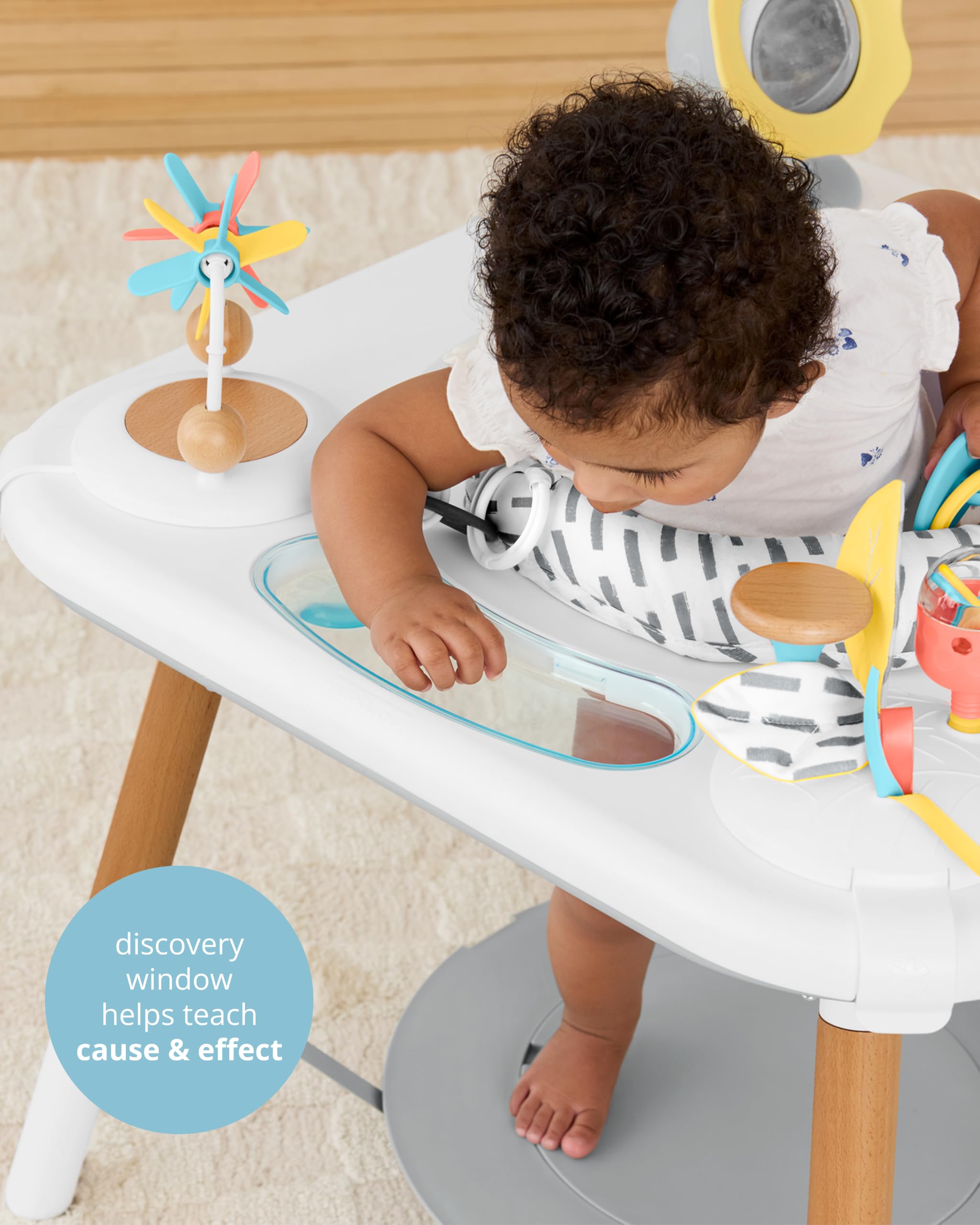
Sensory play is one of the best ways to support these stages. It gives babies safe chances to feel, squeeze, kick, and reach. The goal is not to teach a skill like a drill. The goal is to invite curiosity.
Helpful sensory activities include:
- Tummy time with a soft mat
- Crinkly toys
- Textured balls
- Water play with supervision
- Barefoot time on safe surfaces
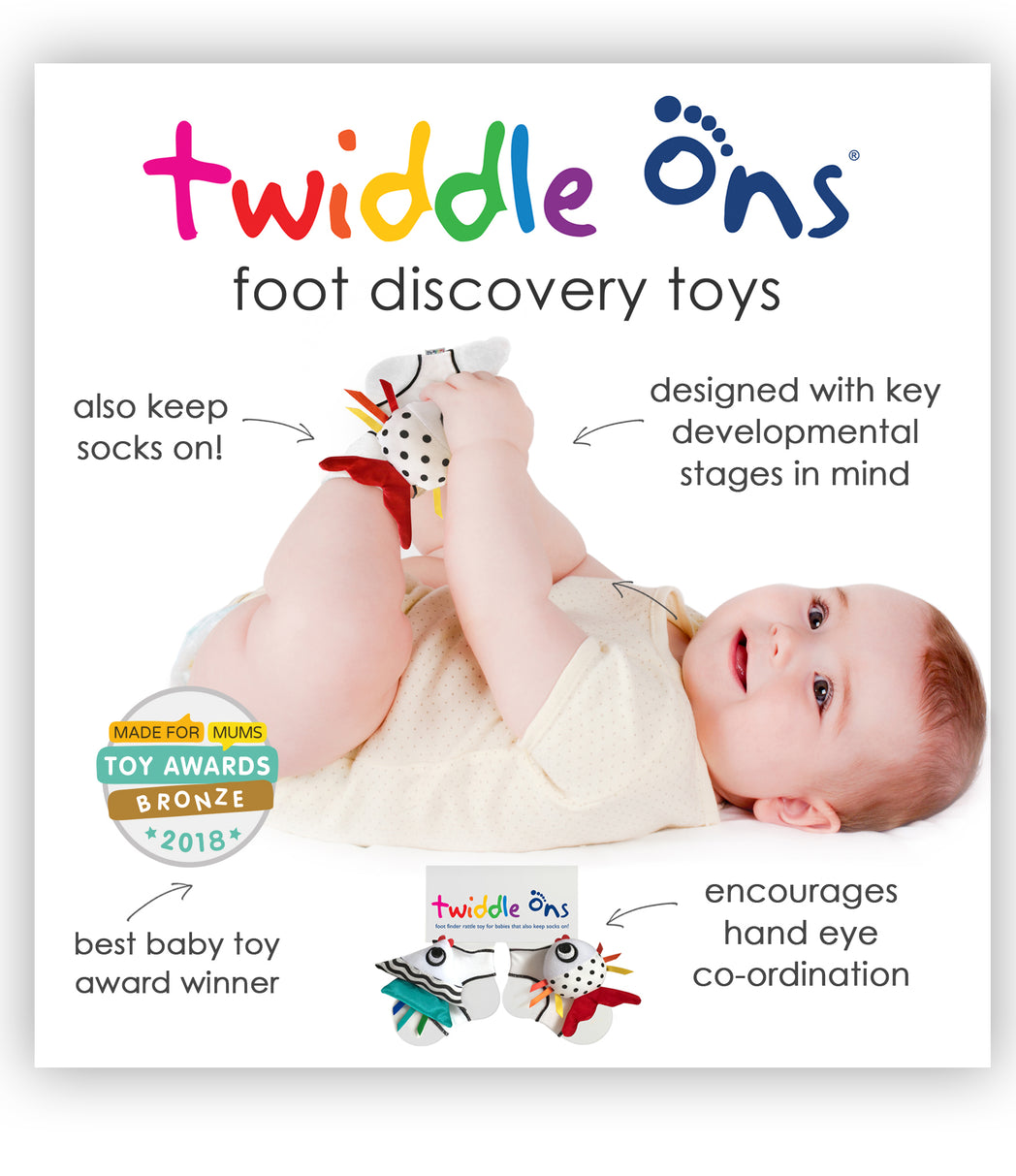
- Soft socks with gentle rattles
- Hanging toys within reach
One mistake I have seen parents make is overdoing stimulation. Babies do not need a full toy store experience. They need simple, safe chances to explore at their own pace.
What Affects Baby Hand and Foot Discovery Stages
Several things can shape how quickly or slowly these stages appear. Some babies are naturally more active. Others are calmer and more observant. Both patterns can be normal.
Factors that may affect development include:
- Prematurity
- Muscle tone
- Sensory preference
- Time spent on the floor
- Health conditions
- Temperament
- Opportunities for supervised play
It is important to remember that baby hand and foot discovery stages can look different from one child to another. A baby who is quiet may still be developing well. A more active baby may simply show progress in louder ways.
Signs Your Baby Is Progressing Well
Progress is often visible in small, everyday moments. You may not notice one giant leap. Instead, you see steady changes over time.
Positive signs include:
- Opening hands more often
- Tracking hands with the eyes
- Reaching for toys
- Kicking with purpose
- Grabbing feet
- Moving both sides of the body
- Showing interest in touch and texture
In real life, I have found that parents often miss progress because it happens so gradually. I suggest keeping a simple memory note on your phone. Tiny wins are easy to forget, but they tell a clear story over time.
When to Talk to a Pediatrician
Most baby hand and foot discovery stages follow a wide range of normal. Still, some signs deserve a conversation with your pediatrician. Early support can make a big difference, and asking questions is never overreacting.
Reach out if you notice:
- Persistent limpness or stiffness
- Very limited hand or leg movement
- A strong preference for one hand very early
- No reaching by around 4 to 5 months
- No interest in bringing hands to mouth by mid-infancy
- Loss of skills the baby already had
Trust your instincts. If something feels off, it is worth checking. Parents know their baby’s patterns better than anyone.
Simple Ways to Support Baby Hand and Foot Discovery Stages at Home
You do not need fancy gear to help your baby. The best support is often simple, repeatable, and calm. Think of yourself as a guide, not a trainer.
Try these ideas:
- Give daily tummy time in short sessions
- Place toys just within reach
- Let baby kick freely during diaper changes
- Offer safe floor time on a blanket or mat
- Let baby grasp your finger
- Use rattles, rings, and soft books
- Allow supervised barefoot play when safe
A small tip from experience: follow your baby’s mood, not your schedule. Some days they want to reach and kick. Other days they just want to watch. Both are part of learning.
Common Mistakes to Avoid
Even caring parents can accidentally make discovery harder. The good news is that these mistakes are easy to fix.
Try to avoid:
- Keeping baby in swings or seats too long
- Rushing milestones
- Comparing your baby to others
- Using toys that do all the work
- Ignoring signs of fatigue or overstimulation
- Forcing hand or foot exercises without guidance
Baby hand and foot discovery stages work best when babies feel safe, calm, and free to move. Pressure can turn discovery into frustration. Curiosity is a better teacher.
How Baby Hand and Foot Discovery Stages Connect to Later Milestones
These early stages feed into bigger skills later on. A baby who learns to reach today may self-feed later. A baby who explores feet may build the strength needed for crawling and standing.
The connection often looks like this:
- Hand discovery leads to reaching and grasping
- Grasping leads to object transfer and self-feeding
- Foot awareness leads to kicking, pushing, crawling, and standing
- Body awareness leads to balance and coordination
This is one reason experts value early movement. It is not just about the present moment. It is also about the next set of skills waiting down the road.
Frequently Asked Questions
What are baby hand and foot discovery stages?
Baby hand and foot discovery stages are the times when infants begin to notice and control their hands and feet. These stages include staring at fingers, grabbing toys, kicking, and later using hands and feet in more purposeful ways.
When do babies usually start discovering their hands and feet?
Many babies start showing interest between 2 and 4 months. Some notice their hands earlier, while others take a little longer, and both can be normal.
Is it normal if my baby does not grab feet yet?
Yes, it can be normal if your baby is not grabbing feet yet, especially in the early months. Some babies focus more on hands first and then move to feet later.
How can I help my baby with hand and foot discovery?
Give your baby safe floor time, tummy time, and simple toys they can reach or kick. Let them explore at their own pace, because free movement helps build strength and coordination.
When should I worry about my baby’s hand or foot movement?
Talk to a pediatrician if your baby seems very stiff, very floppy, or shows little movement for their age. Also seek advice if your baby loses skills they already had or shows a strong early one-sided preference.
Conclusion
Baby hand and foot discovery stages are small moments with big meaning. They show how your baby learns to move, feel, and connect with the world. From the first fist to the first reach, every step helps build stronger motor skills and body awareness.
The best support is simple: give space, offer safe toys, and watch for gradual growth. If you stay patient and observant, you will see that these little discoveries are the start of a much bigger story. Keep learning, keep noticing, and trust the process. If this guide helped, explore more baby development resources and share your own experience in the comments.