Tummy time vs floor play both build baby strength but target different skills and moments.
I have worked with parents and early childhood teachers for years. I have guided many families through the choices between tummy time vs floor play. This article explains what each is, why they matter, and how to use both in safe, practical ways. You will get clear steps, quick tips, and real-world advice to help your baby grow strong and curious.

What are tummy time and floor play?
Tummy time is supervised time on a baby’s belly. It helps the baby lift the head, push up on arms, and build neck and shoulder strength. Floor play is free play on a safe surface. It may include lying on the back, rolling, reaching, crawling practice, and playing with toys.
Understanding tummy time vs floor play means seeing them as parts of the same goal. They help motor skills, body awareness, and early play habits. Use both. They work together to support healthy development.

Why tummy time vs floor play matters
Tummy time vs floor play matter for physical and cognitive growth. Babies need head control, core strength, and balance. Tummy time trains muscles for rolling, sitting, and crawling. Floor play encourages exploration, problem solving, and social play skills.
Choosing the right mix helps prevent flat spots on the head and gives babies a range of movements. It also creates chances for bonding and learning through touch and toys. A balanced routine supports healthy milestones.

Benefits of tummy time
- Builds neck and shoulder strength to hold the head up.
- Supports upper body strength needed for rolling and crawling.
- Helps prevent positional plagiocephaly, or flat spots.
- Encourages visual tracking and early hand-eye coordination.
- Teaches babies how to push, shift weight, and balance.
Tummy time is short at first. A few minutes several times a day is fine for newborns. You can slowly increase time as the baby enjoys it. The gains show up in better posture and faster motor milestones.

Benefits of floor play
- Promotes full-body movement like rolling, kicking, and crawling.
- Encourages reaching, grasping, and toy exploration.
- Builds problem solving and cause-and-effect thinking.
- Supports sensory play with textures and objects.
- Lets babies choose how to move and learn at their own pace.
Floor play is flexible. It can be tummy time, back play, or sitting play. It lets babies practice transitions. That makes the phrase tummy time vs floor play less a debate and more a choice of balance.
How to do both: step-by-step
Tummy time steps
- Start right after birth for short bursts. Use 1–3 minutes at first.
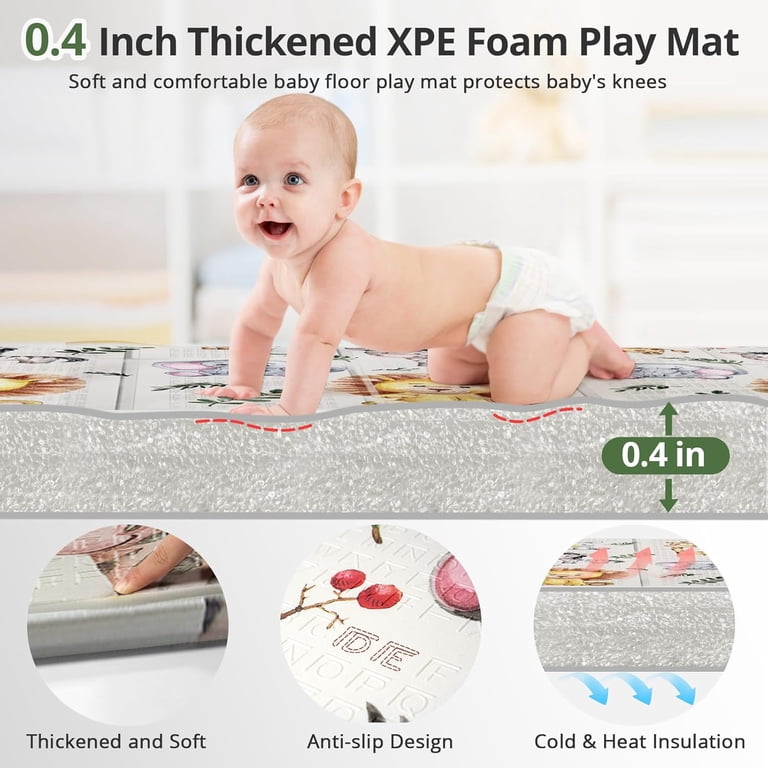
- Lay the baby on a clean floor on a soft mat. Stay within arm’s reach.
- Use a bright toy or your face to encourage head lifts.
- Increase totals to 15–30 minutes a day by a few months.
Floor play steps
- Create a safe, open space free of small hazards.
- Place toys within reach to promote rolling and reaching.
- Use short sessions and follow the baby’s interest.
- Shift between back, side, and tummy positions during play.
Combine both each day. A simple routine might be tummy time after a diaper change and floor play after a nap. That way you cover strength and exploration in the same day.

Safety tips and common mistakes
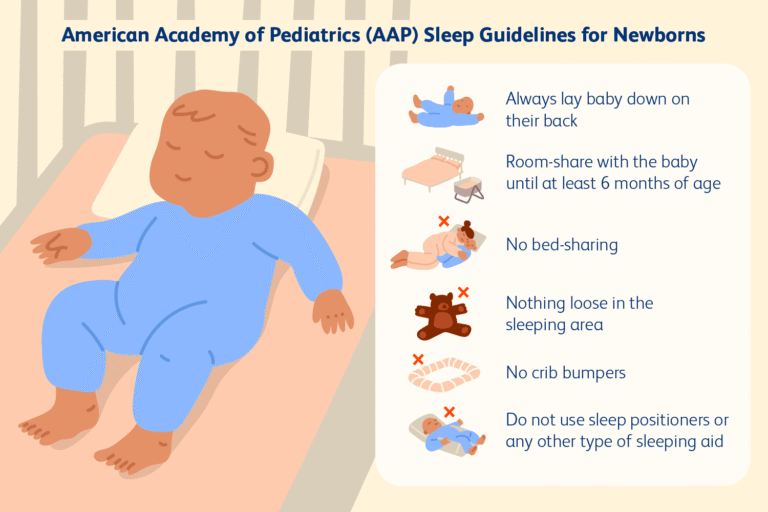
Safety first when choosing tummy time vs floor play. Always supervise tummy time. Never leave a baby face down unattended. Use firm, flat surfaces. Avoid soft bedding for play.
Common mistakes
- Forcing long tummy sessions before the baby is ready.
- Relying too much on devices or propped positions.
- Skipping floor time because the baby prefers being held.
- Letting toys with small parts be within reach.
Watch your baby’s cues. If they fuss, try a shorter session or change positions. Comfort and safety help babies accept both tummy time and floor play.
Which to choose and when
For newborns, favor short tummy time bursts and gentle floor play on the back. As the baby grows, increase tummy time minutes and add more active floor play. There is no one right answer in the tummy time vs floor play debate. Mix both based on the baby’s mood and stage.
If a baby resists tummy time, try side-lying or leaning tummy time using a caregiver’s chest. If a baby loves floor play, offer tummy time as a fun challenge with toys. Adapt the plan week by week.

Personal experience and lessons learned
I once worked with a parent whose baby hated tummy time. We tried small wins. We did tummy time on the parent’s chest, then on a rolled towel under the chest. The baby soon tolerated short belly sessions. After a few weeks, the baby began to push up and reach for toys.
Lessons I learned
- Start small and stay consistent.
- Use toys and faces, not force.
- Track small wins to build confidence.
- Share caregiving so the baby sees multiple faces during play.
These tips came from hands-on work with families. They are simple, practical, and kind to both baby and caregiver.

Practical tips and product suggestions
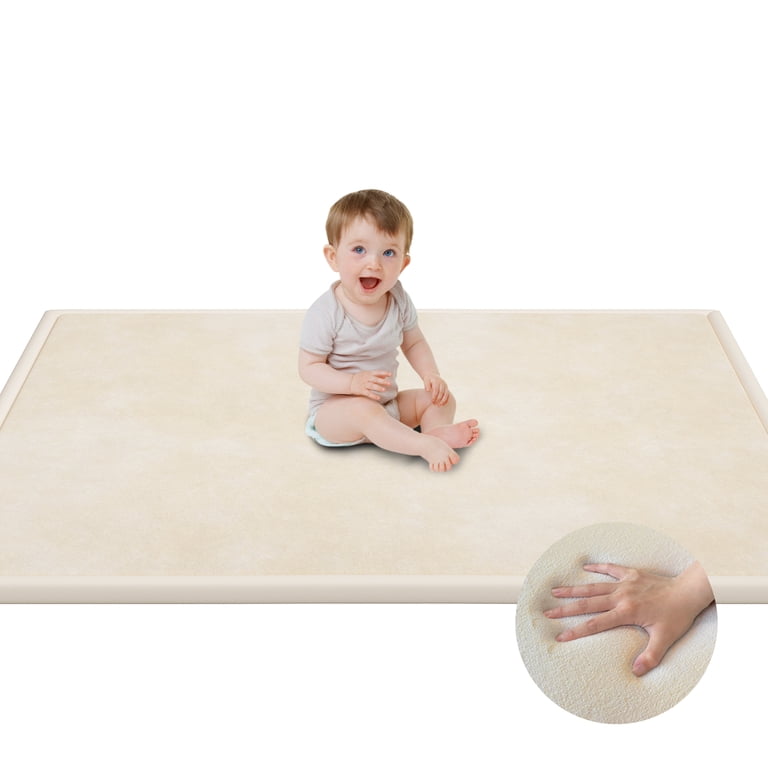
- Use a firm play mat or a short-pile rug for floor play.
- Choose bright, soft toys that make no small parts.
- Try a tummy-time pillow or rolled towel for support.
- Make a routine: short sessions after diaper changes or naps.
- Involve siblings or caregivers to make sessions social.
Products help but are not required. Your voice, smiles, and toys are the best tools. Keep routines short and fun to avoid resistance.
Frequently Asked Questions of tummy time vs floor play
How long should newborn tummy time sessions be?
Start with 1–3 minutes per session for newborns. Gradually increase to a total of 15–30 minutes daily by a few months.
Is floor play enough without tummy time?
Floor play helps, but tummy time targets specific neck and shoulder strength. Use both to meet all motor milestone needs.
When should I worry if my baby dislikes tummy time?
If your baby still avoids tummy time after gentle, consistent tries, talk with a pediatrician. They can check muscle tone, hearing, and other issues.
Can tummy time prevent flat head syndrome?
Yes, tummy time reduces pressure on the back of the head and helps prevent positional flat spots. Regular supervised belly time is recommended.
How do I make tummy time more fun for my baby?
Use toys, mirrors, and songs. Try tummy time on your chest and involve family faces to keep it social and safe.
When should I start floor play?
Start floor play from birth with safe, supervised time on the back. Increase movement challenges as the baby grows.
Conclusion
Tummy time vs floor play is not a strict choice. They are two parts of healthy play and development. Tummy time builds the muscles for head control and crawling. Floor play builds curiosity, problem solving, and full-body movement. Use both daily in short, fun sessions. Start small, follow the baby’s cues, and build a routine that fits your family. Try one new tip this week and watch the small wins add up. Leave a comment or subscribe to get more simple baby play ideas.