Baby overstimulation signs often include fussiness, staring away, yawning, jerky movements, and trouble settling.
If you have ever felt like your baby went from calm to overwhelmed in minutes, you are not imagining it. Baby overstimulation signs can show up fast, and knowing how to spot them can make daily life easier for both of you. In this guide, I’ll walk you through the most common baby overstimulation signs, why they happen, and what you can do to help your baby feel safe, calm, and regulated again.
What baby overstimulation means
Baby overstimulation happens when a baby takes in more sound, light, movement, touch, or activity than their brain and body can handle at that moment. Babies are still learning how to process the world, so even normal things like a busy room, a lot of talking, or too much handling can feel like “too much.”
In simple terms, baby overstimulation signs are your baby’s way of saying, “I need a break.” I’ve seen this many times in real-life caregiving moments: a baby who starts out happily alert can quickly turn fussy after a loud visit, a long outing, or too much passing from one person to another. The key is learning the pattern early so you can step in before your baby melts down.
Common baby overstimulation signs
Baby overstimulation signs can look different from one baby to another, but there are some very common patterns. The earlier you notice them, the easier it is to calm your baby before they become fully distressed.
Some of the most common baby overstimulation signs include:
- Turning the head away from people, toys, or sounds
- Avoiding eye contact or staring into space
- Yawning, hiccupping, or sneezing repeatedly
- Jerky arm or leg movements
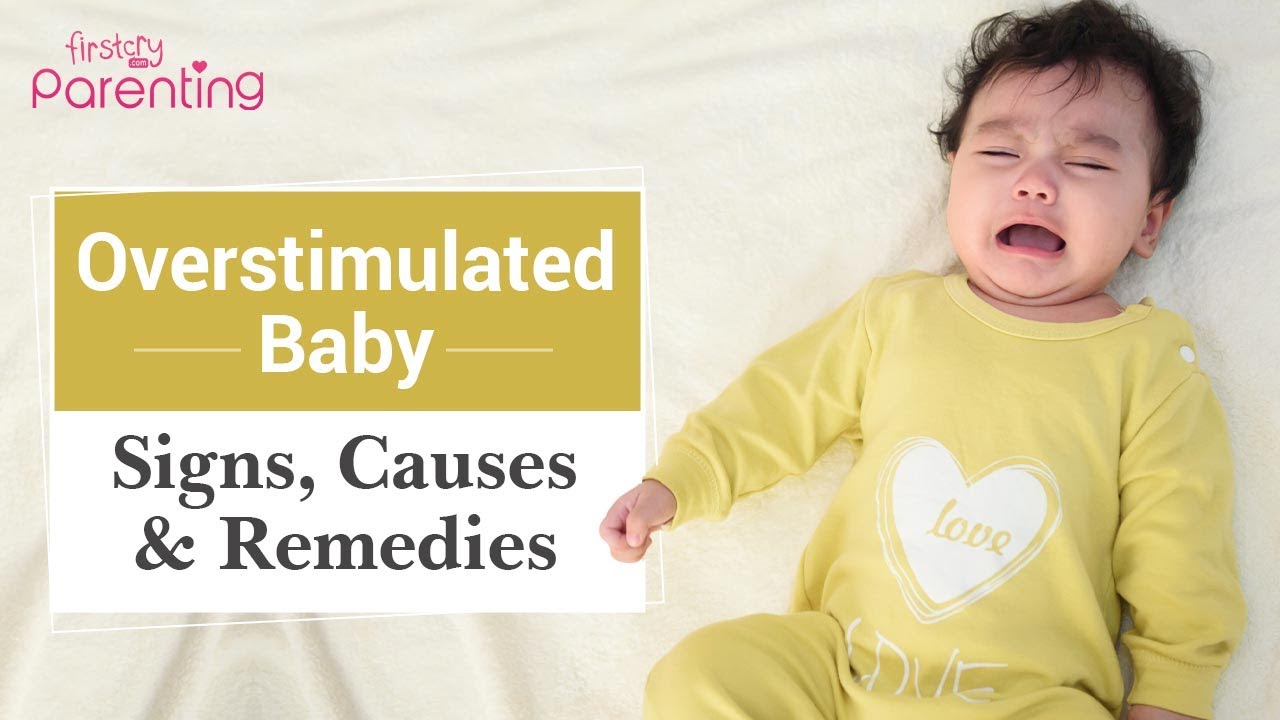
- Fussing, whining, or sudden crying
- Clenched fists or stiff body posture
- Arching the back
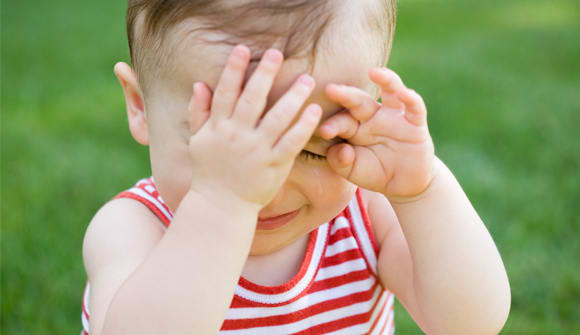
- Rubbing the face, eyes, or ears
- Difficulty feeding or falling asleep
- Trouble calming even when held
One of the most useful lessons I learned is that overstimulation does not always look dramatic at first. Sometimes it starts with subtle baby overstimulation signs like a far-off stare or a smaller-than-usual attention span. If you catch those early cues, you can often prevent the bigger crying spell that comes later.
Why babies get overstimulated
Babies get overstimulated because their nervous system is still developing. They do not yet have the same filtering skills adults use to ignore background noise, bright lights, or extra movement.
Common triggers include:
- Loud rooms, music, or multiple conversations
- Bright lights or lots of visual clutter
- Too many new faces at once
- Long outings without a break
- Frequent handling or passing around
- Playtime that lasts too long
- Hunger, tiredness, or discomfort on top of sensory input
A baby who is already tired or hungry will usually show baby overstimulation signs much faster. In my experience, this is where many parents get caught off guard. What looks like “just being fussy” is sometimes a mix of sensory overload and basic needs stacking up at the same time.
Baby overstimulation signs by age
Baby overstimulation signs can change as your baby grows. A newborn may show stress very differently from a 9 month old.
Newborn overstimulation signs
Newborns often show subtle cues first. These may include:
- Looking away
- Weak or uneven sucking during feeding
- Hiccups or sneezing
- Sleepiness that seems sudden
- Flailing arms or legs
- Color changes in the face
Newborns usually need shorter wake windows and much quieter environments. A room that feels normal to adults can still be a lot for a tiny baby.
Older infant overstimulation signs
As babies get older, they may react with more obvious behavior. You may see:
- Crying when a toy is offered
- Clinginess
- Difficulty napping
- Throwing their body backward
- Crawling away from activity
- Refusing to eat or engage
Older infants often have bigger emotional reactions because they notice more, but they still cannot regulate it well on their own. That is why baby overstimulation signs may appear during parties, errands, playgroups, or even a busy family dinner.
Overstimulation vs hunger, tiredness, and colic
It can be hard to tell whether your baby is overstimulated or simply hungry, tired, or uncomfortable. The symptoms can overlap, which is why context matters so much.
Here is a simple way to think about it:
- Hunger usually shows up with rooting, lip smacking, and strong sucking cues
- Tiredness often brings yawning, eye rubbing, and zoning out
- Overstimulation more often brings turning away, arching, fussing, and difficulty settling
- Colic tends to involve long periods of intense crying, often at the same time each day
Many babies show more than one need at once. A baby who is overtired may also show baby overstimulation signs because the brain is already working harder to cope.
What baby overstimulation looks like during daily routines
Baby overstimulation signs can show up in very normal moments. That is part of why parents sometimes miss them.
Here are a few examples:
- During feeding, your baby keeps unlatching, turning away, or crying after a short time
- During play, your baby stops smiling and starts staring blankly or fussing
- During a family visit, your baby becomes clingy and hard to soothe
- In the car, your baby starts crying after a noisy, busy day
- At bedtime, your baby seems wired, even though they are clearly exhausted
I remember one evening when a baby I cared for had a perfectly fine day until a loud dinner gathering. By the time the baby reached the crib, the crying was intense. The real issue was not bedtime itself; it was that the baby had crossed the line from alert to overloaded much earlier.
How to calm an overstimulated baby
When baby overstimulation signs show up, the goal is to reduce input and help your baby feel safe again. Less is usually more.
Try these steps:
- Move to a quiet space
- Lower the lights
- Hold your baby close if they like contact
- Offer gentle rocking or slow movement
- Reduce talking and noise
- Use a pacifier if your baby accepts one
- Swaddle a younger baby if it is safe and age appropriate
- Offer a feeding if hunger may be part of the problem
- Give your baby time to settle without adding more stimulation
A calm room acts like a reset button for an overwhelmed nervous system. If you try too many soothing tricks at once, it can sometimes make baby overstimulation signs worse instead of better. I have found that one soft voice, one quiet room, and one steady hold often works better than a dozen different strategies.

How to prevent baby overstimulation
You cannot avoid every trigger, and you do not need to. The goal is not a perfect bubble. It is learning what your baby can handle and stopping before they cross that line.
Helpful prevention tips include:
- Watch wake windows closely
- Keep visits short when possible
- Build breaks into errands and outings
- Limit background noise during feeding and naps
- Use one toy at a time for younger babies
- Notice early baby overstimulation signs instead of waiting for full crying
- Keep a simple routine for sleep and feeding
- Protect quiet time after busy events
A useful habit is to think of your baby’s energy like a small cup. Every sound, face, light, and activity fills it a little more. Once the cup is full, baby overstimulation signs start to spill out.
When baby overstimulation signs are normal and when to call a doctor
Most of the time, baby overstimulation signs are a normal response to too much input. They usually improve once your baby is rested, fed, and in a quieter space.
You should contact a pediatrician if your baby:
- Crying is frequent and hard to soothe
- Has feeding problems that do not improve
- Seems unusually floppy or stiff
- Is not gaining weight well
- Has fewer wet diapers than expected
- Seems very lethargic or hard to wake
- Has a fever or other signs of illness
It is always okay to ask questions if something feels off. Parents know their baby best, and trust matters. If the pattern is not improving or feels extreme, medical advice can help rule out something beyond overstimulation.
Helpful tools and habits for sensitive babies
Some babies are simply more sensitive to sensory input. That does not mean anything is wrong. It just means their environment may need more care and structure.
Helpful tools include:
- White noise for sleep
- A dim lamp instead of bright overhead lights
- A baby carrier for comfort in public
- A predictable nap routine
- A quiet corner at home for calming
- Fewer visitors at one time
The biggest benefit of learning baby overstimulation signs early is confidence. When you know what your baby is telling you, daily life feels less confusing and more manageable. You also spend less time guessing and more time responding with calm.
Frequently Asked Questions of baby overstimulation signs
How do I know if my baby is overstimulated?
Look for changes in behavior such as turning away, fussing, staring blankly, or crying after a busy period. Baby overstimulation signs often show up when your baby has had too much noise, movement, or social contact.
Can overstimulation make a baby cry more at night?
Yes, it can. A baby who has had too much input during the day may have a harder time settling at bedtime and may cry more because their nervous system is still on high alert.
Is overstimulation harmful to babies?
Short periods of overstimulation are usually not harmful, especially if your baby gets a chance to rest and recover. The concern is repeated stress without enough calm time, which can make feeding, sleeping, and soothing harder.
What is the fastest way to calm an overstimulated baby?
Move your baby to a quiet, dim space and reduce noise and activity right away. Gentle holding, rocking, or feeding can help, but the biggest step is cutting down stimulation quickly.
Can a baby be overstimulated by toys?
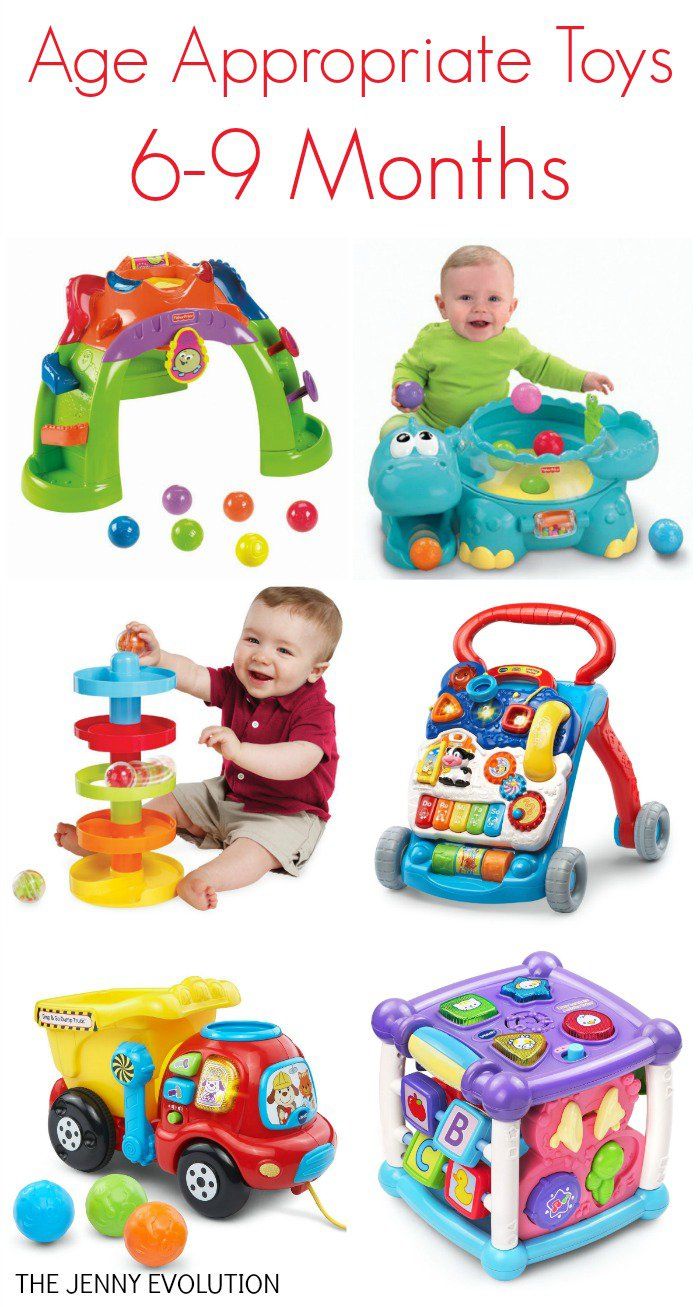
Yes, especially if there are too many toys at once or if the toys are loud, bright, or constantly changing. A simple play setup is often easier for babies to handle than a busy one.
Do all babies show baby overstimulation signs the same way?
No, each baby is different. Some get quiet and look away, while others get fussy, stiff, or cry hard, so it helps to learn your baby’s own pattern.
Conclusion
Baby overstimulation signs are your baby’s way of asking for less noise, less movement, and more comfort. Once you know the common cues, you can step in earlier, reduce stress, and make daily routines much smoother.
The good news is that most babies calm well when their environment becomes simpler and more soothing. Pay attention to your baby’s patterns, trust your instincts, and use the signs as guidance instead of waiting for a full meltdown. If this guide helped, explore more baby sleep and soothing tips, and share your experience in the comments so other parents can learn from it too.