Pacifiers are usually easier to control than thumb sucking and may pose fewer long-term dental risks.
I’ve spent years advising parents about pacifier vs thumb sucking. This article explains the key differences, the health and dental impacts, when to act, and gentle ways to help a child stop. You’ll get clear, evidence-based guidance, practical tips I’ve used with families, and simple steps to choose the right approach for your child.
Understanding pacifier vs thumb sucking
Pacifier vs thumb sucking is really a comparison of two ways children self-soothe. Both satisfy a natural sucking reflex. Babies are born with that reflex. They use sucking to feed, sleep, and calm down. A pacifier is an object a parent supplies. Thumb sucking is self-made comfort. Both can start in infancy and continue into toddlerhood.
Why parents ask about pacifier vs thumb sucking
- Ease of control: Pacifiers can be removed or limited. Thumb sucking is always with the child.
- Hygiene: Pacifiers can be cleaned. Thumbs are harder to keep germ-free.
- Weaning: Many find pacifiers easier to wean.
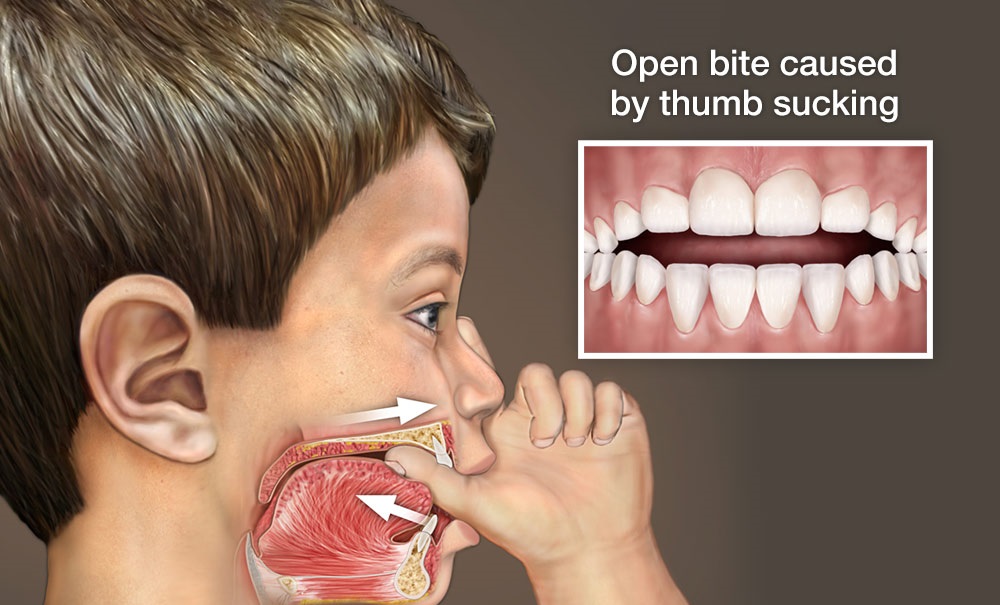
Why babies suck: causes and normal behavior
Sucking is natural. It begins in the womb. It helps babies feel safe and fall asleep. It also helps with feeding and exploration.
Common reasons a child sucks
- Hunger or tiredness.
- Need for comfort when upset.
- Habit formed during quiet or sleep.
- Boredom or anxiety in toddlers.
This helps explain why pacifier vs thumb sucking often looks similar at first. The root is comfort and instinct.
Health and dental impacts of pacifier vs thumb sucking
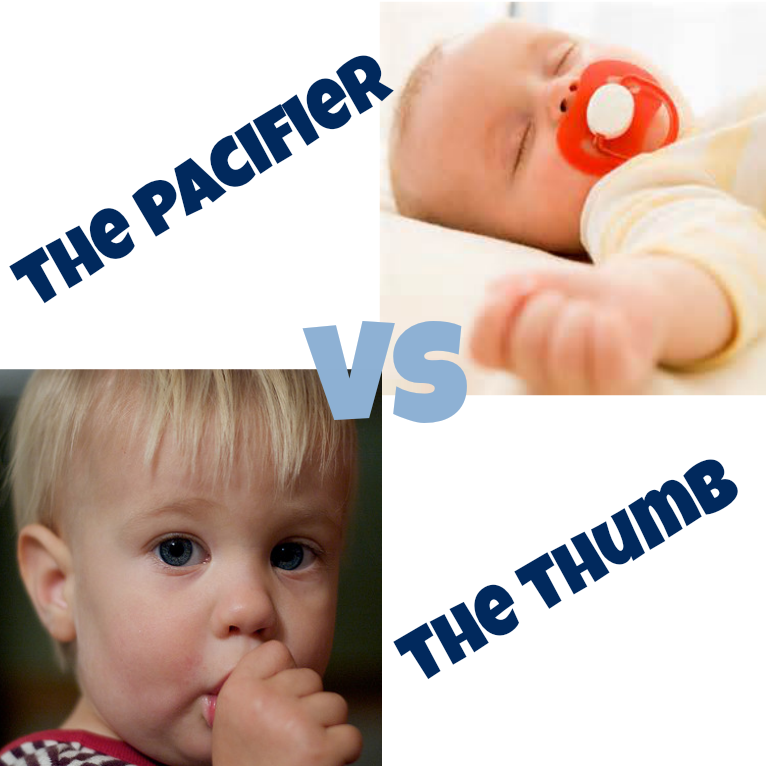
Both pacifiers and thumb sucking can affect teeth and mouth shape if they continue past early childhood. The risk depends on frequency, intensity, and age when the habit stops.
Key dental points
- Early years (before about age 3): fewer long-term effects for either habit.
- After age 3 to 4: prolonged sucking may push front teeth forward or change bite.
- Intensity matters: constant, forceful sucking causes more change.
Other health considerations
- Pacifier: linked to a small reduced risk of sudden infant death syndrome when used at sleep time in infants.
- Thumb: harder to clean; may carry more germs.
- Both: can affect speech slightly if continued past toddler years.
I recommend regular dentist checkups from the first tooth. Dental visits can track any early signs of bite changes and help decide when to wean.
Emotional and behavioral differences
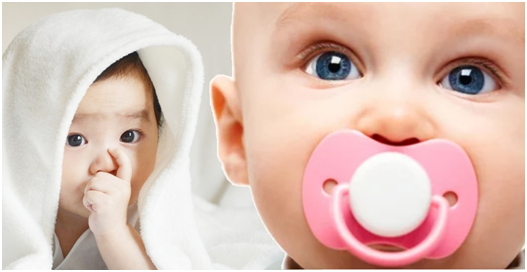
The emotional effect of pacifier vs thumb sucking is different for many families. Thumb sucking is intimate and self-soothing. A pacifier can be taken away or limited. That difference matters for behavior and stopping strategies.
Behavior notes
- Thumb sucking may be used in many settings. It can return quickly under stress.
- Pacifiers can be set limits: use only at sleep or in the car.
- Removing a pacifier may create short-term fussing, but it is often easier to shape.
Understanding your child’s triggers helps you plan a gentle exit.
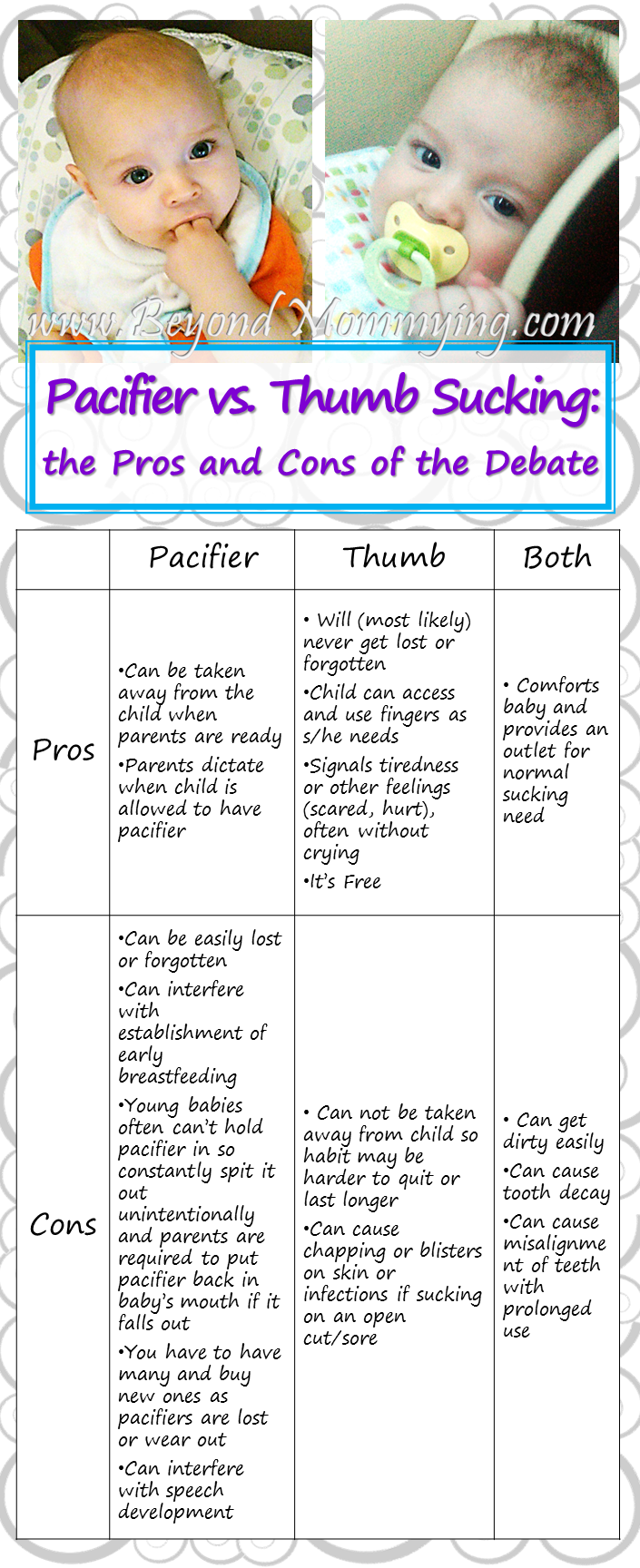
Pros and cons comparison
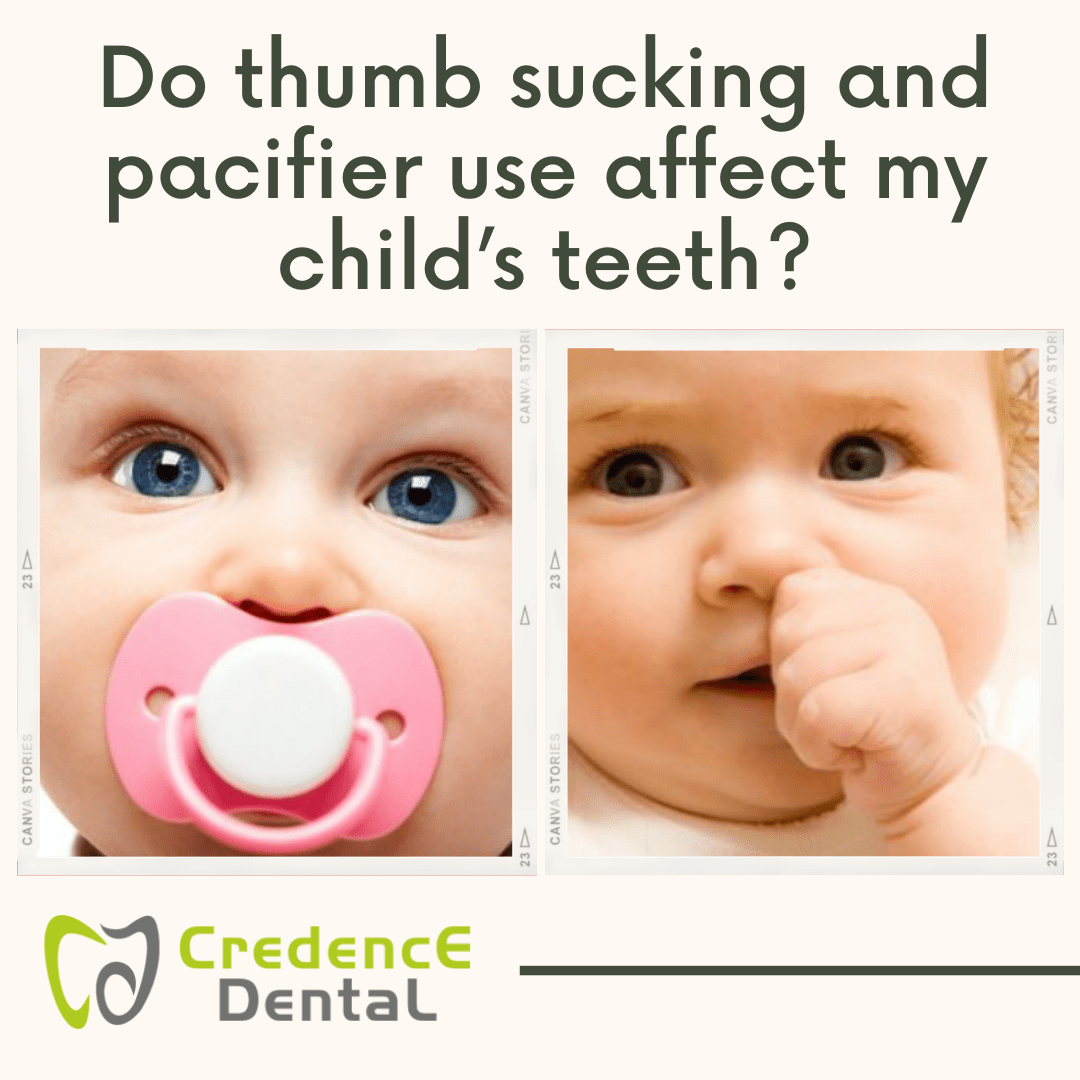
This section gives a side-by-side view for a clear choice.
Pacifier
- Pros: Easy to control; cleanable; may protect against SIDS in early months.
- Cons: Risk of dependence; lost pacifiers cause distress; may reduce breastfeeding success if introduced too early.
Thumb sucking
- Pros: Always available to the child; no objects to clean or replace.
- Cons: Harder to stop; more likely to cause dental problems if prolonged; hygiene issues.
Use this comparison to weigh what matters most for your child and family.
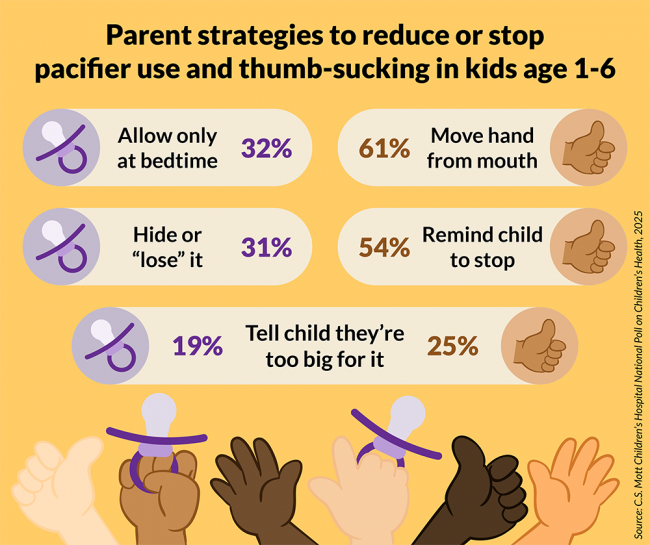
When to stop: age recommendations and signs to act
Timing matters with pacifier vs thumb sucking. Early weaning reduces dental risk. Most experts say:
- Aim to stop pacifier use by 12 months if breastfeeding is an issue.
- Try to stop both habits by 3 to 4 years to minimize bite problems.
Signs it’s time to act
- Visible change in tooth alignment.
- Child uses sucking constantly, even during school or social events.
- Parents want better speech development or oral hygiene.
Act sooner when you see dental changes or when the habit affects daily life.

Practical tips for weaning pacifier vs thumb sucking
Use gentle, consistent strategies. Here are steps that work in real life.
Weaning a pacifier
- Limit use to sleep times first.
- Offer a transitional object like a blanket or soft toy.
- Reduce one session at a time—nap, then night.
- Gradual removal over weeks reduces stress.
Stopping thumb sucking
- Track triggers: tiredness, boredom, or anxiety.
- Offer a replacement comfort object or activity.
- Use positive rewards for short periods without sucking.
- For older children, discuss goals and use gentle reminders.
- Seek a pediatric dentist’s help if thumb sucking persists past age 4.
Behavior tips that apply to both
- Praise small wins.
- Avoid punishment or shaming.
- Keep routines calm at bedtime to reduce the urge to suck.
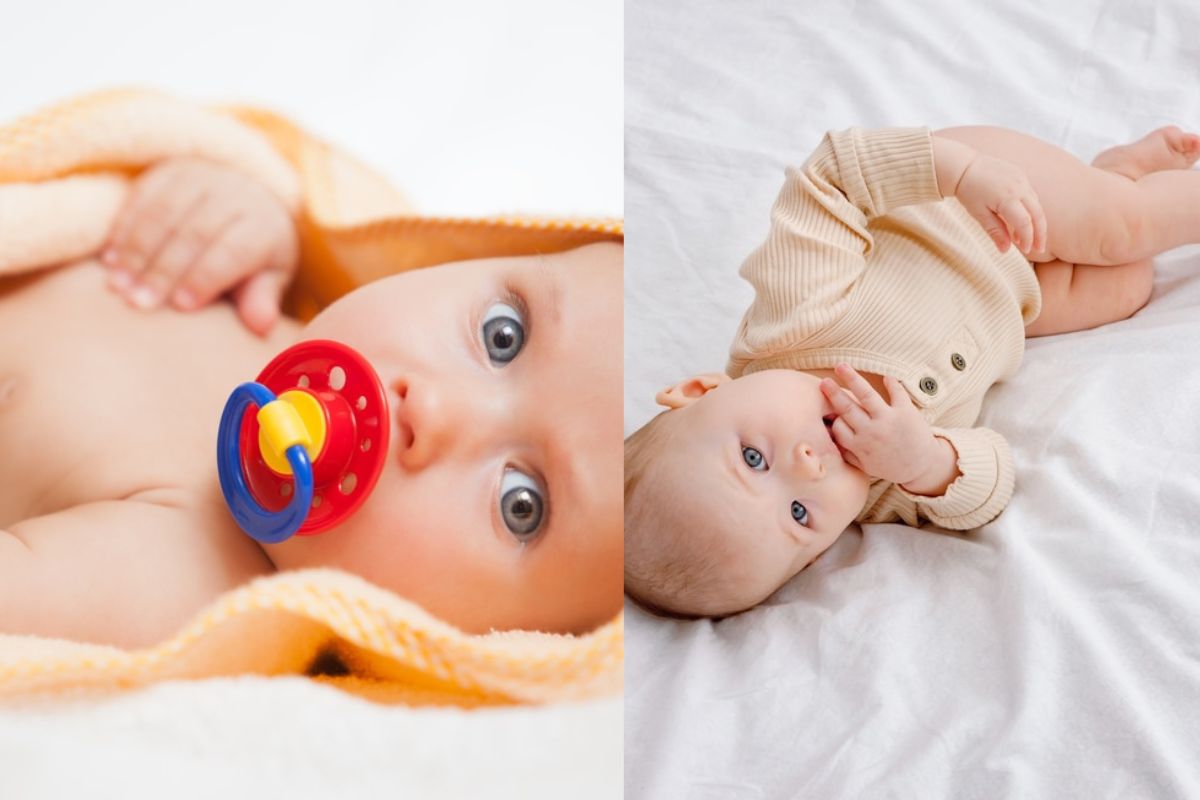
Alternatives and support
If you want to replace the habit, try these options. They work best with patience and routine.
Soothing alternatives
- Soft toys or cozy blankets.
- Calm-down boxes with small fidget toys for toddlers.
- Simple breathing or counting games for older kids.
Professional support
- Pediatric dentist for bite issues.
- Pediatrician for sleep or feeding concerns.
- Child psychologist or counselor if the habit links to anxiety.
Social support
- Talk with caregivers to keep strategies consistent.
- Use books or stories about big-kid skills for gentle motivation.
My experience and lessons learned
I’ve helped many families with pacifier vs thumb sucking choices. Here are real lessons I’ve learned.
What worked best
- Slow, predictable steps work better than abrupt removal.
- Consistency across caregivers is essential.
- Combining comfort replacements with limited removal helps kids adapt.
Common mistakes to avoid
- Waiting too long if dental signs appear.
- Using punishment or public shaming.
- Switching from pacifier to other oral habits instead of weaning.
One family I worked with limited the pacifier to bedtime and switched to a stuffed animal. Within three weeks the child stopped needing the pacifier. It took patience, but the gentle plan kept stress low and sleep steady.
Signs you should see a professional
Seek help when:
- Teeth look noticeably misaligned.
- Speech is affected after age 3.
- The habit persists despite consistent efforts.
- The child shows high anxiety tied to stopping.
Professionals can offer tailored plans and tools that respect your child’s emotional needs.
People also ask (brief answers)
-
Does pacifier use affect breastfeeding?
Short pacifier use can interfere if introduced too early. Waiting until breastfeeding is well established (about 3–4 weeks) helps. -
Can thumb sucking cause speech problems?
Persistent thumb sucking can affect tongue position and speech clarity over time. Early intervention helps reduce risk. -
Is a pacifier safer than thumb sucking?
For hygiene and control, pacifiers are often easier to manage. Both have similar dental risks if continued long term. -
How long is it normal for children to suck thumbs or pacifiers?
Many children stop between ages 2 and 4. If it continues past age 4, consider a plan to stop. -
Will my child be emotionally harmed if I wean the pacifier or stop thumb sucking?
Most children adapt well when changes are gradual and supported. Emotional harm is unlikely if you use kindness and consistency.
Frequently Asked Questions of pacifier vs thumb sucking
How does pacifier vs thumb sucking compare for dental health?
Both can affect bite and tooth alignment if they continue after age 3. The key is frequency and duration, not just which habit the child has.
Can a pacifier reduce the risk of SIDS?
Using a pacifier during sleep has been linked to a modest reduction in SIDS risk for infants. It is one potential protective measure when used safely.
Is it harder to stop thumb sucking than a pacifier?
Yes. Thumb sucking is always available and often becomes a stronger, more private habit. Pacifiers can be limited by caregivers, which can ease weaning.
When should I involve a dentist or pediatrician?
See a dentist if teeth look misaligned or by the first dental visit. Talk to a pediatrician for feeding, sleep, or behavior concerns related to the habit.
What gentle strategies help most kids stop?
Limit use gradually, offer comfort objects, set small goals, and praise progress. Avoid scolding and keep routines consistent.
Conclusion
Choosing between pacifier vs thumb sucking depends on your child, family needs, and timing. Both habits are normal early on. Stopping earlier reduces dental risk. Use gentle, consistent steps and seek professional help if you see tooth or speech changes. Try small, steady goals and swap comfort tools to support your child.
Take action today: pick one small step—limit pacifier time, offer a new comfort object, or set a short reward goal—and keep it consistent for two weeks. Share your experience or questions below to get support from others on the same path.