Baby sensory activities by age help support growth, bonding, and early brain development.
If you’ve ever wondered which sensory play ideas fit your baby’s stage, you’re in the right place. Baby sensory activities by age are not just cute extras; they help babies explore texture, sound, light, movement, and connection in ways that match how their brains develop. I’ve seen how the right activity at the right age can turn fussiness into curiosity, and that is exactly what this guide will help you do.

What baby sensory activities by age really means
Baby sensory activities by age are simple play ideas matched to a baby’s developmental stage. The goal is not to “teach” too early, but to give the senses the right kind of input at the right time.
In the first year, babies learn mostly through their senses. They look, listen, mouth objects, kick, grasp, and react to touch. That is why sensory play works so well: it supports brain wiring, motor skills, focus, and early communication.
A good sensory activity does not need fancy toys. A clean scarf, a crinkly book, a singing voice, or a bowl of cool water can be enough. What matters most is that the activity is safe, simple, and age-appropriate.
Why sensory play matters in the first year
Baby sensory activities by age matter because babies grow fast, but their needs change just as quickly. A newborn needs calm, gentle input. A 9-month-old needs more movement, object play, and cause-and-effect games.
Sensory play can help with:
- Brain development, because repeated sensory input helps build connections
- Motor skills, because babies practice reaching, rolling, grasping, and crawling
- Language growth, because babies hear words tied to real objects and actions
- Regulation, because soothing sensory input can calm overstimulation
- Bonding, because shared play builds trust and connection
Research in early childhood development consistently shows that rich, responsive interaction supports learning. In plain language, a baby learns best when the world feels safe, playful, and predictable.
Baby sensory activities by age: newborn to 3 months
In the earliest weeks, babies are adjusting to life outside the womb. Their vision is still developing, and they respond best to contrast, voice, touch, and closeness. Keep it gentle and brief.
Best sensory ideas for this age:
- High contrast visuals, like black and white cards or simple patterns
- Face-to-face talking, singing, and smiling
- Skin-to-skin contact
- Slow rocking and gentle swaying
- Soft fabrics like cotton, fleece, or muslin
- Listening to soft music or a parent’s voice
A mistake I see often is trying to do too much. At this age, less is more. If a baby turns away, fusses, or yawns, that is a sign to pause.
Helpful tips:
- Keep sessions short, often just 2 to 5 minutes at a time
- Use one sense at a time when possible
- Watch for overstimulation, such as hiccups, sneezing, or crying
- Focus on comfort first, play second
Baby sensory activities by age: 3 to 6 months
By 3 to 6 months, babies usually become more alert and interactive. They may track objects with their eyes, reach for toys, and enjoy tummy time more than before. This is a great stage for simple cause-and-effect sensory play.
Good activities include:
- Tummy time on a soft mat with a toy just in reach
- Rattles and lightweight toys with different textures
- Crinkly books or fabric books
- Foot and hand play, such as touching toes or finger games
- Looking in a baby-safe mirror
- Gentle massage after a bath
- Soft music with hand claps or rhythm
I used to think the best toy had to be the most expensive one. Honestly, that was one of my biggest early mistakes. Babies this age often care more about texture, sound, and your reaction than about the toy itself.
Try this simple routine:
- Place baby on a blanket or play mat
- Offer one toy with a clear sound or texture
- Talk through what baby is seeing or touching
- Pause and watch how they react
- End before baby gets tired
Baby sensory activities by age: 6 to 9 months
This stage is busy. Babies often roll, sit, reach, pass toys between hands, and explore by putting things in their mouths. Sensory activities by age should now include more movement, object exploration, and safe hands-on discovery.
Great ideas for this stage:
- Textured balls, rings, and stacking toys
- Water play in a shallow, supervised container
- Peekaboo with scarves or cloths
- Banging two toys together
- Sensory bags filled with safe materials and sealed tightly
- Exploring cold and warm objects with supervision
- Songs with actions, like waving or clapping
This is also a good time to build early problem-solving. Babies learn that if they shake a toy, it makes noise. If they drop a spoon, it falls. That is powerful learning for a little brain.
Safety note:
- Never leave a baby alone with small objects
- Avoid loose beads, coins, or anything that can break open
- Always supervise water play closely
- Make sure sensory bags are sealed well and out of reach once damaged
Baby sensory activities by age: 9 to 12 months
By 9 to 12 months, many babies crawl, pull up, cruise, or even take early steps. They also begin to show stronger preferences and more curiosity. At this stage, sensory play can be more active and a little more complex.
Try these activities:
- Sensory bins with large safe objects, like pom-poms or large fabric squares
- Playing in grass, sand, or water with close supervision
- Sorting toys by size or color
- Pulling scarves from a tissue box
- Simple obstacle play, like crawling over pillows
- Musical toys with buttons, drums, or shakers
- Finger painting with baby-safe edible paint
This is the age where many parents ask, “How much is too much?” The answer is simple: follow your baby’s cues. If they are engaged, calm, and curious, keep going. If they get cranky, look away, or rub their eyes, it is time to stop.
One of the best lessons I learned is that babies do not need a packed schedule. A few repeated activities done well can be better than a long list of new things every day.
Matching sensory activities to each sense
Baby sensory activities by age are easier to plan when you think in terms of the senses. Each sense can be supported in small, safe ways.
Touch
Touch helps babies learn about texture, temperature, pressure, and comfort.
Examples:
- Soft blankets
- Textured teething toys
- Gentle massage
- Water play
- Sensory balls
Sight
Vision develops over time, so babies respond best to simple patterns first.
Examples:
- Black and white cards
- Faces
- Mirrors
- Bright but not flashing toys
- Slow-moving objects
Sound
Sound supports attention, recognition, and early language.
Examples:
- Singing
- Rattles
- Soft music
- Talking during diaper changes
- Rhymes and lullabies
Smell
Smell is powerful but should be used gently.
Examples:
- Natural smells from safe foods during mealtime
- Familiar caregiver scent
- Fresh air outdoors
Avoid strong scents, perfumes, or essential oils unless a pediatric expert says they are safe.
Movement
Movement supports balance, body awareness, and coordination.
Examples:
- Rocking
- Tummy time
- Rolling a ball
- Dancing while holding baby
- Gentle bouncing on your lap
How to choose safe baby sensory activities by age
Safety should always come first. The best sensory activity is one that is interesting and low-risk.
Keep these points in mind:
- Choose age-appropriate toys with no choking hazards
- Avoid items with loose parts, strings, or sharp edges
- Supervise all water, food, and texture play
- Use non-toxic, baby-safe materials
- Check toys often for wear and damage
- Stop if baby seems upset or overstimulated
A simple rule I trust is this: if you would not feel comfortable putting it near your mouth, baby should not be exploring it alone. Babies learn by mouth, hands, eyes, and movement, so safety needs to be built into every setup.
Common mistakes to avoid
Even well-meaning parents can overdo sensory play. I have seen this happen many times: a room full of toys, loud music, bright lights, and a baby who is clearly overwhelmed.
Common mistakes include:
- Using too many toys at once
- Playing too long without breaks
- Expecting one activity to “teach” a skill right away
- Choosing toys that are too advanced
- Ignoring tired cues
- Using strong smells or harsh sounds
The best sensory play feels calm, playful, and responsive. It should look a little like conversation, not a performance.
Easy sensory play ideas you can do at home
You do not need a big budget. Some of the most effective baby sensory activities by age use things already in your home.
Try these simple ideas:
- Play with a scarf for peekaboo
- Let baby listen to running water
- Offer a wooden spoon and a soft cloth for texture contrast
- Sing the same song during diaper changes
- Place a mirror near tummy time
- Let baby touch a cool washcloth after a warm bath
- Use a cardboard box as a safe hide-and-find game for toys
These tiny moments add up. Repetition helps babies feel safe, and safety helps learning happen.
Baby sensory activities by age and development milestones
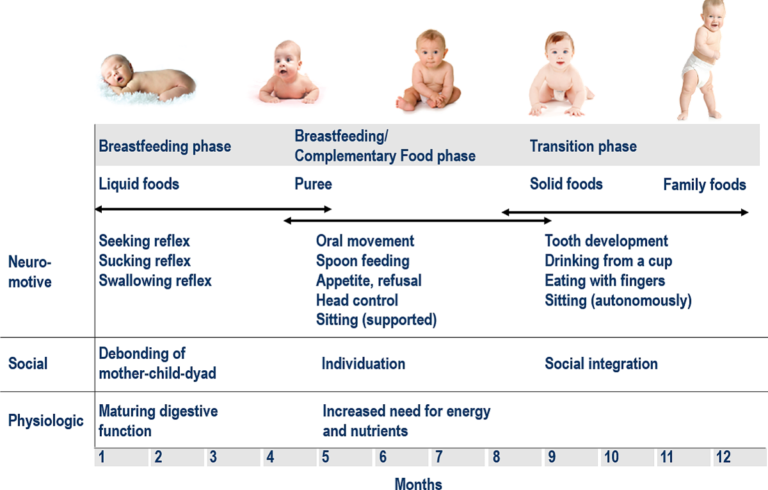
Baby sensory activities by age often support key milestones naturally. They are not a replacement for medical care or developmental support, but they can reinforce healthy growth.
Examples:
- Newborn to 3 months: visual focus, calming, bonding
- 3 to 6 months: reaching, tracking, rolling, social smiles
- 6 to 9 months: sitting, transferring objects, mouthing, curiosity
- 9 to 12 months: crawling, problem-solving, imitation, early standing
If your baby is not meeting milestones on the usual timeline, sensory play alone is not enough. Talk with a pediatrician or developmental specialist if you have concerns.
When to talk to your pediatrician
Most sensory play is simple and safe. Still, it is smart to ask for help if something feels off.
Reach out if your baby:
- Avoids eye contact often
- Seems unusually sensitive to sound, touch, or movement
- Does not respond to familiar voices
- Has very limited movement or stiff muscles
- Shows feeding or sleep issues along with sensory concerns
- Loses skills they previously had
Early support can make a real difference. Trust your instincts. You know your baby better than anyone.
Frequently Asked Questions
What are the best baby sensory activities by age for newborns?
For newborns, the best activities are gentle and soothing. Think skin-to-skin contact, soft singing, high contrast visuals, and slow rocking.
How long should sensory play last for a baby?
It depends on age and mood, but short sessions are best. For young babies, even 2 to 10 minutes can be enough if they stay calm and engaged.
Do baby sensory activities by age help brain development?
Yes, sensory play supports brain development by giving babies safe chances to explore, react, and learn. Repeated sensory input helps build early connections in the brain.
Can I do sensory play every day?
Yes, everyday sensory play is fine as long as it stays safe and gentle. Many daily routines, like bath time, feeding, and diaper changes, already offer great sensory moments.
What if my baby does not seem interested in sensory activities?
That is normal sometimes. Try a different time of day, a simpler activity, or a quieter setting, and follow your baby’s cues instead of forcing play.
Conclusion
Baby sensory activities by age work best when they match your baby’s stage, mood, and curiosity. From soft touch and quiet sounds in the newborn months to movement and hands-on play later in the first year, the goal is always the same: support learning through safe, loving exploration.
The good news is that you do not need perfect toys or complicated plans. Start small, watch your baby closely, and keep things simple. If you want, explore more age-based play ideas, save this guide for later, or leave a comment with the sensory activity your baby loves most.