Cloth diapers vs disposable diapers: Cloth saves money and landfill but needs time and laundry.
As a parent and early-childhood consultant, I’ve tested both systems and helped dozens of families decide. This clear, practical guide on cloth diapers vs disposable diapers breaks pros, cons, costs, and real-life tips so you can make a confident choice that fits your life.
Overview: cloth diapers vs disposable diapers
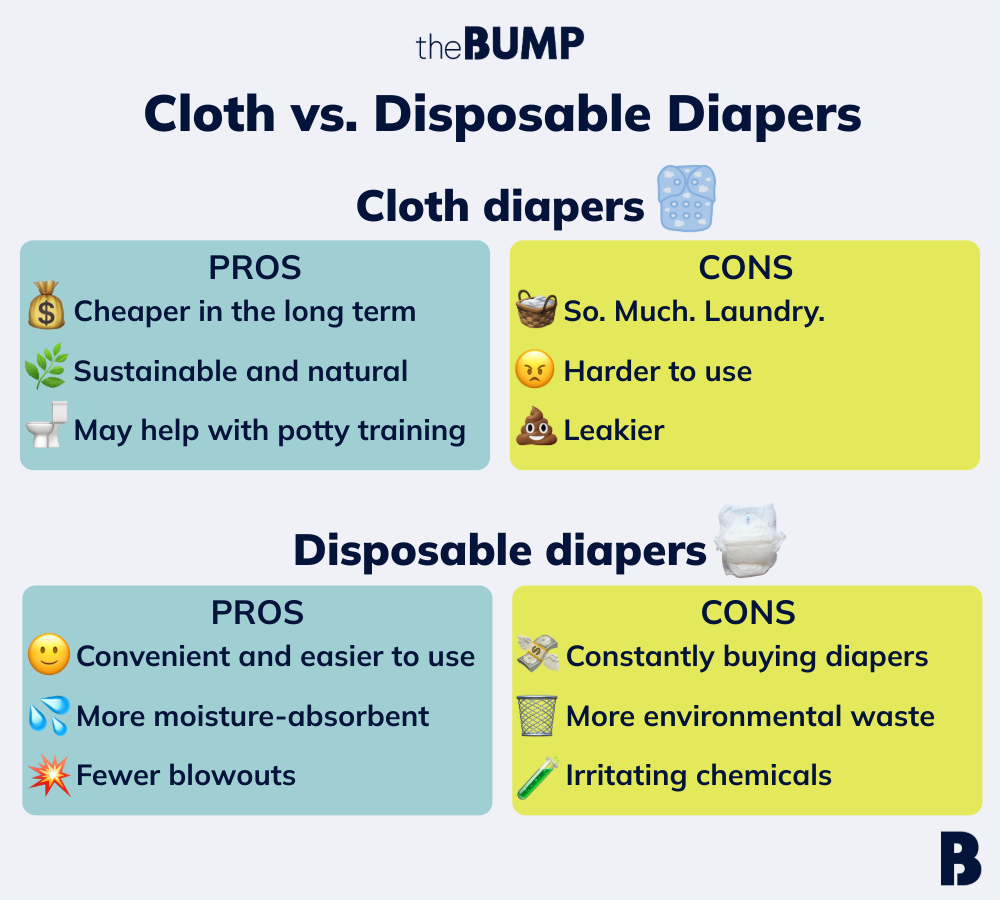
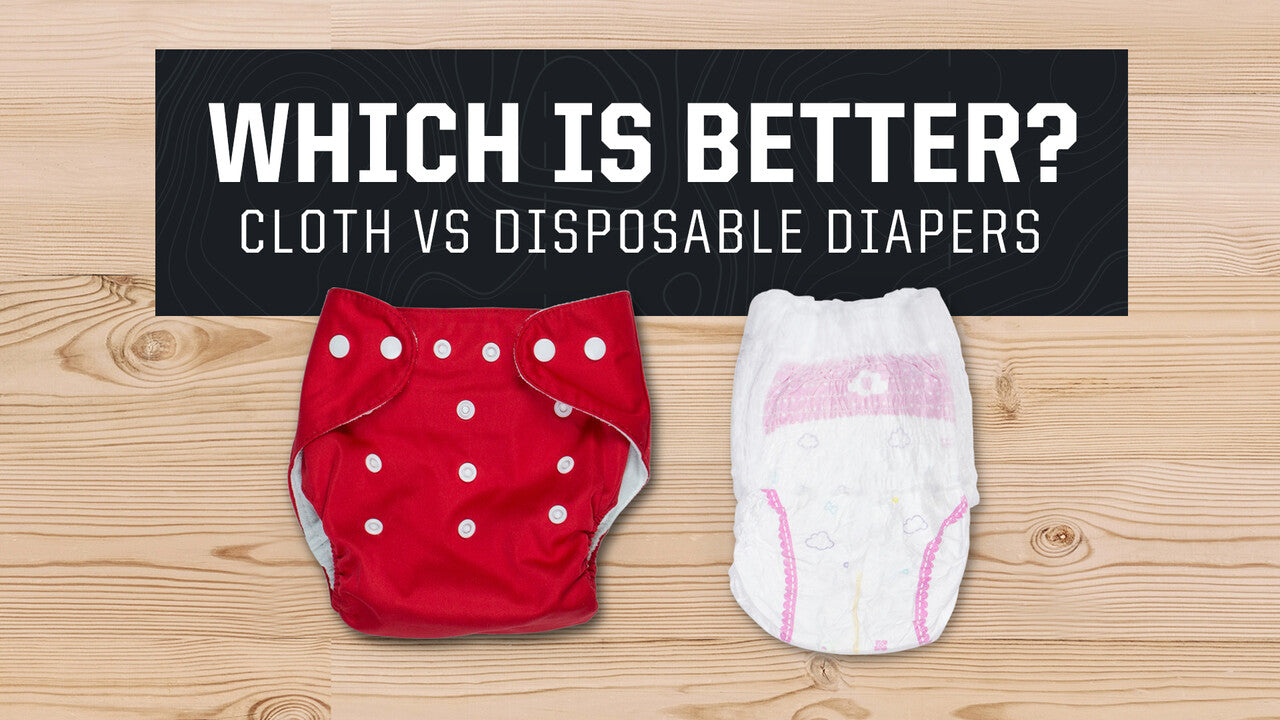
Cloth diapers are reusable fabric covers and inserts. Disposable diapers are single-use pads made with absorbent gels and plastic. Both types hold urine and stool. Both work well. The choice comes down to cost, time, comfort, and values. I will map the trade-offs and show how each option fits different routines and goals.
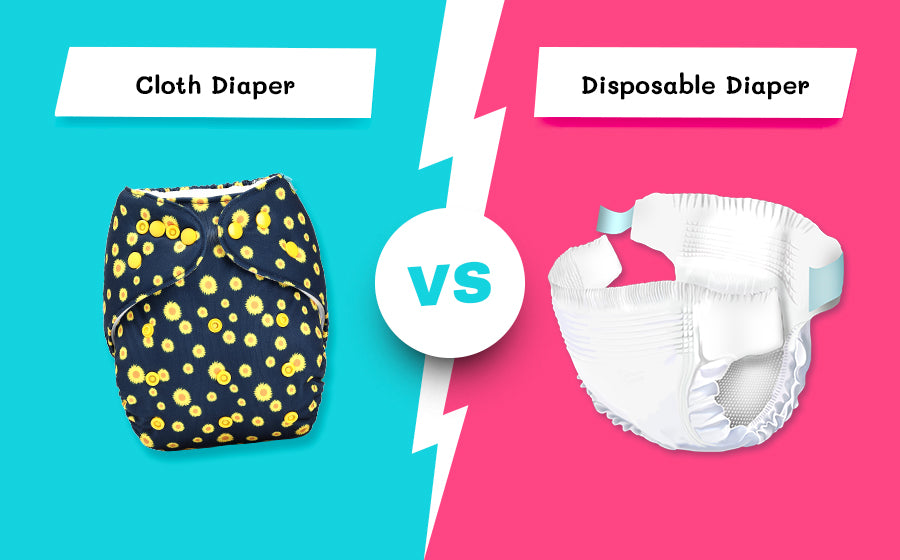 comparisons: fit, absorbency, convenience, and skin health”
style=”max-width: 100%; height: auto; border: 2px solid black; border-radius: 10px; display: block; margin: 0 auto;”
loading=”lazy”
/>
Key comparisons: fit, absorbency, convenience, and skin health
Fit and sizing
- Cloth diapers often have snap or Velcro adjusts that grow with baby. They can fit newborns to toddlers with one system.
- Disposable diapers come in many sizes and often offer fast, secure fit for active babies.
Absorbency and leak control
- Disposable diapers use superabsorbent polymers so dry time is long between changes.
- Cloth diapers rely on inserts and layering. They can be just as absorbent when set up right, but may need more frequent changes.
Convenience and time
- Disposable diapers win on pure convenience. Throw away and go.
- Cloth diapers need washing, drying, and prepping. They demand time and a laundry system, but many parents build a simple routine.
Skin health
- Cloth diapers often mean fewer chemicals near delicate skin. That can reduce rashes for sensitive babies.
- Disposable diapers are breathable now, but some babies react to dyes, fragrances, or gels.
Daily use summary
- If your priority is ease and quick changes, disposable diapers may fit better.
- If your priority is cost savings, reduced waste, or natural fabrics, cloth diapers may suit you.

Cost breakdown and long-term economics
Upfront costs
- Cloth diapers require higher up-front spend. A full stash can cost several hundred dollars.
- Disposable diapers cost less per pack but add up month to month.
Long-term cost comparison
- Over months and years, cloth diapers often cost less overall if used for multiple children.
- For single-child families who favor convenience, disposables can still be cheaper when factoring time value.
Practical math tip
- Count diapers per day. Multiply by weeks. Compare with a realistic cloth stash and laundry costs.
- Include the cost of detergents, water, and electricity for cloth. Include the cost of brand choices for disposables.
Real example from my experience
- I bought a mid-range cloth stash once and reused it for a second child. My per-child cost dropped by over half. Time spent washing was steady, but manageable with a weekly routine.
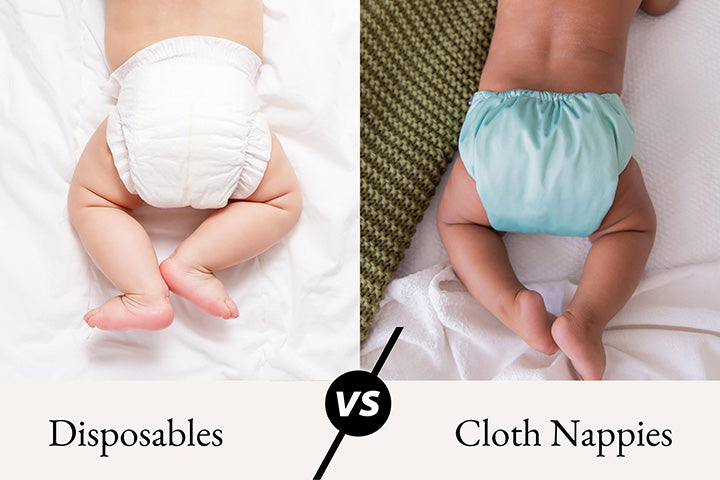
Environmental impact: waste, water, and carbon
Waste output
- Disposable diapers create the most landfill waste per baby. They can take centuries to break down.
- Cloth diapers reduce solid waste but use water and energy for cleaning.
Water and energy tradeoffs
- Machine washing uses water and electricity. Modern washers and efficient lines lower impact.
- The footprint depends on washing frequency, machine efficiency, and drying method.
Carbon and manufacturing
- Disposable diapers require continuous production. That increases resource use over time.
- Cloth diapers have an initial manufacturing impact, but it is diluted across many uses.
Choose to reduce impact
- Use energy-efficient washers. Hang-dry when possible. Reuse cloth diapers for multiple children. These choices cut the life-cycle impact of cloth diapers.

Health and skin considerations
Irritation and rashes
- Frequent diaper changes reduce diaper rash risk for both systems.
- Cloth diapers often breathe better. Some babies do better in cloth.
Allergens and chemicals
- Disposable diapers may contain small amounts of fragrances and gels. Sensitive skin may react.
- Cloth diapers use fabric and detergents. Choose mild detergent and avoid fabric softeners.
Hygiene tips
- Use routine rinses for cloth solid waste. Store soiled cloth in a dry pail until wash day.
- Change diapers promptly and keep skin clean and dry.
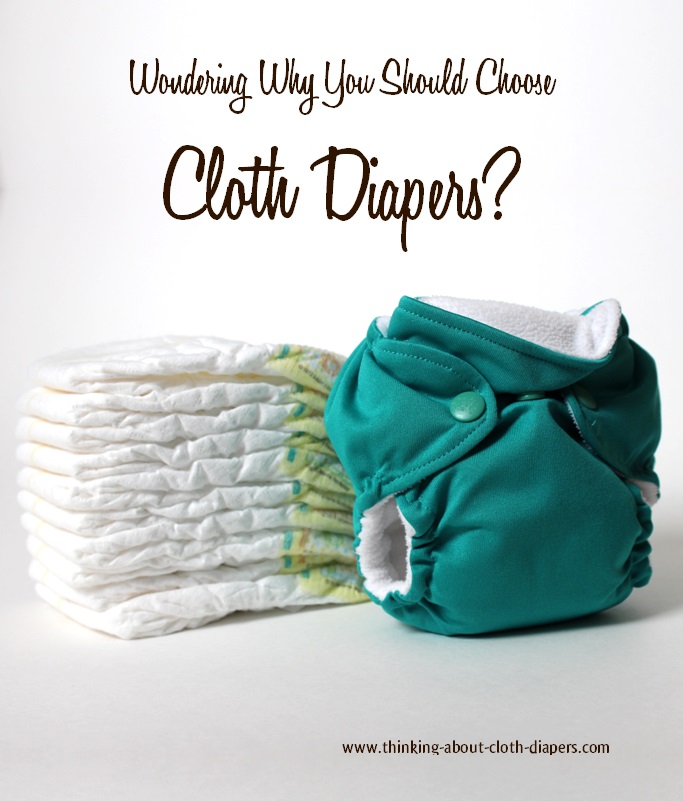
Practical care: washing, storage, and travel tips
Washing basics
- Rinse solids into the toilet. Store dirty cloth in a breathable pail. Wash every 2–3 days.
- Use a detergent that removes oils and avoids residue. Rinse thoroughly.
Drying and storage
- Line dry when you can. Sun helps remove stains and bacteria.
- Use a dryer on low if needed. Store clean diapers in a dry place.
Travel and outings
- For cloth diapers on-the-go, bring a wet bag and a changing pad. Carry wipes and a plastic bag for trash.
- Many parents use a mixed approach: cloth at home and disposables for travel.

Personal experience and real-life lessons
What worked for me
- We used cloth at home and disposables during travel or long days out. This hybrid approach cut waste and kept life simple.
- My top trick was a weekly wash schedule and one spare day for heavy loads.
Mistakes to avoid
- Do not use too much detergent. It causes buildup and smells.
- Avoid hot water on every wash. It wears fabric faster.
Tips I wish I knew sooner
- Start with a small cloth stash and add as you learn preferences.
- Test a few disposable brands before you commit. Fit varies.
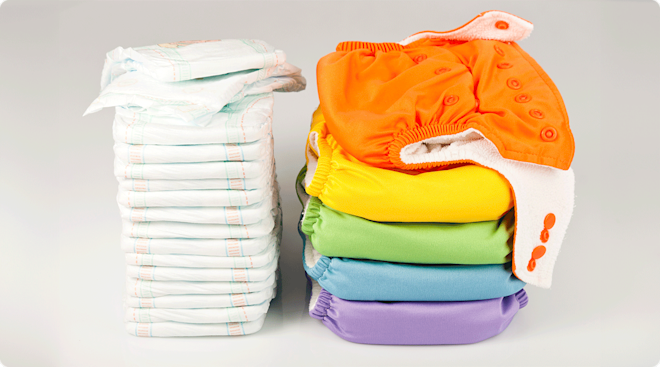
How to choose: a simple decision checklist
Ask yourself these quick questions
- Do you want to minimize monthly costs or reduce time? Choose cloth for cost, disposable for time.
- Is landfill waste a big worry? Cloth helps reduce it.
- Is your baby prone to rashes? Try cloth or fragrance-free disposables and watch skin response.
- Will you have more children? Cloth pays off faster with siblings.
Decision steps
- Try a small cloth starter pack for a week at home.
- Test two disposable brands for fit and comfort.
- Compare your time availability and laundry setup.
- Make a plan: cloth, disposable, or hybrid.
People also ask (PAA-style questions)
What is easier for day care or babysitters?
- Disposable diapers are usually easiest for caregivers. Many daycares prefer disposables for hygiene and handling ease.
Can cloth diapers cause leaks more often?
- They can, if not fitted or layered correctly. Proper inserts and fit usually solve leaks.
Do cloth diapers save money for one child?
- They can, but the savings are much larger if you use them for more than one child. Washing costs reduce net savings for single-child use.
Frequently Asked Questions of cloth diapers vs disposable diapers
What are the main benefits of cloth diapers?
Cloth diapers lower landfill waste and can cut long-term costs. They also tend to be gentler on sensitive skin when washed properly.
Are disposable diapers more convenient?
Yes. Disposable diapers are quick to use and require no laundry. They are ideal for busy schedules and childcare settings.
How often should I change cloth diapers?
Change cloth diapers every 2–3 hours for infants and when wet for older babies. Frequent changes prevent rashes and odors.
Can I mix cloth and disposable diapers?
Yes. Many families use a hybrid system. Cloth at home and disposables for outings balance convenience and savings.
Do cloth diapers increase laundry and water bills?
They do add laundry, but modern washers and efficient drying can keep costs moderate. The net cost depends on local utility rates and washing habits.
Conclusion
Both cloth diapers vs disposable diapers work well. Cloth saves waste and often money. Disposable offers unmatched convenience. Pick the system that matches your time, budget, and values. Try a small test, track costs and comfort, and adjust as your baby grows. Share your experience, ask questions, or subscribe for more parenting guides.