White noise often helps most babies fall and stay asleep better than silence.
As a pediatric sleep coach and parent who has tested methods with fussy sleepers, I’ll walk you through the science, safety, and real-world steps for choosing between white noise vs silence for baby sleep. This article covers definitions, benefits, limits, setup tips, and my hands-on experience so you can make a confident choice that fits your family and your baby’s needs.

How babies hear and why sound matters
Babies hear well from birth. Newborns are used to steady sounds from the womb. That steady sound helps them feel calm and secure.
Sound affects sleep cycles. Short noises can wake a light sleeper. Constant, predictable sounds can mask sudden sounds and help sleep last longer. Understanding this is key when weighing white noise vs silence for baby sleep.

What is white noise and how it works
White noise is a steady, even sound that contains all audible frequencies. It can come from machines, apps, fans, or special toys.
White noise masks sudden sounds. It creates a consistent background that reduces startle responses. Parents use it to create a sleep cue and a calm environment for naps and night sleep.

Benefits of using white noise for baby sleep
- Helps babies fall asleep faster. A steady sound gives familiar cues and soothes fussiness.
- Reduces night wakings from household noise. It masks traffic, doors, and voices.
- Creates a consistent sleep environment. That consistency helps with sleep training and naps.
- Portable and easy to use. Small machines or apps travel well and keep sleep routine steady.
I have used white noise on long road trips and at home. It shortened nap time fussing and improved longer stretches at night.

Benefits of silence for baby sleep
- Quiet rooms can promote deeper sleep when a baby is used to silence.
- Useful for older babies who need to learn self-soothing without external cues.
- No risk of volume-related hearing concerns when there is true silence.
- Easier to know when a baby needs help if there are no masking sounds.
In my experience, some babies who learn to sleep without noise adapt well to day care and new environments. Silence can build resilience to small sounds over time.
Risks and safety considerations for white noise
- Volume matters. Keep machines below a safe level to avoid hearing damage. Aim for 50-60 dB measured at a distance.
- Device placement. Place machines 6 feet away from the crib and not inside the crib.
- Dependency risk. Some babies form strong associations and may wake if the sound stops.
- Quality of sound. Avoid very high-pitched or irregular noise. Use steady, smooth sounds.
I learned to lower volume and put the machine across the room after reading safety guidance and observing my baby’s sleep cues.

Limitations and caveats of silence
- Household noise can wake sensitive babies. Silence is fragile in busy homes.
- Newborns who expect sound may resist quiet. They can be soothed by steady sound early on.
- Sudden noises can cause frequent arousals. This may reduce total sleep time for light sleepers.
If your house is lively, silence may be hard to maintain and less practical than white noise.
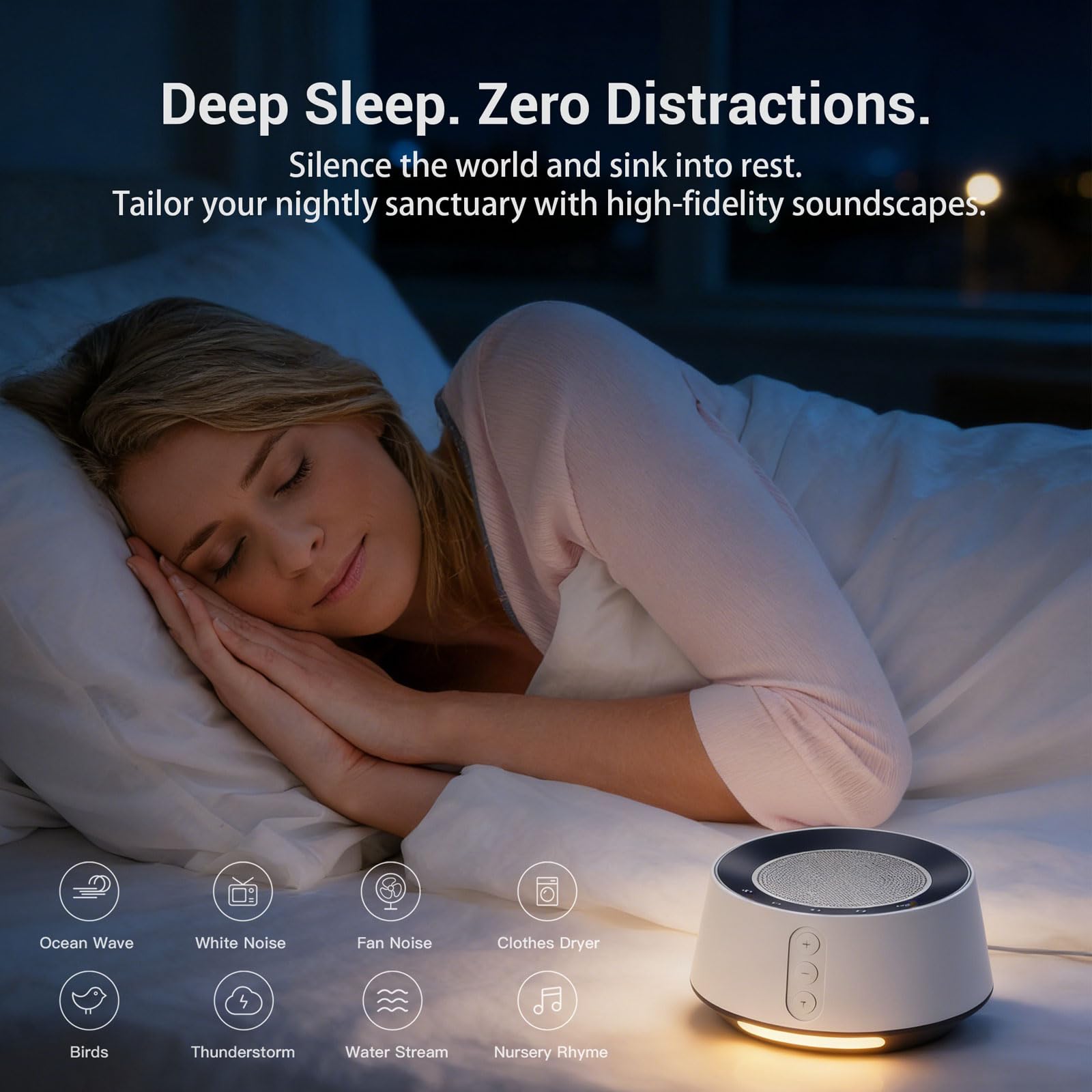
Practical comparison: white noise vs silence for baby sleep
- Ease of use
- White noise: Simple to turn on and consistent across rooms.
- Silence: Harder to control in a noisy home.
- Sleep duration
- White noise often increases continuous sleep blocks for many babies.
- Silence can lead to deeper sleep for babies already acclimated to quiet.
- Long-term effects
- White noise may create a sleep cue tied to the sound.
- Silence supports self-soothing without external aids over time.
Use this quick checklist to decide:
- Assess home noise level and schedule.
- Note your baby’s current sleep pattern.
- Try white noise for 1–2 weeks and observe changes.
- Try quiet periods to test tolerance and self-soothing.
This step-by-step test helped me find a balance with my own children. I started with gentle white noise and slowly reduced use as they learned to self-soothe.

How to introduce white noise safely and effectively
- Start with low volume and test from 6 feet away. Adjust slowly.
- Use simple, steady sounds. Avoid music or variable tracks at first.
- Make sound part of the sleep routine. Turn it on before sleep cues like bath or story.
- Limit total daily exposure. Turn the machine off once sleep is consolidated if possible.
- Gradually reduce volume or duration over weeks to avoid dependency.
A practical tip: keep the same sound for both day naps and night sleep to build a reliable cue.
When silence is the better choice
- Your home is quiet and predictable.
- Baby wakes more with continuous sound.
- You prefer no devices in the nursery.
- You want to encourage early self-soothing skills.
If you choose silence, create a calm pre-sleep routine and protect sleep time from sudden loud noises. Blackout curtains and white noise for short stretches during outings can still help.
Personal experience, mistakes, and lessons learned
- Mistake I made: I used a single mobile machine up close. My baby woke more often with the volume too high.
- Fix: I moved the machine across the room and lowered the volume. Sleep improved in days.
- Lesson: Expect gradual change. Try either method consistently for 7–14 nights.
- Tip: Mix approaches. Use white noise for naps and wean to quieter nights over months.
These small tweaks made a big difference with my second child. The key is observation and small steps.
People also ask
Does white noise harm baby hearing?
Used at safe volume and distance, white noise is unlikely to harm hearing. Keep devices below recommended decibel levels and place them away from the crib.
How loud should white noise be?
Aim for soft levels around 50-60 dB measured near the baby but several feet away from the crib. Start low and increase only if needed.
Can white noise help with colic or fussiness?
White noise can soothe some babies and reduce fussing by mimicking womb-like sounds. Results vary and it may help some babies more than others.
Frequently Asked Questions of white noise vs silence for baby sleep
Is white noise better than silence for newborn sleep?
For many newborns, white noise helps them fall asleep and stay asleep by matching prenatal sound patterns. Some newborns still prefer quiet; try both and watch your baby’s response.
Can white noise create sleep dependency?
Yes, some babies learn to rely on sound to fall asleep. Gradual weaning and pairing white noise with sleep skills can reduce dependency over time.
How long should I use white noise each night?
Use it throughout the initial sleep period and reduce use after your baby starts sleeping longer stretches. Aim to wean gradually over weeks or months.
What type of white noise is safest?
Steady, smooth sounds without sharp peaks are best. Simple fan-like or static sounds tend to work well.
When should I choose silence instead?
Choose silence if your home is quiet, your baby sleeps well without sound, or you want to encourage self-soothing. Experiment to find what works.
Conclusion
Choosing between white noise vs silence for baby sleep depends on your baby’s needs and your home. White noise often helps newborns and light sleepers sleep longer. Silence benefits babies already comfortable with quiet or when parents want no device reliance. Start simple, watch how your baby responds, and adjust volume and timing for safety. Try the methods for a few weeks, keep notes, and pick the approach that fits your family routine. Share your experience or questions below, and subscribe for more practical sleep tips and real-life advice.