Most babies can start solid foods around 6 months, when they show readiness signs.
Knowing when can babies start solid foods can feel like one of those parenting milestones that comes with a lot of opinions and not enough clear answers. I’ve seen this topic come up again and again, and the truth is that timing matters, but so does readiness. In this guide, I’ll walk you through the signs your baby is ready, what foods to offer first, what to avoid, and how to make the transition feel calm and safe for both of you.
When can babies start solid foods?
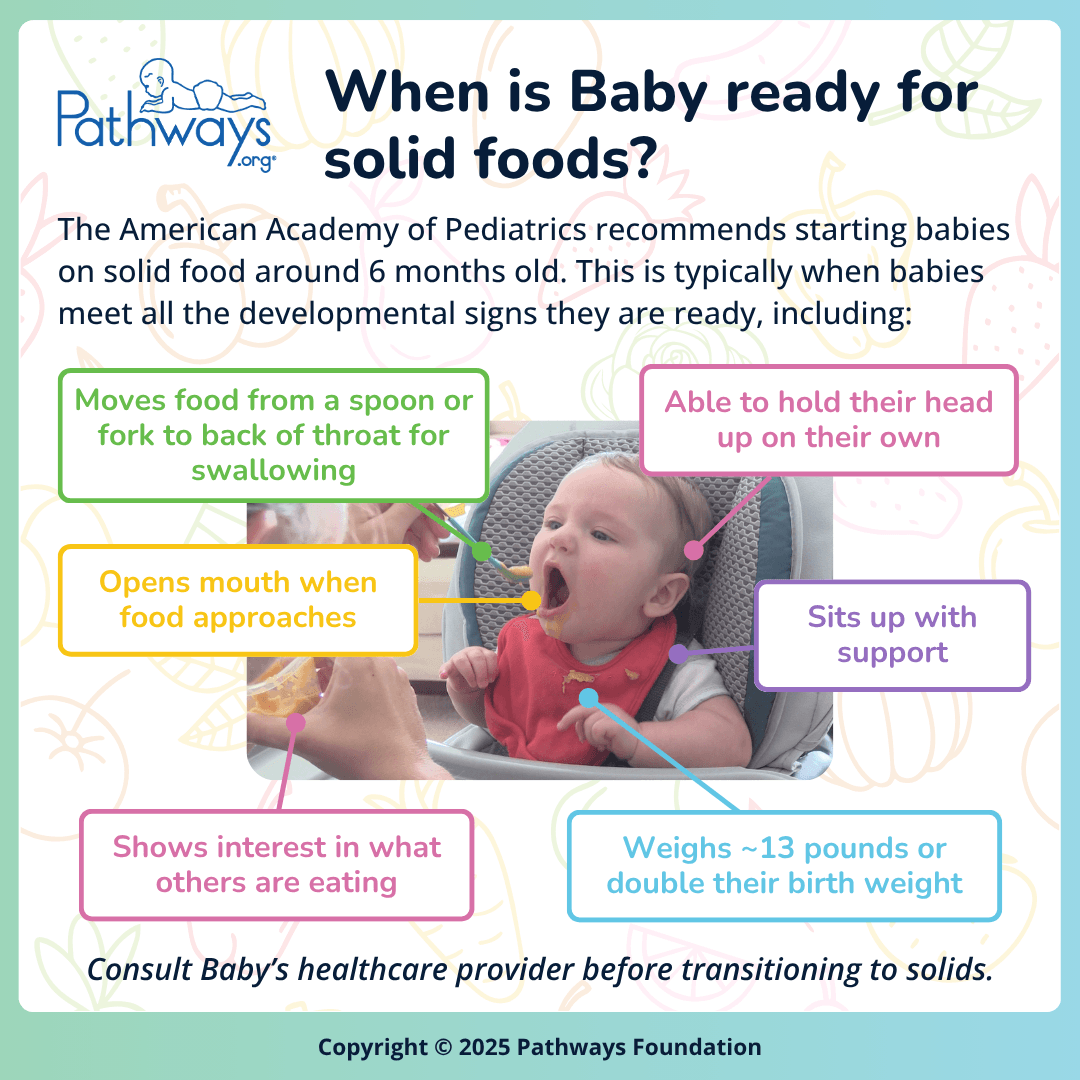
For most babies, the best time to start solid foods is around 6 months of age. That is the age when many babies can sit with support, hold their heads steady, and move food from the front of the mouth to the back to swallow.
The key point is that age alone is not enough. When can babies start solid foods depends on readiness signs, not just the calendar. Some babies may seem eager earlier, but starting too soon can increase the chance of choking or make feeding harder.
From a practical standpoint, I always tell parents to think of solids as a new skill, not a race. Breast milk or formula still gives most of the nutrition in the first year, and solids are there to complement, not replace, milk at the start.
Signs your baby is ready for solid foods
If you are wondering when can babies start solid foods, the best clue is your baby’s behavior. Readiness signs matter more than a milestone birthday.
Look for these signs:
- Baby can sit upright with support and has good head control.
- Baby opens the mouth when food comes near.
- Baby can move food from a spoon to the back of the mouth.
- Baby shows interest in food, like watching you eat.
- Baby seems less satisfied with milk alone, though this can happen for many reasons.
I’ve found that parents sometimes mistake curiosity for readiness. A baby grabbing at your plate is adorable, but that alone does not mean they are ready. Steady posture and head control are much more important.

Why waiting until about 6 months matters
The question of when can babies start solid foods is closely tied to development. Before about 6 months, most babies are not ready for the coordination needed to eat safely.
Waiting until the right time can help with:
- Better swallowing control
- Lower choking risk
- Easier digestion
- A smoother feeding experience
- Better acceptance of new textures later on
There is also a nutritional reason. By around 6 months, babies need more iron and zinc than breast milk or formula alone can fully provide. This is why iron-rich first foods matter so much.
What to feed first
Once you know when can babies start solid foods, the next question is what to serve. Start simple. The goal is not volume at first. The goal is practice.
Good first foods include:
- Iron-fortified infant cereal
- Pureed meat
- Mashed beans or lentils
- Soft avocado
- Cooked and mashed sweet potato
- Pureed or mashed fruits and vegetables
– Full-fat plain yogurt if your pediatrician says it is okay
In my experience, iron-rich foods are often overlooked by new parents. But iron is one of the biggest nutrients babies need at this stage. A spoonful of mashed lentils may not look fancy, but it does a lot of work for growing bodies.
Texture and progression
When can babies start solid foods is only part of the story. Texture matters too. Early solids should be soft, smooth, and easy to swallow.
A simple progression may look like this:
- Start with purees or very soft mashed foods.
- Move to thicker mashed textures as your baby handles them well.
- Offer soft finger foods when your baby can sit well and bring food to the mouth.
- Slowly increase texture over time.
Do not worry if your baby makes faces at first. That is normal. New textures can feel strange, just like learning to swim in shallow water before moving deeper.
Foods to avoid at the start
Knowing when can babies start solid foods also means knowing what not to offer. Some foods are unsafe because of choking risk, allergy concern, or immature digestion.
Avoid these at first:
- Honey before 1 year
- Whole nuts and seeds
- Grapes unless cut safely, and even then use caution
- Popcorn
- Hot dogs in round slices
- Hard raw vegetables
- Large chunks of meat or cheese
- Cow’s milk as a main drink before 12 months
I have seen well-meaning adults offer tiny bits of risky foods because they seem harmless. But small mouths and weak chewing skills need foods that are soft, thin, and easy to gum.
Allergens and when to introduce them
Many parents ask when can babies start solid foods and whether allergenic foods should wait. In most cases, common allergens do not need to be delayed once your baby is ready for solids.
Common allergens include:
- Peanut
- Egg
- Milk
- Wheat
- Soy
- Fish
- Shellfish
- Sesame
The current thinking is that early introduction, in age-appropriate forms, may help lower allergy risk for some babies. That said, if your baby has eczema, a strong family history of food allergy, or a past reaction, talk with your pediatrician first.
A good rule I often share is this: introduce one new food at a time and watch for signs of reaction. If your baby tolerates it, keep offering it regularly so it stays familiar.
How to start solids safely
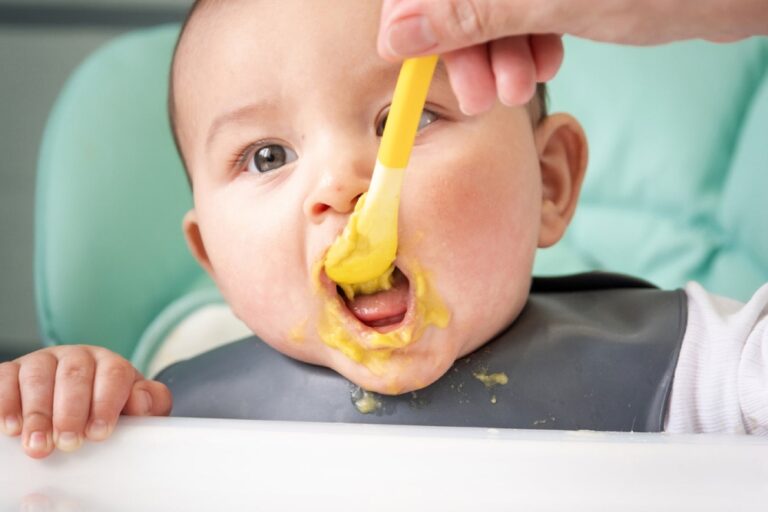
The safest way to begin matters just as much as when can babies start solid foods. A calm setup can make feeding easier and less stressful.
Try these steps:
- Sit your baby upright in a high chair or supported seat.
- Offer small amounts, about 1 to 2 teaspoons at first.
- Use a soft spoon and go slowly.
- Watch for gagging, which is common, and know the difference between gagging and choking.
- Keep mealtimes short and relaxed.
One mistake I see often is parents pushing too much food too fast. Babies learn best when meals feel low-pressure. If they turn away, close their mouth, or get upset, that is your cue to pause.
Baby-led weaning versus spoon-feeding
When can babies start solid foods often leads to another question: should you use purees or baby-led weaning? The answer is that both can work, as long as they are done safely.
Spoon-feeding with purees may be easier at first for many families. Baby-led weaning uses soft finger foods the baby picks up and feeds independently. Some parents use a mix of both, which can be a very practical middle path.
What matters most is safety, readiness, and nutrient quality. Choose the method that fits your baby’s development and your comfort level.
Common mistakes to avoid
If you are learning when can babies start solid foods, it helps to know the common pitfalls before they happen.
Watch out for these mistakes:
- Starting too early because of family pressure
- Offering unsafe textures or shapes
- Expecting babies to eat large amounts right away
- Using solids to replace milk too soon
- Skipping iron-rich foods
- Not watching for allergy signs
- Adding salt, sugar, or honey too early
A lot of feeding stress comes from expectation. Babies rarely eat like tiny adults. They need time, repetition, and patience, just like learning any new skill.
When to call the pediatrician
Most families can begin solids at home once their baby shows readiness. Still, there are times when it helps to check in with a healthcare professional.
Call your pediatrician if your baby:
- Was born premature and you are unsure about timing
- Has trouble sitting or controlling the head
- Coughs, gags, or chokes often with feeds
- Has eczema or possible food allergy concerns
- Refuses all foods beyond milk for a long time
- Seems to have trouble swallowing
If you are ever unsure, it is better to ask early. Feeding issues are much easier to address when they are caught soon.

Frequently Asked Questions of when can babies start solid foods
Can I start solids before 6 months?
Most babies should not start solids before about 6 months unless a pediatrician gives specific guidance. Earlier feeding can be hard on digestion and may raise choking risk if your baby is not developmentally ready.
What is the best first food for a baby?
Iron-fortified infant cereal, pureed meat, mashed beans, and smooth vegetable or fruit purees are all common first foods. Iron-rich choices are especially helpful because babies need more iron as they grow.
How do I know if my baby is choking or gagging?
Gagging is noisy and usually means your baby is working food back out, which is often normal at first. Choking is more serious and may mean the baby cannot breathe, cough, or make noise, so it needs immediate action.
Should I give water when starting solids?
Small sips of water may be offered once solids begin, but milk should still be the main drink in the first year. Too much water can fill your baby up and reduce milk intake, so keep it limited.
How many times a day should babies eat solids at first?
At the beginning, one small meal a day is enough for many babies. Over time, you can slowly increase to two or three meals as your baby shows interest and comfort with eating.
What if my baby refuses solids?
That is very common, and it does not usually mean something is wrong. Keep offering soft foods calmly, because babies often need repeated exposure before they accept a new taste or texture.
Conclusion
When can babies start solid foods? For most babies, around 6 months is the right time, as long as they show readiness signs like good head control and the ability to sit upright with support. The safest and most effective approach is to start slowly, choose soft and nutrient-rich foods, and keep milk as the main source of nutrition at first.
If you remember just one thing, let it be this: solids are a learning process, not a test. Stay patient, watch your baby’s cues, and bring in your pediatrician when you need extra guidance. If this guide helped you, save it, share it with another parent, or leave a comment with your own feeding journey.