Baby feeding cues are early body signals that tell you when your baby is hungry, full, or needs a break.
If you learn to read baby feeding cues well, feeding gets calmer, easier, and far less stressful for both of you. I’ve found that parents often worry about timing, ounces, or how often a baby “should” eat, but the real secret is watching the baby, not the clock. In this guide, I’ll walk you through the most common baby feeding cues, how to tell early hunger from late hunger, and what to do when feeding feels tricky.
What baby feeding cues mean
Baby feeding cues are the tiny signals babies use to communicate their needs before they can speak. These cues can show hunger, fullness, discomfort, or even a need for comfort. When you notice them early, you can respond before your baby gets upset.
In my experience, this is where many feeding problems start to improve. A baby who is fed at the right time often latches better, bottle-feeds more smoothly, and fusses less. That does not mean every feed will be perfect, but it does mean you get more chances to meet your baby where they are.
Baby feeding cues matter because crying is usually a late sign of hunger. By then, a baby may be too upset to feed calmly. Think of it like noticing rain clouds before the storm starts.
Common feeding cues include:
• Opening the mouth and turning the head side to side
• Rooting, which means searching with the mouth for a nipple
• Sucking on hands, fingers, or clothing
• Smacking lips or licking lips
• Becoming alert and restless
• Moving from calm to active, then to fussing if hunger grows
These signs are useful for breastfed babies and bottle-fed babies alike. They also matter for newborn feeding cues, infant feeding cues, and even older babies as they grow.

Early hunger cues to watch for
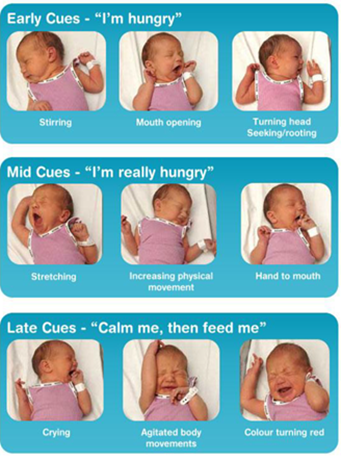
Early hunger cues are the best time to offer a feeding. Your baby is usually calm enough to focus and feed well. This is the sweet spot.
Here are the most common early baby feeding cues:
• Stirring from sleep and waking lightly
• Opening the mouth when touched on the cheek or lips
• Turning toward your chest or bottle
• Making small sucking motions
• Bringing hands to the mouth
• Reaching or nuzzling against your body
A baby showing early hunger cues may not cry at all. That is a good thing. It gives you a chance to feed before hunger becomes urgent.
One mistake I see often is waiting too long because a parent expects crying first. Babies do not always follow that pattern. Some give very clear early signals, while others are subtle and easy to miss.
If you are unsure, try offering a feed when you see two or more of these cues. Over time, you will start to notice your baby’s pattern.
Late hunger cues and why they matter
Late hunger cues mean your baby has moved from “I’m ready to eat” to “I’m getting upset.” Feeding is still possible, but it may take more time and patience. This is where many parents feel frustrated, especially in the first weeks.
Late baby feeding cues may include:
• Fussing or whimpering
• Flailing arms and legs
• Turning red
• Crying
• Arching the body
• Clenching fists tightly
Once a baby is crying hard, feeding can become harder. They may gulp air, struggle to latch, or push the bottle away. That is why early response is so helpful.
I’ve seen parents assume a crying baby must be hungry, but crying can also mean tiredness, gas, overstimulation, or discomfort. This is one reason baby feeding cues are so useful. They help you avoid guessing.
Fullness cues: knowing when your baby has had enough
Reading baby feeding cues is not only about hunger. It is also about fullness. Babies often tell you when they are done, even if the bottle or breast is still there.
Common fullness cues include:
• Slowing down during the feed
• Turning away from the nipple
• Closing the mouth
• Relaxing the hands and body
• Falling asleep after feeding
• Pushing the breast or bottle away
• Spitting out milk or milk dribbling more than usual
These cues help prevent overfeeding. That matters for comfort, digestion, and long-term feeding habits. It also helps babies learn to trust their own hunger and fullness signals.
For breastfed babies, fullness often looks like a relaxed body and natural release from the breast. For bottle-fed babies, it may look like stopping sucking and no longer showing interest. Either way, the message is the same: the meal is over.
How baby feeding cues change by age
Baby feeding cues are not exactly the same at every age. Newborns usually give very subtle signals. Older babies may be a little more direct and active.
In the first few weeks, cues can be small and easy to miss. You may see tiny mouth movements, eye fluttering, or hand-to-mouth motions. Newborns also sleep a lot, so hunger cues may appear during light sleep.
As babies grow, they often become more active before feeding. They may reach for food, bounce with excitement, or make sounds when they see the bottle or breast. Later, solid food cues start to appear too, such as leaning forward or opening the mouth when food is near.
A few age-related patterns to know:
• Newborns often feed every 2 to 3 hours, sometimes more often
• Older infants may stretch feeds a little longer
• Growth spurts can increase hunger for short periods
• During illness or teething, cues may look less clear
This is where flexibility matters. Feeding patterns can shift from day to day. Baby feeding cues give you the real-time picture.
Breastfeeding cues vs bottle feeding cues
The core baby feeding cues are similar for breastfed and bottle-fed babies, but the feeding style can change how they look. A breastfed baby may root more clearly and nuzzle against the chest. A bottle-fed baby may get excited when they see the bottle and move their head toward it.
For breastfeeding, look for:
• Rooting
• Nuzzling
• Hand-to-mouth motion
• Mouth opening wide
• Searching movements at the chest
For bottle feeding, look for:
• Turning toward the bottle
• Opening the mouth before the nipple touches the lips
• Sucking eagerly when feeding starts
• Slowing down or stopping when full
Both methods work best when you follow the baby’s lead. If you push feeding too early, your baby may not be ready. If you wait too long, they may get too upset to eat well.
From practical experience, paced bottle feeding can help you read baby feeding cues more clearly. It gives the baby breaks and makes it easier to notice when they are full. That can be a big help for parents who want to avoid overfeeding.
Why some baby feeding cues are easy to miss
Not every baby is loud about hunger. Some babies are quiet, sleepy, or very subtle. Premature babies, babies with jaundice, and babies who are not feeling well may show weaker cues.
Some common reasons cues are easy to miss include:
• Baby is very sleepy
• The room is busy or overstimulating
• Baby has already passed early hunger cues
• Baby has a different temperament
• Feeding has become routine and you are watching the schedule more than the baby
This is one reason I always tell parents to watch for patterns. If your baby often roots after waking or sucks on hands before fussing, that is their language. The more you notice it, the easier feeding becomes.
If a baby seems hard to read, a feeding log can help. Write down the time, the cue you saw, and how the feed went. Over a few days, patterns often show up.
Practical tips for responding to baby feeding cues
A good response is simple, calm, and early. You do not need to do everything perfectly. You just need to notice and react with consistency.
Here are helpful ways to respond:
• Offer feeding when early cues appear
• Keep the room calm and low-stress
• Hold your baby close and support the head and neck
• Pause often during bottle feeds
• Watch for slowing or stopping
• Burp as needed, especially if your baby seems uncomfortable
A small tip from real life: try not to force the feed to finish. That can make babies associate feeding with pressure. Instead, let the baby show you when they are done.
Also, trust your instincts. Parents often know more than they think. If something feels off, it is okay to pause and reassess.
When baby feeding cues may signal a problem
Most feeding cues are normal, but some signs need a closer look. If your baby is not feeding well, seems weak, or is hard to wake, that may need medical attention. This is especially important for newborns.
Call your pediatrician if you notice:
• Fewer wet diapers than expected
• Poor weight gain
• Weak sucking
• Very sleepy behavior during feeds
• Repeated vomiting
• Signs of dehydration such as dry mouth or fewer tears
• Trouble breathing while feeding
Babies can also show cues that seem like hunger but are actually discomfort. Reflux, gas, illness, or a poor latch can all affect feeding. If the pattern feels unusual, do not wait too long to ask for help.
I always tell parents that trust is important, but so is backup. If your baby’s feeding cues change suddenly, it is worth checking in with a pediatrician or lactation consultant.
Common mistakes parents make with baby feeding cues
Even caring parents can miss the mark sometimes. That is normal. Feeding is a learning process, and babies do not come with a manual.
Common mistakes include:
• Waiting for crying every time
• Feeding by the clock only
• Missing early cues because of distractions
• Overfeeding when the baby slows down
• Assuming every fuss means hunger
• Ignoring signs of fullness
One of the biggest lessons I’ve seen is that babies do best when we follow their cues, not our fears. If you are constantly trying to “finish the bottle” or stick to a rigid schedule, feeding can become tense. Relaxed feeding usually works better for everyone.
The good news is that these mistakes are fixable. Once you start noticing baby feeding cues, your confidence grows fast.
Baby feeding cues and starting solids
When babies get older, feeding cues also apply to solid foods. Usually, readiness for solids is based on development, not just hunger. A baby may show interest in food, but they also need the physical ability to sit with support and move food safely in the mouth.
Readiness signs for solids may include:
• Sitting with support
• Good head and neck control
• Opening the mouth when food is offered
• Leaning toward food
• Losing the tongue-thrust reflex
• Showing interest in what others are eating
Even after solids begin, milk still matters a lot in the first year. Breast milk or infant formula remains the main source of nutrition for infants. Solids are a new skill, not a full replacement.
This is another reason baby feeding cues are so important. They help you know whether your baby wants milk, is curious about food, or is simply done.
Frequently Asked Questions of baby feeding cues
How do I know if my baby is hungry or just wants comfort?
Hunger cues usually include rooting, hand-to-mouth movement, and active searching for the breast or bottle. Comfort-seeking may look more like wanting to be held, soothed, or rocked without clear feeding behavior.
What are the first signs of hunger in a baby?
Early signs often include stirring, lip smacking, sucking on hands, and turning toward the breast or bottle. These cues usually appear before crying starts.
Can a baby feed too often if I follow feeding cues?
Most babies will self-regulate when caregivers respond to cues. If your baby wants to feed very often and seems unsettled, it may be worth checking for latch issues, reflux, or another concern.
Why does my baby cry before feeding cues are obvious?
Some babies move through hunger stages quickly, so the early cues can be easy to miss. Try watching for subtle signs after naps or during times when your baby usually feeds.
Should I wake my baby for feeding cues?
Newborns, especially those who are premature or not gaining weight well, may need to be woken for feeds. For healthy babies, your pediatrician can guide you on whether waking is needed.
Conclusion
Baby feeding cues are one of the clearest ways your baby communicates with you long before words arrive. When you learn the signs of hunger, fullness, and discomfort, feeding becomes more peaceful and more responsive. That can make a real difference in daily life, especially during the newborn stage.
The biggest takeaway is simple: watch your baby, not just the clock. Start with early cues, respond calmly, and notice how your baby shows they are full. If feeding ever feels confusing or stressful, trust yourself enough to ask for help and keep learning along the way.
If this guide helped you, explore more baby care resources, share it with another parent, or leave a comment about the feeding cues you notice most often.