Traveling with a newborn guide means planning for feeding, sleep, safety, and flexibility before you leave.
Traveling with a newborn guide experience taught me that the trip gets easier when you stop chasing perfection and start planning for real life. New parents do not need a flawless itinerary; they need simple systems, a calm mindset, and a few smart habits that protect the baby’s routine while still letting the family enjoy the journey.
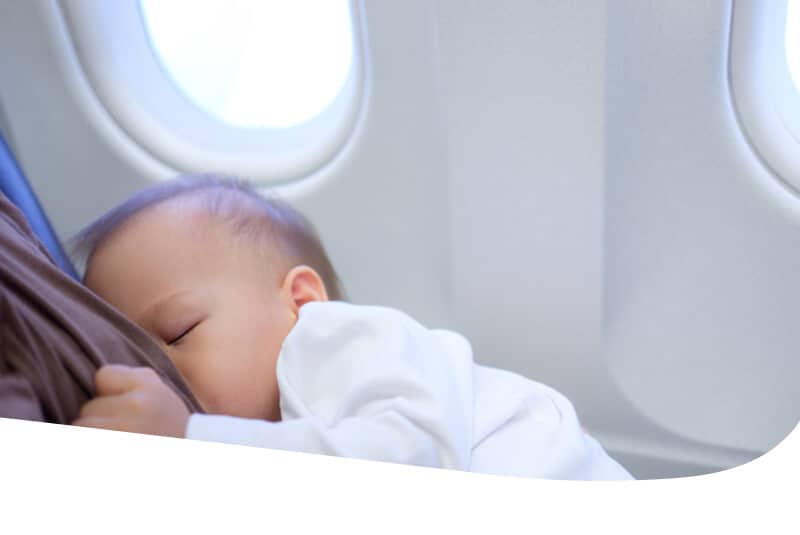
What traveling with a newborn guide really means
Traveling with a newborn guide is not just a packing list. It is a practical way to help you move through airports, car rides, hotel stays, and family visits with less stress and more confidence. The goal is to keep your baby fed, comfortable, clean, and safe while giving yourself enough room to adapt when plans change.
From my own experience, the biggest mistake first-time parents make is assuming the baby will follow the travel schedule. Newborns do better when the schedule follows them, not the other way around. That shift in mindset makes traveling with a newborn guide much more useful, because it focuses on comfort and flexibility instead of control.
Experts in infant care and pediatric travel often stress the same basics: protect feeding, sleep, temperature, and hygiene. Those four things drive most of the travel decisions you will make with a newborn. If you build around them, the rest becomes much easier.
When it is safe to travel with a newborn
The best time to travel depends on your baby’s health, your doctor’s advice, and how far you are going. Many families wait until after the first pediatric checkup, while some travel earlier for urgent reasons or family support. A traveling with a newborn guide should always include a reminder to ask your pediatrician before any long trip, especially if your baby was premature or has medical needs.
In general, short car trips can be easier than flights because you can stop often and control the environment. Air travel can be safe for healthy newborns, but crowded airports and exposure to germs are real concerns. If your baby has fever, trouble breathing, jaundice concerns, or feeding issues, it is better to pause and get medical advice first.
A good rule is to choose the lowest-stress option for your first few trips. If you have a choice between a long drive and a flight, think about feeding breaks, diaper changes, and how your baby handles motion. For many parents, the “easier” trip is the one with fewer moving parts.
Planning before you leave
Good planning is the heart of traveling with a newborn guide. A little prep can save you from a lot of panic later. I learned this the hard way when I packed extra clothes for the baby but forgot a spare shirt for myself after a diaper explosion in the car.
Start by thinking through the trip from door to door. Not just the destination. Your baby will need care at home, in transit, and on arrival, so pack for each stage.
Choose the right time of day
Try to leave when your baby is most likely to sleep, often after a feed. This does not guarantee a smooth ride, but it can reduce crying time and help everyone settle in. Early morning departures are often easier because traffic is lighter and babies may be calmer.
Build in extra time
Newborn travel almost never runs on schedule. Add buffer time for feeding, diaper changes, burping, and surprise messes. If you think you need 30 minutes, give yourself 60.
Check your destination
Before you go, confirm these basics:
- Safe sleep space for the baby
- Clean water access for formula preparation, if needed
- Nearby pharmacy or urgent care
- Heating and cooling options in the room
- Elevator access if you are carrying gear
If you are visiting family, ask ahead about pets, smoke exposure, and quiet sleeping areas. These details may seem small, but they matter a lot when your baby is brand new.
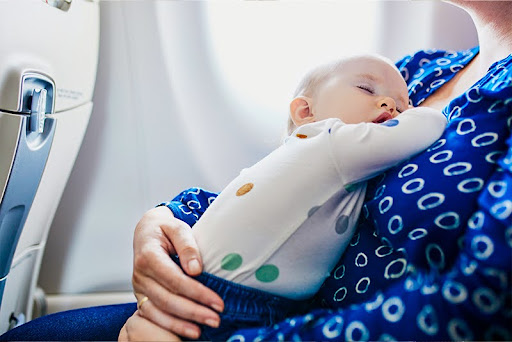
What to pack for traveling with a newborn
Packing is where traveling with a newborn guide becomes very practical. The goal is to bring enough, not everything you own. Overpacking makes travel harder, but underpacking creates stress fast.
A simple rule is to pack for more than you think you need, but keep it organized in separate groups. That way you can find things quickly when the baby is crying and your brain feels foggy.
Essential packing list
- Diapers, more than you expect to use
- Wipes and diaper cream
- Burp cloths
- Extra outfits for the baby
- One or two extra outfits for you
- Swaddles or sleep sacks
- Bottles, formula, and/or breast pump supplies
- Pacifiers, if your baby uses them
- Baby-safe hand sanitizer or wipes
- A first-aid kit with infant basics
- Blankets for layering
- Baby carrier or wrap
- Stroller or travel stroller
- Car seat approved for your baby’s age and weight
If you are flying, keep feeding items and one full outfit change in your carry-on. That is the bag you want close when delays happen.
How to organize the bag
Use small pouches or zip bags for categories. Keep diapers in one section, feeding items in another, and clothes in a separate pouch. This is one of those tiny tricks that feels silly until you are standing in a restroom stall at 6 a.m. trying to find a clean onesie.
Labeling is helpful too. Even if you do not usually label things at home, travel makes it worth the effort. The more tired you are, the more you will appreciate simple organization.
Feeding while traveling with a newborn
Feeding is one of the biggest parts of traveling with a newborn guide because it affects comfort, sleep, and mood. A hungry newborn can go from calm to upset very fast. Plan feeds before you leave and expect to feed more often than usual.
If you breastfeed, wear easy-access clothing and bring a cover only if you like using one. If you bottle-feed, pack enough clean bottles and a clear system for mixing or warming if needed. If your baby takes pumped milk or formula, bring extra supplies in case of delays.
A few useful tips:
- Feed before boarding a plane or starting a car ride
- Burp the baby after feeds to reduce gas discomfort
- Keep feeding supplies easy to reach
- Store milk safely and follow temperature rules carefully
- Ask about travel-friendly formula options if you are unsure what to bring
One lesson I learned early was to stop assuming the next feed would happen exactly on time. Travel, noise, and temperature changes can shift a newborn’s cues. Watching the baby matters more than watching the clock.
Sleep and comfort on the move
Sleep is fragile during travel. New sights, new sounds, and changed routines can make a newborn fussier than usual. That is normal. A traveling with a newborn guide should help you protect sleep as much as possible without expecting perfect naps.
Try to recreate familiar sleep cues. Use the same swaddle, the same lullaby, or the same white noise machine if you can. Even tiny routines can help a newborn feel safer in an unfamiliar place.
Useful sleep tips include:
- Keep the baby’s sleep surface firm and flat
- Follow safe sleep guidance at every stop
- Avoid loose blankets, pillows, or soft bedding
- Use white noise to mask sudden sounds
- Dim lights during naps and night sleep
- Try not to overstimulate the baby right before rest
If your trip includes a hotel or relative’s house, set up the sleep area before the baby gets overtired. Tired newborns can become harder to settle, and everyone feels it. Think of sleep like a charging cable: if you wait too long, the battery runs too low.
Traveling by car with a newborn
Car travel is often the most common part of traveling with a newborn guide. It gives you more control than flying, but it still comes with safety and comfort rules. The most important one is using the car seat correctly every time.
Car seat safety basics
A newborn should ride in a rear-facing car seat that fits their weight and height. The seat should be installed tightly and positioned according to the manufacturer’s instructions and your vehicle manual. If you are not sure, many local fire departments, hospitals, or certified child passenger safety technicians can help check it.
Do not leave a newborn in a car seat for long stretches outside the car. Car seats are for travel, not for sleeping in the car seat once you arrive. When the trip ends, move the baby to a safe sleep space as soon as you can.
How to make road trips easier
- Stop every 1.5 to 2 hours for feeds and diaper checks
- Keep the car cool but not cold
- Avoid too many layers that can overheat the baby
- Bring a shade for windows if sunlight is strong
- Keep one adult near the baby whenever possible
From experience, road trips go better when you stop before things get bad. Waiting until the baby is fully upset usually makes the break longer and harder.
Flying with a newborn
Flying is manageable with the right expectations. In traveling with a newborn guide planning, air travel usually needs the most preparation because of security, timing, noise, and pressure changes. It can still be done safely for healthy babies, but it is not the kind of trip you want to improvise.
Before the flight
Check airline policies on lap infants, bassinets, and stroller or car seat rules. Some airlines allow early boarding for families, which can reduce stress. If possible, choose a direct flight to cut down on delays and handoffs.
During the flight
Feeding during takeoff and landing may help with ear pressure. Keep supplies within reach, not buried in overhead bags. If the baby cries, stay calm. Babies cry on planes, and most people understand more than new parents expect.
Security and airport tips
- Pack liquids and formula according to TSA rules
- Keep documents accessible
- Use a baby carrier for hands-free movement when allowed
- Arrive early, but not so early that you exhaust yourself
- Ask for help when needed
The airport can feel intense, but it is usually just a series of small tasks. Once you break it into steps, it becomes easier to manage.
Staying healthy and reducing germ exposure
Newborns have delicate immune systems, so hygiene matters a lot during travel. That does not mean you need to fear every surface, but it does mean you should be thoughtful. The best traveling with a newborn guide always includes infection prevention.
Wash your hands often, especially before feeding and after diaper changes. Ask people not to kiss the baby’s face or hands. If someone is sick, it is okay to keep the visit short or skip it.
Helpful health habits:
- Carry hand sanitizer for adults
- Wipe down high-touch surfaces if needed
- Limit crowded indoor stops when possible
- Keep the baby away from visibly sick people
- Watch for signs of fever, poor feeding, or unusual sleepiness
Trust your instincts. If your baby seems “off,” do not brush it aside just because you are traveling. Babies often show discomfort in quiet ways first.
Managing stress as a new parent
Travel is not just hard on babies. It is hard on parents too. Sleep loss, feeding worries, and family expectations can make everything feel heavier than it should. A traveling with a newborn guide should include care for you, not just the baby.
Lower your standards for the trip. You do not need perfect photos, a spotless bag, or a packed sightseeing schedule. You need enough rest, enough support, and enough grace to get through the day.
A few ways to stay grounded:
- Pick one main goal for the trip
- Let someone else carry bags when possible
- Take turns with your partner or support person
- Eat and drink water regularly
- Rest when the baby rests, if you can
I have found that parents often do better when they stop trying to “win” travel. A smooth trip with one delayed nap is still a successful trip. The win is getting there safely with your sanity intact.
Common mistakes to avoid
A strong traveling with a newborn guide also tells you what not to do. A lot of stress comes from small mistakes that are easy to prevent once you know them.
Common mistakes include:
- Packing too little formula, diapers, or spare clothes
- Ignoring the car seat manual
- Booking an overly busy itinerary
- Forgetting feeding supplies in checked luggage
- Overheating the baby with too many layers
- Skipping rest because you want to keep up with plans
One of the biggest mistakes is expecting the baby to adapt to adult convenience. Newborns do not care about schedules, and that is okay. Build the trip around the baby’s needs, and you will usually have fewer problems.
Sample travel checklist for newborn parents
If you want a simple planning tool, use this checklist before leaving:
- Pediatrician cleared the trip, if needed
- Car seat installed correctly
- Diapers and wipes packed
- Feeding supplies ready
- Extra outfits packed
- Safe sleep setup confirmed
- Medications and baby basics packed
- Documents and IDs accessible
- Destination checked for baby-friendly conditions
- Transportation plan confirmed
Print it, save it on your phone, or write it on a sticky note. The best checklist is the one you will actually use.
Frequently Asked Questions of traveling with a newborn guide
When can I travel with a newborn for the first time?
Many healthy newborns can travel after their first pediatric visit, but the right timing depends on your baby’s health and your doctor’s advice. If your baby was premature or has medical concerns, ask your pediatrician before making plans.
Is it safe to fly with a newborn?
Flying can be safe for healthy newborns, but it depends on the baby’s age, health, and the airline environment. Because airports and planes expose babies to more germs, many parents prefer to wait unless the trip is necessary.
How long can a newborn stay in a car seat?
A newborn should not stay in a car seat for long periods outside the car. For road trips, it is best to stop regularly for feeds, diaper changes, and movement, and to move the baby to a safe sleep space once you arrive.
What should I pack for a newborn on a trip?
Pack diapers, wipes, extra clothes, feeding supplies, burp cloths, a safe sleep setup, and a car seat. It also helps to bring a few comfort items your baby already knows, like a swaddle or pacifier.
How do I keep my newborn calm while traveling?
Keep feeds, naps, and comfort routines as close to normal as possible. A familiar swaddle, gentle motion, and a calm voice can help your baby settle in a new place.
Conclusion
Traveling with a newborn guide is really about preparation, flexibility, and calm problem-solving. When you focus on feeding, sleep, safety, and comfort, the trip becomes much more manageable. You may not control every detail, but you can control how ready you are.
The best advice is simple: plan for the basics, leave room for change, and trust yourself more than the schedule. If you are getting ready for your first trip, start with one small step today, whether that is packing the diaper bag or checking the car seat. And if you want more practical parenting travel tips, keep exploring trusted baby care resources and share your own travel lessons with other parents.