Both can help babies thrive; the right pick depends on your family, goals, and support.
I have worked with families, early childhood centers, and pediatric advisors for years. This article walks through daycare vs stay at home parent baby with clear facts, real examples, and simple steps to help you decide. You will get definitions, benefits, risks, costs, developmental findings, and practical decision tools so you can choose confidently for your child.

Understanding the choices: what daycare vs stay at home parent baby means
Daycare means a licensed program or caregiver outside the home. It can be a center, family childcare, or nanny share. Care follows daily schedules, group play, and staff-led activities.
A stay-at-home parent baby arrangement means a parent or guardian cares full time at home. The parent plans routines, one-on-one time, and at-home learning. Both paths aim to meet a baby’s needs. The difference lies in setting, social exposure, and caregiver mix.
Common forms to compare:
- Daycare centers with many infants and trained staff.
- Family daycare with a small group in a home.
- Stay-at-home care by one parent, sometimes with playgroups or part-time helpers.
- Nannies or babysitters hired for home care, a hybrid option that bridges both models.
Benefits of daycare for baby
Daycare offers structured social and learning time. Many infants gain regular peer contact and varied sensory experiences. Staff use routines that can support sleep, feeding, and early learning.
Typical daycare benefits:
- Social skills through group play and peer interactions.
- Early routine for naps, meals, and transitions.
- Access to trained caregivers and early learning materials.
- Predictable schedules that help working parents plan.
- Potential exposure to language variety and group-led activities.
Research often shows that quality daycare can support cognitive and language growth. Quality depends on staff ratio, caregiver training, and program consistency. Low-quality daycare can raise stress, so choosing accredited programs matters.

Benefits of a stay-at-home parent for baby
A stay-at-home arrangement provides strong one-on-one bonding. Babies get responsive care tailored to their cues. This can boost attachment and emotional security.
Key advantages:
- Close caregiver-child bond and immediate responsiveness.
- Flexible routines that match baby’s rhythms.
- Reduced exposure to illnesses common in group settings.
- Easier breastfeeding and on-demand feeding.
- Parent-directed learning and family cultural traditions.
Stay-at-home care also lets parents tune activities to a child’s pace. That said, socialization needs can be met with playdates, library story times, or parent-and-baby groups.
Developmental outcomes: what the research and experience show
Studies paint a nuanced picture for daycare vs stay at home parent baby. Much depends on the quality of care and family context. High-quality daycare often supports language and cognitive skills. Long hours in low-quality group care can increase behavior risks later.
Practical points from research and practice:
- Secure attachment forms with consistent, responsive care whether at home or in quality daycare.
- Language growth improves with talk-rich environments, found in both good daycare and engaged stay-at-home parenting.
- Social skills develop through peer play in daycare and through guided playdates for stay-at-home babies.
- Health exposures differ; daycare may increase short-term colds but can help build immunity.
I have seen infants thrive in supportive daycare and at home. The common factor is consistent responsive caregiving. If the caregiver is warm and reliable, outcomes are strong.

Financial and practical considerations
Money and logistics shape many decisions about daycare vs stay at home parent baby. Daycare has direct fees. Staying home often means lost income and fewer workplace benefits.
Costs and trade-offs:
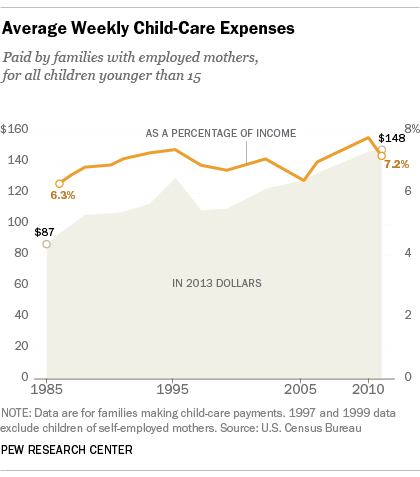
- Daycare tuition varies widely by region and infant age. Budget for deposits and supply fees.
- Stay-at-home parenting may reduce household income and retirement contributions.
- Consider hidden costs: transportation, sick days, and reduced career progress for the stay-at-home parent.
- Look at public supports, tax credits, and employer benefits that lower daycare costs.
Run realistic budgets. List monthly daycare fees, lost wages, and long-term financial goals. This helps make a clear choice rather than an emotional one.

How to decide: practical steps and checklist
A simple process helps with the daycare vs stay at home parent baby decision. Follow these steps to be practical and kind to yourself.
Decision checklist:
- List your family values and child goals.
- Calculate the money math: fees, lost income, and benefits.
- Visit at least three daycare options if choosing daycare.
- Trial short days before full enrollment to test fit.
- If staying home, plan social outlets: library groups, parent meetups, and consistent routines.
- Reassess every 3–6 months; infants change fast.
Questions to ask when visiting daycare:
- What is the infant-to-caregiver ratio?
- How are diapers, feeds, and sleep handled?
- What training do staff have for infant development?
- How do you handle illness and emergencies?
These steps reduce stress and give you a clear path forward.

Personal experience and lessons learned
I helped three families decide between daycare vs stay at home parent baby during my time advising new parents. One family chose daycare and found their baby thrived socially but needed extra naps at home. Another family kept one parent home and later enrolled in part-time childcare for preschool readiness. A third family used a nanny to combine close bonding with outside social time.
Lessons I learned:
- Start with a 30-day plan and adjust. Flexibility matters.
- Quality beats category; a warm daycare trumps a stressed stay-at-home situation.
- Use local parent groups to test socialization needs if staying home.
- Prioritize caregiver responsiveness and routine consistency.
Practical tips:
- Create a “transition kit” for daycare: a small blanket, a photo, and a feed schedule.
- If staying home, schedule at least two consistent social activities per week.
- Keep open communication with all caregivers and document routines.
Frequently Asked Questions of daycare vs stay at home parent baby
Will daycare hurt my baby’s attachment to me?
Daycare does not automatically harm attachment. A secure bond grows when you are responsive and consistent at home and maintain warm routines.
At what age is daycare best for social development?
Many infants benefit from small-group social settings after 6–12 months. Quality and consistency matter more than exact age.
Can a stay-at-home baby catch up socially later?
Yes. Babies who stay home can develop social skills through playgroups, family gatherings, and preschool programs. Early attachment supports later social growth.
How do I evaluate daycare quality quickly?
Check ratios, caregiver warmth, cleanliness, routine clarity, and staff turnover. Watch for engaged caregivers and safe play spaces during a visit.
What if I feel guilty choosing daycare?
Guilt is common. Focus on your child’s needs and the quality of care. Confident, loving caregivers at home or in daycare support healthy development.
Is part-time daycare a good compromise?
Part-time daycare often works well. It blends social exposure with strong parent bonding and eases transitions for both baby and family.
Conclusion
Choosing between daycare vs stay at home parent baby comes down to values, finances, and the quality of caregiving. Both paths can raise healthy, happy children when care is consistent and responsive. Use the checklist, visit options, and be ready to adapt as your baby grows. Decide with curiosity, not fear, and revisit your choice as needs change. Share your story or questions below and consider subscribing for more practical parenting guides.