Baby wake windows by age help you know when to feed, play, and rest before overtiredness starts.
If you have ever stared at a yawning baby and wondered, “Is it nap time already?”, you are not alone. Baby wake windows by age are one of the simplest tools for reading your baby’s sleep needs, and they can make daily life feel much calmer once you understand how they work. As a parent who has spent years studying infant sleep patterns and helping families build realistic routines, I can say this: the right wake window is less about perfect timing and more about learning your baby’s natural rhythm.

What wake windows mean and why they matter
A wake window is the amount of time your baby stays awake between naps or before bedtime. During that time, your baby eats, plays, and interacts with the world, then begins to get tired again.
This matters because babies do not handle long awake periods the same way older children do. If a wake window is too short, your baby may resist sleep because they are not tired enough. If it is too long, overtiredness can kick in, and that often leads to fussing, short naps, and harder bedtimes.
In my experience, this is where many parents get stuck. They think sleep problems mean something is “wrong,” when often the real issue is just timing. Baby wake windows by age give you a starting point, like a map before you learn the road by heart.
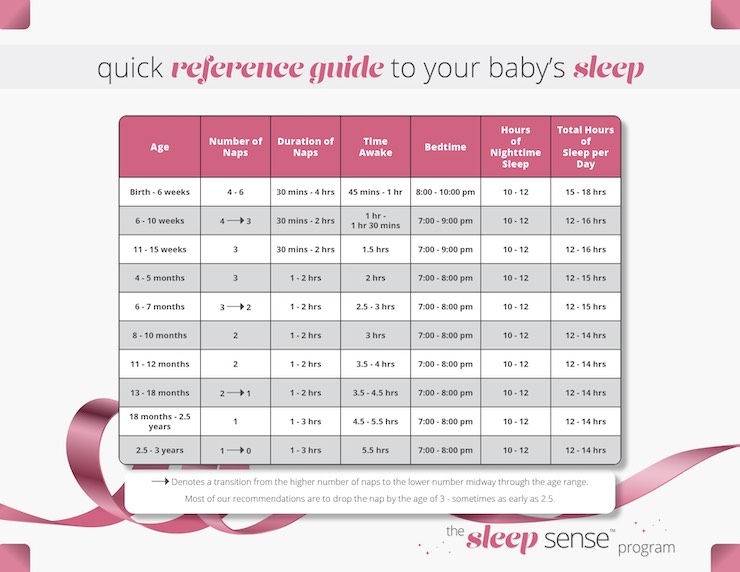
Baby wake windows by age chart
Here is a simple age guide you can use as a starting point. Every baby is different, so think of these ranges as flexible windows, not strict rules.
- Newborn to 2 weeks: 35 to 60 minutes
- 2 to 6 weeks: 45 to 60 minutes
- 6 to 12 weeks: 45 to 75 minutes
- 3 to 4 months: 1 hour to 1 hour 30 minutes
- 4 to 5 months: 1 hour 30 minutes to 2 hours
- 5 to 6 months: 2 to 2 hours 30 minutes
- 6 to 8 months: 2 hours to 3 hours
- 8 to 10 months: 2 hours 30 minutes to 3 hours 30 minutes
- 10 to 12 months: 3 hours to 4 hours
- 12 to 18 months: 4 to 5 hours
These ranges line up with common infant sleep recommendations and developmental sleep needs, but your baby may sit a little below or above the average. That is normal.
Baby wake windows by age in the newborn stage
Newborn wake windows are very short because newborns get tired fast. They are still adjusting to life outside the womb, and even simple things like feeding and eye contact can use up their energy.
For the first few weeks, many newborns do best with wake windows of 35 to 60 minutes. That time often includes feeding, burping, a diaper change, and a tiny bit of cuddle time.
A mistake I see often is waiting for a newborn to look obviously sleepy. By the time you see strong sleepy cues, the baby may already be overtired. In this stage, it helps to watch the clock as much as the baby.
Helpful signs your newborn may be ready for sleep:
- Yawning
- Staring off
- Slowing movements
- Red eyebrows
- Fussing after a short awake time
Baby wake windows by age from 2 to 6 months
This is one of the biggest transition periods. Your baby becomes more alert, starts noticing the world, and can usually stay awake longer.
Between 2 and 6 months, wake windows often stretch from about 45 minutes to 2 hours 30 minutes depending on age. Sleep patterns can still be messy here, especially around the 4-month sleep shift, when sleep cycles mature and naps may get shorter.
I often tell parents that this stage feels like learning to catch a moving target. One week your baby needs a short wake window, and the next week they seem ready for more. That is why small adjustments matter more than rigid schedules.
A simple way to handle this age range:
- Watch for gradual changes in mood and energy
- Increase wake time by 10 to 15 minutes at a time
- Use the first nap of the day as your best sleep clue
- Keep the last wake window shorter if bedtime gets rough
Baby wake windows by age for 6 to 12 months
From 6 to 12 months, most babies can stay awake for longer periods. They are more active, rolling, crawling, cruising, and often more interested in their surroundings.
Wake windows in this stage usually range from about 2 hours to 4 hours. Many babies move from three naps to two naps during this period, which is a major shift for the whole day.
This is also when timing bedtime becomes really important. If naps are short, you may need an earlier bedtime to avoid an overtired spiral. I learned this the hard way with a family I worked with who kept pushing bedtime later, hoping for a “good nap rescue.” Instead, the baby got more wired, not more rested.
Signs your baby may need a longer wake window:
- They fall asleep too fast for every nap
- Naps are very short but they seem happy afterward
- They fight naps because they are not sleepy enough
Signs the wake window may be too long:
- Crying before sleep
- Arching or rubbing eyes hard
- Short, broken naps
- Bedtime meltdowns
Baby wake windows by age from 12 months and beyond
Toddlers usually need longer wake windows because they sleep less during the day and have more stamina. Around 12 to 18 months, many children do well with 4 to 5 hours awake between sleep periods.
Some toddlers are still on two naps, while others begin moving to one midday nap. That transition can be bumpy. It is common to see skipped naps, early waking, or crankiness for a while as the body adjusts.
At this stage, wake windows are only part of the picture. Meal timing, active play, daylight exposure, and nap length all matter too. Think of sleep like a stool with three legs: timing, routine, and environment. If one leg is wobbly, the whole thing feels unstable.
How to tell if wake windows are too short or too long
Baby wake windows by age are useful, but the real skill is reading your own baby. Babies tell us in patterns, not in perfect instructions.
A wake window may be too short if:
- Your baby fights sleep even though the timing seems right
- Naps are a struggle but the baby is cheerful
- Bedtime takes a long time
A wake window may be too long if:
- Your baby melts down before sleep
- Nap length drops again and again
- Night sleep gets more broken
- Your baby wakes upset from naps
From a practical standpoint, I always suggest tracking a few days before making big changes. Patterns matter more than one off day. A bad nap can happen to any baby; repeated bad timing usually tells the real story.
Best ways to use wake windows without overthinking them
You do not need a perfect sleep spreadsheet to make wake windows work. A simple, consistent approach usually helps more than obsessing over every minute.
Try this:
- Start with the age-based wake window range
- Use sleepy cues as a backup, not the only signal
- Keep the first wake window of the day a little shorter if needed
- Adjust by 10 to 15 minutes, not by huge jumps
- Protect bedtime when naps are short
One thing I always remind families: wake windows are a guide, not a command. Babies are people, not timers. Some days they need more comfort, more feeding, or more flexibility, and that is okay.
Common mistakes parents make with baby wake windows by age
Even experienced parents run into these.
- Waiting too long for sleepy cues: By the time a baby is rubbing eyes hard and crying, they may already be overtired.
- Assuming all naps should match: Morning naps and afternoon naps often behave differently.
- Changing too much at once: If you shift naps, bedtime, and feeding together, it becomes hard to tell what helped.
- Ignoring developmental leaps: Teething, growth spurts, illness, and milestones can all change sleep temporarily.
I have seen many families improve sleep simply by making one small change first. That could mean shortening the last wake window, moving bedtime earlier, or offering a nap 15 minutes sooner than usual.
Building a simple daily rhythm around wake windows
A good rhythm makes the whole day feel lighter. You do not need a rigid schedule, but a repeatable flow helps babies know what comes next.
A simple baby day might look like this:
- Wake and feed
- Play for an age-appropriate wake window
- Nap
- Feed again
- Repeat through the day
- Use a calm bedtime routine before the last sleep
The goal is not perfection. The goal is predictability. Babies tend to sleep better when their days feel steady and their bodies can trust the rhythm.
When wake windows are not enough
Sometimes wake windows by age are only part of the answer. If sleep is still very hard, other things may be involved.
Possible factors include:
- Hunger or feeding issues
- Reflux or discomfort
- Illness
- Noise, light, or room temperature problems
- A developmental sleep transition
- Separation anxiety in older babies
If your baby seems uncomfortable, is not gaining weight well, or has ongoing sleep trouble that does not improve with routine changes, it is worth checking in with a pediatrician. Sleep guidance is helpful, but medical concerns should always come first.
Frequently Asked Questions of baby wake windows by age
What are baby wake windows by age?
Baby wake windows by age are the typical amounts of time a baby can stay awake before needing sleep again. They change as babies grow, because older babies can handle more awake time than newborns.
How do I know if my baby’s wake window is right?
Your baby will usually fall asleep fairly easily, stay calm during the wake period, and nap or sleep without a big fight. If naps are a battle or your baby seems overtired, the wake window may need adjusting.
Should I follow wake windows or sleepy cues?
Both matter, but wake windows give you a more reliable starting point. Sleepy cues can be helpful, but some babies show them late, so using both together works best.
Do wake windows change during growth spurts?
Yes, they often do. During growth spurts, teething, or big developmental changes, your baby may need more sleep or may act tired sooner than usual.
Can wake windows help with short naps?
Yes, they often can. If a baby is under tired or overtired, naps may be short, so adjusting the wake window is one of the first things to try.
Conclusion
Baby wake windows by age give you a practical way to understand your baby’s sleep needs without guessing all day. When you use them as a guide, you can reduce overtiredness, support better naps, and make bedtime feel a lot less stressful.
Start with the age ranges, watch your baby’s patterns, and make small changes as needed. If you stay flexible and consistent, you will usually find a rhythm that works for both of you. Try tracking your baby’s wake times for a few days, and if this guide helped, explore more baby sleep tips or leave a comment with your biggest sleep question.