Newborn suck-swallow-breathe coordination lets babies feed safely while breathing in short, well-timed pauses.
Feeding looks simple, but it is a complex skill for a newborn. The baby must create suction, move milk safely, pause, and breathe without losing rhythm. This guide explains newborn suck-swallow-breathe coordination, normal feeding patterns, warning signs, and safe ways to support your baby.

What Is Newborn Suck-Swallow-Breathe Coordination?
Newborn suck-swallow-breathe coordination is the pattern babies use to feed and breathe at the same time. A baby sucks milk from the breast or bottle, swallows it, then pauses to take a breath.
This pattern works like a small musical rhythm:
- Suck
- Swallow
- Breathe
- Repeat
A healthy newborn may complete several sucks before swallowing and breathing. Some babies use a slower pattern, especially when they are premature, sleepy, or learning to feed.
Newborn suck-swallow-breathe coordination needs close timing. The airway must briefly close during a swallow to keep milk out of the lungs. Then the baby must reopen the airway and breathe before taking more milk.
This skill uses the lips, tongue, jaw, throat, lungs, and brain together. It also depends on the milk flow. A fast flow can overwhelm a baby, even when the baby has normal feeding skills.
Newborn suck-swallow-breathe coordination is not always smooth during the first days. Small pauses, changes in sucking speed, and brief breaks are often normal. The key is whether the baby stays comfortable, pink, alert, and able to feed well.
When Does This Coordination Develop?
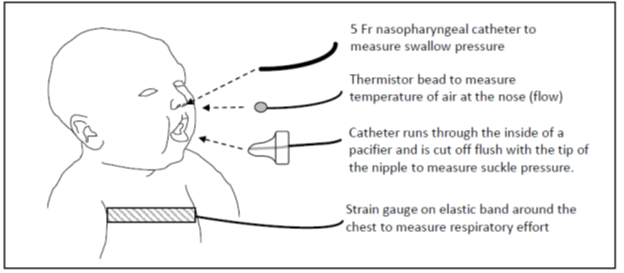
Babies begin practicing sucking, swallowing, and breathing before birth. Ultrasound scans may show fetal sucking and swallowing movements during pregnancy. Still, full feeding control continues to mature after birth.
Full-term babies often show stronger newborn suck-swallow-breathe coordination. They may latch well, pause when needed, and manage milk flow with less help.
Premature babies may need more time. Their brain, muscles, lungs, and stamina may not yet support long oral feeds. Some premature infants first receive milk through a feeding tube while they build these skills.
The timing also varies from baby to baby. A late-preterm baby may look strong but tire quickly. Another baby may feed well for a few minutes and then lose rhythm.
Common factors that affect development include:
• Gestational age at birth
• Muscle tone
• Breathing health
• Energy level
• Oral anatomy
• Milk flow speed
• Brain and nerve development
• Previous breathing or medical problems
Newborn suck-swallow-breathe coordination often improves with practice. However, improvement should be steady. Frequent coughing, color changes, or poor weight gain deserve professional attention.

What Normal Feeding Coordination Looks Like
Normal newborn suck-swallow-breathe coordination can look different from one feed to the next. Babies often feed more slowly when they are tired and more actively when they are hungry.
You may notice:
• A wide mouth before the latch
• Rhythmic jaw movement
• Soft swallowing sounds
• Short pauses between sucking bursts
• Relaxed hands and face
• Steady skin color
• Easy breathing during pauses
• A baby who wakes for feeds and settles afterward
A baby may suck several times in a row at the start of a feed. This early pattern can help trigger milk release. As milk flows, the baby may swallow more often.
Bottle-fed babies may need extra pacing. A bottle can continue releasing milk even when the baby needs to breathe. Breastfed babies can also struggle if milk comes out very quickly.
A brief cough does not always mean a serious problem. Babies can occasionally mis-time a swallow, just as adults sometimes cough while drinking. Repeated coughing or distress is different and needs review.
One practical lesson from feeding support is to watch the baby, not just the clock. A feed that lasts 20 minutes may be fine for one baby but too long for another. Comfort, breathing, milk transfer, and growth matter more than a fixed time.

Signs of Poor Suck-Swallow-Breathe Coordination
Poor newborn suck-swallow-breathe coordination may appear during or after feeding. One sign alone may not show a major problem, but a pattern should not be ignored.
Watch for:
• Frequent coughing or choking
• Wet, gurgly, or raspy breathing
• Milk leaking from the mouth
• Long pauses without breathing
• Very fast breathing during a feed
• Pulling away often
• Falling asleep after only a few sucks
• Sweating, trembling, or unusual tiredness
• Blue, gray, or pale skin
• Nasal flaring or chest pulling
• Repeated vomiting
• Feeds that take much longer than usual
• Poor wet diaper output
• Slow weight gain
A baby may also show stress through body movements. Stiffening, finger spreading, facial grimacing, or sudden changes in breathing can mean the flow is too fast or the baby needs a pause.
Do not rely only on swallowing sounds. Some babies swallow quietly. Look at the full picture, including breathing, color, comfort, and growth.
Newborn suck-swallow-breathe coordination problems can sometimes cause milk to enter the airway. This is called aspiration. Aspiration may happen with coughing, but it can also be quiet, so ongoing feeding concerns need a medical assessment.

Why Feeding Problems Happen
Many conditions can affect newborn suck-swallow-breathe coordination. Some are temporary, while others need targeted treatment.
Prematurity
Premature babies may have less stamina and weaker oral muscles. They may start a feed well but tire before finishing. Their breathing may also be less stable.
Fast Milk Flow
A forceful breast milk letdown or a fast-flow bottle nipple can release more milk than a baby can manage. The baby may cough, gulp, pull away, or breathe quickly.
Slow Milk Flow
A very slow flow can also cause trouble. The baby may work hard, become tired, or stop feeding before taking enough milk.
Nasal Congestion
Newborns prefer to breathe through the nose. A blocked nose can make feeding difficult because the baby must pause often to breathe.
Low Muscle Tone
Low muscle tone can reduce lip closure, tongue control, and jaw strength. The baby may lose suction or allow milk to spill.
Tongue-Tie or Oral Differences
A restricted tongue movement, high palate, cleft palate, or other oral difference may affect milk transfer. These findings should be assessed by a qualified clinician rather than judged from appearance alone.
Heart or Lung Conditions
Breathing and heart problems can reduce feeding stamina. These babies may breathe fast, sweat, or tire during feeds.
Neurologic Conditions
Some nervous system conditions affect muscle control and timing. A pediatrician may refer the baby for feeding and swallowing testing.
Newborn suck-swallow-breathe coordination may also worsen when a baby is too hungry, too cold, unwell, or overstimulated. Feeding is easier when the baby is calm and supported.

How to Support Safer Feeding at Home
Small changes can make feeding calmer. The goal is not to force a perfect rhythm. The goal is to give the baby enough time to suck, swallow, breathe, and rest.
Try these steps:
-
Feed at early hunger cues. Look for stirring, hand-to-mouth movements, lip smacking, or rooting. Crying is a late hunger cue and can make coordination harder.
-
Keep the baby well supported. Hold the head, neck, and body in a straight line. Avoid pushing the back of the baby’s head into the breast or bottle.
-
Use a comfortable position. A semi-upright position may help some babies manage bottle flow. Side-lying, laid-back breastfeeding, or other positions may help, but a lactation professional should guide families with feeding concerns.
-
Pace the bottle. Keep the bottle more horizontal so milk does not pour into the mouth. Give regular pauses and watch for stress cues.
-
Choose the right nipple flow. A slower nipple may help some babies, but changing nipples without guidance can also create feeding problems. Follow the baby’s response.
-
Burp and rest as needed. Some babies need short breaks during a feed. A pause is not a failure; it is part of learning.
-
Stop when the baby shows stress. Turned-away head, wide eyes, coughing, gulping, or milk loss may mean the baby needs a break.
Never prop a bottle or leave a baby alone with a bottle. This raises the risk of choking, ear problems, overfeeding, and unsafe sleep.
Newborn suck-swallow-breathe coordination improves when adults respond to the baby’s signals. Slow feeding is often safer than trying to finish a set amount quickly.

Breastfeeding and Bottle-Feeding Differences
Breastfeeding and bottle-feeding use the same basic skill, but the flow patterns differ.
During breastfeeding, milk flow may change during the feed. Milk may flow slowly at first, increase during letdown, and slow again later. A baby may cough or pull away during a forceful letdown.
Helpful options may include:
• A laid-back position
• Briefly unlatching during a strong letdown
• Allowing milk to flow into a cloth before relatching
• Offering more frequent, calm feeds
During bottle-feeding, the nipple can release milk with less effort. The baby may need more active pacing. Hold the bottle nearly level and allow breaks when the baby pauses.
Do not enlarge a nipple hole to make feeding faster. A faster flow can worsen coughing and breathing stress. If a baby needs a different nipple, ask a pediatrician, lactation consultant, or feeding therapist.
The best feeding method depends on the baby’s health, growth, and family needs. Breast milk, expressed milk, and properly prepared formula can all be part of a safe feeding plan when used correctly.
When to Call a Doctor
Call your baby’s health care professional if feeding problems happen often or seem to be getting worse. A clinician can check weight, breathing, hydration, oral movement, and feeding technique.
Seek prompt medical care for:
• Blue or gray lips or face
• Trouble breathing
• Repeated choking
• Long breathing pauses
• Extreme sleepiness
• Fever in a young infant
• Fewer wet diapers
• Signs of dehydration
• Repeated vomiting
• Poor weight gain
• A baby who cannot complete feeds
Call emergency services if your baby is not breathing normally, becomes blue, or cannot be awakened.
A single noisy feed may not reveal the cause. Your clinician may observe a feed or refer you to a lactation consultant, speech-language pathologist, occupational therapist, or pediatric feeding team.
A clinical feeding and swallowing evaluation may be needed when aspiration is suspected. In some cases, specialists use a video swallowing study or another test. These tests have limits, so the care team uses the results along with the baby’s history and growth.
Newborn suck-swallow-breathe coordination should never be diagnosed from an online checklist alone. Online information can help you notice patterns, but it cannot replace an in-person assessment.
What a Feeding Assessment May Include
A feeding assessment usually begins with questions. The clinician may ask about birth history, feeding length, coughing, wet diapers, weight changes, and the type of milk or nipple used.
The clinician may observe:
• The baby’s alertness
• Latch and lip seal
• Tongue and jaw movement
• Swallowing sounds
• Breathing rate
• Skin color
• Milk loss
• Fatigue during feeding
• The amount and pace of milk intake
The team may then suggest a plan. This could include a new position, pacing, a different nipple, shorter feeds, or treatment for an underlying condition.
Parents can help by recording a short feeding video if the clinician permits it. A written log can also show useful patterns. Include the time, feeding method, length, coughing, wet diapers, and any stress signs.
Avoid changing many things at once. If you change the nipple, position, feeding volume, and schedule together, it becomes hard to know what helped.
Common Mistakes to Avoid
Many well-meaning caregivers try to help by making feeds faster. This can backfire. A baby who takes more milk in less time may still be working too hard to breathe.
Avoid these common mistakes:
• Forcing the nipple into a baby’s mouth
• Feeding through repeated coughing
• Ignoring color or breathing changes
• Using a faster nipple without advice
• Propping a bottle
• Feeding a sleepy baby without checking alertness
• Assuming all noisy breathing is normal
• Comparing your baby with another baby
• Waiting for weight loss to become severe
Another mistake is focusing only on ounces. Intake matters, but so do breathing comfort, wet diapers, feeding energy, and growth.
The most useful approach is calm observation. Pause when the baby needs a pause. Get help early when feeding feels stressful or unsafe.
Frequently Asked Questions About Newborn Suck-Swallow-Breathe Coordination
What is normal newborn suck-swallow-breathe coordination?
Normal coordination includes repeated sucking, swallowing, and breathing with short pauses. The baby should remain comfortable, maintain normal color, and show steady breathing during and after the feed.
Why does my newborn cough while feeding?
Coughing may happen when milk flows faster than the baby can manage. Occasional coughing can occur, but repeated coughing, choking, wet breathing, or color changes should be discussed with a health care professional.
How can I improve my newborn’s feeding coordination?
Use early hunger cues, support the baby’s head and body, and allow regular pauses. For bottle-feeding, paced feeding and a suitable nipple flow may help, but seek professional guidance if problems continue.
Can premature babies have trouble coordinating feeding?
Yes. Premature babies often need more time to develop stamina, breathing control, and oral motor skills. A neonatal or pediatric feeding team can create a safe plan and track progress.
Is milk leaking from a newborn’s mouth a problem?
Small amounts of milk leakage can happen while a baby learns to latch and control flow. Frequent leakage, poor suction, coughing, fatigue, or slow weight gain may indicate a feeding difficulty.
When is newborn feeding an emergency?
Treat blue or gray color, severe breathing trouble, unresponsiveness, or repeated choking as an emergency. Call emergency services if the baby is not breathing normally or cannot be awakened.
Conclusion
Newborn suck-swallow-breathe coordination is a finely timed skill that helps babies take milk while protecting their airway. Pauses, changing sucking patterns, and occasional mild fussiness can be normal, but repeated coughing, breathing stress, color changes, fatigue, or poor growth need attention.
Watch the whole baby, not just the bottle or clock. Feed slowly, respond to stress cues, and ask for help early when something feels wrong. Share your feeding concerns with your pediatrician or feeding specialist, and explore trusted newborn feeding resources for continued support.