Responsive caregiving helps newborns feel safe by noticing their cues and answering them with calm, timely care.
Newborn introduction to responsive caregiving begins with a simple idea: your baby’s cries, movements, facial expressions, and quiet moments all communicate a need. When you watch, understand, and respond with warmth, you help build trust, support healthy development, and make daily care feel less stressful. This guide explains how responsive caregiving works, what newborn cues mean, and how families can use it from the first days at home.

What Is Newborn Introduction to Responsive Caregiving?
Newborn introduction to responsive caregiving means learning how to notice and answer a baby’s needs in a warm, steady way. It includes feeding when the baby shows hunger cues, offering comfort during distress, and giving the baby breaks when signs of tiredness appear.
A newborn cannot use words. Instead, the baby communicates through body movements, sounds, facial expressions, skin color, and changes in sleep or alertness. Responsive caregiving treats these signs as meaningful messages rather than random behavior.
This approach does not mean meeting every need perfectly. No caregiver responds well every time. The goal is to notice, respond, and repair when needed.
The core idea
Think of responsive care as a gentle back-and-forth:
- Your newborn gives a cue.
- You pause and observe.
- You respond in a safe and caring way.
- Your baby learns that support is available.
Over time, these small moments help form a secure relationship. They also help caregivers understand the baby’s unique patterns.
Why Responsive Caregiving Matters for Newborns
Newborns depend on adults for food, warmth, comfort, sleep support, and protection. Their brains grow through repeated experiences with caring adults. A calm response can help a baby begin to feel that the world is safe and predictable.
Research on early relationships shows that sensitive caregiving supports emotional growth and self-regulation. Responsive caregiving may also support healthy language, social skills, and stress management as children grow.
The benefits do not come from being a perfect parent. They come from many small moments, such as:
• Holding your newborn close after a cry
• Speaking softly during a diaper change
• Pausing when your baby turns away
• Feeding when early hunger cues appear
• Comforting your baby after a loud sound
• Giving your newborn time to look at your face
A newborn introduction to responsive caregiving can also help parents feel more confident. Instead of following a rigid rule for every moment, you learn to read your own baby.

Understanding Newborn Cues
Newborn cues can be easy to miss, especially during the first weeks. Babies often show early signs of hunger, tiredness, or overstimulation before they cry.
Crying is important, but it is often a late cue. Learning earlier signals can make care calmer for both of you.
Hunger cues
Early hunger cues may include:
• Waking or becoming more alert
• Moving the head from side to side
• Opening the mouth
• Bringing hands toward the mouth
• Sucking on fingers
• Making soft sounds
• puckering or licking the lips
Rooting is another common sign. Your baby may turn toward a touch near the cheek or mouth.
Crying can signal hunger, but it may also mean discomfort, tiredness, cold, heat, or a need for closeness. If your baby has feeding problems or fewer wet diapers than expected, contact a pediatric health professional.
Tired cues
Newborns may show tiredness through:
• Yawning
• Looking away
• Decreased movement
• Red eyebrows or eyelids
• Fussing
• Jerky movements
• Closing the eyes
• Becoming quiet and still
Some newborns become more active when they are tired. They may wave their arms, kick, or cry. This can confuse new parents, but it often means the baby needs a calm break.
Overstimulation cues
A newborn may need less sound, light, or movement when the baby:
• Turns away
• Stares blankly
• Spreads the fingers
• Arches the back
• Becomes fussy
• Changes breathing patterns
• Has trouble settling
Responsive caregiving means reducing stimulation instead of adding more. Dim the lights, lower your voice, and hold your baby in a steady position.
Comfort and connection cues
Newborns may seek closeness by:
• Relaxing when held
• Looking toward your face
• Making soft sounds
• Grasping a finger
• Settling with gentle touch
• Becoming more alert during quiet talk
These cues do not always mean your baby wants active play. Sometimes the best response is simply a calm face, a soft voice, or skin-to-skin contact.
How to Practice Responsive Caregiving From Birth
Newborn introduction to responsive caregiving can begin during the first hour, first day, or first week. There is no need to wait until you feel fully confident.
1. Observe before you act
Pause for a moment and look at your baby. Ask yourself:
• Is my baby hungry?
• Does my baby look tired?
• Is something too loud or bright?
• Does my baby need a diaper change?
• Does my baby want contact or a short break?
This pause helps you respond to the need instead of reacting only to the sound of crying.
2. Respond with a calm voice
Your voice can become a familiar source of comfort. Speak slowly and use a gentle tone during feeding, dressing, and nighttime care.
You do not need special words. Simple phrases work well:
• “I’m here.”
• “You are safe.”
• “Let’s get you comfortable.”
• “You were hungry.”
Your newborn may not understand the words yet, but the tone and rhythm provide comfort.
3. Use safe touch
Touch can help a newborn feel secure. You might place a warm hand on the baby’s chest, hold the baby close, or provide skin-to-skin contact while awake and supervised.
Always follow safe sleep guidance. Place your baby on the back for every sleep, use a firm, flat sleep surface, and keep loose blankets, pillows, and soft items out of the sleep area.
4. Follow feeding cues
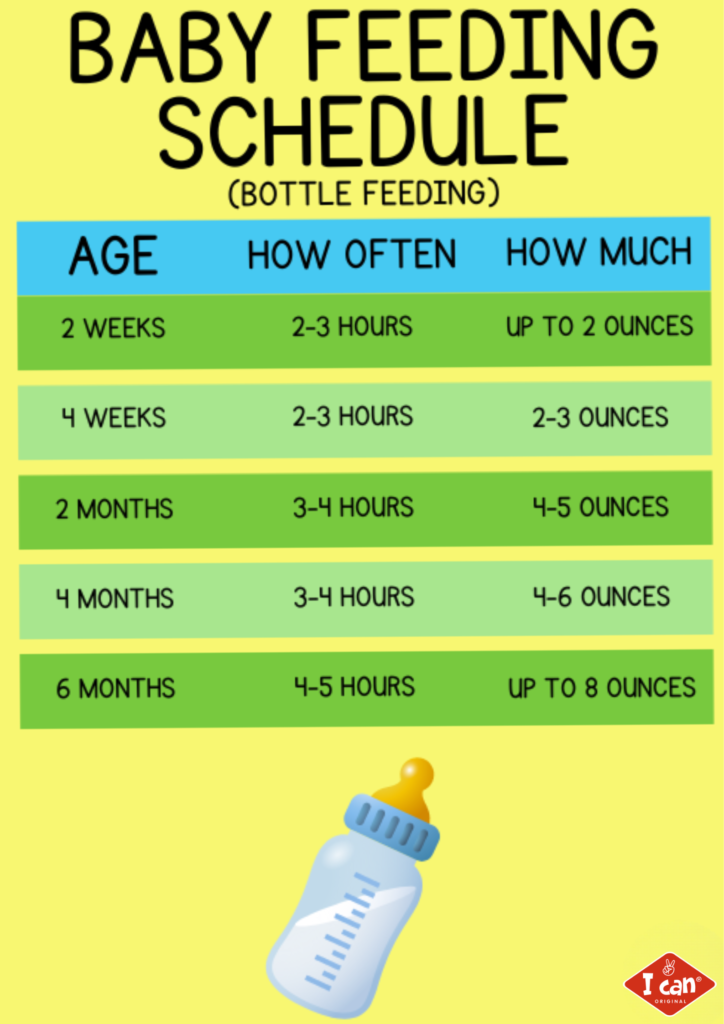
Whether you breastfeed, use formula, or combine both, watch for hunger and fullness cues. A newborn may slow down, release the nipple, turn away, or relax when full.
Never force a bottle or try to make a baby finish a set amount. Feeding plans can vary based on age, weight, health, and medical advice. Your pediatrician or lactation professional can help if feeding feels difficult.
5. Respect pauses
Newborns need breaks during feeding, talking, and face-to-face time. If your baby looks away, becomes still, or seems overwhelmed, pause.
A pause is not rejection. It is often a sign that your baby is processing the experience.

Responsive Caregiving During Common Newborn Routines
Daily routines offer many chances to practice responsive care. These moments do not need to look perfect or follow a strict script.
During feeding
Hold your baby in a supported position and watch the face, hands, and breathing. Keep the pace slow enough for your baby to pause.
During bottle feeding, use paced feeding when advised. Hold the bottle at an angle rather than tipping it straight down. This can help your baby control the flow.
During breastfeeding, notice swallowing, latch, comfort, and feeding patterns. Pain, poor weight gain, or ongoing difficulty deserves professional support.
During diaper changes
Diaper changes can feel rushed, but they can also become moments of connection. Tell your baby what you are doing, move gently, and watch for signs of cold or distress.
A newborn introduction to responsive caregiving during diaper changes might look like this:
- Gather supplies before starting.
- Keep one hand on your baby at all times.
- Speak softly as you work.
- Pause if your baby becomes upset.
- Finish safely and offer comfort.
Never leave a newborn alone on a changing table, bed, or other raised surface.
During bathing
Newborns do not need a daily bath. A few baths each week may be enough, with regular cleaning of the diaper area and skin folds.
Check the water with your wrist or a thermometer. Keep the room warm, support your baby’s head and neck, and keep one hand on your baby throughout the bath. Never leave a baby alone near water, even for a moment.
During sleep
Responsive sleep care does not mean holding your baby every second. It means noticing tired cues and creating a safe, calm sleep setting.
Try a simple wind-down pattern:
• Lower the lights
• Reduce noise
• Change the diaper
• Feed if needed
• Hold and soothe
• Place the baby on the back in the sleep space
Newborn sleep can be unpredictable. Frequent waking is normal because young babies need regular feeds and have immature sleep patterns.
During crying
Crying is a form of communication. Check common needs first, such as hunger, a wet diaper, temperature, discomfort, or tiredness.
If you feel overwhelmed, place your baby safely on the back in the crib and step away for a few minutes. Ask another trusted adult for help. Never shake, hit, or toss a baby.
Newborn Introduction to Responsive Caregiving and Bonding
Bonding may happen quickly for some parents and slowly for others. A difficult birth, medical stay, feeding stress, depression, anxiety, or lack of sleep can affect early feelings.
Responsive caregiving can support bonding through repeated contact. You can build connection by:
• Making eye contact when your baby is alert
• Holding your baby close
• Singing or talking softly
• Copying gentle facial expressions
• Responding to cries
• Sharing quiet skin-to-skin time
• Joining care tasks with a partner or family member
Attachment grows through many ordinary moments. You do not need a dramatic feeling every day to be a caring parent.
A useful lesson from newborn care is that connection often appears during simple tasks. A parent may feel most bonded while settling a baby after a long night, not during a picture-perfect moment.

Responsive Caregiving for Parents and Caregivers
A newborn’s needs matter, but the caregiver’s needs matter too. Exhaustion can make it harder to notice cues or stay calm.
Try to create a support plan before stress becomes intense. Ask trusted people to help with meals, laundry, older children, errands, or short periods of rest.
Helpful steps include:
• Share nighttime tasks when possible
• Keep water and easy food nearby
• Accept practical help
• Take short rest periods
• Talk openly about mood changes
• Schedule postpartum and pediatric visits
• Ask for help before reaching a crisis point
Postpartum depression and anxiety are common and treatable. Warning signs may include ongoing sadness, panic, hopelessness, intense worry, anger, or frightening thoughts. Contact a health professional promptly if these symptoms occur. Seek urgent help if you may harm yourself or your baby.
Responsive caregiving does not require constant patience. It requires enough support for you to return to care after hard moments.
Newborn Introduction to Responsive Caregiving Across Cultures
Families care for newborns in many loving ways. Some babies are carried often, while others spend more time in a bassinet. Some families speak several languages, sing traditional songs, or include grandparents in daily care.
Cultural practices can support connection when they are safe and fit the baby’s health needs. Ask questions before changing a family routine, especially when advice comes from different generations.
Safety guidance should remain clear in every culture and household. For example, shared sleep surfaces can increase risk, even when they are common in a family tradition. Families can preserve closeness through room sharing, supervised holding, and safe sleep practices.
The goal of newborn introduction to responsive caregiving is not to copy one “perfect” family style. It is to combine warmth, attention, cultural meaning, and reliable safety.
Common Challenges and Practical Solutions
Responsive caregiving can feel difficult when life is busy or the baby’s cues seem unclear. These challenges are normal.
“I cannot tell what my baby needs.”
Use a simple check. Look at feeding, diapering, temperature, sleep, and stimulation. If your baby remains distressed or seems unwell, contact a pediatric professional.
“My baby cries when I respond.”
A response may not stop crying at once. Your calm presence still matters, even when your baby needs time to settle.
“I worry that holding my baby too much creates bad habits.”
Newborns do not cry to manipulate adults. Holding and comforting a newborn supports safety and connection. You can also place the baby down safely when you need a break.
“I follow a schedule, but it does not work.”
Schedules can be useful, but newborn needs change often. A flexible rhythm based on cues may work better than strict timing during the early weeks.
“My partner and I read cues differently.”
Talk about what you each notice. Share observations rather than blame, such as, “The baby turns away after a few minutes of talking,” or, “The baby usually roots before crying.”
Mistakes to Avoid in Responsive Caregiving
Even caring adults can make mistakes. Knowing common errors can make daily care easier.
• Waiting until intense crying before offering food
• Overstimulating a tired baby with constant rocking
• Ignoring signs that the baby needs a pause
• Comparing one newborn’s routine with another’s
• Forcing a baby to finish a bottle
• Using unsafe sleep positions or soft bedding
• Assuming every cry has the same cause
• Expecting instant bonding
• Trying to manage everything without support
One of the most useful lessons in newborn introduction to responsive caregiving is that repair matters. If you miss a cue, respond when you notice it. A warm, steady response still helps.

When to Call a Pediatrician
Responsive caregiving includes noticing signs that may need medical attention. Contact your baby’s health professional if you have concerns about feeding, weight gain, sleep, breathing, or behavior.
Seek urgent medical care for signs such as:
• Trouble breathing
• Blue, gray, or very pale skin
• Extreme difficulty waking
• A seizure
• Repeated vomiting
• Signs of dehydration
• Poor feeding with unusual sleepiness
• A fever in a young infant
For babies younger than 3 months, a rectal temperature of 100.4°F (38°C) or higher requires prompt medical guidance. Follow your pediatrician’s instructions and local emergency advice.
This article offers general education. It cannot replace care from a pediatrician, nurse, lactation consultant, or other qualified professional who knows your baby’s health history.
Frequently Asked Questions About Newborn Introduction to Responsive Caregiving
What does responsive caregiving mean for a newborn?
Responsive caregiving means noticing a newborn’s signals and answering with timely, warm, and safe care. It includes responding to hunger, tiredness, discomfort, stress, and the need for closeness.
Can responsive caregiving spoil a newborn?
No. Newborns do not have the developmental ability to manipulate caregivers through crying. Comforting, holding, and responding to a baby help build security and trust.
How can I tell whether my newborn is overstimulated?
A newborn may turn away, fuss, arch the back, spread the fingers, stare blankly, or become unusually quiet. Reduce light, noise, movement, and talking, then offer a calm break.
Should I follow a strict schedule or my baby’s cues?
A flexible routine often works well in the newborn period because feeding and sleep needs change. Use health guidance for feeding and safety, while watching your baby’s individual cues.
What should I do if I feel frustrated by crying?
Place your baby safely on the back in a crib or bassinet and step away for a few minutes. Call someone you trust for help, and never shake or handle a baby roughly.
Does responsive caregiving require constant holding?
No. Responsive caregiving includes holding, but it also includes talking, watching, feeding, changing, pausing, and offering a safe sleep space. Caregivers need safe breaks, too.
When should I seek professional help?
Contact a pediatrician for concerns about feeding, breathing, fever, weight, hydration, or unusual behavior. Seek support for yourself if sadness, anxiety, anger, or frightening thoughts continue or interfere with daily care.
Conclusion
Newborn introduction to responsive caregiving starts with paying attention. Notice early cues, respond with warmth, respect pauses, and use safe routines for feeding, sleep, bathing, and comfort.
You do not need to understand every signal right away. Your relationship grows through repeated efforts, including the moments when you miss a cue and try again. Begin with one simple practice today: pause, observe your newborn, and respond with calm care.
For more trusted guidance, speak with your pediatrician or postpartum care team, and share your own caregiving lessons with other new families.