Newborn feeding transitions work best when they are slow, gentle, and guided by your baby’s cues.
The newborn transition between feeding methods can feel confusing, especially when you move from breast to bottle, formula to breast milk, or tube feeds to oral feeds. This guide explains how to make each change safer and calmer, using feeding cues, paced feeding, expert advice, and simple steps that fit real family life.
What Is a Newborn Transition Between Feeding Methods?
A newborn transition between feeding methods happens when a baby moves from one way of receiving milk to another. Common changes include:
• Breastfeeding to bottle-feeding
• Bottle-feeding to breastfeeding
• Formula to expressed breast milk
• Expressed milk to direct breastfeeding
• Tube feeding to breast or bottle feeding
• One bottle type, nipple flow, or formula routine to another
Each method feels different to a newborn. Breastfeeding requires the baby to latch and remove milk from the breast. Bottle-feeding may provide milk with less effort, especially when the nipple flow is fast.
The newborn transition between feeding methods is not only about the milk itself. It also involves sucking strength, tongue movement, breathing, swallowing, body position, smell, and comfort.
Think of the change as learning a new dance. Your baby needs time to learn the rhythm, and you may need time to learn the new steps too.

Why Feeding Changes Can Be Difficult for Newborns
Newborns are still developing the skills needed to eat well. They must suck, swallow, and breathe in a steady pattern. This takes coordination and energy.
A baby who breastfeeds well may not immediately accept a bottle. The bottle nipple may feel different, and milk may flow faster or slower. A baby used to a bottle may become frustrated at the breast because milk does not always flow at the same speed.
Other factors can affect the newborn transition between feeding methods:
• Premature birth
• A small or weak suck
• Tongue-tie or other oral problems
• Reflux symptoms
• Nasal congestion
• Sleepiness from illness or medicine
• A very fast or very slow nipple flow
• Pain during latching
• Stress in the feeding environment
A difficult feeding does not always mean your baby rejects the new method. Your baby may simply need more practice, a slower pace, or better support.
The American Academy of Pediatrics and other pediatric health groups recommend watching the whole feeding pattern. One feed alone does not show whether a transition is working. Look at wet diapers, weight gain, alertness, and comfort over time.

Signs Your Baby Is Ready for a Feeding Change
Readiness varies by age, health, and feeding history. A healthy full-term newborn may adjust within days, while a premature or medically fragile baby may need weeks of support.
Signs of readiness can include:
• Your baby wakes for feeds and shows interest in milk
• Your baby can maintain a calm, alert state
• Sucking is strong and steady
• Your baby has regular wet diapers
• Your baby can stay coordinated while sucking, swallowing, and breathing
• Your baby shows fewer signs of stress during feeds
• Weight gain is steady, based on medical follow-up
Early hunger cues are easier to work with than late cues. Watch for:
• Stirring
• Hand-to-mouth movements
• Lip smacking
• Rooting
• Turning toward the breast or bottle
• Opening the mouth
Crying is a late hunger cue. A crying baby may have trouble latching or taking a bottle because the body is already tense.
The newborn transition between feeding methods often goes better when you offer the new method during a calm feed. Avoid introducing it when your baby is very hungry, tired, or upset.
How to Transition From Breastfeeding to Bottle-Feeding
Moving from breastfeeding to bottle-feeding may support shared feeding, return to work, medical needs, or a parent’s rest. It does not need to be an all-or-nothing change.
Start with one bottle at a time. Many families find it easier to offer the bottle when the baby is calm and not extremely hungry. Another caregiver may have better success because the baby can smell breast milk on the nursing parent.
Use these steps:
- Choose a slow-flow nipple made for newborns.
- Hold your baby upright and close to your body.
- Touch the nipple to the baby’s lips and wait for a wide mouth.
- Keep the bottle mostly horizontal.
- Pause often so your baby can breathe and rest.
- Stop when your baby shows signs of fullness.
Paced bottle-feeding can help make the newborn transition between feeding methods smoother. It allows the baby to control the speed of the feed rather than having milk pour quickly into the mouth.
Signs of fullness include turning away, relaxed hands, slower sucking, falling asleep, or releasing the nipple. Do not pressure your baby to finish a set amount unless your health care professional gives you a specific feeding plan.
If you pump breast milk, store and warm it according to current infant-feeding safety guidance. Never microwave breast milk, because hot spots can burn your baby’s mouth.

How to Transition From Bottle-Feeding to Breastfeeding
Bottle-feeding to breastfeeding may be more challenging when a baby has become used to a faster milk flow. Still, many babies can learn to breastfeed with patience and skilled support.
Offer the breast when your baby is calm. Skin-to-skin contact can help your baby relax and may support feeding behaviors. You can place your baby near the breast without forcing a latch.
Helpful steps include:
• Try breastfeeding when your baby is partly satisfied, not frantic with hunger
• Express a little milk first if your breasts feel very full
• Use a comfortable position with your baby’s chest facing your chest
• Aim the nipple toward the roof of the mouth
• Wait for a wide mouth before bringing the baby to the breast
• Use breast compressions if milk flow slows and your provider approves
• Offer a bottle afterward if your feeding plan requires it
Some babies need a temporary supplement while they build breastfeeding skills. That supplement may be expressed milk, donor milk, or formula, depending on medical advice and family preference.
Do not stop supplements suddenly if your baby needs them for weight gain or health. A lactation consultant, pediatrician, or feeding therapist can help create a safe plan.

How to Transition Between Formula and Breast Milk
A baby can usually receive breast milk and infant formula as part of a combination-feeding plan. The safest approach depends on your baby’s age, weight, health, and medical needs.
If you are changing formulas, ask your child’s health care provider first. Formula types differ, and some babies need a special formula for allergy, poor growth, or another condition.
When introducing a new formula:
• Follow the mixing directions exactly
• Use the scoop that comes with the container
• Do not dilute formula with extra water
• Do not add cereal unless a clinician directs you to do so
• Introduce one major change at a time when possible
• Watch for vomiting, diarrhea, blood in stool, rash, or breathing trouble
A newborn transition between feeding methods may cause mild changes in stool color or texture. However, repeated vomiting, poor feeding, breathing problems, facial swelling, or unusual sleepiness needs prompt medical attention.
Prepared formula should be handled carefully. Follow current guidance for preparation, storage, and leftover milk. Do not save a bottle after your baby has fed from it unless a health professional gives different instructions.
Transitioning From Tube Feeding to Oral Feeding
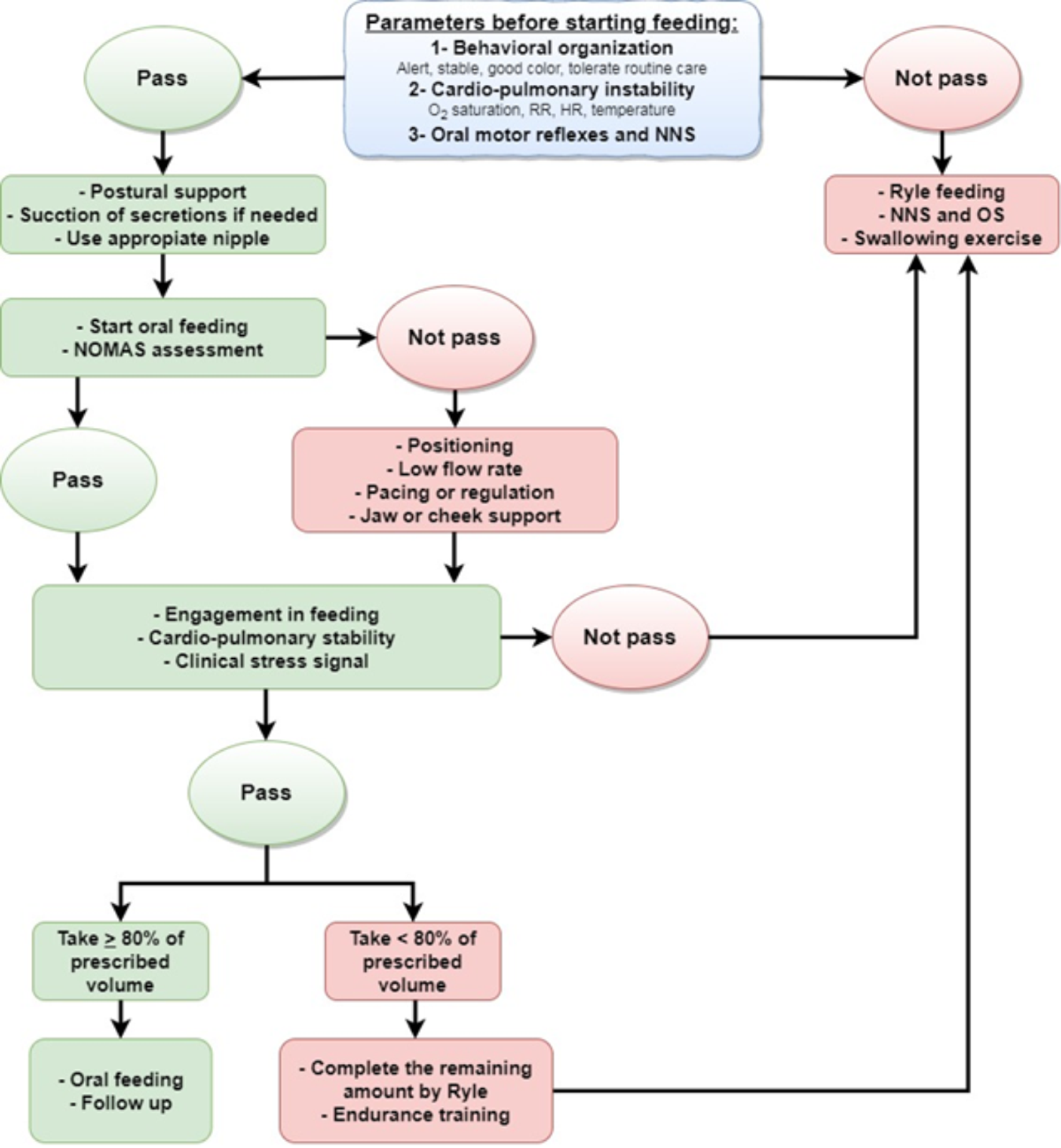
Some premature or ill newborns begin with a feeding tube because they are not yet ready to safely suck and swallow. The move to breast or bottle is called oral feeding progression.
This newborn transition between feeding methods must be supervised by the baby’s medical team. A baby may appear eager but still tire quickly or have trouble protecting the airway.
A feeding team may assess:
• Suck strength
• Swallowing safety
• Breathing rate
• Oxygen levels
• Coughing or choking
• Stress signals
• Weight gain
• Feeding stamina
The team may recommend short oral practice sessions while the tube continues to provide some or all nutrition. This protects the baby from exhaustion and helps build skills over time.
Stop the feed and seek guidance if your baby has repeated coughing, color changes, wide eyes, gulping, noisy breathing, sweating, or sudden limpness. These signs can suggest that the feed is too hard or unsafe.
How to Use Paced Feeding During a Newborn Transition
Paced feeding helps a baby manage milk flow. It can be used with expressed breast milk or formula and may support both breast-to-bottle and bottle-to-breast transitions.
Try this approach:
- Hold your baby in a mostly upright position.
- Keep the bottle nearly level.
- Let your baby draw the nipple into the mouth.
- Watch for active sucking and swallowing.
- Lower the bottle or remove it for short pauses.
- Burp your baby when needed.
- End the feed when your baby shows fullness cues.
Do not enlarge a nipple hole to make milk flow faster. A faster flow can increase choking, coughing, air swallowing, and feeding stress.
The right nipple flow is not always the fastest one. Many newborns feed well with a slow-flow nipple, but your baby’s feeding specialist may suggest another option.
The newborn transition between feeding methods should feel calm, not rushed. A quiet room, soft lighting, and steady support can make a real difference.
Common Mistakes to Avoid
Many feeding problems come from changing too much too soon. Small adjustments often work better.
Avoid these common mistakes:
• Waiting until the baby is crying hard
• Switching nipple types every day
• Choosing a fast nipple to shorten the feed
• Forcing the breast or bottle into the baby’s mouth
• Making the baby finish the bottle
• Changing formula without medical advice
• Ignoring coughing, choking, or color changes
• Comparing your baby’s pace with another baby
• Stopping needed supplements without a care plan
One lesson I often share with new parents is to treat feeding as communication. Your baby’s pauses, head turns, and relaxed hands are messages. When parents respond to those signals, feeds often become less stressful.
A common early mistake is focusing only on ounces or minutes. Those numbers matter, but they do not tell the whole story. A baby may take a smaller feed and still be doing well, or may take a full bottle while showing signs of stress.
A Practical Newborn Feeding Transition Plan
A simple plan can make the newborn transition between feeding methods easier to track.
Step 1: Write down the current routine
Note the feeding method, time, approximate amount, wet diapers, and any symptoms. This gives you a useful starting point.
Step 2: Choose one small change
You might introduce one bottle each day, use a slower nipple, or offer the breast before a supplement. Avoid making several changes at once.
Step 3: Pick a calm time
Try the new method when your baby is alert and settled. Stop if your baby becomes very upset.
Step 4: Follow your baby’s cues
Allow pauses. Watch breathing, skin color, sucking, swallowing, and body tension.
Step 5: Review the plan
After a few days, look for comfort, adequate diapers, and steady medical weight checks. If the transition is not going well, contact your pediatrician or feeding specialist.
A written plan is especially useful when several caregivers share feeding duties. Keep instructions simple and consistent so everyone uses the same bottle angle, nipple flow, and stopping cues.
When to Contact a Pediatrician or Feeding Specialist
Ask for professional help when feeding is painful, exhausting, or unsafe. Early support can prevent small problems from becoming larger ones.
Contact your baby’s clinician if your newborn:
• Has fewer wet diapers than expected
• Is difficult to wake for feeds
• Repeatedly coughs, chokes, or gags
• Has blue, gray, or pale skin during feeding
• Sweats or breathes hard while eating
• Vomits forcefully or often
• Refuses several feeds
• Has poor weight gain
• Has blood in the stool
• Shows signs of dehydration
A lactation consultant can help with latch, milk transfer, pumping, and combination feeding. A speech-language pathologist or occupational therapist with infant-feeding training can assess sucking and swallowing.
For premature babies or babies with health conditions, follow the care team’s plan rather than general online advice. Online information can support you, but it cannot replace an examination.
Benefits and Limits of Changing Feeding Methods
A newborn transition between feeding methods can offer meaningful benefits. It may allow another parent to feed the baby, support a return to work, provide nutrition during a health challenge, or give the breastfeeding parent more rest.
Combination feeding can also reduce pressure. Families may use breast milk, formula, pumping, and direct breastfeeding in different amounts over time.
Still, every method has limits. Bottle-feeding requires safe preparation and cleaning. Pumping takes time and may not produce the same amount each session. Breastfeeding may be difficult with pain, low milk transfer, or medical concerns.
There is no single best feeding method for every family. The best plan is one that keeps the baby fed, supports growth, protects safety, and works for the parent and household.
How Long Does a Newborn Transition Take?
Some babies accept a new method in a few feeds. Others need several days or a few weeks. Premature babies and babies with oral-motor or medical issues may need longer.
Avoid setting a strict deadline. Progress may look like a calmer latch, longer sucking, fewer pauses, or less stress during the feed. These small steps matter.
During the newborn transition between feeding methods, expect some uneven days. A baby may accept the bottle in the morning but refuse it at night. That does not always mean the plan has failed.
Stay flexible, track health signs, and ask for help if feeding becomes unsafe or your baby is not taking enough milk.
Frequently Asked Questions About Newborn Transition Between Feeding Methods
Can a newborn switch between breast milk and formula?
Yes, many newborns can safely receive both breast milk and infant formula. Use a feeding plan that supports adequate intake, and ask your pediatrician for advice if your baby has medical needs or poor weight gain.
How can I help my newborn accept a bottle?
Offer the bottle when your baby is calm, use a slow-flow nipple, and try paced feeding. Another caregiver may have better results because the baby may expect breastfeeding from the nursing parent.
Should I force my baby to finish a bottle?
No. Follow your baby’s hunger and fullness cues unless a clinician has given a specific medical feeding plan. Forcing a bottle can increase stress and may make future feeds harder.
What is the safest nipple flow for a newborn?
A slow-flow nipple is often a reasonable starting point, but the best choice depends on your baby’s feeding skills. Coughing, gulping, leaking milk, or breathing changes may mean the flow is too fast.
Can I switch formula brands during a newborn transition?
Ask your baby’s health care provider before changing formula, especially if your baby uses a specialty formula. Always mix the new formula exactly as directed and watch for signs of intolerance or allergy.
How do I know if my newborn is getting enough milk?
Wet diapers, alertness, feeding behavior, and weight gain offer useful clues. Your pediatrician should review these signs together, especially during the first weeks of life.
When should I get help with a feeding transition?
Get help if your baby coughs, chokes, turns blue or gray, becomes unusually sleepy, refuses feeds, has too few wet diapers, or is not gaining weight. A pediatrician, lactation consultant, or infant-feeding therapist can assess the problem.
Conclusion
The newborn transition between feeding methods works best when it is gradual, responsive, and based on your baby’s health needs. Start with small changes, use paced feeding, watch for hunger and fullness cues, and avoid forcing the breast or bottle.
Professional support is important when feeding is painful, tiring, or unsafe. Trust your observations, keep a simple record, and give your baby time to learn this new skill. For more newborn feeding guidance, explore trusted pediatric resources or share your questions with your health care team.