Safe newborn pet interaction depends on calm supervision, clean spaces, gentle handling, and clear safety rules.
Newborn pet interaction and environmental safety can feel stressful, especially when a baby and a beloved animal share one home. The safest approach combines gradual introductions, close supervision, good hygiene, safe sleep practices, and respect for animal body language. This guide explains practical steps that protect your newborn while helping your pet adjust with less fear and confusion.
Why Newborn Pet Interaction and Environmental Safety Matter
Newborn babies have developing immune systems and limited control over their movements. They cannot move away, turn their heads well, or signal clearly when they feel overwhelmed. Pets, meanwhile, may react to new sounds, smells, movements, and changes in routine.
Newborn pet interaction and environmental safety are not about treating pets as dangerous. They are about managing normal animal behavior in a careful way. Even a gentle dog or cat can scratch, nip, knock over a bassinet, or spread germs without meaning to cause harm.
A safe home uses layers of protection:
• Physical barriers keep pets away from unsafe areas.
• Supervision helps adults respond before a problem grows.
• Hygiene lowers the chance of infection.
• Training gives pets a clear way to behave.
• Routine helps animals feel calm and secure.
The American Academy of Pediatrics advises that young children should never be left alone with pets. This rule matters even more during the newborn stage, when a baby cannot protect their face or body.
Newborn pet interaction and environmental safety also protect the animal. A pet may become anxious if adults suddenly ignore it, move its bed, or punish it for normal stress signals. A calm plan supports both the baby and the pet.
Preparing Your Pet Before the Baby Arrives
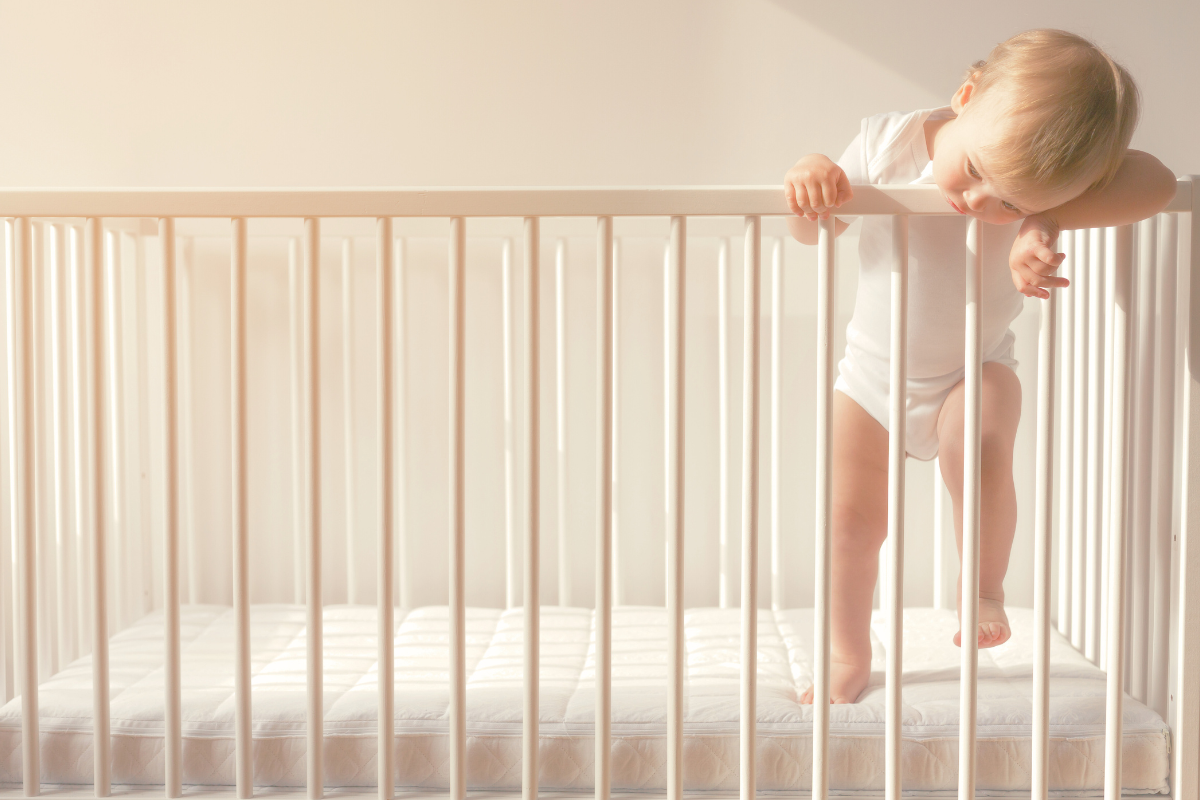
Preparation should begin before the newborn comes home. Pets notice changes in furniture, smell, noise, and daily schedules. Small changes made early are often easier than many sudden changes at once.
Start by teaching your pet simple cues. “Leave it,” “off,” “stay,” and “go to bed” can help you guide the animal without shouting. Reward calm behavior with treats, praise, or a favorite toy.
Make nursery rules clear before the baby arrives. If the crib, changing table, or rocking chair will be off-limits, teach that rule now. A closed door, tall gate, or secure screen can support training.
Helpful preparation steps include:
• Play recordings of soft baby cries at a low volume. Increase the sound slowly only if your pet stays relaxed.
• Let your pet smell a clean baby blanket or outfit before the baby comes home.
• Practice walking with an empty stroller.
• Teach your dog to sit beside you rather than jump on you.
• Give your cat a safe climbing space away from the crib.
• Move feeding and walking times closer to the schedule you expect after birth.
• Schedule a veterinary checkup if your pet has pain, illness, or behavior changes.
Do not force your pet to approach baby items. A frightened animal may need distance, treats, and time. Punishment can increase fear and may make warning signs harder to notice.
In my experience, one common mistake is waiting until the baby arrives to set limits. A dog that has always slept in the nursery may not understand why the room suddenly closes. Early practice makes the change feel normal instead of personal.
Newborn pet interaction and environmental safety improve when pets have their own comfort zone. This area should include water, bedding, and toys, and it should remain off-limits to the baby as the child grows.

Making the First Introduction Safe
The first meeting should be quiet and controlled. Avoid holding the newborn close to an excited dog or placing the baby on the floor near a curious cat. Both the animal and the adult may feel tense, and tension can spread quickly.
When possible, have another adult manage the pet. The primary caregiver can hold the baby while the second adult uses a leash or calmly guides the animal. Let the pet observe from a comfortable distance.
Use this simple process:
-
Give the pet exercise before the meeting, but do not exhaust or frighten the animal.
-
Bring the baby into a calm room.
-
Allow the pet to sniff a blanket or clothing first.
-
Keep the pet on a loose leash if a dog is present.
-
Reward calm behavior.
-
Permit a brief sniff only if the animal remains relaxed.
-
End the interaction before the pet becomes restless.
Never push a pet’s nose toward the baby. Do not place the baby beside an animal for a photo. Pictures can wait until an adult has full control of the situation.
Watch the animal’s whole body, not just the face. Relaxed muscles, soft eyes, normal breathing, and a loose tail often suggest comfort. Stiffness, lip licking, yawning, hiding, growling, pinned ears, raised fur, or intense staring can signal stress.
A growl is a warning, not a moral failure. Move the baby away, create space, and seek qualified help if the behavior repeats. Punishing a growl may remove the warning while leaving the fear in place.
Newborn pet interaction and environmental safety depend on reading signals early. Think of animal body language as a smoke alarm. It gives you time to act before a small concern becomes a serious event.
Safe Supervision Around Dogs and Cats
Supervision means more than being in the same room. An adult should stay close enough to act at once and should avoid distractions such as phones, cooking, or falling asleep.
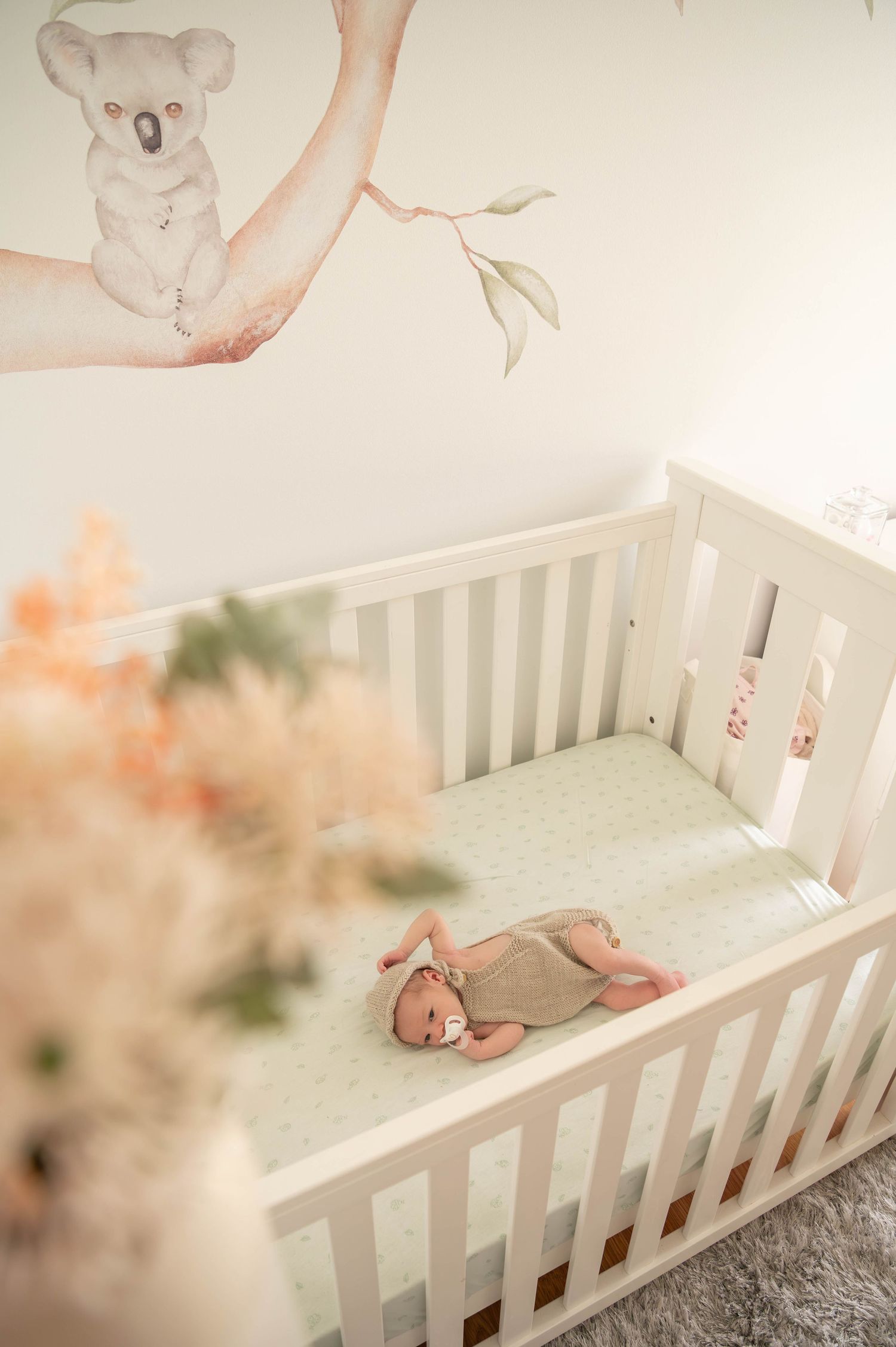
A newborn should never share a sleep space with a pet. Keep pets out of the crib, bassinet, bedside sleeper, and changing area. The safest sleep surface for a baby is flat, firm, and free of pets, pillows, loose blankets, and soft objects.
Dogs need special care because size and strength vary widely. A friendly dog may knock over a bassinet or react to a sudden cry. Never allow a dog to lick the baby’s face, mouth, open wound, or medical device.
Cats may climb into warm, enclosed spaces. Keep the crib and bassinet covered with a secure barrier when not in use, or keep the nursery door closed. Do not rely on a sleeping cat to remain harmless near a newborn.
Good daily rules include:
• Keep the baby and pet separated during feeding if either becomes protective.
• Do not let a pet lick bottles, pacifiers, breast pumps, or the baby’s hands.
• Keep pet toys away from the baby.
• Use a gate or closed door when direct supervision is not possible.
• Separate pets from the baby during loud visitors, parties, or stressful events.
• Teach older children never to place their face near an animal’s face.
• Give the pet a quiet retreat that the baby cannot enter.
Newborn pet interaction and environmental safety require constant adjustment as the baby develops. A crawling baby may pull fur, grab a tail, or reach into a food bowl. Safety plans should change before each new stage, not after the first incident.
Hygiene, Allergies, and Infection Prevention
Pets can carry germs even when they look healthy. Most families can safely live with pets, but careful hygiene is important during the newborn period. The goal is sensible cleaning, not fear.
Wash your hands with soap and water after touching pet food, waste, cages, litter boxes, or outdoor soil. Wash again before holding the baby, preparing bottles, or touching feeding equipment.
Keep these tasks separate from baby care:
• Cleaning litter boxes
• Handling reptiles, amphibians, chicks, ducklings, or rodents
• Picking up animal waste
• Giving medication
• Cleaning cages, tanks, or pet bedding
If possible, another adult should clean cat litter during pregnancy and early infancy. If no one else can do it, use disposable gloves, wash your hands well, and clean the box daily. Daily cleaning reduces the time available for certain parasites to become infectious.
Keep pets current on veterinary care, vaccines, parasite control, and dental care. Ask a veterinarian about the right plan for your animal, since products and schedules vary by species, age, weight, and health.
Allergies can appear as sneezing, congestion, coughing, itchy skin, wheezing, or watery eyes. Pet dander is made from skin flakes, saliva, and other proteins. It can remain on clothing and furniture, so keeping a pet in one room may not fully remove exposure.
Environmental steps may help:
• Use a vacuum with good filtration.
• Wash pet bedding often.
• Keep pets away from the baby’s sleep area.
• Brush pets outdoors when practical.
• Repair damp areas that can support mold.
• Ask a pediatrician about breathing symptoms or skin reactions.
Newborn pet interaction and environmental safety should include special caution with reptiles, amphibians, poultry, and farm animals. These animals can carry Salmonella and other germs. Children under five face a higher risk of serious illness, so infants should not handle these animals or their equipment.

Creating a Safer Home Environment
A safe environment protects against more than bites and scratches. It also reduces falls, choking, burns, poisoning, and exposure to unsafe objects.
Begin with the baby’s main spaces. Keep cords, leashes, toys, food bowls, and water dishes away from the crib and changing area. Use secure storage for pet medicine, cleaning products, flea treatments, and supplements.
Check the floor from a baby’s future viewpoint. Once a baby starts rolling and crawling, small pet toys, kibble, litter, feathers, and chewed pieces can become choking hazards. A daily floor check takes only a few minutes.
Important environmental controls include:
• Store dry and canned pet food in sealed containers.
• Keep water bowls where the baby cannot reach them.
• Remove broken toys at once.
• Secure trash cans with tight lids.
• Keep litter boxes behind a closed door or sturdy gate.
• Store leashes and collars out of reach.
• Keep flea and tick products locked away.
• Use pet gates that adults can open quickly but babies cannot climb.
• Check that crates and carriers are stable and well ventilated.
• Keep electrical cords away from both pets and babies.
Houseplants also deserve attention. Some plants can harm pets or children if chewed. Check each plant with a trusted poison control or veterinary resource before placing it in shared rooms.
Avoid essential oil diffusers near newborns and pets unless a qualified medical or veterinary professional confirms that a product is safe. Concentrated oils can irritate airways and may be toxic to certain animals.
Newborn pet interaction and environmental safety work best when the home is arranged before the baby becomes mobile. What looks harmless on a high shelf may become reachable within weeks.
Helping Pets Adjust After Birth
A new baby changes the whole household. Your pet may receive less attention, sleep at different times, or hear new sounds. These changes do not mean your pet is jealous in a human sense, but stress and confusion can affect behavior.
Keep basic needs steady. Feed meals on a regular schedule, provide daily movement, and offer short periods of calm attention. Five minutes of training or gentle play can help your pet feel included.
Reward the behavior you want to see. If your dog lies quietly while you feed the baby, offer a treat. If your cat rests on its own bed instead of climbing into the crib, reward that choice.
Avoid forced sharing. A pet should not be required to sit beside the baby, accept touching, or remain in a room where it feels trapped. Give the animal a clear escape route.
Seek help if you notice:
• Sudden aggression
• Repeated growling or snapping
• Guarding food, toys, or people
• Persistent hiding
• Loss of appetite
• House-soiling
• Excessive barking or pacing
• Attempts to avoid or chase the baby
Start with a veterinarian, certified veterinary behaviorist, or qualified positive-reinforcement trainer. Behavior changes can sometimes come from pain or illness, so training alone may not solve the problem.
One lesson I have learned from watching families manage newborn pet interaction and environmental safety is that short, calm sessions work better than long tests. A pet does not need to prove trust. The adult needs to build safe habits.

What to Do After a Scratch, Bite, or Exposure
Even careful families can face an accident. Stay calm, move the pet away, and assess the baby. If the wound is deep, bleeding heavily, near the eye or mouth, or caused by an unfamiliar or wild animal, seek urgent medical advice.
For a minor scratch, wash the area with clean running water and soap. Do not apply harsh chemicals unless a health professional tells you to do so. Contact the baby’s pediatrician for advice, especially if the skin is broken.
Call emergency services for severe bleeding, trouble breathing, loss of consciousness, facial injury, or signs of a serious allergic reaction. Follow local guidance after any possible rabies exposure. A veterinarian and public health professional can help assess the animal and the circumstances.
Watch for infection signs such as spreading redness, warmth, swelling, pus, fever, or increasing pain. Infants can become ill quickly, so do not wait if the baby seems unusually sleepy, feeds poorly, or develops a fever.
Do not give the pet away immediately unless a professional advises it. First, create safe separation and gather facts. Identify what happened, what the pet was doing, whether food or a toy was involved, and what body language appeared beforehand.
Newborn pet interaction and environmental safety are ongoing processes. A single event calls for review and improvement, not shame. Honest details help medical and animal professionals give better guidance.
A Practical Daily Safety Checklist
A simple checklist can reduce mental load during tired days. Place it on the refrigerator or near the nursery door.
Before the baby and pet share a room
• Is an alert adult present?
• Is the pet calm?
• Is the baby awake and comfortable?
• Are food bowls, toys, and waste removed?
• Is there a clear exit for the pet?
• Are gates, doors, and barriers working?
During the interaction
• Keep one hand free to guide the pet.
• Watch the pet’s body language.
• Keep the baby’s face away from the animal’s mouth.
• Stop if the pet becomes stiff, fearful, or overexcited.
• Praise calm behavior.
After the interaction
• Wash your hands after touching the pet or its supplies.
• Return the pet to its safe area if needed.
• Check the floor for small objects.
• Clean any saliva, waste, or spilled food.
• Update the plan as the baby grows.
Newborn pet interaction and environmental safety become easier when every adult follows the same rules. Tell grandparents, babysitters, and visitors not to place a baby near a pet for a picture or leave a child alone with an animal.
Frequently Asked Questions About Newborn Pet Interaction and Environmental Safety
Can a newborn safely live with a dog or cat?
Yes, many newborns live safely with dogs and cats when adults use close supervision, barriers, hygiene, and safe sleep practices. Never leave a newborn alone with a pet, even if the animal has always been gentle.
Should pets be kept away from the newborn all the time?
Pets do not need total isolation, but they need controlled access. Short, calm interactions can help the pet adjust, while gates, closed doors, and a separate retreat provide safety when supervision is not possible.
Can a cat sleep in the baby’s crib?
No. A cat should never sleep in a crib, bassinet, or other newborn sleep space. Keep the baby’s sleep area free of pets and soft items.
Is it safe for a dog to lick a newborn?
It is best to prevent dogs from licking a newborn’s face, mouth, hands, wounds, or medical equipment. Pets can carry germs, and babies have developing immune defenses.
What should I do if my pet growls at the baby?
Move the baby away calmly and give the pet space. Do not punish the growl, because it is a warning signal; contact a veterinarian or qualified behavior professional if the behavior happens again.
Are reptiles safe around newborns?
Reptiles, amphibians, poultry, and their equipment can carry germs such as Salmonella. Newborns should not touch these animals, their cages, their food, or surfaces that may be contaminated.
How can I tell if my pet feels stressed?
Stress signs may include hiding, pacing, lip licking, yawning, pinned ears, stiff muscles, raised fur, loss of appetite, or repeated vocal sounds. Give the pet distance and seek professional help if the signs continue or become stronger.
Conclusion
Newborn pet interaction and environmental safety rely on preparation, supervision, hygiene, safe sleep, and respect for animal signals. Introduce pets slowly, protect the baby’s sleep space, keep supplies clean, and give every animal a calm retreat.
Your goal is not to create a perfect home. It is to build safe habits that work on ordinary, tiring days. Start today by setting up barriers, reviewing your pet’s health care, and practicing calm cues. For more guidance, speak with your pediatrician, veterinarian, or a qualified animal behavior professional, and share your own safety tips in the comments.