Baby responsive settling approaches help babies sleep with comfort, calm support, and respect for their age and signals.
Sleep can feel like a long night shift for new parents. Baby responsive settling approaches offer a gentle way to support sleep without ignoring cries or expecting a young baby to “self-soothe” before they are ready. These methods focus on connection, safety, and steady routines rather than strict schedules.
As a family health writer, I find the best sleep guidance leaves room for both science and real life. This guide explains how responsive settling works, which methods you can try, common mistakes to avoid, and when to seek medical advice.
What Are Baby Responsive Settling Approaches?
Baby responsive settling approaches are gentle sleep methods that involve noticing a baby’s cues and responding with comfort while helping them settle. A parent may use touch, voice, feeding, rocking, holding, or a calm presence.
The goal is not to stop every cry at once. The goal is to help a baby feel safe while slowly learning that sleep can happen in a familiar place.
Responsive settling can include:
• Staying beside the crib and offering gentle pats
• Picking up a baby when they become very upset
• Using a quiet voice or song
• Offering a feed when hunger is likely
• Rocking or cuddling before placing the baby down
• Reducing help in small steps as the baby grows
Babies have different temperaments. One baby may settle with a hand on the chest. Another may need to be held, fed, or walked for a while. Baby responsive settling approaches are flexible because they respond to the child in front of you.

Why Responsive Settling Matters
Crying is communication. It can signal hunger, tiredness, discomfort, fear, overstimulation, or a need for closeness. A responsive parent does not need to guess perfectly every time. They can pause, observe, and try one helpful response.
Young babies also have immature sleep cycles. They may wake often because they need food, warmth, help with burping, or reassurance. Frequent waking is normal in early infancy and does not mean a parent has created a bad habit.
Research on infant sleep supports a balanced view. Gentle sleep support may improve settling for some families, but babies still vary widely. Sleep methods should never replace safe sleep practices, feeding support, or medical care.
A useful way to think about baby responsive settling approaches is like teaching someone to swim while staying close to the pool. You offer support, but you also allow small chances to practice.

When Can You Start Responsive Settling?
You can respond to your baby from birth. However, formal sleep teaching is different from meeting a newborn’s needs.
During the first months, many babies need frequent feeds day and night. They may not have a steady body clock yet. Holding, feeding, and rocking are normal parts of early care.
Before trying a planned settling routine, consider:
• Your baby’s age and health
• Weight gain and feeding needs
• Signs of illness or discomfort
• Your baby’s usual sleep pattern
• Your own energy and support system
Many pediatric sleep experts suggest focusing on routines and calming habits in the early months. Some families begin more structured settling after about four months, but readiness differs. Ask your child’s clinician if your baby was premature, has feeding concerns, reflux symptoms, poor weight gain, breathing problems, or another health issue.
Baby responsive settling approaches should always match developmental readiness. A newborn should not be expected to manage long periods of crying alone.

Signs Your Baby Is Ready to Settle
Timing matters. An overtired baby may cry harder and resist sleep, even when very tired. An undertired baby may smile, look around, or play when you try to settle them.
Early tired signs may include:
• Staring into space
• Slower movements
• Red eyebrows or eyelids
• Yawning
• Less interest in people or toys
• Turning away from stimulation
Late tired signs can include frantic crying, stiff movements, arching, or rubbing the face. Try to begin the wind-down before your baby reaches this stage.
Hunger cues also matter. Rooting, sucking hands, lip smacking, and turning toward the breast or bottle may point to hunger. Feeding a hungry baby is more important than following a sleep plan.
With baby responsive settling approaches, cues are more useful than the clock. A schedule can guide you, but your baby’s behavior gives the clearest information.

Common Baby Responsive Settling Approaches
There is no single best method for every family. You can choose one approach, adjust it, or combine parts of several methods.
Hands-On Settling
Place your baby in their sleep space when calm or drowsy. Keep one hand gently on their body and use a soft voice. You might pat the mattress or rhythmically pat your baby’s back if safe and appropriate.
If crying grows stronger, increase comfort. Pick up your baby if needed, calm them, and try again. This approach can work well for parents who want to stay physically close.
Pick Up, Calm, and Put Down
Place your baby down when they are calm. If they cry hard, pick them up and offer comfort. Once calm, place them back down.
This may take many repetitions. It can feel slow at first, but the message stays clear: “You are safe, and I am here.”
Gradual Withdrawal
Sit near the crib while your baby settles. Offer less touch over time, then move your chair farther away every few nights.
This method may suit older babies who become more alert when picked up. It can also help parents who prefer a quiet, steady presence.
Responsive Shushing and Patting
Use a low, steady sound and gentle rhythmic touch. Stop or change the approach if your baby becomes more upset.
The aim is not to overpower crying. It is to provide a predictable signal that sleep time is calm.
Feeding to Sleep
Feeding to sleep is common and biologically normal, especially for newborns. It is not automatically a problem.
If you want to change this pattern later, begin with small steps. Feed earlier in the bedtime routine, then add a song, cuddle, or short story before placing your baby down. Baby responsive settling approaches do not require removing every sleep association at once.

A Simple Responsive Settling Routine
A short routine can help your baby recognize that sleep is coming. Keep it calm and repeat it in the same order when possible.
-
Check basic needs. Look for hunger, a wet diaper, temperature concerns, pain, or illness.
-
Dim the lights. Reduce noise, screens, and active play.
-
Use a short routine. Try a diaper change, pajamas, feeding, burping, cuddle, and song.
-
Place your baby in a safe sleep space. Use a firm, flat mattress with a fitted sheet.
-
Watch the response. Offer a hand, voice, pat, or cuddle based on your baby’s cues.
-
Pause and reassess. If crying rises, provide more comfort. If your baby is calm, give them a little time to settle.
-
Repeat with patience. Progress may look like shorter settling, fewer wake-ups, or less intense crying.
The routine does not need to be perfect. Real homes have visitors, older children, late meals, and difficult days. Consistency helps, but warmth and safety matter more than a flawless plan.
Safe Sleep Must Come First
Every settling method should follow current safe sleep guidance. Place your baby on their back for every sleep, including naps, unless a medical professional gives different instructions.
Use a firm, flat sleep surface with no loose blankets, pillows, bumpers, toys, or weighted products. Room sharing without bed sharing is recommended for early infancy because it can lower sleep-related risks while keeping your baby close.
Avoid placing a sleeping baby on a couch, recliner, or adult bed. These surfaces can be dangerous, especially if a parent is tired or has taken medicine that causes drowsiness.
Swaddling requires extra care. Stop swaddling when your baby shows signs of rolling, and never use weighted swaddles. Keep the sleep space smoke-free and avoid overheating.
Responsive care does not mean safe sleep rules become optional. Comfort your baby, then return them to their own clear sleep space.
Mistakes Parents Often Make
Many parents start with good intentions but become discouraged because they expect fast results. Sleep changes usually take time, and babies may need different support during growth spurts, illness, travel, or teething.
Common mistakes include:
• Starting when the baby is already overtired
• Treating every cry as a sleep problem
• Ignoring hunger or signs of pain
• Changing methods every few minutes
• Comparing one baby with another
• Expecting a young infant to sleep through the night
• Falling asleep while holding the baby on a sofa or chair
• Using unsafe sleep products
One lesson that stands out in real family sleep conversations is that parents often need support as much as babies do. A method that leaves a parent tense, angry, or too exhausted to respond safely may need to change.
Baby responsive settling approaches should reduce stress where possible. If a plan increases distress for everyone, step back, offer comfort, and seek help.
How to Handle Night Wakings
Night waking is normal across infancy. A baby may wake because of hunger, a wet diaper, temperature, discomfort, development, or the need for reassurance.
Keep nighttime care boring and gentle. Use low light, a quiet voice, and slow movements. Feed your baby when hunger is likely, and avoid turning a short wake-up into an active play period.
Try this sequence:
• Pause briefly to see whether your baby is stirring or fully awake
• Check for hunger, discomfort, or illness
• Offer a calm voice or gentle touch
• Pick up and comfort your baby if needed
• Feed when appropriate
• Return your baby to the safe sleep space
Do not use a long pause if your baby is very young, distressed, sick, or showing signs of trouble breathing. Baby responsive settling approaches should always be adjusted to the situation.
Supporting Daytime Sleep
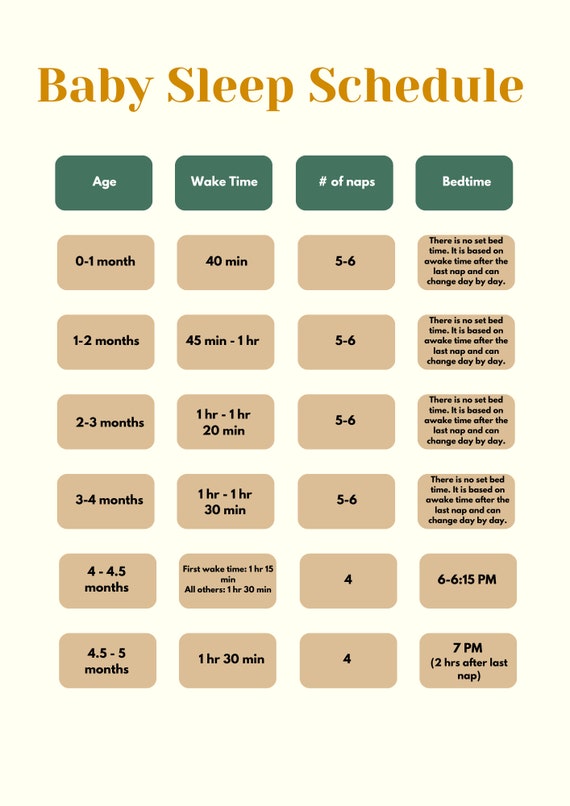
Daytime sleep affects nighttime settling, but more naps are not always the answer. An overtired baby may struggle to sleep, while a baby who sleeps for a long late nap may not feel ready at bedtime.
Use natural light and normal household sounds during the day. Offer feeds regularly and provide short periods of calm play when your baby is alert.
Watch patterns instead of chasing exact numbers. Infant sleep needs vary, but general sleep guidance gives age-based ranges rather than one perfect target. Your pediatric clinician can help if your baby sleeps far less than expected, is hard to wake for feeds, or seems unusually unsettled.
Baby responsive settling approaches work best when the whole day supports regulation. Food, light, movement, connection, and rest all play a part.
When to Seek Professional Help
Contact a health professional if your baby has trouble breathing, turns blue or gray, has a fever according to age-specific medical guidance, refuses feeds, vomits repeatedly, has fewer wet diapers, or is difficult to wake.
Ask for help if crying is sudden, intense, or unlike your baby’s usual cry. Also seek advice if you are worried about reflux, eczema, allergies, constipation, pain, or poor weight gain.
Parent exhaustion matters too. If you feel angry, overwhelmed, or afraid you may fall asleep in an unsafe place, put your baby on their back in a clear crib and step away briefly. Call someone you trust or contact a local crisis or health service.
No sleep method should be used to manage a medical problem without assessment. Baby responsive settling approaches are supportive tools, not a substitute for diagnosis.
What Progress Can Look Like
Progress does not always mean sleeping all night. It may look like:
• Settling with less rocking
• Crying for a shorter time
• Returning to sleep after a brief wake-up
• Accepting comfort from another caregiver
• Taking a regular nap
• A parent feeling more confident
Expect uneven progress. A baby may settle well for three nights and then wake more during a developmental leap. Illness, travel, teething, and new movement skills can all change sleep.
Keep notes for a few days if you feel lost. Record feeds, naps, bedtime, settling time, and night waking. Look for broad patterns rather than judging one difficult night.
The most effective baby responsive settling approaches are often the ones a family can use calmly and safely for more than a few days.
Frequently Asked Questions About Baby Responsive Settling Approaches
Do responsive settling approaches involve letting a baby cry?
Not usually. Responsive settling means staying aware of the baby’s distress and offering comfort. A brief pause may help you observe whether the baby is fussing or crying hard, but you should respond based on age, health, and cues.
Are baby responsive settling approaches suitable for newborns?
Responsive care is suitable from birth, but newborns need frequent feeds and close support. Focus on safe sleep, feeding, calming routines, and learning your baby’s cues rather than expecting independent sleep.
Can I use responsive settling if my baby feeds to sleep?
Yes. Feeding to sleep is common, particularly in early infancy. If you later want to change it, move the feed earlier in the routine and add other calming steps gradually.
How long should I try one settling method?
Try a method long enough to understand how your baby responds, often several nights, unless your baby becomes very distressed or you suspect illness. A method should be flexible, and you can stop, comfort your baby, and seek advice when needed.
Do responsive settling approaches help babies sleep through the night?
They may help some babies settle more easily, but they cannot guarantee uninterrupted sleep. Night waking is normal, and young babies may wake for food or comfort even when settling skills improve.
What if my baby cries more when I stay nearby?
Some babies become more upset when they see or hear a parent without being picked up. Try more hands-on comfort, pick up your baby, or use a different gentle method that suits their temperament.
Conclusion
Baby responsive settling approaches combine comfort, observation, patience, and safe sleep. They allow parents to support sleep without treating crying as a behavior to defeat or expecting every baby to follow the same plan.
Start with your baby’s basic needs, notice early tired signs, use a short calming routine, and offer the amount of help your baby needs today. Small, steady changes are often more useful than a strict program.
Choose a safe approach that fits your family, ask your child’s clinician about health concerns, and give yourself compassion during hard nights. Share your experience with a trusted parent community or explore reliable infant sleep resources for continued support.