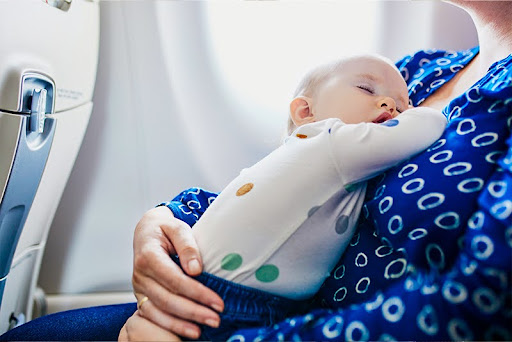
Newborn positional movement development builds through brief, safe practice in different positions while babies learn body control.
Newborn positional movement development describes how a baby uses body position, balance, muscle tone, and reflexes to move. It starts with small changes, such as turning the head, flexing the arms, and kicking both legs. This guide explains what to expect, how to support progress, and when to ask a health professional for help.
What Is Newborn Positional Movement Development?
Newborn positional movement development is the early process of learning how to control the head, trunk, arms, and legs. A newborn does not move with purpose like an older baby. Much of the early movement comes from reflexes and changing muscle tone.
At birth, babies often hold their arms and legs in a bent position. Their movements may look jerky or uneven. This is normal because the brain and muscles are still learning to work as a team.
Position gives babies useful movement practice. Lying on the back supports free kicking and arm movement. Supervised tummy time helps build the muscles needed for head control. Being held upright gives a baby a new view and helps the body adjust to gravity.
Newborn positional movement development is not a race. Babies grow at different speeds, and a healthy range can be wide. The goal is steady progress, not perfect movement at a set age.

How Newborns Move in the First Weeks
A newborn’s movement can seem random, but each action gives clues about early development. Some movements come from reflexes, while others begin as simple attempts to respond to sound, light, touch, or a caregiver’s voice.
Common early movements include:
• Turning the head to one side while lying down
• Briefly lifting or shifting the head during tummy time
• Moving both arms and legs
• Bringing the hands near the face or mouth
• Opening and closing the hands
• Kicking more strongly when excited or uncomfortable
• Startling in response to a loud sound or sudden change
The startle reflex, also called the Moro reflex, may cause a baby to spread the arms, open the hands, and then bring the arms back in. The rooting reflex helps a baby turn toward touch near the mouth. These reflexes are expected in early life and usually fade as voluntary control grows.
Newborn positional movement development may look uneven from one moment to the next. A baby may move more when awake and calm, but move very little when hungry, tired, or upset. Always consider the whole pattern rather than one short observation.

Position-by-Position Guide
Back-lying position
Back lying is the safest sleep position for newborns. It also gives babies room to kick, stretch, wave their arms, and look toward sounds or faces.
The American Academy of Pediatrics recommends placing babies on their backs for every sleep. Use a firm, flat sleep surface with no pillows, loose blankets, bumpers, or stuffed toys.
During awake time, back lying can become a gentle play position. Place a high-contrast toy or your face near the baby, then allow the baby to look and move without forcing the head.
Tummy time
tummy time means placing a baby on the stomach while the baby is awake and watched closely. It helps strengthen the neck, shoulder, arm, and upper back muscles.
Begin with short sessions. A newborn may manage only one or two minutes at first. Several brief sessions can work better than one long session.
Try tummy time:
• On a caregiver’s chest while the caregiver is awake
• Across a caregiver’s lap
• On a firm play mat
• After a diaper change or nap, when the baby is calm
A baby may fuss during tummy time. Gentle talking, eye contact, and a rolled towel under the chest can make the position easier. Never leave a baby alone on the stomach, even for a short time.
Side-lying position
Side lying can offer a calm way to practice movement. It lets a baby bring the hands together and look at the hands. It may also reduce the effort needed compared with tummy time.
Use side lying only during awake, supervised play. Do not use side lying for sleep because babies can roll into unsafe positions.
Upright holding
Holding a newborn upright against your chest supports social contact and gives the baby practice adjusting the head and trunk. Keep one hand behind the head and neck until the baby develops stronger control.
A newborn may briefly lift or turn the head in this position. These small efforts are part of newborn positional movement development. Avoid pulling a baby by the arms or placing pressure on the neck.

Typical Movement Changes From Birth to 3 Months
Developmental ranges are guides, not strict deadlines. Premature babies may need adjusted age when skills are reviewed. Your pediatrician can explain how this applies to your baby.
Birth to 1 month
During the first month, many babies:
• Keep the arms and legs bent
• Move both sides of the body
• Briefly lift or turn the head
• Make jerky or unplanned movements
• Bring the hands near the mouth
• Show reflex movements, such as rooting and startling
At this stage, head control is limited. The head may fall forward or backward if it is not supported. This is why careful support matters during lifting, feeding, and carrying.
Around 2 months
By about 2 months, many babies begin to:
• Hold the head up for short periods during tummy time
• Move the arms and legs with more energy
• Open the hands more often
• Follow a face or toy with the eyes
• Push up slightly through the forearms
These changes do not appear all at once. A baby may show stronger movement one day and seem tired the next. Look for a gradual trend.
Around 3 months
By about 3 months, many babies have better head control and show more smooth movement. They may lift the chest during tummy time, kick strongly, and bring the hands together.
Some babies begin to roll from tummy to back around this period, though timing varies. Rolling can happen suddenly, so stop swaddling when a baby shows signs of trying to roll.

How to Support Healthy Movement at Home
Caregivers do not need expensive equipment to support newborn positional movement development. A safe floor space, a few simple objects, and regular interaction are often enough.
Use these practical steps:
-
Give supervised tummy time every day. Start small and build slowly.
-
Change the baby’s position during awake periods. Use back lying, tummy time, side lying, and upright holding.
-
Place your face or a simple toy where the baby can see it. Move it slowly from side to side.
-
Talk, sing, and smile during play. Your voice can encourage the baby to turn and look.
-
Allow free movement. Avoid keeping the baby in swings, loungers, or car seats for long periods when not traveling.
-
Offer movement after the baby wakes, rather than when the baby is very hungry or tired.
-
Stop when the baby shows stress. Crying, turning away, stiffening, or yawning can mean the baby needs a break.
One lesson many new parents learn is that short practice often works best. A baby does not need a long workout. A few calm minutes, repeated across the day, can build comfort and strength.
Avoid trying to “train” a newborn into sitting, standing, or walking. Early development grows from freedom, safety, and responsive care. Let the baby’s body lead the pace.

Common Factors That Affect Movement
Many factors can shape how a newborn moves. These factors do not always signal a problem.
Prematurity
Babies born early may have lower muscle tone or less strength at first. Health professionals often assess their progress using corrected age. This means counting from the expected due date rather than only from the birth date.
Feeding and sleep
A hungry, tired, or uncomfortable baby may move less. Reflux, gas, illness, or a wet diaper can also change movement for a short time.
Birth experience
A difficult birth, pain, bruising, or medical treatment may affect movement during the early days. Some babies need time to become comfortable after birth.
Muscle tone
Muscle tone refers to the level of tension in the muscles at rest. Very low or very high tone may affect posture and movement. Only a qualified health professional can assess this accurately.
Opportunity to move
Babies who spend most awake time in containers may have fewer chances to stretch and explore. Car seats are vital for travel, but they are not designed as a regular play space.
Newborn positional movement development should always be viewed in context. One unusual movement does not provide a diagnosis. Repeated patterns, changes over time, and the baby’s overall health matter more.
Signs That Need Medical Attention
Contact your pediatrician if you notice a persistent or concerning change. Early advice can provide reassurance or lead to helpful support.
Ask for medical guidance if a newborn:
• Does not move one arm or one leg
• Uses one side much more than the other
• Seems very stiff or unusually floppy
• Rarely moves during alert periods
• Has repeated shaking that does not stop when gently held
• Keeps the head turned to one side
• Has lost a movement the baby previously had
• Has trouble feeding, breathing, waking, or responding
Seek urgent care for breathing trouble, blue or gray skin, a seizure, severe weakness, or a baby who is difficult to wake.
Do not compare your baby with videos or posts online. Social media can show a narrow picture of normal development. A pediatrician, nurse, or pediatric physical therapist can observe the baby directly and explain what the movement means.

Safe Sleep and Movement Safety
Safe sleep and awake movement serve different goals. Tummy time supports strength, but babies must sleep on their backs. Never place a baby to sleep on the stomach or side.
Follow these safety habits:
• Use a firm, flat crib, bassinet, or play yard
• Keep the sleep area free of loose items
• Move a sleeping baby from a car seat or swing to a firm sleep surface
• Stop swaddling when the baby shows signs of rolling
• Avoid weighted swaddles and weighted sleep products
• Keep the baby’s face and head uncovered
• Stay close during tummy time
A caregiver may feel nervous when a baby fusses during floor play. That feeling is common. Comfort the baby, try a shorter session, and return later. Safety and trust matter more than completing a set amount of time.
What Research and Experts Tell Us
Pediatric guidance supports back sleeping, daily supervised tummy time, and regular opportunities for free movement. The Centers for Disease Control and Prevention uses developmental milestones as signs that many children can do by a certain age, not as exact tests for every child.
The World Health Organization also encourages floor-based activity for infants when they are awake. Its guidance highlights the value of interactive play and limiting time spent restrained in equipment.
Research has limits. Studies may include different groups of babies, and development can vary with prematurity, medical history, culture, and home routines. For that reason, milestone lists should guide observation, not replace professional assessment.
Newborn positional movement development is best understood as a changing pattern. The baby’s comfort, alertness, strength, symmetry, and progress all add useful information.
Frequently Asked Questions About Newborn Positional Movement Development
What is normal movement for a newborn?
Normal newborn movement may include kicking, stretching, brief head turns, jerky arm movements, and reflexes. Babies often move more when they are calm and awake, and less when they are tired or hungry.
How much tummy time should a newborn get?
Start with short, supervised sessions several times a day. Even a few minutes at a time can help, and you can slowly increase the total as the baby becomes more comfortable.
Is it normal for a newborn to favor one side?
A newborn may briefly turn toward one side, especially when tired or interested in a sound. Persistent side preference, limited movement on one side, or a head that always faces the same way should be discussed with a pediatrician.
Should I help my newborn sit or stand?
Newborns do not need sitting or standing practice. Support natural movement through tummy time, floor play, safe holding, and free kicking rather than placing the baby in positions the body is not ready to manage.
When should I worry about newborn movement?
Seek medical advice if the baby is very stiff, very floppy, does not move one side, has repeated unusual shaking, or loses a skill. Get urgent help for breathing problems, blue or gray skin, a seizure, or extreme difficulty waking.
Can a newborn sleep on the stomach after tummy time?
No. Tummy time is for awake, supervised play only. Always place a newborn on the back for sleep on a firm, flat surface.
Conclusion
Newborn positional movement development begins with small actions: a head turn, a kick, an open hand, or a brief lift during tummy time. Safe sleep, supervised floor play, varied awake positions, and warm caregiver interaction help these early skills grow.
Watch for gradual progress rather than perfect timing. If movement seems very uneven, unusually stiff, very floppy, or suddenly changes, contact your pediatrician. Use trusted health guidance, keep practice gentle, and explore more newborn development resources to support your baby with confidence.