Newborn overstimulation happens when sensory input exceeds a baby’s ability to process and recover.
Newborn overstimulation and sensory regulation can feel confusing, especially when a baby suddenly cries, turns away, or refuses to settle. In the early weeks, a baby’s brain is still learning how to sort light, sound, touch, movement, hunger, and tiredness. This guide explains the signs, causes, calming steps, and safety limits so you can respond with confidence and care.

What Is Newborn Overstimulation?
Newborn overstimulation occurs when a baby receives more sensory input than their developing nervous system can manage. The input may come from bright lights, loud sounds, many people, frequent handling, strong smells, or too much movement.
A newborn cannot say, “I need a break.” Instead, the baby may use body signals. These signals are not bad behavior. They are messages that say, “This is too much right now.”
Newborn overstimulation and sensory regulation are closely linked. Sensory regulation means helping a baby move from stress toward calm. It does not mean forcing a baby to stay quiet or making every moment perfectly calm.
A newborn’s brain works like a small control room. It can handle only a few signals at once. When too many lights, sounds, and touches arrive together, the system may become overloaded.
Common signs include:
• Turning the head away or avoiding eye contact
• Looking away, staring, or appearing “checked out”
• Frowning, grimacing, or showing a tense face
• Spreading the fingers or keeping the hands open
• Arching the back or stiffening the body
• Kicking, waving the arms, or moving in a jerky way
• Yawning, hiccupping, sneezing, or looking suddenly pale
• Crying that grows louder or harder to soothe
• Trouble feeding, latching, or staying awake
One sign alone does not always mean overstimulation. A yawn may mean tiredness, and a cry may mean hunger. Look at the full pattern and what happened just before the change.
Why Do Newborns Become Overstimulated?
Newborns are sensitive because their sensory systems and self-soothing skills are still developing. They have limited control over their sleep, movement, attention, and emotional state.
The womb was a steady place. It was dark, warm, and filled with soft, filtered sound. After birth, a baby meets sharp lights, direct voices, cool air, clothing, movement, and new faces. Even gentle events can feel intense.
Common triggers of newborn overstimulation include:
• Too many visitors in one day
• Passing the baby from one person to another
• Bright overhead lights
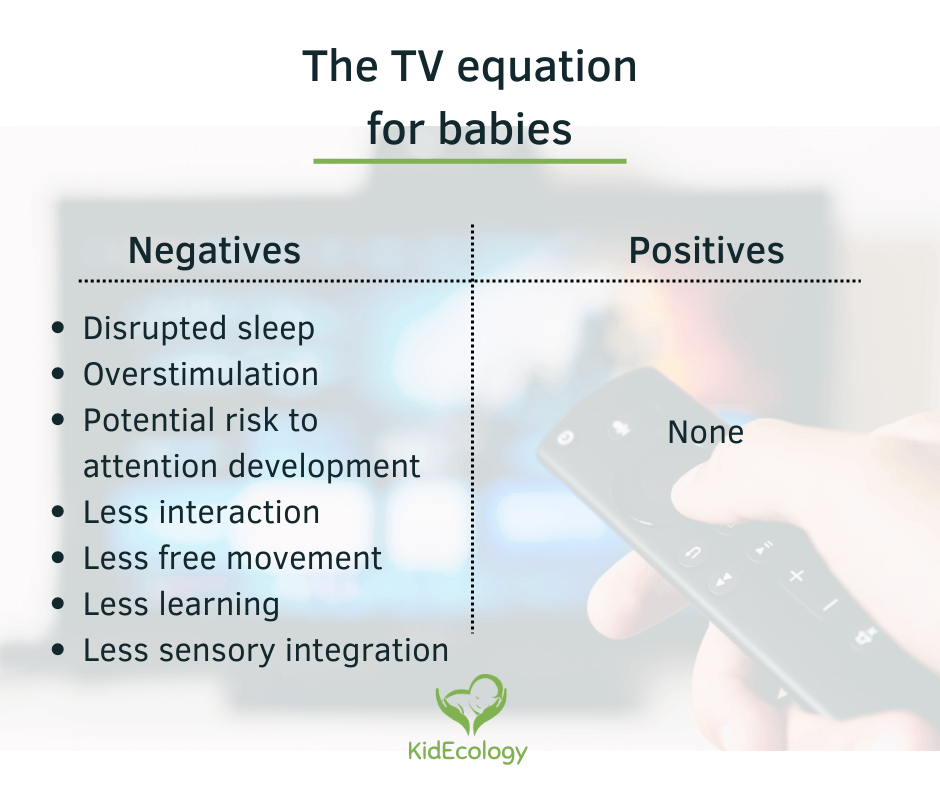
• Television, music, phones, or loud conversation
• Long periods of eye contact or face-to-face play
• Many toys or high-contrast objects at once
• Frequent outfit changes, baths, or diaper changes
• A crowded store, family event, or noisy restaurant
• Being awake for too long
• Hunger, gas, reflux discomfort, or a wet diaper
• Strong perfumes, smoke, or cleaning odors
A tired baby is often more sensitive. Sleep loss reduces a newborn’s ability to cope with normal sensory input. This is why a baby may seem calm in the morning but cry after a busy afternoon.
It also helps to remember that babies differ. Some newborns enjoy more movement and sound. Others need long pauses, dim light, and quiet contact. Newborn overstimulation and sensory regulation are not one-size-fits-all topics.
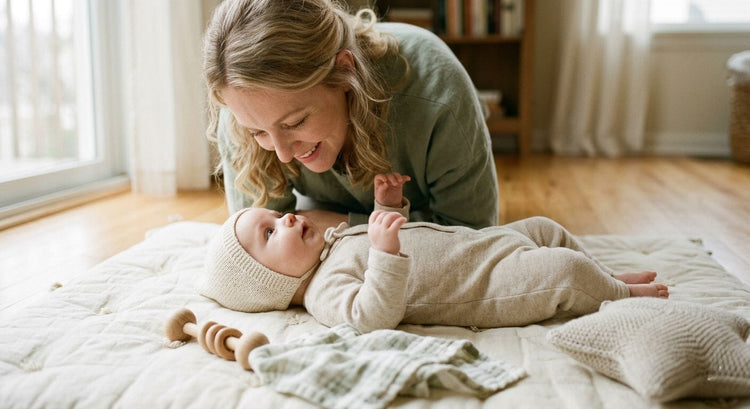
Newborn Overstimulation and Sensory Regulation: Signs to Watch
The best time to respond is often before intense crying begins. Early cues are easier to read, and a baby may calm faster.
A useful way to observe your baby is to note three things:
- What happened before the behavior?
- What signs did the baby show?
- What helped the baby recover?
For example, a baby may smile and look alert during a family visit. After ten minutes, the baby may turn away, stretch, and begin to fuss. If people keep talking and touching, the fussing may become a sharp cry. The early turning away was likely a request for a pause.
Early signs may include:
• Looking away from a face or object
• Slowing movement
• Becoming less engaged
• Changing facial expression
• Closing the hands
• Small fussing sounds
Later signs may include:
• Intense crying
• Fast arm and leg movements
• Body stiffening
• Difficulty latching or sucking
• Redness, sweating, or rapid breathing
A baby who turns away is not rejecting you. The baby may be trying to protect their attention. Respecting that pause supports newborn overstimulation and sensory regulation.
In my view, one of the most useful lessons for new caregivers is to treat these cues as communication rather than a challenge. You do not need to “win” the moment. You need to lower the demands on the baby’s senses.

How to Calm an Overstimulated Newborn
When a newborn seems overloaded, reduce input first. More rocking, more talking, or more toys may feel helpful to an adult but can add to the problem.
Try these simple steps:
-
Move to a quiet room. Reduce voices, music, and background noise.
-
Lower the light. Use soft daylight or a dim lamp instead of bright overhead light.
-
Hold the baby close. A secure hold can reduce sudden movement and provide steady touch.
-
Use slow movement. Gentle rocking may help, but stop if the baby becomes more upset.
-
Speak in a low, calm voice. Use short phrases rather than constant talking.
-
Check basic needs. Look for hunger, a wet diaper, gas, temperature discomfort, or illness.
-
Offer a feeding if hunger may be the cause. Follow the baby’s feeding cues.
-
Allow a pause. Some babies need stillness more than motion.
-
Swaddle only when appropriate. Use a safe, properly fitted swaddle if your baby is not rolling and your pediatrician supports it.
-
Place the baby on their back in a clear crib when sleepy. Safe sleep must come before soothing preferences.
The goal is not always to stop crying at once. Crying may continue while the baby slowly settles. Your calm presence still matters.
One mistake caregivers often make is changing strategies every few seconds. A baby may receive rocking, bouncing, singing, a pacifier, and a room change in rapid order. This creates more input. Choose one gentle approach and give it time.
Never shake, jerk, or throw a baby. If you feel overwhelmed, place the baby on their back in a safe crib and step away for a few minutes. Ask another trusted adult for help.

Sensory Regulation Activities for Newborns
Newborn sensory regulation does not require special products. Simple, steady experiences are often best.
Helpful options may include:
• Skin-to-skin contact while the awake adult remains alert
• Quiet holding with slow breathing
• A soft voice or gentle humming
• Dim lighting during evening care
• A consistent bedtime pattern
• Slow diaper changes with brief pauses
• A calm walk in a quiet setting
• One simple visual object at a comfortable distance
• Gentle touch with the baby’s permission through body cues
Watch how your baby responds. If the baby turns away, stiffens, cries, or becomes more frantic, stop the activity and reduce input.
White noise may help some babies, but it must be used carefully. Keep the device far from the crib, use the lowest effective volume, and avoid loud or continuous exposure. The American Academy of Pediatrics has warned that some infant sound machines can reach unsafe levels when placed close to a baby.
Avoid overstimulating products that flash, vibrate strongly, or make loud sounds. A newborn does not need a busy activity center to learn. Everyday care, loving contact, and rest provide rich experiences.
Newborn overstimulation and sensory regulation work best with rhythm. Think of a slow song, not a fast drumbeat. Repeated patterns help a baby know what comes next.

Creating a Calm Sensory Environment
You do not need a silent home. Normal household sounds are safe and useful. The aim is to reduce sudden, intense, or constant input.
Try creating small calm zones during the day:
• Keep one room softly lit and quiet for naps
• Turn off background television when no one is watching
• Ask visitors to wash their hands and limit handling
• Give the baby short breaks during social events
• Use curtains to reduce harsh sunlight
• Keep strong fragrances away from the baby
• Protect feeding time from noise and interruptions
• Build a simple pattern around sleep, feeding, and care
A calm environment does not mean keeping a baby isolated. Babies benefit from safe interaction, eye contact, voice, touch, and movement. The key is balance and recovery time.
Cultural and family practices may shape how people hold, soothe, and welcome a newborn. These traditions can be comforting. Still, every practice should be adjusted to the baby’s cues and safe sleep rules.
Newborn overstimulation and sensory regulation also involve the caregiver’s nervous system. Babies often respond to the pace of an adult’s movements and voice. Taking one slow breath before picking up your baby can help you respond instead of react.

Overstimulation, Tiredness, or Illness?
Overstimulation can look like hunger, gas, reflux, colic, or tiredness. This makes it important to avoid assuming that every cry has one cause.
A simple check can help:
• Hunger: Is it near feeding time? Is the baby rooting, sucking hands, or making feeding motions?
• Tiredness: Has the baby been awake longer than usual? Does the baby yawn or look away?
• Discomfort: Is the diaper wet? Is clothing tight? Does the baby seem too hot or cold?
• Overstimulation: Did the signs begin after noise, visitors, bright light, or active play?
• Illness: Does the baby have a fever, weak feeding, unusual sleepiness, breathing trouble, or a change in color?
Contact a health care professional if you are worried or if your baby seems unwell. Seek urgent care for trouble breathing, blue or gray skin, a seizure, severe lethargy, or a rectal temperature of 100.4°F (38°C) or higher in a baby younger than 3 months.
This article cannot diagnose a baby. Newborn behavior varies, and online guidance cannot replace an examination by a pediatric clinician.
Common Mistakes to Avoid
Newborn overstimulation and sensory regulation become easier when caregivers know what not to do.
• Do not keep adding stimulation to stop crying. More input can raise stress.
• Do not force eye contact. Looking away may be a healthy break.
• Do not compare babies. One newborn may sleep through visitors while another needs quiet.
• Do not use weighted blankets, weighted swaddles, or loose bedding. These can create serious safety risks.
• Do not place a sleeping baby on a couch, recliner, adult bed, or soft surface.
• Do not rely on swaddling once the baby shows signs of rolling.
• Do not ignore your own stress. Put the baby safely down and ask for support when needed.
• Do not blame yourself. Overstimulation can happen in loving, careful homes.
A common lesson from newborn care is that prevention is easier than recovery. Short visits, quiet pauses, and early bedtime routines may prevent a difficult evening.

When to Call a Pediatrician
Talk with your pediatrician if your baby often appears distressed, has ongoing feeding problems, or does not recover with quiet holding and basic care.
Ask for guidance if you notice:
• Poor weight gain or fewer wet diapers
• Repeated choking, gagging, or trouble feeding
• Persistent back arching or severe discomfort
• Unusual stiffness or extreme floppiness
• Limited response to sound or movement
• Crying that is sudden, intense, or very different
• A pattern that worries you as a caregiver
Professional support is especially important for premature babies or babies with medical conditions. Their sensory needs may differ, and their care plan should come from their medical team.
Research from the American Academy of Pediatrics, the World Health Organization, and the Centers for Disease Control and Prevention supports responsive care, safe sleep, healthy feeding, and prompt attention to concerning symptoms. These groups also recognize that infant behavior must be viewed in context.
Frequently Asked Questions About Newborn Overstimulation and Sensory Regulation
What are the first signs of newborn overstimulation?
Early signs may include looking away, yawning, finger spreading, frowning, body tension, or sudden changes in movement. Responding at this stage may help prevent intense crying.
How do I calm an overstimulated newborn?
Move your baby to a quiet, dim room and reduce talking, movement, and handling. Hold the baby gently, check basic needs, and give the baby time to settle.
Can newborns be overstimulated by too much holding?
Holding is usually comforting, but frequent passing, bouncing, or changing positions may overload some babies. Follow your baby’s cues and offer steady, quiet contact instead.
Is white noise safe for a newborn?
White noise may help some babies when it is quiet and placed far from the crib. Avoid loud volume, close placement, and continuous high-level sound.
How long does newborn overstimulation last?
Some babies calm within a few minutes, while others need longer rest. If distress continues or seems unusual, check for hunger, discomfort, illness, or a medical concern.
Should I avoid visitors to prevent overstimulation?
Visitors do not need to be avoided completely. Limit the number of people, keep visits short, and give the baby quiet breaks between contact.
Is overstimulation a sign of autism?
Newborn overstimulation alone does not indicate autism. Sensory responses change during early development, and concerns should be discussed with a pediatric professional.
Conclusion
Newborn overstimulation and sensory regulation are about noticing a baby’s cues and lowering the sensory load before distress grows. Quiet spaces, soft light, slow touch, steady routines, and safe sleep practices can make a real difference.
Your baby does not need a perfect home or a perfect caregiver. Start with one small change: pause the noise, dim the light, and watch what your baby communicates. Share this guide with another caregiver, and speak with your pediatrician whenever your baby’s behavior or health concerns you.