Newborn calming and regulation development grows through warm, steady care, not through self-control or strict sleep training.
Newborn calming and regulation development begins at birth, yet a baby’s brain cannot manage stress alone. Babies need adults to notice their cues, reduce stress, and offer comfort through touch, voice, movement, feeding, and rest. This guide explains what regulation looks like, how it changes in the first months, and how you can support it with safe, simple steps.
What Is Newborn Calming and Regulation Development?
Newborn calming and regulation development is the gradual process by which a baby learns to move from distress toward comfort. It includes sleep, feeding, crying, body temperature, movement, attention, and responses to sound or touch.
A newborn does not yet have the brain skills needed to calm alone. The areas that manage control and stress are still growing. This is why a baby may cry after a small change, wake often, or need the same soothing step many times.
Think of your baby’s nervous system as a small boat on moving water. Your calm voice, gentle arms, and steady rhythm act like an anchor. Over time, repeated care helps the baby’s body learn what safety feels like.
Newborn calming and regulation development does not mean that a baby will stop crying. Crying is a normal form of communication. It may signal hunger, tiredness, pain, cold, heat, discomfort, or a need for closeness.
Important parts of newborn calming and regulation development include:
• Moving from crying to a calmer state
• Handling brief periods of sound, light, and touch
• Sleeping and waking in short cycles
• Feeding with growing rhythm and skill
• Looking toward a caregiver’s face or voice
• Recovering after stress or overstimulation
• Using early self-soothing actions, such as sucking or bringing hands near the mouth

Why Newborns Struggle to Calm Themselves
A newborn’s brain is wired for survival, not independence. The baby notices changes quickly but cannot yet understand or control them. A bright room, a wet diaper, hunger, or a sudden noise can feel like a major event.
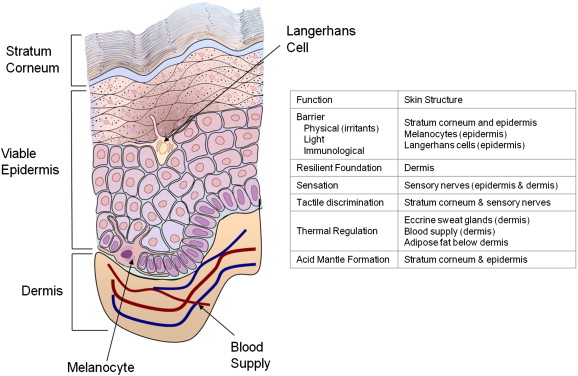
The autonomic nervous system controls many body functions without conscious thought. It helps manage heart rate, breathing, digestion, and stress responses. In newborns, these systems are still immature and can shift quickly.
This immaturity explains why a baby may seem calm one moment and cry hard the next. It also explains why a baby may need help settling after a feed, bath, diaper change, or family visit.
Common reasons for sudden distress include:
• Hunger or a growth spurt
• A wet or soiled diaper
• Gas, reflux symptoms, or constipation
• Too much light, sound, movement, or handling
• Being awake beyond the baby’s comfort window
• Feeling too hot or too cold
• Needing physical closeness
• Illness or pain
Newborn calming and regulation development can also vary by temperament. Some babies are highly alert and react to small changes. Others are more relaxed and sleep through more noise. Neither pattern automatically means something is wrong.
Research on infant development supports a key point: responsive care helps babies build early emotional security. A caregiver does not need to respond perfectly every time. Consistent, caring repair matters more than perfection.

Newborn Calming and Regulation Development by Age
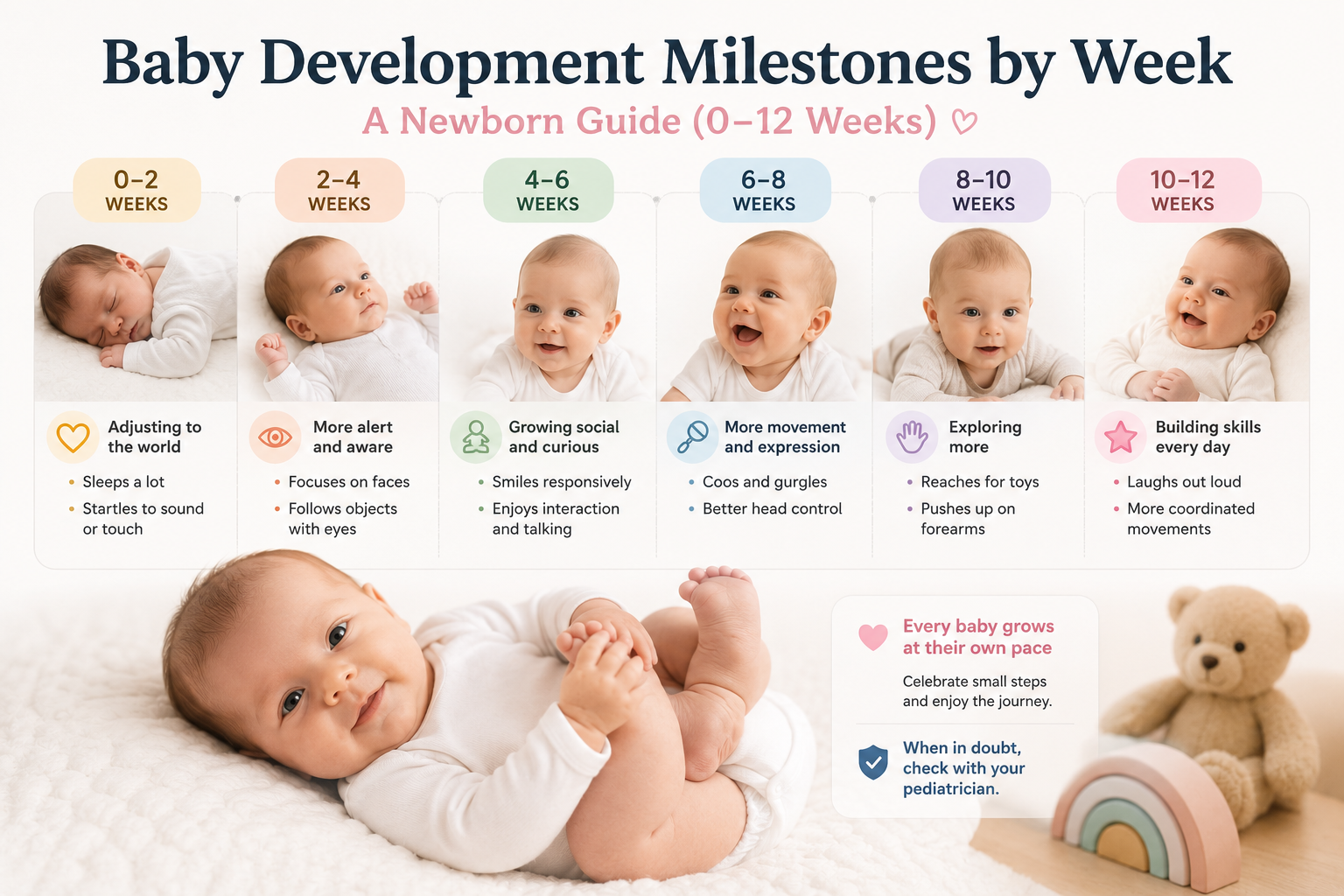
Development does not follow an exact schedule. Babies grow at different speeds, and premature babies may follow a different timeline. Still, common patterns can help you know what to expect.
Birth to 6 weeks
During the early weeks, babies often need full support to calm. They may startle, cry during transitions, and wake often for feeding. Their sleep and wake periods can change from day to day.
Helpful signs of calm may include:
• Relaxed hands
• Slower movements
• Soft facial muscles
• Even breathing
• Looking at a caregiver
• Quiet alertness
Newborn calming and regulation development at this stage depends heavily on co-regulation. Co-regulation means that an adult helps the baby’s body settle through a safe and steady presence.
6 to 12 weeks
Many babies begin to show longer periods of quiet alertness. They may watch faces, respond to familiar voices, and recover more quickly after mild stress.
Some babies also become more socially engaged. Smiles, soft sounds, and eye contact can become part of the calming process. A familiar face can help the baby shift from alertness to comfort.
This stage may still include frequent crying. The peak crying period often occurs around the second month, then gradually improves for many babies. A rise in crying does not mean that a caregiver has failed.
3 to 6 months
Babies often gain more control over their bodies during this period. They may bring hands to the mouth, turn away from stimulation, pause during interaction, or use sounds to seek attention.
These actions show early regulation skills. The baby is not fully calming alone, but the baby is beginning to take part in the process.
Newborn calming and regulation development lays the base for later skills such as waiting, shifting attention, and managing frustration. These later skills take years to mature.
How to Support Newborn Calming and Regulation Development
The most useful approach is simple, steady, and responsive. You do not need special equipment or a perfect routine. Start by learning your baby’s early signals.
Notice early stress cues
Crying is often a late sign of distress. Earlier signs may include:
• Turning the head away
• Stiffening the arms or legs
• Fast arm movements
• Frowning or wrinkling the forehead
• Hiccups, sneezing, or yawning
• Changes in breathing
• Looking glazed or avoiding eye contact
When you notice these cues, lower the stimulation. Dim the light, pause the activity, and hold the baby close if the baby welcomes touch.
Use slow, repeated comfort
Choose one or two calming actions and give them time to work. Fast changes can add more stimulation.
Try:
- Hold the baby securely against your chest.
- Use a low, calm voice.
- Reduce light and background noise.
- Offer feeding if hunger may be the cause.
- Use slow rocking or gentle walking.
- Pause and watch the baby’s response.
Newborn calming and regulation development improves through repetition. A baby may need the same steps many times before the body settles.
Protect sleep
Overtired babies can be hard to calm. Watch for early sleep cues instead of waiting for intense crying. A quiet room, a clean diaper, and a familiar short routine may help.
Always place a baby on the back for every sleep. Use a firm, flat sleep surface with no pillows, loose blankets, bumpers, or stuffed toys. Room sharing without bed sharing is recommended by the American Academy of Pediatrics for safer sleep.
Offer safe skin-to-skin contact
Skin-to-skin contact can support warmth, feeding, heart rate, and bonding. It may help a baby become more settled, especially after birth or during a fussy period.
Stay awake and alert during skin-to-skin contact. If you feel sleepy, place the baby in a safe sleep space. Never use a couch or soft chair as a sleep area.
Build flexible patterns
Newborns do not need a strict clock-based schedule. A loose pattern can still help. For example, feeding, a short period of quiet interaction, and sleep may form a simple cycle.
Keep the pattern flexible. Growth spurts, illness, travel, and developmental changes can affect behavior. Newborn calming and regulation development grows best with predictable care that still responds to the baby’s needs.

Co-Regulation: The Adult’s Role
Co-regulation is the heart of newborn calming and regulation development. It means the caregiver lends calm to the baby. Your steady breathing, voice, touch, and pace send repeated safety signals.
This does not require you to feel calm all the time. Caring for a newborn can be tiring, lonely, and intense. A stressed caregiver can still provide good care by taking brief pauses and asking for help.
Try this when you feel overwhelmed:
• Place the baby safely on the back in the crib.
• Step away for a few minutes.
• Take slow breaths or drink water.
• Call a trusted person.
• Return when you feel more able to cope.
Never shake, hit, or jerk a baby. Shaking can cause severe brain injury or death. If crying feels unbearable, put the baby in a safe sleep space and seek support right away.
A practical lesson from infant care is that many soothing attempts fail because caregivers change tactics too quickly. A baby may need a quiet pause after being picked up, not another sound, toy, or movement. Less can be more.

What Can Disrupt Newborn Regulation?
Some factors make calming harder. Knowing them can help you respond with care instead of blame.
Overstimulation
Too much noise, light, movement, or handling can overload a young nervous system. Family gatherings can be loving but tiring for a newborn.
Give the baby breaks. Let the baby rest in a quiet space between visits. Ask guests to wash their hands, speak softly, and avoid passing the baby from person to person.
Feeding problems
Poor latch, fast milk flow, swallowing air, or feeding difficulty can lead to distress. Signs may include coughing during feeds, very long feeds, poor weight gain, fewer wet diapers, or unusual sleepiness.
A pediatrician or lactation professional can help assess feeding. Do not assume every cry means hunger, and do not delay care when feeding seems difficult.
Pain or illness
A baby who is hard to wake, has trouble breathing, feeds poorly, or develops a fever needs prompt medical advice. For infants younger than 3 months, a rectal temperature of 100.4°F (38°C) or higher requires urgent contact with a health professional.
Seek emergency help for blue lips, severe breathing trouble, seizure-like activity, or a baby who cannot be roused. Newborn calming and regulation development should never be used to explain away possible illness.
Caregiver stress
Sleep loss can affect patience and judgment. Share night duties when possible. Accept meals, laundry help, and short breaks. A supported caregiver is better able to offer steady co-regulation.
Common Mistakes to Avoid
Many well-meaning caregivers worry that comfort will spoil a newborn. Current developmental knowledge does not support that fear. Responding to a newborn’s need for comfort helps build safety; it does not create bad habits.
Avoid these common mistakes:
• Waiting until intense crying before offering comfort
• Using many soothing methods at once
• Keeping the baby awake to “make” the baby sleep longer
• Using loose blankets, pillows, or weighted sleep products
• Falling asleep while holding the baby on a couch or chair
• Ignoring feeding or illness signs
• Comparing one baby’s sleep or crying with another’s
• Believing that a calm baby must always be quiet
Newborn calming and regulation development is not a test of parenting skill. A baby may cry even when every need has been met. Your job is not to prevent every cry. Your job is to respond safely and lovingly.

When to Seek Professional Help
Contact your pediatrician if you have concerns about your baby’s behavior, feeding, sleep, or development. You do not need to wait until a problem becomes severe.
Ask for help if your baby:
• Is difficult to wake for feeds
• Has repeated breathing pauses or breathing difficulty
• Feeds poorly or has fewer wet diapers
• Does not seem to respond to sound or movement
• Has unusual stiffness, limpness, or repeated jerking
• Cries in a sudden, extreme, or unusual way
• Has a fever or seems very ill
• Is not gaining weight as expected
Also seek support for yourself. Postpartum depression, anxiety, and traumatic stress can affect any parent. Feeling sad, fearful, detached, or unable to cope deserves care, not shame.
Newborn calming and regulation development has limits as a concept. It cannot diagnose reflux, allergies, infection, neurological conditions, or feeding disorders. Use it as a guide for responsive care, not as a substitute for medical evaluation.
Frequently Asked Questions About Newborn Calming and Regulation Development
When do newborns start calming themselves?
Newborns rely mainly on caregivers to calm them. Early self-soothing actions, such as sucking, hand-to-mouth movements, and turning away, may appear in the first months, but mature self-regulation develops over years.
How can I calm an overstimulated newborn?
Move to a quiet, dim room and reduce talking, movement, and handling. Hold the baby safely, use a soft voice, and allow time for the nervous system to settle.
Does holding a newborn too much spoil the baby?
No. Responsive holding meets a newborn’s need for safety and support. Newborn calming and regulation development depends on repeated, caring responses rather than forced independence.
Why does my newborn cry even after feeding and changing?
Crying can come from tiredness, gas, temperature changes, overstimulation, or a need for contact. If the crying is unusual, severe, or linked with poor feeding or illness signs, contact a health professional.
Should I use swaddling to help my newborn calm?
Swaddling may reduce startling for some young babies when done correctly. Keep the baby on the back, use a light fabric, allow hip movement, and stop swaddling when the baby shows signs of rolling.
Can newborns learn a sleep schedule?
Newborn sleep is usually irregular because feeding and body rhythms are still developing. A flexible routine can support sleep, but strict schedules are often unrealistic in the first weeks.
What should I do if I feel too stressed by crying?
Place the baby safely in the crib and step away for a short break. Call someone you trust, and never shake or hit the baby; seek urgent support if you fear you may lose control.
Conclusion
Newborn calming and regulation development grows through safe, repeated relationships. Babies learn calm when caregivers notice early cues, reduce stimulation, offer steady comfort, protect sleep, and respond to health needs.
You do not need to soothe perfectly. Start with one calm step, watch your baby’s response, and ask for help when needed. Keep learning from your pediatrician and trusted infant-care resources, and share your own calming strategies with other new parents.