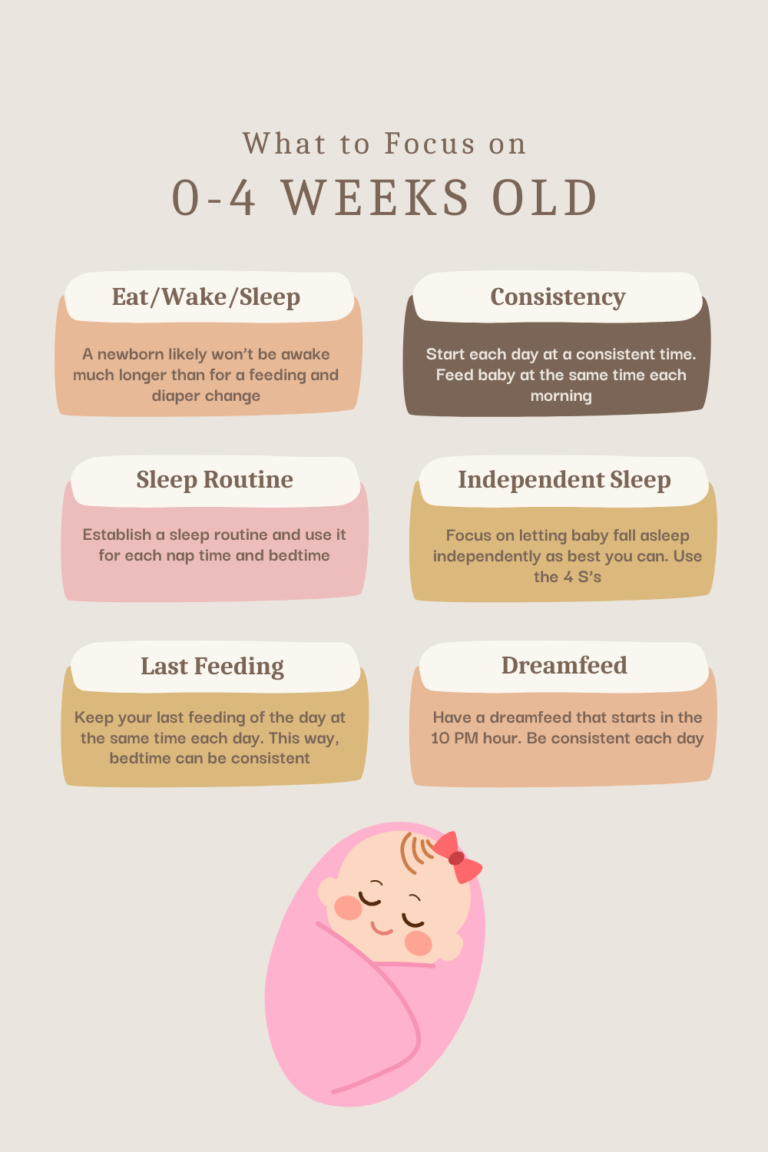
Newborn sensory development in the first month helps babies see, hear, smell, taste, touch, and respond to the world.
The first month is a quiet but powerful period of growth. Your baby’s senses are active from birth, yet they are still learning how to process light, sound, touch, movement, and faces. Understanding newborn sensory development in the first month can help you read your baby’s cues, support early learning, and know when to ask a health care professional for advice.
What Is Newborn Sensory Development in the First Month?
Newborn sensory development in the first month is the process by which a baby receives and responds to information through the five senses: sight, hearing, smell, taste, and touch. Babies are not born with fully mature sensory systems, but many senses work well from day one.
At this age, your baby learns through short bursts of looking, listening, sucking, smelling, and feeling. These moments may seem small, but they build early brain connections. Think of your baby’s brain as a new path through a forest. Each safe and repeated experience helps make that path clearer.
Newborns also use their senses to feel secure. Your voice, scent, warmth, and gentle touch can become familiar signals that say, “You are safe.”
How a Newborn’s Vision Develops
Vision is one of the least mature senses at birth. Most newborns see best at a distance of about 8 to 12 inches, which is roughly the space between your face and your baby’s face during feeding.
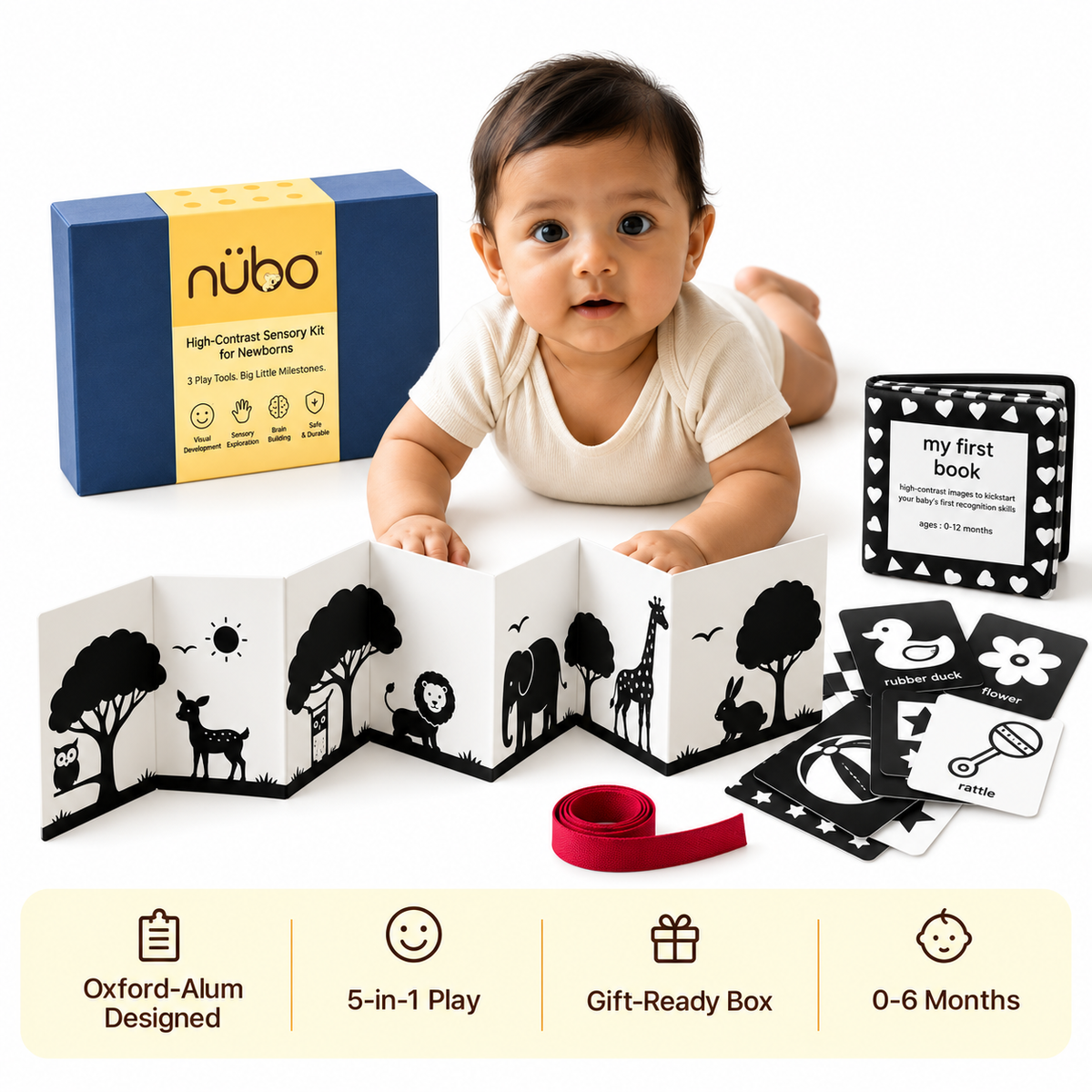
Your baby may focus briefly on a face or bold shape. They may prefer human faces, strong patterns, and high-contrast colors. Black-and-white patterns can be easier to notice than soft pastels during the first weeks.
During newborn sensory development in the first month, you may notice your baby:
• Looks at your face for a few seconds
• Briefly follows a slow-moving object
• Turns toward light
• Stares at bright windows or lamps
• Has eyes that sometimes wander or cross
Occasional eye wandering is common in the first month because eye control is still developing. However, constant crossing, a white reflection in the pupil, or an eye that always turns in one direction deserves medical attention.
Avoid placing bright lights close to your baby’s face. Instead, use soft daylight and hold your face close during calm, awake times. A baby does not need a busy wall of toys. One face, one gentle expression, and a few quiet seconds are enough.
Hearing and Early Listening Skills
Hearing is usually well developed at birth. Babies may recognize familiar voices, especially the voice they heard often before birth. They may startle at a sudden sound, pause while crying, or become calm when they hear a parent speak.
Newborn sensory development in the first month includes learning the difference between sudden noise and familiar sound. Your baby may not understand words yet, but they notice pitch, rhythm, volume, and emotion.
• Talk softly during diaper changes
• Sing the same short song at bedtime
• Read aloud, even if the book has no story
• Pause after speaking so your baby has time to respond
• Keep loud sounds away from your baby’s ears
A newborn may not turn toward every sound. Many babies respond with a blink, a change in sucking, a pause, or a small movement. These quiet responses count.
If your baby does not startle at loud sounds, does not respond to your voice, or seems not to hear by the end of the first month, mention it to the pediatrician. Hospitals often screen newborn hearing before discharge, but later concerns still deserve attention.

Touch: The Sense That Builds Safety
Touch is one of the strongest ways to support newborn sensory development in the first month. A baby’s skin is highly responsive to warmth, pressure, movement, and gentle contact.
Skin-to-skin contact can help a newborn stay warm and may support calm breathing, feeding, and bonding. Hold your baby against your bare chest while you are awake and alert. Cover your baby’s back with a light blanket, and make sure the face and nose stay clear.
Helpful forms of touch include:
• Gentle rocking
• Holding during feeding
• Slow back rubbing
• A warm bath with close support
• Soft clothing without rough seams
• Infant massage with a health professional’s guidance
Newborns can become overwhelmed by too much touch. A baby who turns away, stiffens, spreads their fingers, hiccups, or cries may need a break. These signs do not mean your baby dislikes you. They may simply need less stimulation.
A common mistake is trying to soothe a crying baby with constant movement, noise, and bouncing. Sometimes the best answer is stillness, a calm hold, and a quiet room.
Smell and Taste in the First Month
Smell and taste are active early in life. Newborns can detect familiar scents and may respond to the smell of breast milk, formula, a parent, or a caregiver. Scent can help a baby locate food and feel comforted.
Taste also guides feeding. Babies are born with a preference for sweet tastes, which is one reason breast milk and formula are naturally appealing. Newborns do not need water, juice, tea, honey, or solid foods during the first month unless a medical professional gives specific instructions.
Newborn sensory development in the first month may look like:
• Turning toward a familiar milk scent
• Relaxing when held close to a parent
• Smacking the lips before feeding
• Sucking more strongly when hungry
• Pulling away when full or uncomfortable
Keep strong perfumes, smoke, scented sprays, and essential oils away from your baby. These smells may irritate the nose and lungs. Never put fragrance products on a newborn’s skin without medical advice.

How Babies Combine Their Senses
Newborn sensory development in the first month does not happen one sense at a time. Babies combine sight, sound, smell, touch, and movement to understand what is happening.
For example, your baby may hear your voice, smell your skin, see your face, and feel your arms during one cuddle. These combined signals help your baby learn that the same person can bring comfort again and again.
This is called multisensory learning. It supports early bonding and helps the brain organize new information. It also explains why simple routines can be so calming.
A gentle feeding routine may include:
-
Lowering the lights.
-
Speaking in a soft voice.
-
Holding your baby close.
-
Offering the breast or bottle when hunger cues appear.
-
Pausing when your baby needs to burp or rest.
There is no need to create a perfect sensory program. Daily care is already rich with learning. Feeding, bathing, changing, holding, and talking all give your baby useful sensory practice.
Signs Your Baby Is Overstimulated
Newborns have limited energy for processing sensory input. A room that feels normal to an adult may feel very busy to a newborn. Too much light, noise, handling, or movement can lead to overstimulation.
Possible signs include:
• Turning the head away
• Closing the eyes
• Becoming fussy
• Stiffening the arms or legs
• Spreading the fingers
• Hiccupping or sneezing
• Looking pale or flushed
• Crying suddenly
When you notice these signs, reduce the input. Dim the lights, lower your voice, stop passing the baby around, and hold them close. Some babies settle with a snug but safe swaddle, while others prefer free arm movement.
Never shake, bounce forcefully, or use heavy blankets to calm a baby. If crying feels intense or you feel close to losing control, place your baby safely on their back in a crib and step away for a few minutes. Ask someone you trust for help.

Simple Ways to Support Newborn Sensory Development
You do not need expensive products to support newborn sensory development in the first month. Your voice, face, hands, and steady care are the most useful tools.
Try these age-appropriate ideas:
• Hold your baby face-to-face when they are calm and awake.
• Use one soft sound, such as humming, instead of many sounds at once.
• Let your baby feel safe textures, such as a soft cotton blanket.
• Move a simple black-and-white card slowly from side to side.
• Give short periods of tummy time while your baby is awake and watched.
• Offer skin-to-skin contact when you and your baby are calm.
• Follow your baby’s cues and stop when they look tired.
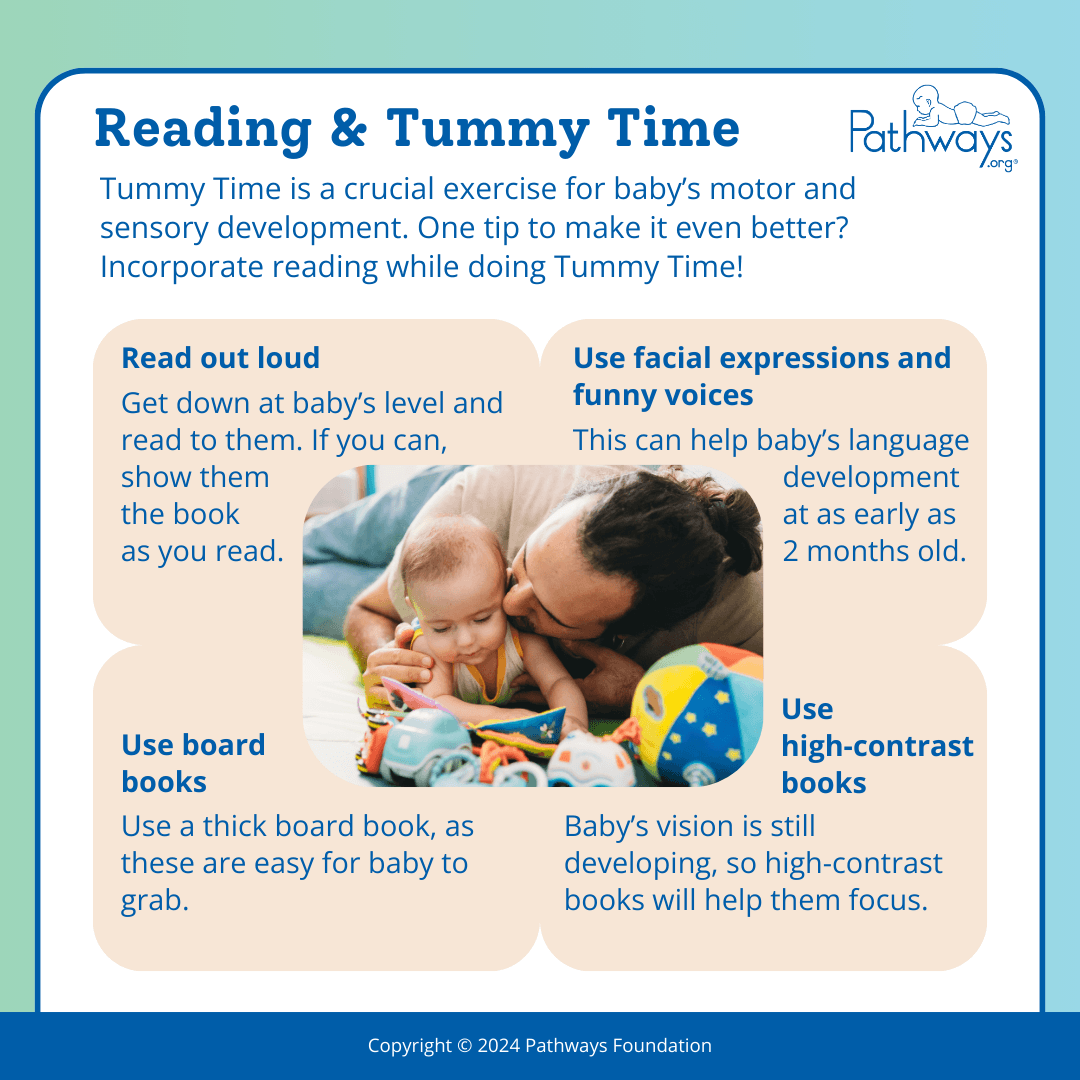
Tummy time supports early motor development as well as sensory learning. Start with short sessions, such as one to three minutes, several times each day. Always place your baby on their back for sleep and on their tummy only during awake, supervised time.
A practical lesson for new parents is to choose one sensory activity at a time. A baby does not need music, a toy, bright lights, and conversation all at once. One calm experience often teaches more than a crowded play session.
What Is Normal and What Needs Attention?
Every newborn develops at a different pace. Some babies look often at faces, while others spend more time sleeping and feeding. Premature babies may follow a different developmental timeline, so corrected age may be used when assessing progress.
Normal differences may include:
• Short periods of eye contact
• Uneven movement
• Sleepy behavior
• Brief startling
• Hands that stay closed much of the time
• Irregular responses to sound
Contact your baby’s health care professional if you notice:
• No response to very loud sounds
• No reaction to a caregiver’s voice by the end of the first month
• A constant eye turn or unusual eye appearance
• Extreme stiffness or extreme floppiness
• Trouble sucking, swallowing, or feeding
• Repeated breathing problems during feeding
• A clear loss of a skill your baby previously showed
Developmental guidance is not a diagnosis. A single missed response does not always signal a problem. Still, parents should trust their observations and share concerns early. Early assessment can provide reassurance or connect a baby with support when it is helpful.
Common Mistakes to Avoid
Parents often worry that they are not doing enough. In reality, many sensory mistakes come from trying too hard.
Avoid these common problems:
• Keeping the television on loudly near the baby
• Using flashing toys or bright lights
• Passing the baby from person to person when they are tired
• Comparing your baby with another newborn
• Expecting steady eye contact
• Practicing tummy time when the baby is hungry or upset
• Using scented products around the baby
• Treating every cry as a need for more stimulation
Newborn sensory development in the first month grows through safety and repetition, not pressure. Your baby does not need to perform. They need time, rest, food, comfort, and responsive care.
It can help to keep a simple note of what you see. Write down when your baby responds to your voice, looks at your face, or becomes tired. This record can make pediatric visits more useful and may help you notice patterns.
What Experts Say About the First Month
Pediatric guidance generally emphasizes responsive care, safe sleep, hearing screening, supervised tummy time, and regular health visits. Brain development is supported by warm, consistent relationships rather than by early academic training.
Research on infant development also shows that repeated, healthy interaction helps strengthen early learning. Talking, reading, singing, and skin-to-skin contact are simple practices with strong value because they combine language, sound, touch, and emotional connection.
There are limits to what parents can judge at home. Sensory responses can change with hunger, sleep, illness, birth experience, and prematurity. Online milestones are helpful for general guidance, but they cannot replace an examination by a qualified health professional.

Frequently Asked Questions
What can a newborn see in the first month?
A newborn can usually see light, faces, and large shapes, but clear vision is limited. Most babies focus best at about 8 to 12 inches away and may prefer high-contrast patterns.
Can newborns recognize their parents?
Newborns may recognize familiar voices and smells soon after birth. They also learn a parent’s face through repeated close contact, especially during feeding and cuddling.
How can I stimulate my newborn’s senses safely?
Talk, sing, cuddle, and offer brief face-to-face time when your baby is calm and awake. Use one gentle activity at a time and stop when your baby looks away, yawns, or becomes fussy.
Do newborns hear everything?
Newborns can hear many sounds, including voices and sudden noises. They may respond with a startle, blink, pause in sucking, or small movement rather than turning their head.
Is it normal for a newborn’s eyes to cross?
Occasional crossing or wandering can be normal during the first month while eye control develops. Constant crossing, an unusual pupil reflection, or another persistent eye concern should be checked by a health care professional.
Does skin-to-skin contact support sensory development?
Yes. Skin-to-skin contact gives a newborn warmth, pressure, familiar smell, and the sound of a caregiver’s heartbeat and voice. It may also support calm behavior and feeding.
When should I call the pediatrician about sensory development?
Call if your baby does not respond to loud sounds, seems unable to see light or faces, has major feeding trouble, or shows unusual stiffness or floppiness. Also call when your instincts tell you something is not right.
Conclusion
Newborn sensory development in the first month unfolds through ordinary care. Your baby learns from your face, voice, scent, touch, and steady presence. Short, calm moments are more useful than complex toys or constant stimulation.
Watch your baby’s cues, offer gentle experiences, protect sleep, and give your baby time to respond. If you have concerns about hearing, vision, feeding, movement, or sensory responses, contact your pediatrician. Explore trusted newborn development resources, and share your own experience with other new parents.