Newborn physiological reflexes show how the brain, nerves, and muscles are working during early life.
Understanding newborn physiological reflexes and what they indicate helps parents and caregivers recognize normal development while spotting signs that need medical care. These automatic movements may look small, but they act like early messages from a baby’s nervous system. This guide explains the main reflexes, when they appear, when they fade, and what changes may mean.

What are newborn physiological reflexes?
Newborn physiological reflexes are automatic movements that babies make without conscious control. They begin in the brainstem and spinal cord, which are active before the higher brain areas fully mature.
A baby does not need to learn how to root, suck, blink, or grasp. These responses are built in. They help with feeding, protection, movement, and early bonding.
Newborn physiological reflexes and what they indicate can vary based on:
• The baby’s age after birth
• Whether the baby was born early
• Alertness and sleep state
• Hunger, stress, or illness
• Medicines given during labor
• Birth injury or nerve problems
A reflex is not a stand-alone diagnosis. A health professional looks at the whole baby, including muscle tone, breathing, color, feeding, alertness, and movement on both sides of the body.

Why do newborn reflexes matter?
Newborn physiological reflexes and what they indicate give clinicians a quick view of early nervous system function. They do not provide a complete picture, but they can show whether key nerve pathways are responding as expected.
For example, a strong suck can support feeding. An equal grasp in both hands may suggest that the arms and related nerves are working in a balanced way. A reflex that is missing, weak, very strong, or present on only one side may need closer review.
These reflexes also protect a baby. Rooting helps the baby find a nipple. Sucking helps move milk. The blink reflex protects the eyes from bright light or touch.
It is helpful to think of reflexes as a newborn’s built-in safety tools. They are like small automatic switches that support survival while the brain develops more control.
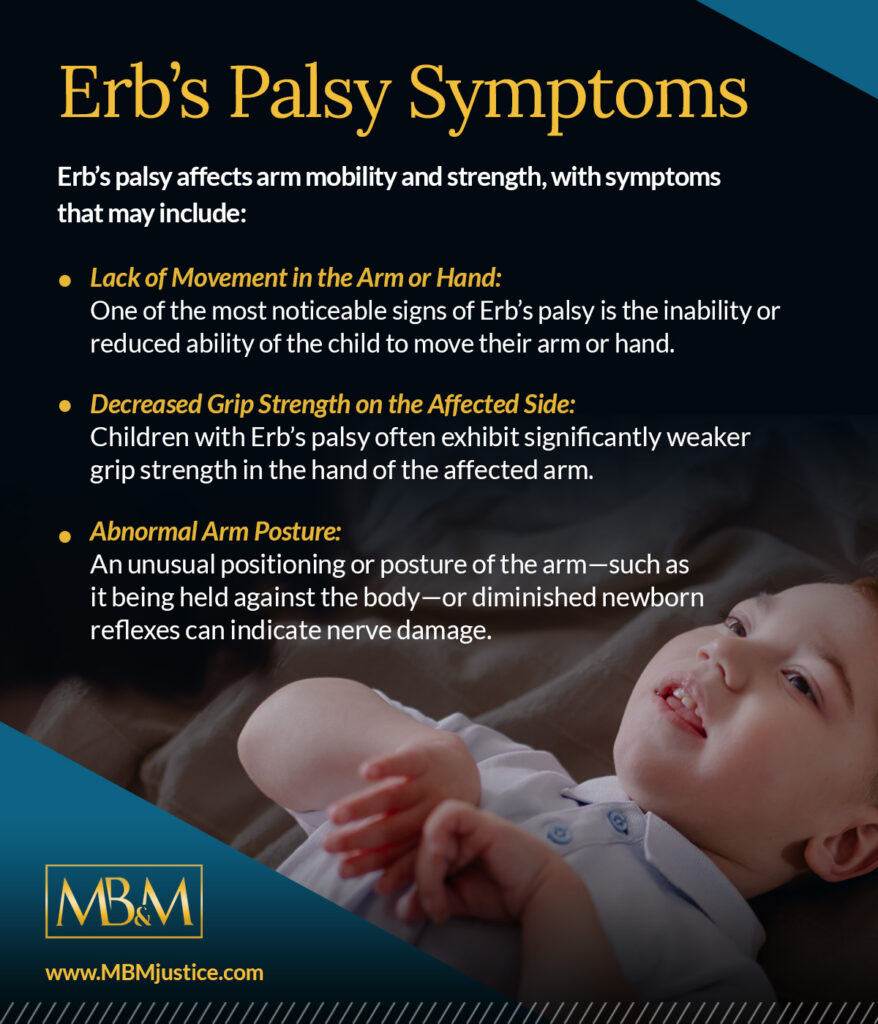
Common newborn physiological reflexes and what they indicate
Rooting reflex
When you gently touch a baby’s cheek or the corner of the mouth, the baby usually turns toward that side and opens the mouth. This is the rooting reflex.
It helps the baby find the breast or bottle. It often becomes clear at birth and may fade by about 4 months, although timing can vary.
A weak rooting response may occur when a baby is deeply asleep, full, cold, or unwell. If the response stays weak during feeds, the baby may need a feeding assessment.
Sucking reflex
Touching the roof of a newborn’s mouth usually triggers sucking. This reflex is vital for breast or bottle feeding.
The suck may be less organized in premature babies. Some early babies need extra help with pacing, positioning, or alternate feeding methods until sucking, swallowing, and breathing work together.
A baby who coughs, chokes, tires quickly, or cannot maintain a suck should be assessed by a pediatric clinician. These signs may relate to prematurity, low muscle tone, illness, or a swallowing problem.
Moro reflex
The Moro reflex is also called the startle reflex. A sudden sound, movement, or feeling of falling may cause the baby to:
• Extend the arms
• Open the hands
• Pull the arms back in
• Cry briefly
The Moro reflex usually appears at birth and fades by about 4 to 6 months. It should generally appear on both sides.
A one-sided Moro response can occur with a painful arm or a nerve injury. It may also happen after a difficult delivery. Never test this reflex by shaking or dropping a baby. A clinician can check it safely.
Palmar grasp reflex
When an adult places a finger in a baby’s palm, the baby often closes the fingers around it. This is the palmar grasp reflex.
It supports early hand awareness and usually becomes less automatic by about 5 to 6 months. The baby later gains more voluntary control over reaching and holding objects.
If one hand grips much less than the other, the arm may be painful or a nerve pathway may need evaluation. Avoid pulling a baby upward by the hands, even if the grasp seems strong.
Plantar grasp reflex
Touching the sole near the base of the toes may cause the toes to curl downward. This is the plantar grasp reflex.
It is normal in early infancy and may fade as voluntary foot movement develops. The timing differs among babies.
This response is different from the Babinski reflex, which causes the big toe to move upward and the other toes to fan outward.
Babinski reflex
When the outer sole of a newborn’s foot is gently stroked, the big toe may rise and the other toes may spread. This is the Babinski reflex.
The response can be normal in babies because their motor pathways are still maturing. It may remain present through the second year of life.
A clinician considers the baby’s age, the strength of the response, and whether it is equal on both feet. An unusual response does not automatically mean a serious problem.
Tonic neck reflex
When a baby turns the head to one side, the arm and leg on that side may extend while the opposite arm and leg bend. This is often called the fencing position.
The tonic neck reflex may appear in the first months of life and usually fades by about 5 to 7 months. It supports early body awareness and movement patterns.
If the baby always holds the head to one side, seems stiff, or moves one arm less, contact a health professional. A persistent preference can have several causes, including muscle tightness or discomfort.
Stepping reflex
When held upright with the feet touching a firm surface, a newborn may make stepping movements. This is the stepping reflex.
It does not mean the baby is ready to walk. It reflects early activity in the spinal cord and movement systems.
The reflex may fade within the first few months and later return as voluntary walking develops. A baby should always be held securely during any clinical check.
Galant reflex
With the baby held face down and the skin stroked along one side of the spine, the baby may curve the body toward that side. This is the Galant reflex.
It may help the newborn respond to touch along the back. It typically becomes less noticeable during early infancy.
A clearly uneven response or unusual body stiffness deserves professional review. Parents should not repeatedly test this reflex at home.
Blink and withdrawal reflexes
A newborn may blink when exposed to bright light, a sudden movement, or gentle touch near the eye. The baby may also pull away from an uncomfortable touch.
These responses protect the eyes and body. The blink reflex is not the same as a social smile or intentional reaction.
A baby who does not blink to bright light, seems unable to move one side, or has a sudden change in alertness needs prompt medical attention.

Newborn reflex timeline
Newborn physiological reflexes and what they indicate become clearer when viewed across time. Some are strongest at birth, while others change as the brain gains voluntary control.
Here is a general guide:
| Reflex | Usual start | Usual change |
|---|---|---|
| Rooting | At birth | Less automatic by about 4 months |
| Sucking | At birth | Becomes more controlled during early infancy |
| Moro | At birth | Often fades by 4 to 6 months |
| Palmar grasp | At birth | Usually fades by 5 to 6 months |
| Plantar grasp | At birth | Gradually decreases during infancy |
| Babinski | At birth | May remain normal into the second year |
| Tonic neck | At birth or early infancy | Usually fades by 5 to 7 months |
| Stepping | At birth | Often fades during the first few months |
| Galant | At birth | Usually decreases during early infancy |
These time frames are ranges, not strict deadlines. Babies develop at different speeds. Premature babies may show different timing because their nervous systems are at an earlier stage of development.
A single exam gives limited information. Repeated checks during newborn visits often give a better view of progress.
How clinicians assess newborn reflexes
Newborn physiological reflexes and what they indicate are assessed as part of a broader newborn physical exam. The clinician observes the baby before touching them, since alertness and behavior provide useful clues.
The exam may include:
- Watching spontaneous movement in all four limbs
- Checking muscle tone and posture
- Testing feeding-related reflexes
- Comparing reflexes on the left and right sides
- Observing the baby’s response to sound and touch
- Checking breathing, color, heart rate, and alertness
- Reviewing pregnancy, labor, birth, and family history
The timing of the exam matters. A sleepy baby may show a weaker response. A hungry baby may root strongly but become upset during other parts of the exam.
Clinicians also consider medications used during labor, such as pain medicines or anesthesia. These may briefly affect alertness, tone, or feeding behavior.
One practical lesson from newborn care is that context prevents needless fear. A reflex should be interpreted as part of a pattern, not as a pass-or-fail test.

What abnormal newborn reflexes may indicate
Newborn physiological reflexes and what they indicate can sometimes point to a need for more testing. An abnormal result may reflect a temporary issue, but it should not be ignored when it is persistent or combined with other symptoms.
Possible concerns include:
• A reflex missing on both sides
• A reflex that is much weaker on one side
• A reflex that is unusually strong or prolonged
• Poor muscle tone, with the baby feeling very floppy
• Excessive stiffness or repeated arching
• Trouble sucking, swallowing, or breathing during feeds
• Little spontaneous movement in one arm or leg
• A sudden loss of a reflex that was present before
These signs do not identify one specific condition. They may occur with prematurity, infection, low blood sugar, medication effects, birth trauma, nerve injury, or problems affecting the brain or spinal cord.
Parents should seek urgent medical help if a newborn has breathing trouble, blue or gray skin, a seizure, extreme sleepiness, repeated choking, severe weakness, or cannot feed. In these situations, do not wait for a routine appointment.

Reflex differences in premature babies
Newborn physiological reflexes and what they indicate may look different in babies born before 37 weeks. Premature babies often have less mature sucking, lower muscle tone, and less consistent responses.
A premature baby may need time to coordinate:
• Sucking
• Swallowing
• Breathing
• Waking for feeds
This does not mean the baby has permanent nerve damage. Development often follows the baby’s corrected age, which accounts for how early the birth occurred.
For example, a baby born 8 weeks early may reach some milestones about 8 weeks later than a full-term baby. The care team will track growth and development over time rather than judging one reflex in isolation.
Skin-to-skin care, calm feeding routines, safe positioning, and follow-up visits can support progress. Always follow the feeding plan given by the neonatal or pediatric team.
How parents can observe reflexes safely
Parents do not need to perform formal reflex tests. Watching normal daily behavior is safer and often more useful.
You may notice that your baby:
• Turns toward your touch near the cheek
• Sucks during feeding
• Grasps a finger
• Blinks in bright light
• Moves both arms and legs
• Startles at a sudden sound
• Pulls away from an uncomfortable position
Never shake, drop, jerk, or strongly startle a baby to test the Moro reflex. Do not force a finger into the mouth or press hard on the feet and spine.
Keep a simple note if you notice a repeated difference between the two sides. Share the observation with the baby’s pediatric clinician, especially if it affects feeding or movement.
A useful caregiving habit is to watch patterns over several hours or days. One quiet moment is less important than a lasting change in behavior.
Common mistakes when interpreting newborn reflexes
Searching for information about newborn physiological reflexes and what they indicate can be helpful, but online videos and checklists have limits. A reflex can change with sleep, hunger, illness, temperature, and handling.
Common mistakes include:
• Treating one home observation as a diagnosis
• Comparing a newborn with another baby
• Expecting every reflex to appear with the same strength
• Ignoring feeding, breathing, or alertness changes
• Testing a reflex too often
• Waiting too long when a baby moves one side less
• Assuming an early or late reflex always means brain damage
The best approach is calm observation and timely communication. If something feels different, describe exactly what you saw, when it began, and whether the baby was awake, feeding, or crying.
Health professionals may repeat the exam and monitor development before deciding whether more tests are needed. This careful approach reduces both missed problems and unnecessary alarm.
Frequently asked questions about newborn physiological reflexes and what they indicate
What are the most important newborn reflexes?
The rooting, sucking, Moro, grasping, tonic neck, stepping, Babinski, and blink reflexes are among the main newborn reflexes. They help clinicians assess early feeding skills, movement, muscle tone, and nervous system function.
When do newborn reflexes disappear?
Many early reflexes fade during the first 4 to 6 months as voluntary movement develops. The exact timing varies, and the Babinski response may remain normal until around age 2.
Is it normal for a newborn to have a weak reflex?
A weak response may occur when a baby is sleepy, premature, cold, hungry, or affected by medication. A reflex that remains weak, is absent, or differs greatly between sides should be discussed with a pediatric clinician.
What does an absent Moro reflex indicate?
An absent Moro reflex may be linked to prematurity, low alertness, a painful arm, nerve injury, or a problem affecting the nervous system. Clinicians interpret it with the rest of the newborn exam rather than using it alone.
Can parents test newborn reflexes at home?
Parents can safely observe natural behaviors, such as rooting during feeding or grasping a finger. Formal testing should be done by a trained professional because forceful or repeated testing can upset or hurt a newborn.
Do premature babies have different newborn reflexes?
Yes. Premature babies may have weaker or less organized reflexes, especially for sucking and feeding. Their progress is often judged using corrected age and repeated developmental checks.
Conclusion
Newborn physiological reflexes and what they indicate offer useful clues about early brain, nerve, muscle, and feeding function. Rooting and sucking support feeding, grasping and stepping show early movement patterns, and the Moro and blink reflexes help protect the baby.
The timing and strength of each reflex can vary, especially in premature babies. What matters most is the full picture, including feeding, breathing, muscle tone, alertness, and equal movement on both sides.
Observe your baby gently, avoid home stress tests, and contact a pediatric professional if a reflex is absent, one-sided, or linked with feeding or breathing problems. Keep learning from trusted newborn health resources, and share any concerns early rather than waiting.