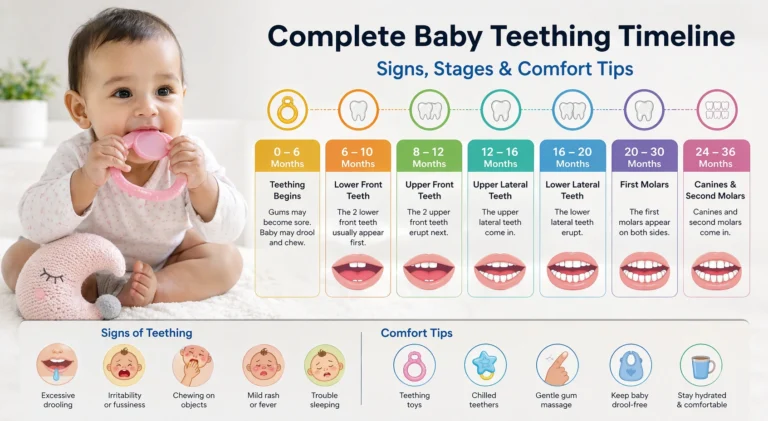
Healthy newborn outings are possible with careful timing, low crowd exposure, good hygiene, and flexible plans.
Newborn public-outing considerations can feel overwhelming, especially during the first weeks at home. As a practical guide for new parents, I focus on the balance between protecting a young immune system and helping families return to daily life. This article explains when to go out, where to go, what to pack, and which warning signs mean it is safer to stay home or call a doctor.
When Can a Newborn Go Outside?
There is no single age that applies to every baby. A healthy, full-term newborn may go outside soon after birth if the baby’s pediatrician has no concerns. A short walk, a quiet drive, or time in a private outdoor space is often a gentle first step.
The key newborn public-outing considerations are the baby’s health, the setting, the weather, and the number of people nearby. A baby born early, a baby with a heart or lung condition, or a baby with a weak immune system may need a more careful plan.
Ask the pediatrician for personal advice if your baby:
• Was born prematurely
• Has trouble breathing or feeding
• Has a low birth weight
• Has a heart, lung, or immune condition
• Has recently spent time in the neonatal intensive care unit
For most healthy babies, being outside is not harmful. The concern is close contact with sick people, crowded indoor spaces, poor air quality, and extreme temperatures. Think of a newborn outing as a small test drive, not a full day of errands.
Start with 10 to 20 minutes near home. Watch how your baby handles the trip. If feeding, sleep, and temperature remain normal, you can slowly increase the time.

Choosing Safe Places for a Newborn Outing
The location matters as much as the timing. A quiet park, uncrowded outdoor café, or family home may be safer than a busy mall, packed restaurant, or indoor party.
Good first destinations include:
• A calm neighborhood walk
• A quiet park with shade
• A pediatrician visit
• A small family gathering with healthy guests
• An outdoor space with clean air
Use extra care in places where people stand close together. Airports, concerts, crowded stores, public transit, and large celebrations can expose a newborn to many germs. These spaces may also make feeding, changing, and calming the baby harder.
The best newborn public-outing considerations include crowd size and air flow. Outdoor spaces usually allow more distance and fresh air. Still, outdoor safety is not automatic. Avoid smoke, poor air quality, heavy traffic, wildfire haze, and areas with many mosquitoes.
If you visit someone’s home, ask whether anyone is sick. A person with a cough, fever, vomiting, diarrhea, or a cold sore should wait before holding the baby. This includes well-meaning relatives.
A simple rule works well: healthy hands, healthy guests, and healthy spaces. You do not need to apologize for protecting your newborn. Clear limits are a form of care.
How to Protect a Newborn From Germs
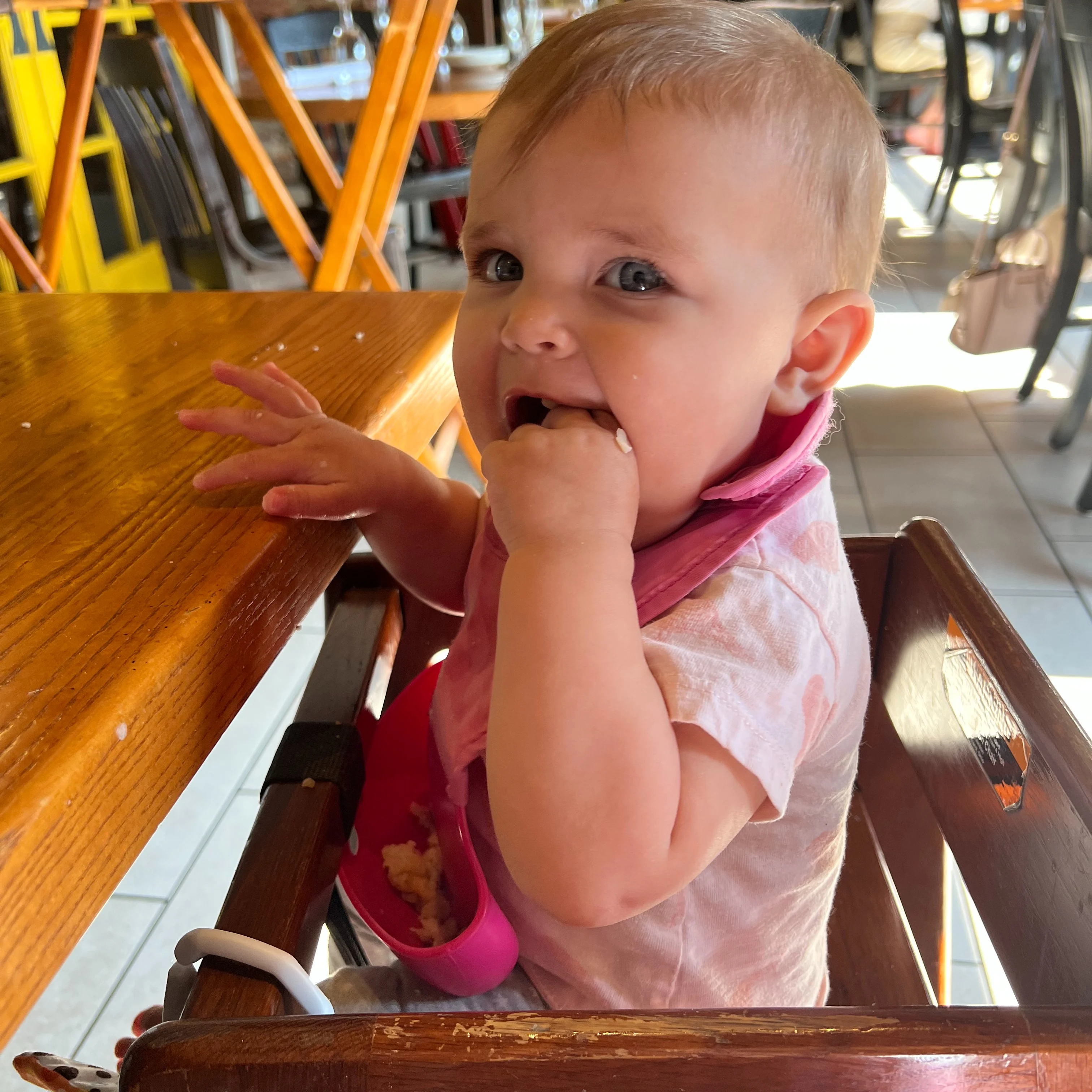
Newborns have developing immune systems. They can become seriously ill from infections that cause mild symptoms in adults. Good hygiene is one of the most useful newborn public-outing considerations.
Before anyone touches the baby, ask them to wash their hands with soap and water for at least 20 seconds. Hand sanitizer with at least 60% alcohol is useful when soap and water are not available. Keep sanitizer away from the baby’s hands and mouth.
Ask visitors to follow these rules:
• Do not visit when sick
• Wash hands before touching the baby
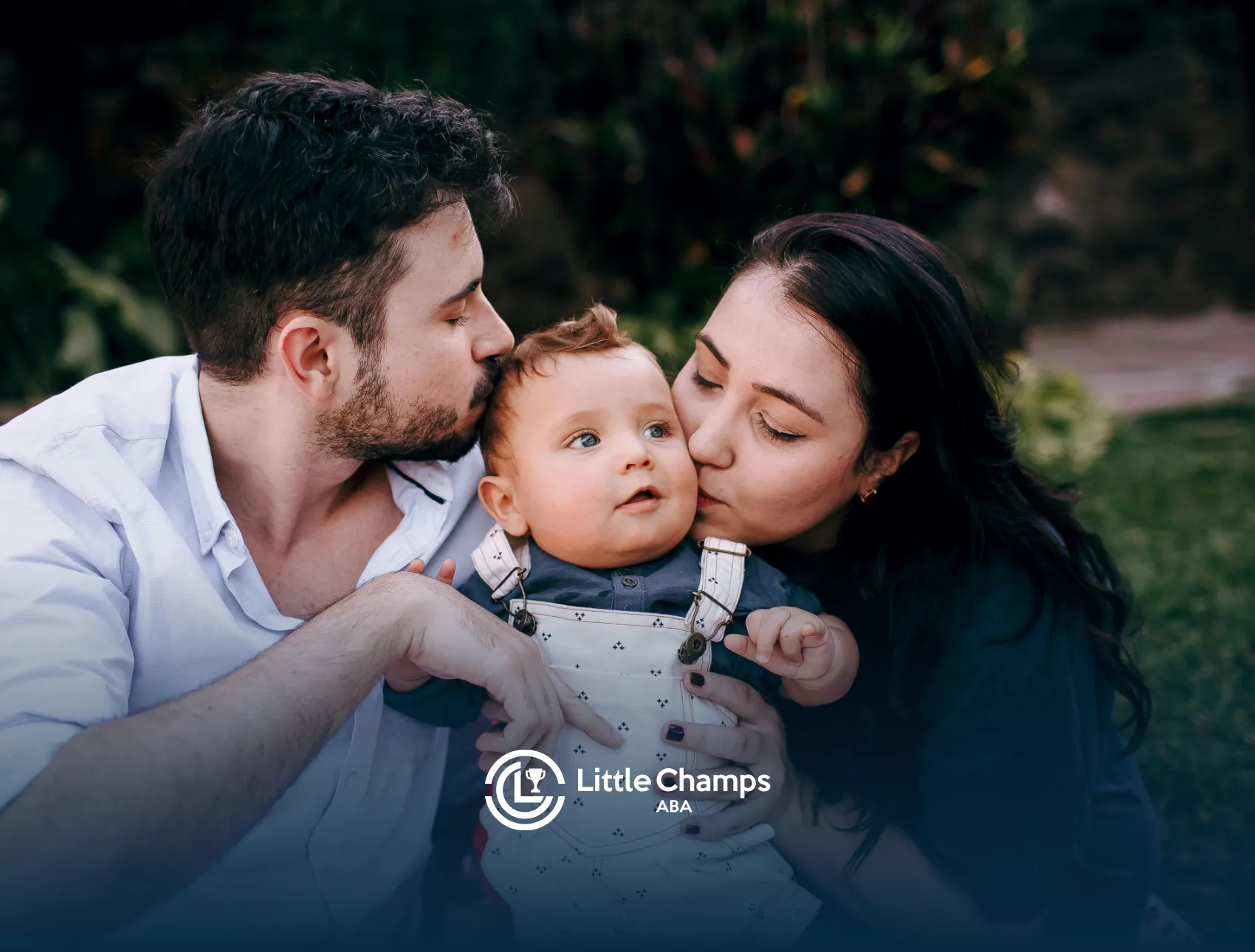
• Do not kiss the baby’s face or hands
• Cover coughs and sneezes
• Avoid touching the baby after smoking
• Follow the family’s vaccine and health rules
The American Academy of Pediatrics supports routine childhood vaccines and recommends that close caregivers stay current with vaccines advised by their health professionals. Ask the baby’s doctor about protection against influenza, COVID-19, whooping cough, and respiratory syncytial virus, also called RSV.
Do not place a loose blanket over a stroller to block germs or sunlight. It can reduce air flow and cause overheating. Use a fitted sunshade or canopy that leaves space for air to move.
Face masks may help adults with respiratory symptoms in some settings, but a mask should never cover a newborn’s face. Babies under age 2 should not wear masks because of breathing and safety risks.
My practical lesson for families is simple: reduce exposure without trying to create a perfect bubble. You cannot remove every germ. You can avoid the most preventable risks.

Dressing a Newborn for Outdoor Weather
Newborns do not control body temperature as well as older children. They can become too cold or too hot faster than adults. Weather planning is one of the most important newborn public-outing considerations.
A useful rule is to dress the baby in about one more light layer than an adult wears in the same weather. Check the baby’s chest or back, not just the hands and feet. Cool hands can be normal, while a hot, sweaty chest may signal overheating.
In warm weather:
• Choose light, breathable clothing
• Use shade instead of direct sun
• Avoid the hottest part of the day
• Offer normal breast milk or formula feeds
• Check the baby often for sweating or flushed skin
• Never leave the baby alone in a parked car
In cold weather:
• Use several thin layers
• Cover the head outdoors when needed
• Keep the baby’s face clear
• Remove bulky coats before placing the baby in a car seat
• Check the chest and back during the outing
A thick coat can prevent car seat straps from fitting tightly. Instead, secure the harness first, then place a blanket over the straps. The blanket must stay loose around the baby’s face.
Sun protection also needs care. Babies younger than 6 months should be kept out of direct sunlight when possible. Use shade, protective clothing, and a stroller canopy. Ask a pediatrician about sunscreen if shade and clothing cannot fully protect the baby.
If the baby feels very hot, looks unusually red, acts weak, feeds poorly, or has fewer wet diapers, move indoors and contact a health professional.
Car Seat and Travel Safety
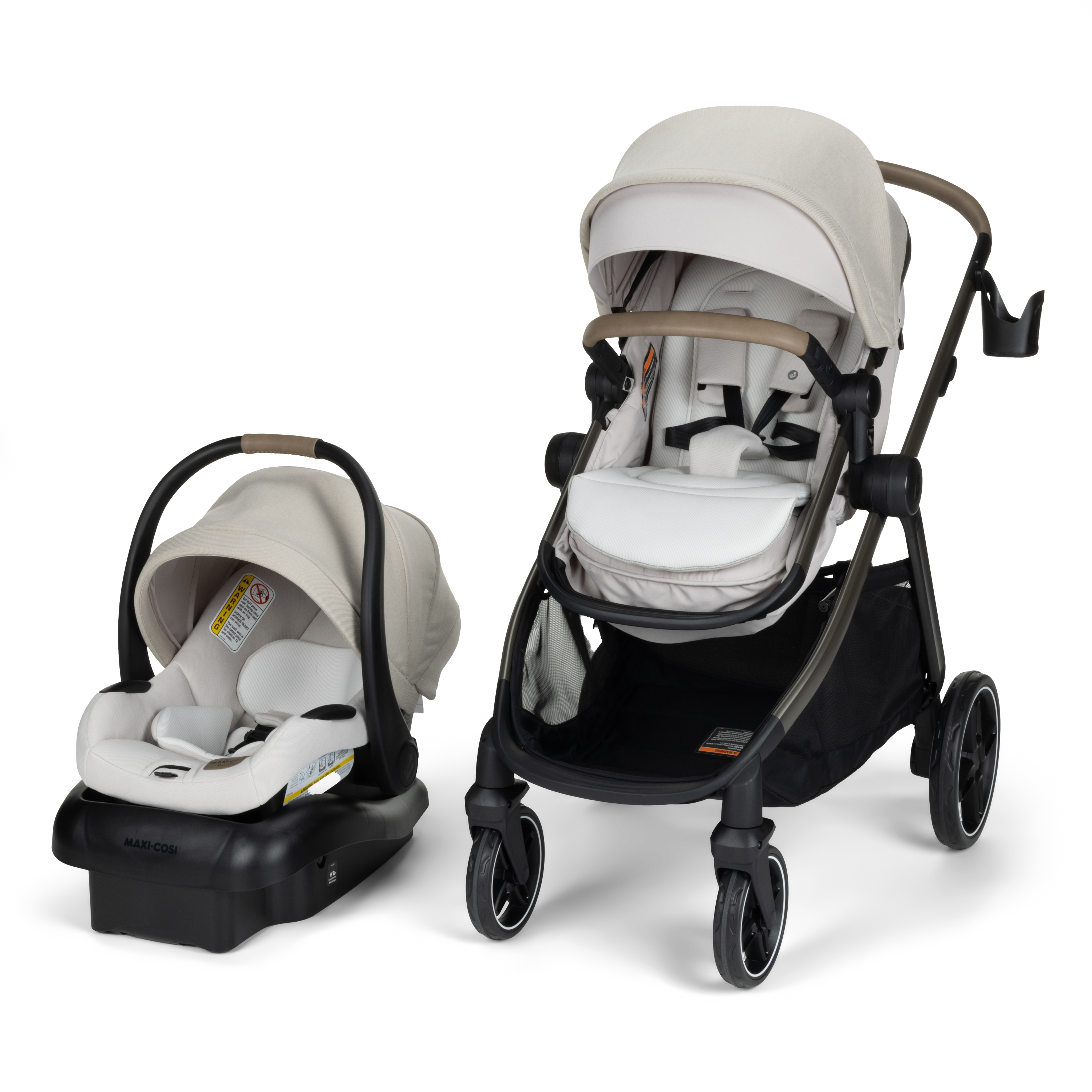
A properly used rear-facing car seat is essential for every newborn car trip. The seat should be installed according to the manufacturer’s instructions and checked for a secure fit.
Important newborn public-outing considerations for car travel include:
• Use a rear-facing seat in the back seat
• Keep the harness snug and flat
• Place the chest clip at armpit level
• Remove thick coats before buckling
• Never add products that did not come with the seat
• Stop for feeding and diaper changes
• Never leave the baby alone in the car
A newborn should not spend long periods in a car seat outside the car. Car seats are made for travel, not routine sleep. Once you arrive, move the baby to a firm, flat sleep surface when possible.
For long drives, plan regular stops. An adult should sit in the back when possible, but this does not replace safe sleep or supervision. Do not breastfeed or bottle-feed while the car is moving.
Before leaving, check the route, weather, parking, and rest stops. A five-minute plan can prevent a stressful hour. Pack more diapers, milk, and clothing than you expect to need.
One mistake many new parents make is treating a car seat like a portable bassinet. It is easy to carry a sleeping baby inside and leave the baby there. Move the baby to a safe sleep space as soon as practical.
Feeding, Diapering, and Sleep Away From Home
Newborns feed often. An outing works best when it follows the baby’s needs rather than a strict clock. Feed the baby before leaving if that helps, but do not delay a feed because you are close to home.
For breastfeeding, choose a place where you feel comfortable. You do not need to hide or defend feeding choices. Bring a nursing cover only if you want one. For formula feeding, follow safe preparation and storage instructions from the product label and your baby’s clinician.
Pack a small newborn outing bag with:
• Diapers and wipes
• Changing pad
• Extra clothes
• Burp cloths
• Breast milk or prepared formula
• A clean bottle, if needed
• Hand sanitizer
• A light blanket
• Pacifier, if your baby uses one
• Health insurance and emergency information
Never prop a bottle. Never leave a baby alone on a changing table, bed, couch, or public restroom counter. Use a changing station with one hand on the baby at all times.
Newborns may sleep during an outing, but safe sleep rules still apply. The safest sleep space is a firm, flat surface with no pillows, loose blankets, toys, or positioners. A stroller seat, swing, or car seat is not a regular sleep space.
Keep plans flexible. If the baby needs to eat, sleep, or be held, the schedule can change. A successful outing is not one that follows the plan perfectly. It is one where the baby stays safe and the parent feels able to respond.

Handling Visitors and Public Attention
People often feel excited when they see a newborn. Most comments are kind, but parents still have the right to set firm boundaries. Newborn public-outing considerations include managing touch, photos, and unwanted advice.
You can use short phrases such as:
• “Please wash your hands before touching the baby.”
• “We are not kissing the baby yet.”
• “The baby needs a quiet break.”
• “Please give us a little space.”
• “We are leaving now because the baby is tired.”
Ask relatives not to share photos or location details online without permission. This protects your family’s privacy and allows you to control who sees the baby.
If someone reaches for the baby, step back or use the stroller’s canopy. You do not need to explain your decision in detail. A polite boundary is enough.
I often remind new parents that the baby’s needs come before social comfort. A relative may feel disappointed for a few minutes, but a newborn cannot speak up about illness, noise, or overstimulation. Your job is to be the baby’s calm voice.
Avoid gatherings where guests pressure you to ignore safety rules. Supportive family members may ask how to help. They will not demand kisses, visits, or long stays.

Signs That a Newborn Needs a Break
Even a calm outing can become too much. Watch the baby’s behavior instead of trying to finish an errand. Early signs of stress may include turning away, crying, stiff movements, hiccups, yawning, or difficulty settling.
Take a break when the baby:
• Feeds poorly
• Becomes unusually fussy
• Feels hot or cold
• Has trouble breathing
• Has fewer wet diapers than usual
• Sleeps in an unsafe position
• Appears pale, blue, weak, or hard to wake
For babies younger than 3 months, a rectal temperature of 100.4°F (38°C) or higher needs prompt medical advice. Call the pediatrician or seek urgent care based on the instructions you have received.
Seek emergency help for serious breathing trouble, blue lips or face, severe limpness, a seizure, or a baby who cannot be awakened. Trust your instincts. Parents often notice that something is wrong before they can explain why.
Newborn public-outing considerations are not meant to create fear. They are tools for noticing risk early. Leaving an outing is always an acceptable choice.

A Simple Plan for the First Outing
A short plan can make the first trip feel manageable. Start with a destination close to home and choose a time when the baby is usually calm.
Use this step-by-step approach:
-
Check the baby’s health and the weather.
-
Choose a quiet place with clean air.
-
Feed and change the baby before leaving if helpful.
-
Pack supplies for longer than the expected trip.
-
Confirm the car seat is installed correctly.
-
Tell close contacts not to visit if sick.
-
Keep the first outing short.
-
Watch the baby’s temperature, breathing, and behavior.
-
Leave if the baby or parent feels overwhelmed.
-
Review what worked before planning a longer trip.
A first outing might be a 15-minute walk. The next might be a quiet coffee outside or a short visit with grandparents. Build confidence in small steps.
The parent’s health matters too. If you recently gave birth, you may need rest, pain control, hydration, and help with movement. Do not plan an outing that leaves you exhausted or unsafe. Ask another trusted adult to drive, carry supplies, or handle errands.
A useful mindset is “low risk, low pressure.” Newborn public-outing considerations should support family life, not turn every trip into a test.
Common Mistakes to Avoid
Many outing problems are easy to prevent. The most common mistake is trying to do too much too soon. A newborn may sleep through one trip and cry through the next. Both responses are normal.
Watch for these errors:
• Taking a newborn to crowded indoor places during illness season
• Allowing sick visitors to hold the baby
• Covering a stroller with a thick blanket
• Leaving the baby in a parked car
• Using a bulky coat under the car seat harness
• Forgetting feeding and diaper supplies
• Keeping the baby out too long in heat or cold
• Relying on online advice instead of medical guidance for a sick newborn
• Ignoring a parent’s need for rest
Another mistake is comparing your family with other families. One baby may handle a restaurant well, while another needs quiet at home. Premature babies and babies with health conditions may need different limits.
Medical guidance also has limits. General advice cannot replace an examination, and local disease levels can change. Follow your pediatrician, local public health guidance, and the car seat manufacturer’s instructions.
Frequently Asked Questions About Newborn Public-Outing Considerations
How soon can a newborn go out in public?
A healthy, full-term newborn may go outside soon after birth if the pediatrician has no concerns. Begin with short trips to quiet places and avoid crowded spaces, sick contacts, and extreme weather.
Should a newborn avoid crowded places?
It is wise to avoid crowded indoor places, especially during periods of high respiratory illness. Crowds increase close contact and make it harder to control hand hygiene and personal space.
Can people kiss a newborn?
People should avoid kissing a newborn’s face, hands, and mouth. Viruses such as herpes simplex, influenza, and RSV can spread through close contact and may cause serious illness in young babies.
What should a newborn wear outside?
Dress the baby in light layers and check the chest or back for warmth. Avoid overheating, direct sun, and bulky coats under car seat straps.
Can a newborn sleep in a stroller or car seat?
A stroller seat or car seat is not a regular safe sleep space. Move the baby to a firm, flat surface without loose bedding when you reach your destination and can do so safely.
When should I call a doctor after an outing?
Call promptly if a baby younger than 3 months has a rectal temperature of 100.4°F (38°C) or higher. Seek emergency help for severe breathing trouble, blue coloring, extreme weakness, or a baby who is difficult to wake.
Is it safe to take a newborn to a family gathering?
It may be safe if the gathering is small, well ventilated, and limited to healthy guests. Ask everyone to wash their hands, avoid kissing the baby, and stay home if they have any illness symptoms.
Conclusion
Newborn public-outing considerations center on four basics: the baby’s health, the place you choose, the weather, and contact with other people. Start with short trips, choose low-crowd settings, practice careful hand hygiene, use a safe car seat, and keep feeding and sleep needs flexible.
You do not need to avoid the world forever. With thoughtful planning and clear boundaries, you can protect your newborn while slowly returning to everyday life. Use this guide as a starting point, confirm special concerns with your pediatrician, and share your own first-outing lessons with other parents.